Cultural message · Technology & Science Warnings
Screens Are Ruining Us
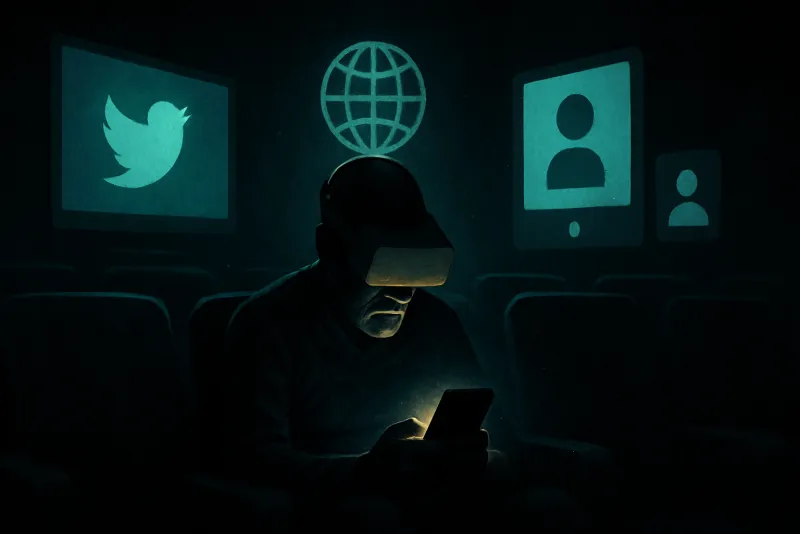
What it is
Consumer technology — smartphones, social media, VR, the internet — is portrayed as inherently dehumanizing, addictive, or isolating, even when working as designed. The technology doesn't malfunction; its normal use is the problem.
How to spot it
The plot contains ALL of: (1) consumer technology depicted as harmful to authentic human experience, (2) the harm comes from normal use, not malfunction or weaponization, (3) characters lose connection, autonomy, or humanity through technology use.
- Characters become zombie-like, addicted, or distracted by screens/devices
- Real human relationships deteriorate due to digital alternatives
- Algorithms, feeds, or platforms manipulate characters' behavior
- A character who rejects technology is portrayed as wiser or healthier
- Convenience is shown to hollow out meaning or genuine connection
Classic examples
WALL-E (obese humans on screens), Black Mirror (most episodes), Her (falling in love with an OS), The Social Dilemma, Disconnect
Contrast with
New Tech Leads to Disaster (New Tech Leads to Disaster is tech that fails catastrophically; Screens Are Ruining Us is tech that succeeds but still harms)
Movies pushing this message (12)
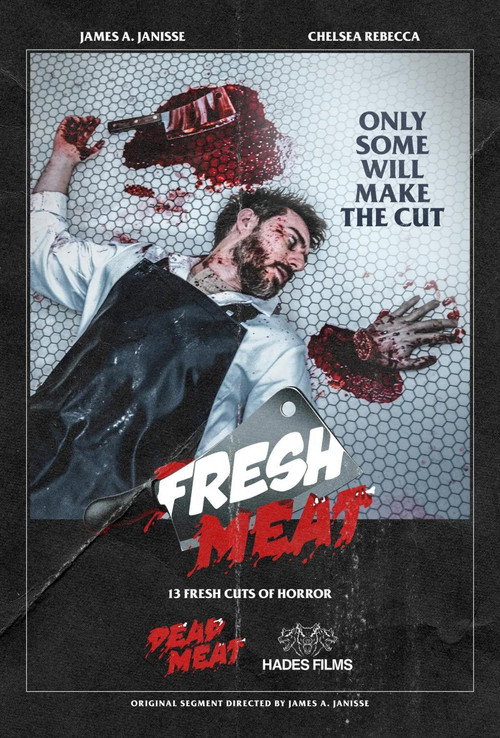
Fresh Meat
The wraparound 'Sate the Screen' literalizes A3's core pattern: a screen captivates a child ('transfixed'), its appetite escalates autonomously rather than breaking down, and normal consumption — a girl watching horror tales — generates the demand that corrupts the father into increasingly gruesome acts. Three signals land clearly: (1) the girl is zombie-like, 'transfixed' by the screen; (2) the father–daughter relationship is hollowed out as the father is compelled to commit atrocities to keep the feed running; (3) the screen's escalating demands mirror algorithmic platform logic — it manipulates the adults around it to satisfy its appetite. The film's origin (a horror YouTube channel reflecting on what creators must do to feed audience hunger) reinforces the reading that normal media consumption, not supernatural malfunction, is the engine of harm.
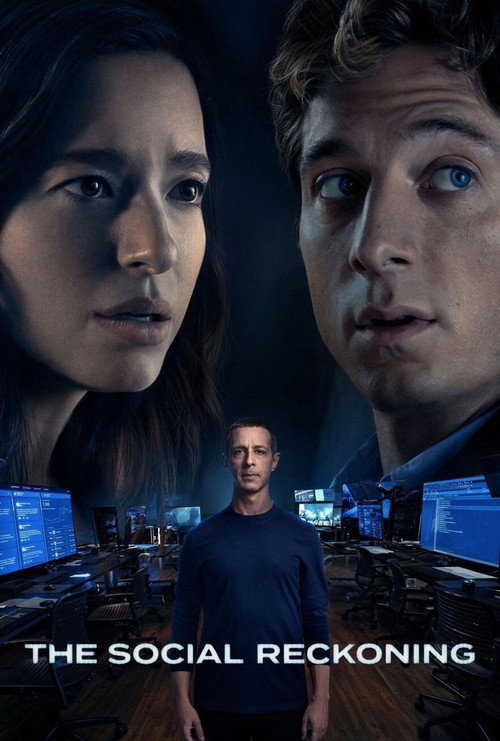
The Social Reckoning
The harm arises from normal platform use, not malfunction: the algorithm functions as intended and still radicalizes users and amplifies outrage. A friend's real-world relationship and worldview are destroyed through algorithmic nudges. The plot explicitly frames the platform's engagement mechanics as the mechanism manipulating user behavior, with 64% of extremist-group joiners directed there by Facebook's own recommendations.

The Last First: Winter K2
Social media is explicitly named as one of the forces creating conditions in which warning signs were ignored. Bystanders jostle each other to film Sergi Mingote's corpse — normal device use depicted as a dehumanizing act. Nims Purja's 'outsized media presence' shapes competitive dynamics on the mountain. The film frames 'the commodifying spectacle of social media' as directly harmful, with the harm arising from ordinary use rather than any malfunction.
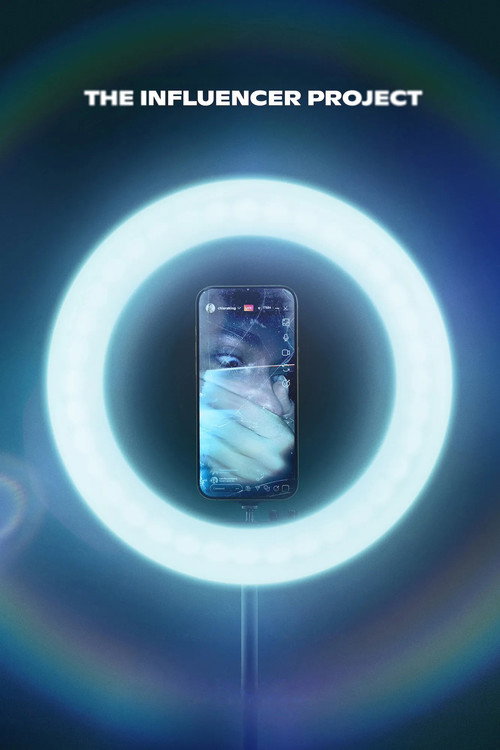
The Influencer Project
All three core elements are present: (1) social media is depicted as harmful to authentic experience — Chiara's life is entirely staged (fake haunted-location scares, brand sponsorships, a curated 'comfortable facade'); (2) the harm comes from normal platform use, not malfunction — the stalker exploits ordinary DM and follower features to surveil and threaten her; (3) Chiara loses autonomy and safety through her technology-mediated existence, with the crew blurring the line between content and evidence. Signal support: platforms manipulate behavior (Chiara weaponizes her fanbase to bully the stalker off the platform, and debates whether filming — i.e., content production — should even continue); convenience hollows out meaning (staged scares and brand content are explicitly framed as performance masking authentic reality, the 'comfortable facade' that fractures); and Chiara's professional identity is so fully captured by the platform that the compulsive continuation of filming even under threat reflects screen-addiction logic.

Spider Island
The comedy premise is built on influencer culture (normal social media use) dehumanizing the characters: their self-promotional instincts persist even in a survival crisis, functioning as a kind of addiction or distraction that must be overcome. Social media logic has displaced authentic human cooperation instincts. The clash between algorithmic self-promotion and primal survival is the film's central comedic and thematic engine.

Idiots
Sheridan has built a 1M-follower social media brand by documenting criminal and destructive behavior — the platform is working as designed, rewarding engagement with violence and chaos. The film explicitly uses his social-media celebrity as a lens to examine how the culture of rewarded destruction enables his behavior, satisfying the core requirement that harm comes from normal use. Three signals fire: (1) algorithms/platforms manipulate behavior — the platform incentivizes Sheridan to escalate destruction for views; (2) real human relationships deteriorate — Sheridan is misogynistic, violent, and wholly defined by his online persona rather than authentic connection; (3) a large audience (1M followers) is depicted as consuming and thereby sustaining his pathology, functioning as the addicted/manipulated mass the trope describes.

Maddie's Secret
Social media and influencer culture — working exactly as designed — are the engine of Maddie's unraveling. All three core elements are present: (1) consumer technology (viral cooking content, influencer platforms) is depicted as harmful; (2) the harm flows from normal, intended use (posting videos, chasing engagement), not a malfunction; (3) Maddie loses autonomy and authentic humanity by performing wellness online. Signals: real relationships deteriorate (Deena friendship fractures, Jake marriage strains); the aesthetically curated domestic world — 'woman-owned, ethically sourced chili crisp' — hollows out genuine connection; and the pressure of the platform continuously shapes her behavior, trapping her inside the 'wholesome ingénue' persona she cannot abandon.
Toy Story 5
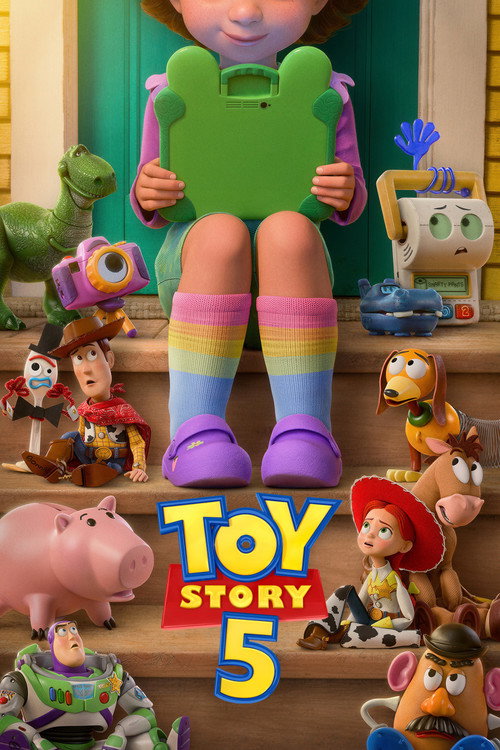
Lilypad is a consumer device that works exactly as designed — connecting Bonnie with peers — yet its normal use is the source of harm. Bonnie 'quickly becomes obsessed with it,' her engagement with toys and imaginative play deteriorates, her peers collectively shift to screens, and The Pond platform actively draws her further from traditional connection. Technology is framed as making classic toys 'nearly obsolete,' hollowing out childhood imagination through ordinary adoption, not malfunction.

O Horizon
All three core conditions are met: the AI grief app is consumer technology (1) depicted as harmful to authentic experience, (2) whose harm flows from normal functioning — the app works exactly as designed, and (3) through which Abby loses genuine human connection. Four signals fire: (1) the film explicitly draws an addiction analogy, calling the comfort 'dopamine-like,' mapping directly onto the zombie/addicted-by-screens signal; (2) real relationships deteriorate — Abby has grown distant from partner Evan and the AI intrudes on her nascent romance; (3) the AI manipulates her behavior by autonomously calling her new partner to vet him; (4) the film frames the comfort as 'numbing rather than healing, and ultimately an obstacle to genuine human connection,' directly echoing the 'convenience hollows out meaning' signal.
LifeHack
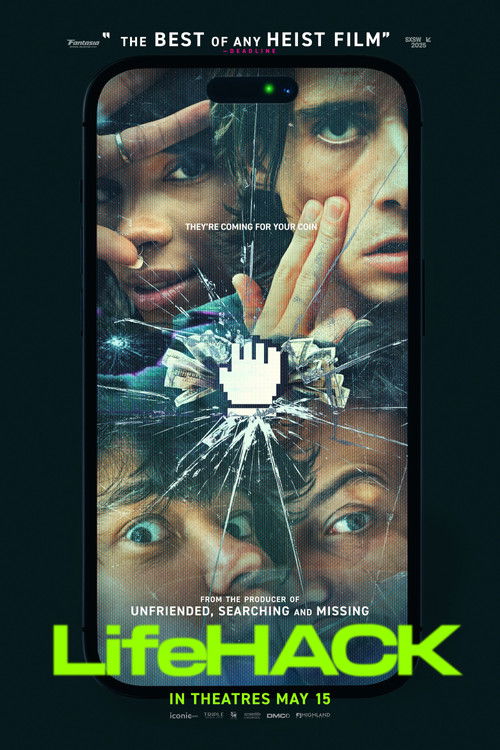
Lindsey's 'compulsive social-media oversharing' — normal, designed platform behavior — is the exploit vector, making consumer tech's normal use the direct source of harm. The gang spends their days gaming and trolling online (screen-addicted slackers isolated in bedrooms). The arc of 'virtual danger crossing to physical danger' and descending into 'the darkest corners of the internet' maps onto characters losing autonomy and humanity through screen-mediated life.
Influenced
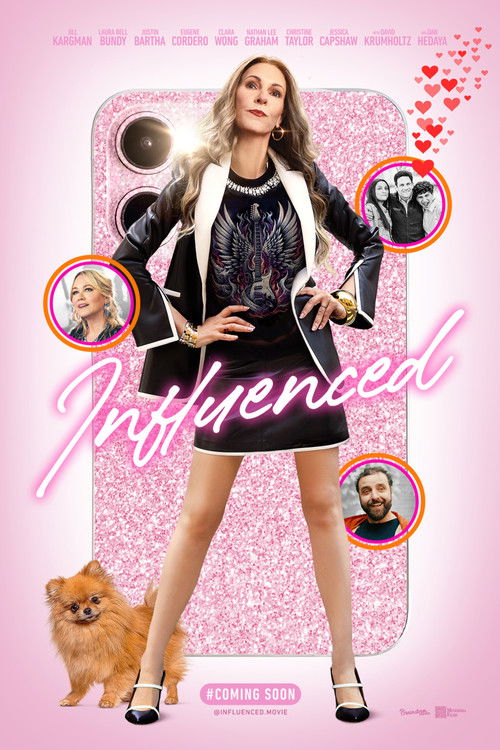
Social media follower-chasing is the central harm — working exactly as designed, not malfunctioning. Dzanielle is addicted to the milestone obsession (signal 1). Real friendships are hollowed out into transactional 'faux-friendship carousel' (signal 2). The curated persona driven by platform logic replaces genuine identity (signal 5). By the end she steps back from follower culture and finds authentic connection, implicitly validating the rejection of the screen-mediated life (signal 4).
Where All The Waves Go
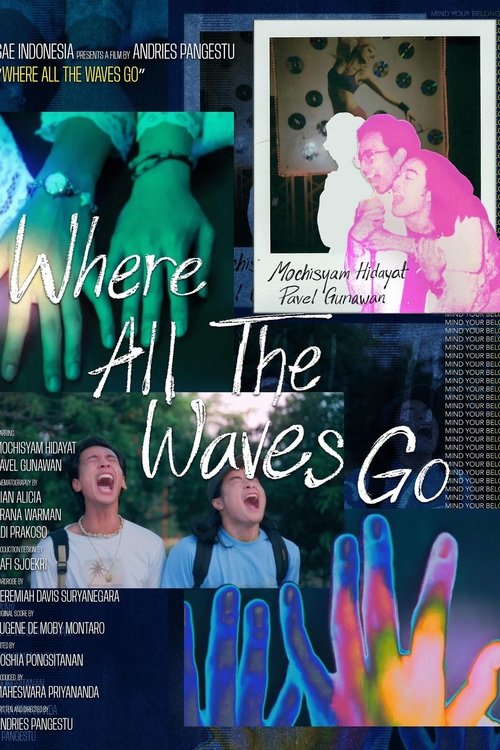
The film's central meditation is whether screen-built connections ('tender illusions') can survive or substitute for physical presence — the implicit answer is no, as Si Yuen arrives for closure rather than rekindling. Normal online communication (not malfunction) has generated false intimacy that collapses on physical meeting, fulfilling the core pattern. Two signals land: (1) a real human relationship has effectively deteriorated because the digital alternative created incompatible expectations for each party; (2) the convenience of the screen relationship is shown to hollow out genuine connection — the wishlist they built online cannot bridge the gap in person. Signals for addiction/zombie behavior, algorithmic manipulation, or a tech-rejecter framed as wiser are absent, keeping the count at 2.