Movie
Over Your Dead Body
Narrative tropes
Violence Gets Results
mediumThe escaped-convict hostage situation leaves no viable non-violent path — Dan and Lisa are being interrogated and beaten. Resolution comes entirely through escalating physical combat: guns, knives, razors, and a lawnmower. The climax is a violent fight, victory requires physically overpowering the antagonists, and the dark-comedy framing treats the carnage as the natural and unquestioned solution rather than a troubling last resort.
About this trope: The central conflict is ultimately resolved through physical force rather than negotiation, diplomacy, or systemic change. Talking fails; fighting works.
You Can't Trust Anyone
highEach spouse is simultaneously protagonist and hidden enemy to the other: Dan's 'reconnection retreat' conceals a murder plan; Lisa's acceptance conceals an identical one. When each discovers the other's scheme, paranoia is fully validated — the most trusted person in each life was plotting lethal betrayal. The true enemy was hiding in plain sight as an intimate partner. Allegra, the corrupt correctional officer who enabled the escape, layers in a second institutional betrayal.
About this trope: Trusted allies, institutions, or authority figures are secretly working against the protagonist. Paranoia is justified because betrayal is real and pervasive.
Cultural messages
Family Is Everything
mediumThe marriage and its possible redemption is the emotional spine of the story. Both characters abandon lethal plans against each other — choosing the family unit over self-interest. Their cooperation as a couple is the direct mechanism of survival against the intruders, and the rekindled affection with a 'second chance' ending frames restoration of the bond as the story's emotional payoff.
About this message: Family bonds — biological or found — are ultimately what saves the day, provides meaning, and matters most. Characters who stray from family suffer; those who return are rewarded.
Humanity Must Unite
highDan and Lisa arrive as active enemies with lethal plans against each other — the clearest possible prior conflict. The escaped convicts are a shared external threat neither could survive alone, forcing them to set aside their mutual murder schemes. They fight side by side using improvised weapons; cooperation is the direct and only mechanism of survival. The shared threat is explicitly larger than any marital grievance, and former enemies are literally fighting together in the climax.
About this message: A shared external threat forces divided groups to set aside differences and cooperate. Unity across lines of division is both necessary for survival and morally uplifting.
Movies that share these tropes






Full plot (spoilers)
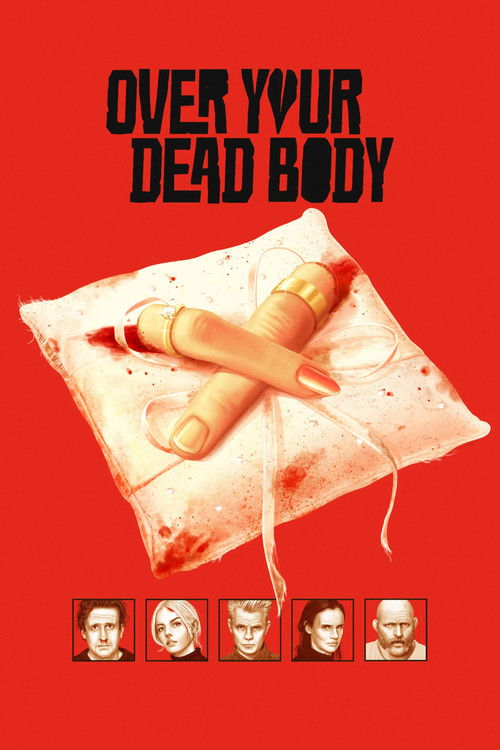
Dan (Jason Segel), a struggling commercial director, and Lisa (Samara Weaving), a frustrated actress, are a deeply unhappy, financially stressed married couple. Dan proposes a retreat to a remote cabin ostensibly to reconnect, but his real plan is to kill Lisa in a staged accidental gun discharge. Lisa accepts the invitation with the same murderous goal in mind, intending to trigger an avalanche to eliminate Dan. When the couple independently discovers that the other has arrived armed and scheming, their respective plans begin to unravel before either can act. The situation escalates dramatically when escaped convicts Todd and Pete, accompanied by Allegra, a corrupt correctional officer who facilitated their escape, break into the cabin and take Dan and Lisa hostage, subjecting them to interrogation and violence. Forced to set aside their mutual murderous intentions, the couple cooperates to survive the intruders, battling them in increasingly brutal and comedically gory fashion involving guns, knives, razors, a lawnmower, and other improvised weapons. The shared external threat rekindles a degree of genuine affection and respect between Dan and Lisa, suggesting the possibility of a second chance at their relationship if they can survive the ordeal.
Sources: Wikipedia, IMDb, Rotten Tomatoes, Awards Radar, Substream Magazine