Narrative trope · Violence & Justice
Violence Gets Results
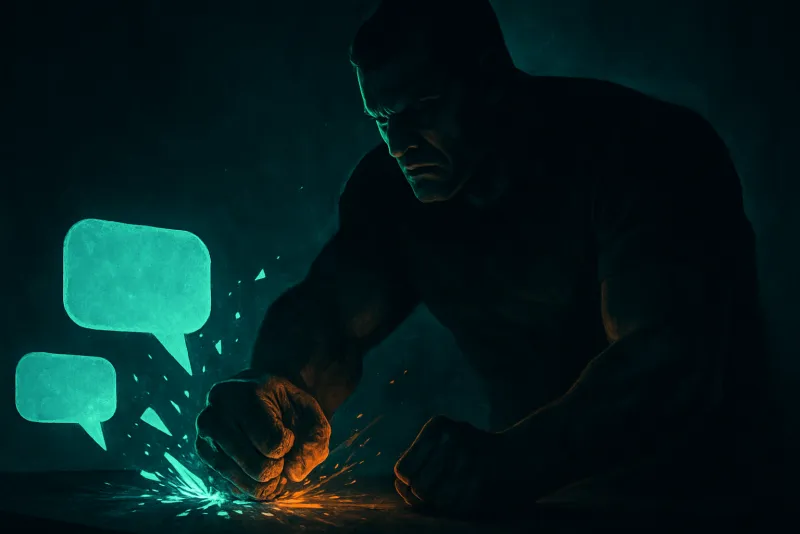
What it is
The central conflict is ultimately resolved through physical force rather than negotiation, diplomacy, or systemic change. Talking fails; fighting works.
How to spot it
The plot contains ALL of: (1) a central conflict or threat, (2) non-violent approaches are tried and fail or are not attempted, (3) physical combat, destruction, or lethal force is the mechanism that resolves the plot.
- The climax is a fight, battle, or violent confrontation
- Earlier attempts at negotiation, diplomacy, or reason fail
- The hero's primary skill for solving problems is combat ability
- Victory is achieved by defeating (killing, overpowering) the antagonist physically
- The story does not question whether violence was the right approach
Classic examples
Nearly every MCU climactic battle, John Wick, most action franchise finales, Die Hard, Gladiator
Movies featuring this trope (105)
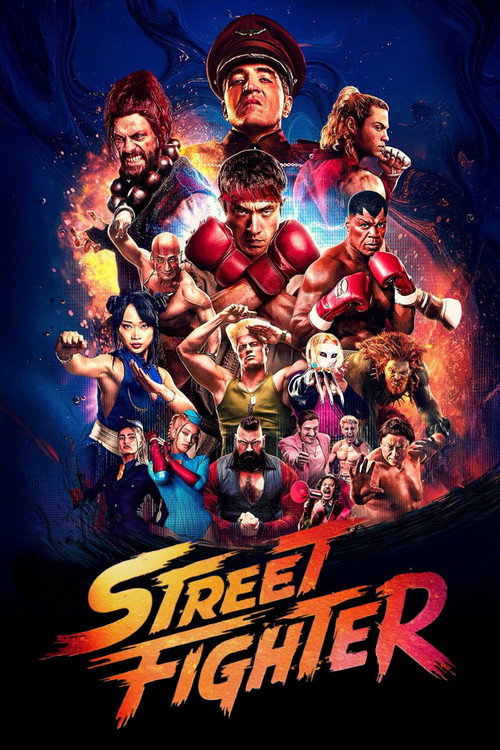
Street Fighter
The film resolves its central Shadaloo conspiracy through a 'climactic action set piece.' Ryu and Ken's sole problem-solving tool is combat ability; no negotiation or diplomatic avenue is attempted or shown failing; the threat is defeated by physically overpowering the antagonist; and the genre framing never interrogates whether violence was the right choice.
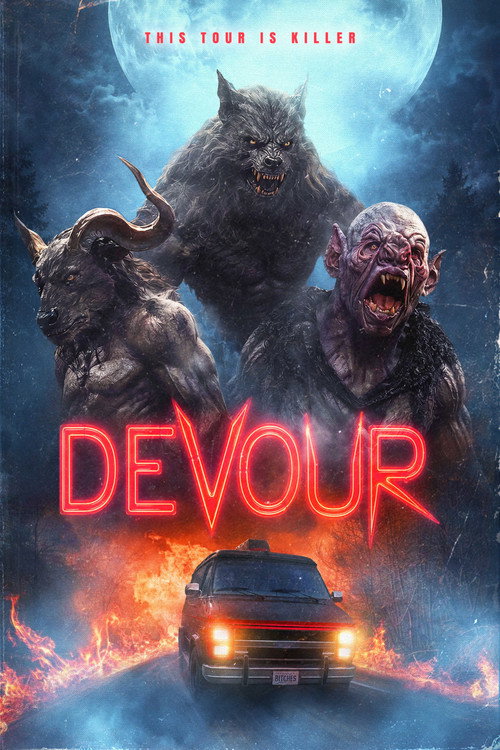
Devour
All three core requirements are met: the survival conflict is central, no non-violent options are available or attempted against cannibals/vampires/werewolves, and physical force is the sole resolution mechanism. The band explicitly 'taps into dark powers to fight back,' a bounty hunter arrives to take down Cain by force, and the climax is Dracula physically devouring Cain's face. The story never questions whether violence was appropriate (signals 1, 3, 4, 5 confirmed; signal 2 structurally implied by genre/context).
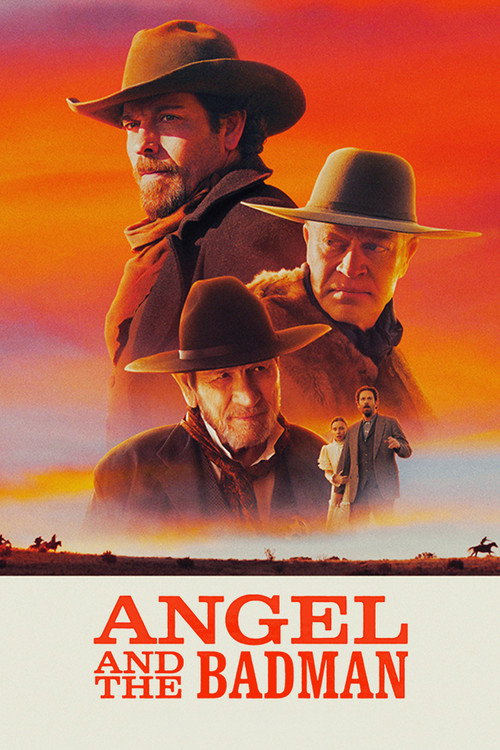
Angel and the Badman
Quirt's primary tool throughout is the credible threat of violence: he 'leverages his notorious reputation' to coerce a belligerent neighbor. The climax is a 'standoff' against Laredo's armed gang with no negotiation path presented. The film pointedly departs from the 1947 original's peaceful resolution (the marshal quietly taking Quirt away), strongly implying the 2026 version resolves through force. No diplomatic alternative to Laredo's armed threat is shown or attempted.
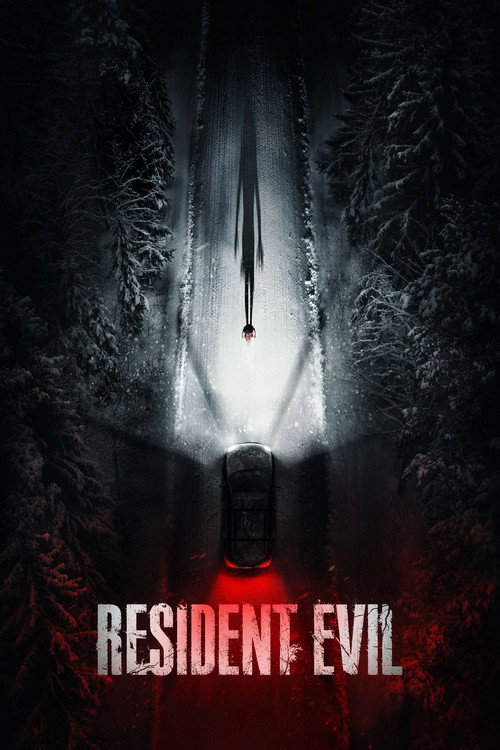
Resident Evil
Violence is the sole problem-solving mechanism throughout: Bryan escalates from handgun to shotgun to MP5 as he fights point-to-point through zombie-infested environments. Non-violent options are structurally absent (zombies cannot be negotiated with). The climax is an explicit violent battle through Raccoon City's collapse. The story never questions whether killing is the right approach — it is simply the only approach.
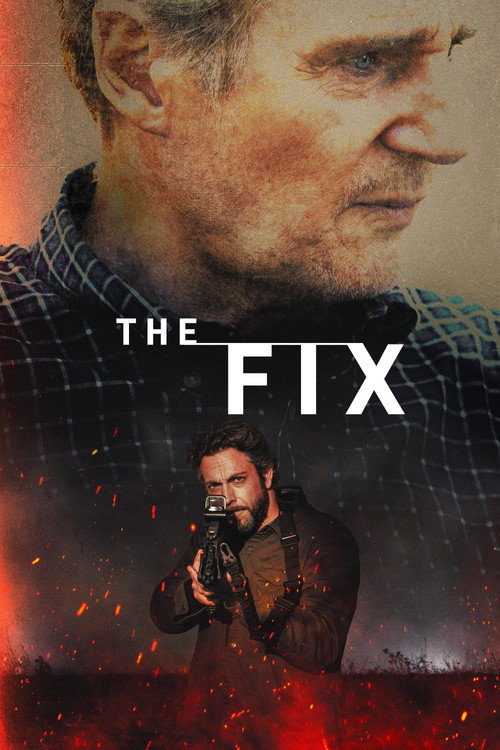
The Fix
The protagonists are ex-CIA operators whose primary competency is covert combat (signal: hero's primary skill is combat ability), and the climax is set in 'hostile territory' in Tehran combining a heist with a rescue — an action resolution, not a diplomatic one (signal: climax is a violent/physical confrontation). Non-violent channels are structurally unavailable given the unauthorized, off-books framing of the operation.
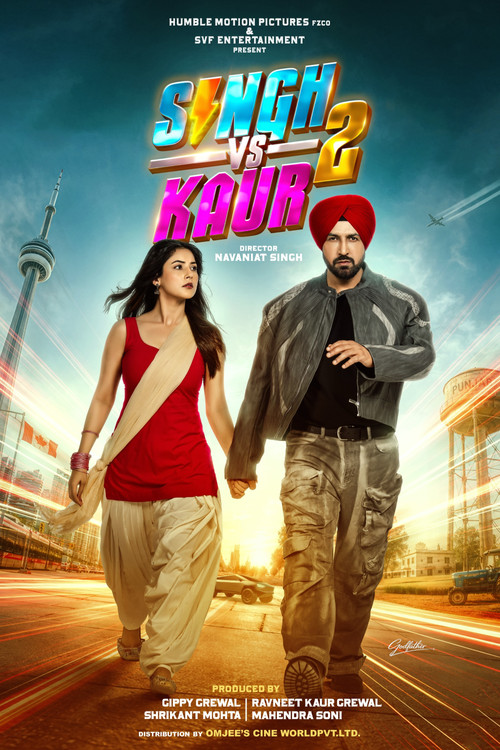
Singh vs Kaur 2
The central conflict (criminal drug syndicate holding stolen money and a kidnapped brother) is ultimately resolved when Nihal and Jasneet 'take on the criminal syndicate' in what the plot describes as action sequences. Investigation and tracing of funds precede but do not resolve the conflict — physical confrontation with the syndicate is the stated mechanism of resolution. The genre framing (action-comedy) does not interrogate whether violence was the right approach.
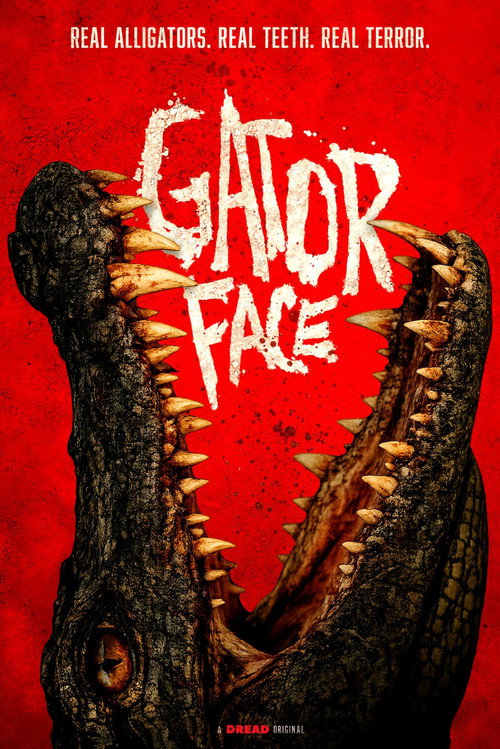
Gator Face
The plot resolves through physical combat rather than negotiation or systemic change — the film is described as escalating into a 'blood-soaked fight for survival.' Signals present: (1) the climax is an extended violent confrontation ('blood-soaked fight for survival' is the explicit framing); (2) victory requires physically defeating or escaping the antagonists; (3) the story does not question whether violence is the right approach — survival horror genre framing treats lethal force as the only available option. The 'cunning' element introduces some non-violent strategy but does not displace physical force as the resolution mechanism.
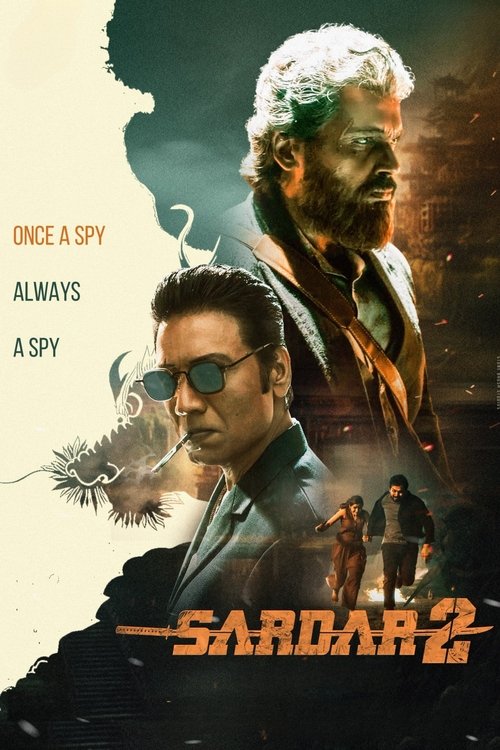
Sardar 2
The climax is explicitly described as a 'big colossal war,' a large-scale violent confrontation. The spy-action genre framing positions Vijay's combat capability as his primary problem-solving tool. No diplomatic or systemic resolution is indicated — the threat is stopped through physical defeat of Black Dagger and his operation. The story does not interrogate whether violence was the right path.
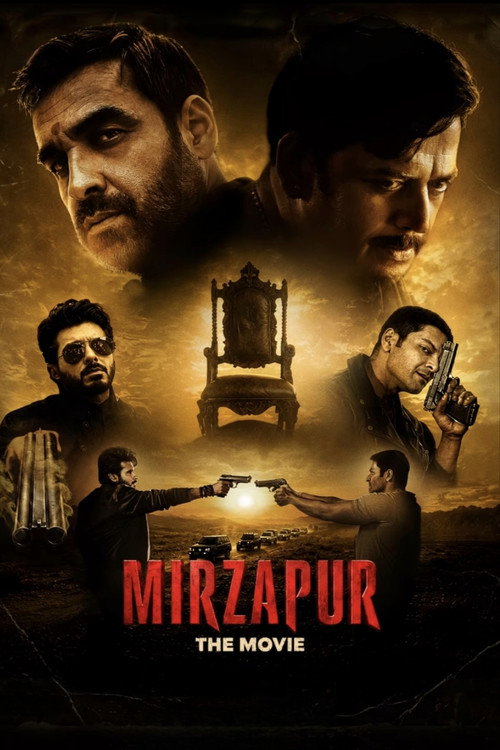
Mirzapur: The Movie
The central conflict — Babban Babua's assassination plot against Kaleen Bhaiya — is resolved entirely through physical confrontation: a 40-45 minute desert climax involving vehicle chases, explosions, and a direct Guddu-vs-Munna fight. No negotiation or diplomatic path is attempted or depicted as viable; the franchise's tone ('violence, dark humour, and attitude') signals that force is the unquestioned solution. Victory corresponds to physically defeating the antagonist's faction, and the story delivers closure without questioning whether violence was appropriate.
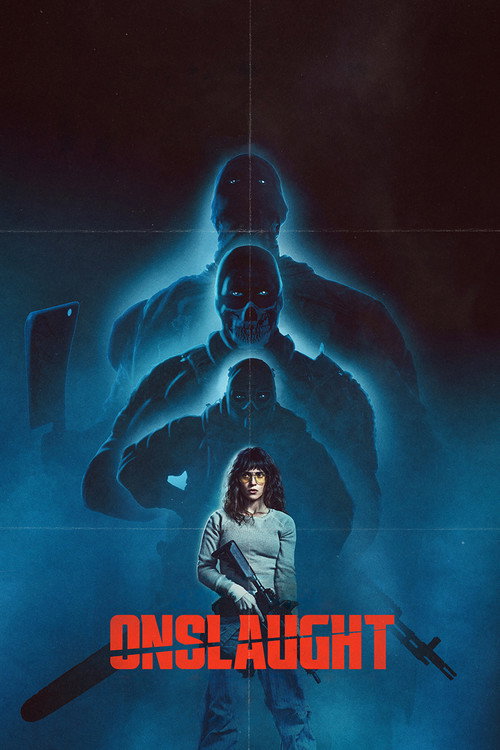
Onslaught
There is no negotiation with genetically engineered sociopathic killers — the entire second half is a sustained siege/combat sequence. Celeste's primary problem-solving skill is her Army sniper training and gun collection. Victory is achieved by 'unleashing overwhelming force.' The resolution is described as 'deliberately swift,' with no narrative interrogation of whether violence was appropriate.
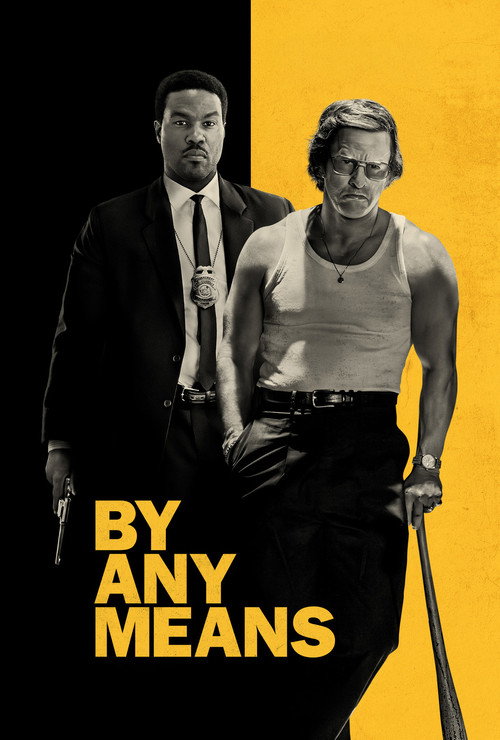
By Any Means
All three core requirements are met: the central conflict (Klan killings of civil rights figures) is the threat; the FBI is explicitly 'frustrated by its inability to penetrate Klan networks through conventional law-enforcement channels' (non-violent approaches fail); and both plot resolutions—locating the three buried CORE workers and extracting a confession in the Dahmer case—are achieved exclusively through Scarpa's violent coercion. Signals: (1) earlier conventional methods explicitly fail, (2) Scarpa is recruited precisely for his capacity for violence, (3) violent confrontations with Klansmen are the mechanism of each resolution, (4) the story's two climactic beats are both violent extractions of information. The fifth signal (no moral questioning) is absent—the film problematizes the violence—but four of five signals plus all core requirements are satisfied.

Legend of the White Dragon
The plot's central resolution mechanism is Erik reclaiming his crystal powers specifically to confront and defeat Dragon Prime. No negotiation or diplomatic solution is presented; the villain is 'vengeful and fixated on destroying' Erik, and the climax is framed as a direct physical confrontation. Signals: the climax is a violent showdown with Dragon Prime; the hero's primary tool for solving the conflict is combat ability tied to his superhero powers; victory is contingent on physically defeating the antagonist.
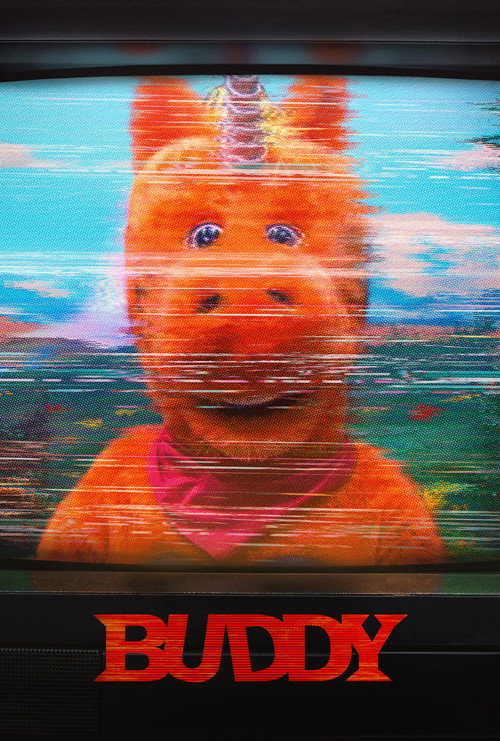
Buddy
Compliance, passive defiance, and the escape journey all fail to resolve the threat. The plot concludes with Freddy physically killing Buddy as the mechanism that breaks the cycle and ends the captivity. The climax is a direct violent confrontation; non-violent routes (cooperating, fleeing, seeking outside help) do not end Buddy's power.
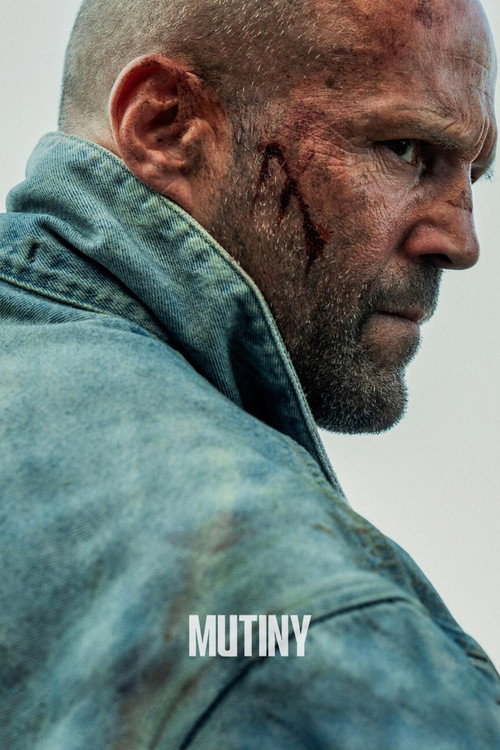
Mutiny
All three core elements are met: a central threat (murder + trafficking ring), non-violent channels blocked (Cole is framed and cannot use law enforcement), and the plot resolves via a climactic hand-to-hand fight with Madsen. Cole's Marine/police combat skills are his decisive tool throughout; the story never questions whether violence is appropriate against traffickers who are coded as unambiguously evil.
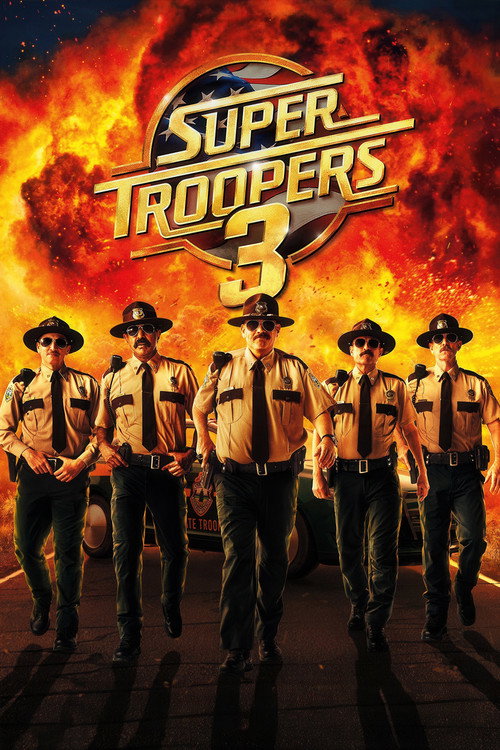
Super Troopers 3
The central threat (drug ring) is resolved through an action-oriented finale rather than negotiation or systemic channels. The investigation phase (non-violent) serves only to set up a physical confrontation. The climax is explicitly action-based, the drug ring is dismantled by the troopers directly defeating it, and the comedy frame means the story does not interrogate whether force was the right approach.
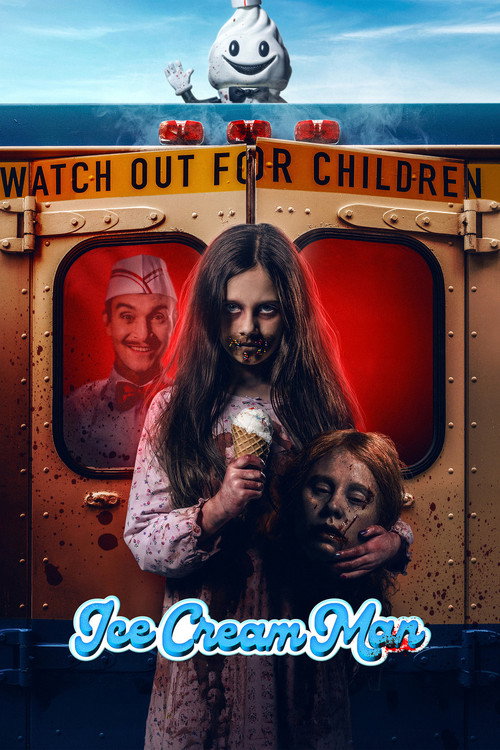
Ice Cream Man
The central threat (zombie children and the ice cream man) is resolved through a violent climactic confrontation guided by cryptic kill rules. No negotiation or diplomatic solution is attempted or possible. The school war-zone sequence makes improvised violence the primary survival tool throughout. Victory is achieved by physically killing the antagonist, and the horror framing never questions whether violence was the right approach.

Spider-Man: Brand New Day
Physical force is the primary and recurring mechanism throughout: Scorpion is violently dismantled in 'Predator Mode,' a large-scale aerial battle between Spider-Man and Hulk is the climactic set piece, and Hand ninjas and Tombstone's crime empire are handled through combat. The hero's core problem-solving tool is combat ability. The story does not pause to question whether violence is appropriate — it is treated as the default and necessary response to each escalating threat.
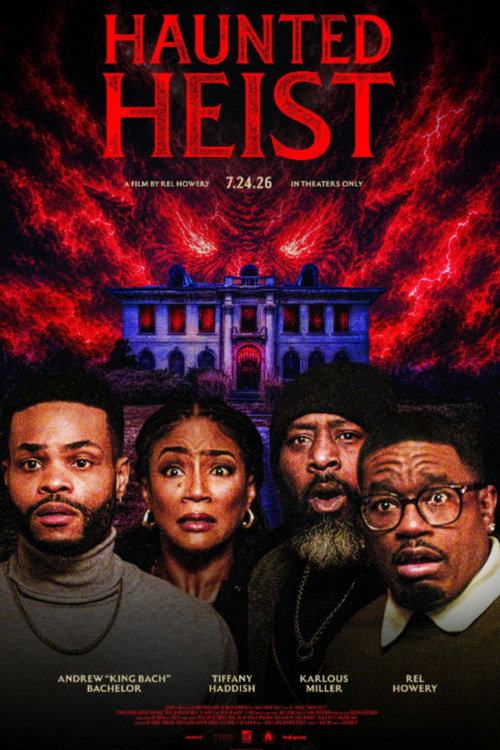
Haunted Heist
The ghosts are not passive — they mount an 'escalating assault' and are 'actively planning a demonic sacrifice,' leaving no room for negotiation or escape without confrontation. The plot resolves through the friends physically 'fighting off the supernatural threat,' satisfying the core pattern of violence as the operative resolution mechanism. Signals confirmed: climax is a violent confrontation, the antagonists' aggression forecloses non-violent alternatives, and physical resistance is what allows the group to escape alive.
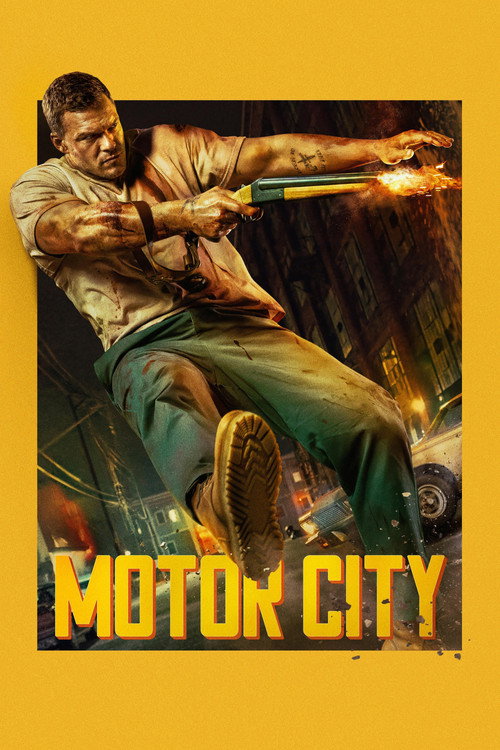
Motor City
The conflict with Reynolds is resolved entirely through physical force — Miller's prison transformation, prison break, and systematic violent dismantling of Reynolds's operation. His primary capability is combat (described as a 'physically imposing force'). The nearly dialogue-free film relies on 'visceral action sequences' to carry the narrative, and the story does not interrogate whether violence is the right approach — it is the only approach shown.
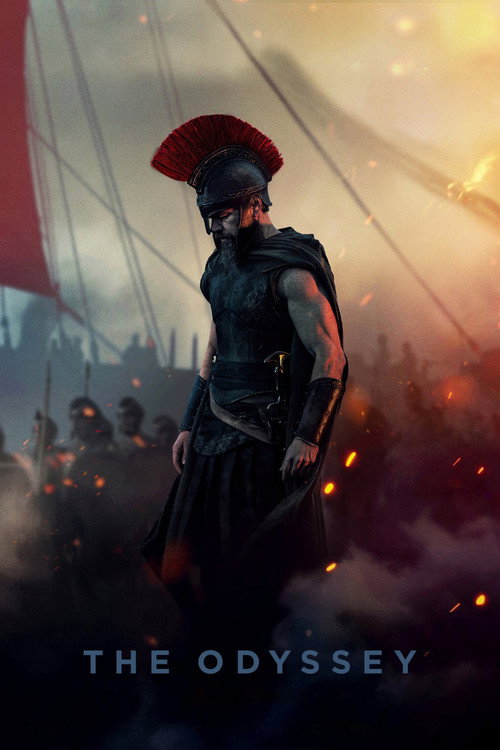
The Odyssey
Non-violent approaches — Penelope's weaving delay, Telemachus's quest, Odysseus's disguise and loyalty tests — precede but cannot resolve the conflict. The climax is the bow contest followed by slaughter of all suitors, which physically eliminates the antagonists and closes the plot. Note: the film explicitly frames wit over force as a theme, which complicates but does not override the violent resolution mechanism.
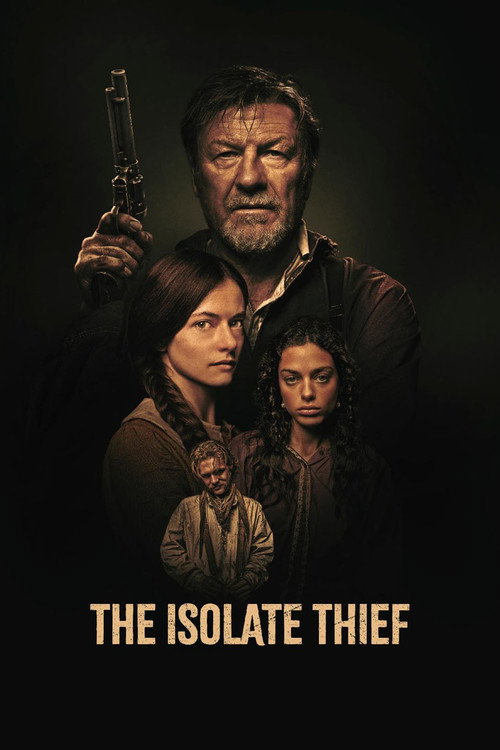
The Isolate Thief
Ada's cunning keeps her alive but cannot end the threat; the outlaws will not negotiate or leave — they want the gold. The plot resolves in a 'tense confrontation' where Ada and Emily physically turn the tables on their captors. The story frames their violent reversal as victory rather than questioning it, and no diplomatic route is available against the gang.
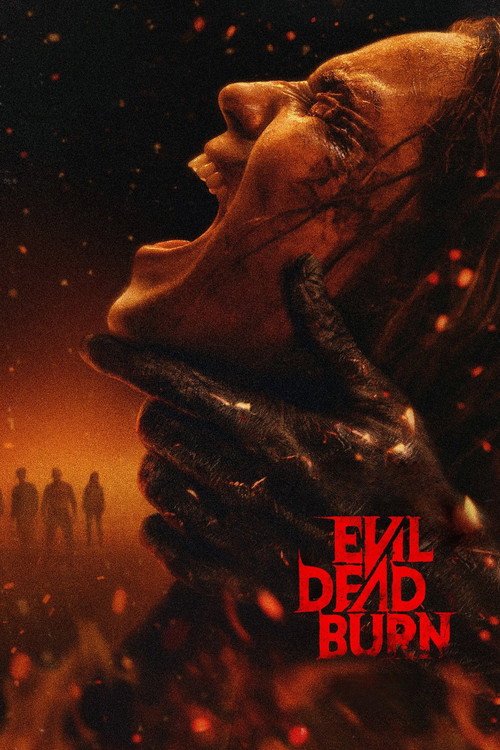
Evil Dead Burn
Alice's initial non-violent response — regaining consciousness and attempting to escape — is thwarted by Deadites assaulting her (signal: earlier non-violent approaches fail). The climax is framed as a physical confrontation with her Deadite husband (signal: climax is a violent confrontation). Alice is shown bloodied and actively fighting rather than reasoning with the possessed in-laws, and the franchise's established pattern centers physical destruction of Deadites as the only resolution (signal: hero's primary mode for solving the threat is physical combat).
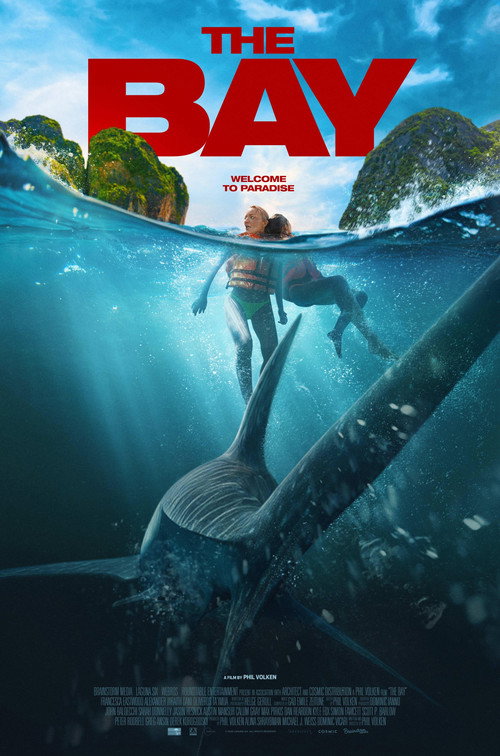
The Bay
The central conflict — who claims the single life-raft space — is resolved through physical combat between the two women. Non-violent cooperation (friendship, loyalty) is explicitly tried first and fractures under pressure before violence erupts, satisfying signal 2. The climax is an interpersonal fight ('panic spirals into interpersonal violence'), satisfying signal 1. The story frames violence as a survival necessity rather than questioning its morality, satisfying signal 5. All three detect_when conditions are met: clear threat, failure of non-violent approaches, and physical force as the resolution mechanism.

Bleach: Thousand-Year Blood War - The Calamity
The Royal Guard's defensive effort to prevent the Soul King's death was overcome by Yhwach's Almighty — the non-violent (protective/diplomatic) approach already failed. The entire plot movement is toward a physical assault on the Royal Palace as the only remaining option. Combat ability is the heroes' sole mechanism; the narrative does not question whether violence is the right approach to stopping Yhwach.

Minions & Monsters
The globe-threatening conflict with Irene is resolved entirely through physical combat: the Minions rally and, joined by Dort in his spacecraft, petrify Irene to stone. No negotiation or diplomacy is attempted against Irene. The climax is an all-out battle; the Minions are publicly celebrated as planetary heroes afterward, and the story never questions whether violence was the right approach.

Supergirl
The central conflict with Krem and the Brigands is resolved entirely through combat. Non-violent pursuit across planets yields no negotiated settlement. The climax is Kara killing Krem with Ruthye's sword. Kara's combat ability is the decisive factor throughout, and the story frames this lethal resolution without moral interrogation.
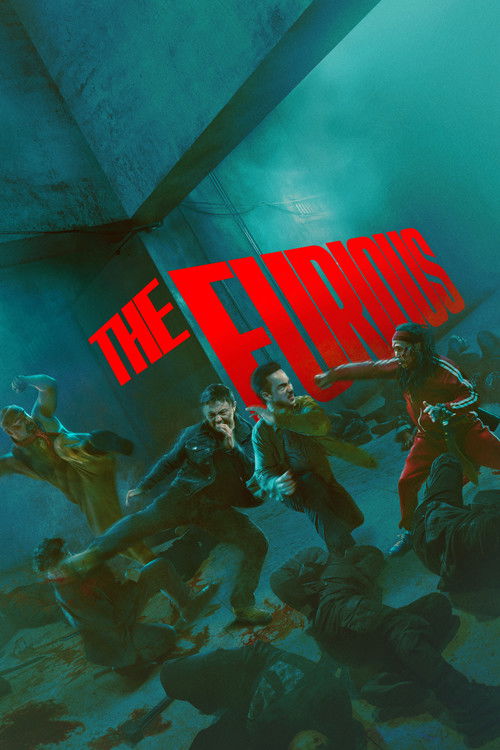
The Furious
The film is explicitly described as 'one sustained fight showcase' with a 'deliberately lean' narrative. Non-violent recourse (the police) fails at the outset. The protagonists' primary problem-solving tool is martial arts combat, the climax is an 'explosive showdown' with the criminal organization, and the story never questions whether violence was the right approach.

Carolina Caroline
All three detect_when conditions are met: (1) the central conflict is law enforcement closing in on the couple after escalating crimes; (2) non-violent approaches—fleeing, running—have failed and no negotiation is possible; (3) the resolution depends entirely on Oliver's violent act: he fires into the air to create chaos, then fires at officers to engineer his own death by cop, which is the direct mechanism enabling Caroline's escape with the money. The climax is an armed standoff at the roadhouse, Caroline's freedom is won through lethal force not evasion or diplomacy, and Oliver's sacrifice is framed heroically rather than critically. The story shows Caroline disturbed by earlier violence, which weakens the fifth signal, but the narrative ultimately validates Oliver's violence as the only effective solution.
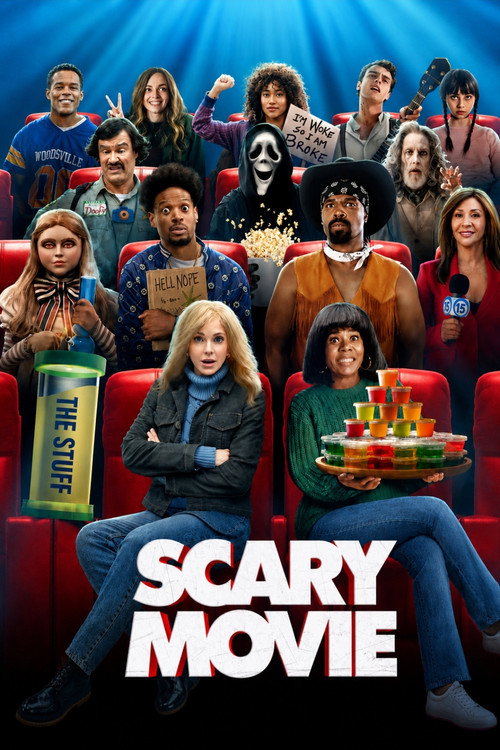
Scary Movie
The central conflict is a masked slasher killer, and the plot explicitly states the film climaxes with the Core Four and their children physically confronting the killer — violent confrontation is the stated resolution mechanism. Non-violent approaches are structurally absent (the killer targets and escalates; no negotiation is described). Signals fired: the climax is an explicit physical confrontation, the antagonist is defeated through direct action rather than systemic or diplomatic means, and the hero group's primary utility throughout is surviving and fighting back against a physical threat.
Masters of the Universe
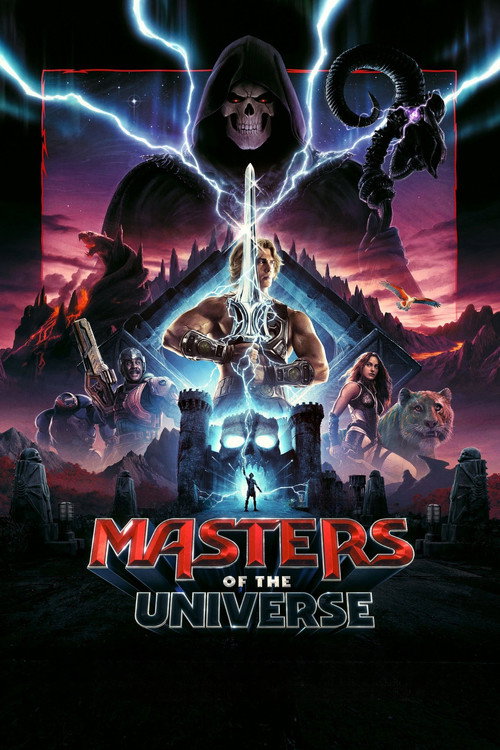
Adam's corporate HR instinct to 'de-escalate' is played for comedy and clashes with Eternia's warrior culture—non-violence is ineffective and laughable in this world. The film pivots to extended battle sequences as the resolution mechanism. He-Man's combat ability is the primary tool for saving his family and defeating Skeletor's forces; the story never questions this framing.
Chum
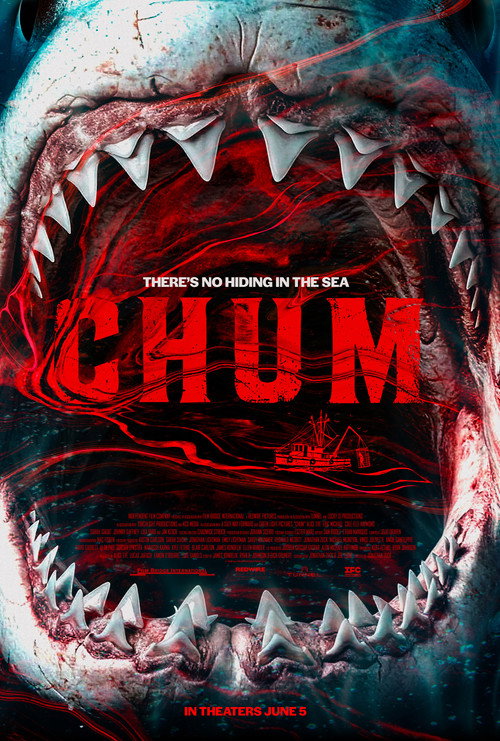
Negotiation or escape through reason is impossible: Roy is described as psychopathic and single-minded, and the survivors are drugged and caged. The climax is resolved by the group physically turning Roy's apparatus against him — a violent, tactical confrontation. Victory comes from overpowering the human antagonist, not from talking him down or finding an institutional solution.
Star Wars: The Mandalorian and Grogu
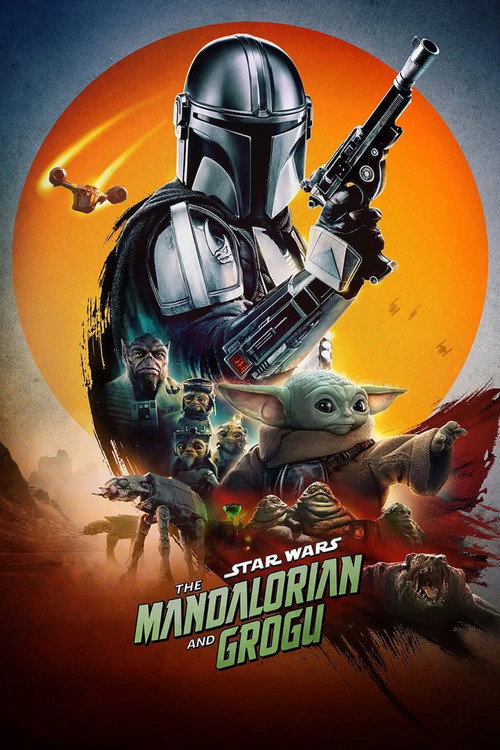
Every non-violent approach fails: Djarin attempts to buy Rotta's freedom (Janu refuses), attempts to warn Rotta (Rotta calls security instead), and diplomatic leverage with the Hutt Twins is non-existent. All three acts of the plot resolve through combat — the arena fight, the compound raid, and the palace assault. Djarin's combat skill is the decisive factor throughout, and the story frames each violent resolution as the correct and satisfying outcome without moral interrogation.
Passenger
The Passenger is an implacable antagonist that cannot be negotiated with or reasoned away. Non-violent approaches (fleeing, outrunning) are explicitly stated to be impossible — the entity cannot be lost or outrun. The story escalates through set-pieces of evasion that all fail, culminating in a physical climax in the Arizona desert where the couple actively attempts to confront and destroy the demon using St. Christopher consecrated objects/ground. Victory is framed as requiring the destruction of the entity, and the narrative raises no moral questions about whether confronting it violently is appropriate.
Corporate Retreat
The film is a survival horror in which the executives are trapped with no viable path to negotiation or escape through non-violent means — a psychopathic captor running a 'sadistic game' forecloses diplomacy. Resolution is explicitly physical ('blood-soaked fight to stay alive'), and the climax centers on violent confrontation rather than systemic or diplomatic resolution.

In the Grey
Rachel's financial assault — the non-violent approach — ends in her capture, forcing a violent resolution. Sid and Bronco, described as extraction specialists whose primary skill is combat, fight through Salazar's armed forces in shootouts and vehicle chases to rescue her. Salazar is defeated by physical force (captured and locked in a shipping container), not negotiation. The story presents no moral questioning of whether violence was the right path.
Takeover
The plot is structured as a single relentless night of physical confrontation across rival crews, law enforcement, and organized crime. Non-violent options are foreclosed from the start — Guy is coerced, not reasoned with. His decisive asset is his reputation and operational skill as a street operator, not diplomacy. The climax involves physically navigating and overpowering multiple converging threats to rescue the children, and the story gives no indication of questioning whether violence was the right path.
Mortal Kombat II
The entire film's conflict resolution mechanism is physical combat — the Mortal Kombat tournament format forecloses non-violent resolution by design. The climax is Kitana's direct fight with Shao Kahn. Every protagonist's primary problem-solving tool is combat skill. The story never questions whether violence is the right approach.
The Moonlight Murders
The central threat — the serial killer — is ultimately resolved through physical violence: May stabs the police chief, Zeke dies in the struggle, and Poppy arrives with a tire iron. Non-violent approaches all fail: the official investigation never identifies the real killer, and May's attempts to keep Zeke at a distance do nothing to neutralize the threat. The climax is an explicit violent confrontation, victory is achieved by physically overpowering the antagonist, and the story frames the outcome as a success (May's show becomes a ratings hit) without questioning the violent resolution.
Over Your Dead Body
The escaped-convict hostage situation leaves no viable non-violent path — Dan and Lisa are being interrogated and beaten. Resolution comes entirely through escalating physical combat: guns, knives, razors, and a lawnmower. The climax is a violent fight, victory requires physically overpowering the antagonists, and the dark-comedy framing treats the carnage as the natural and unquestioned solution rather than a troubling last resort.

Desert Warrior
Every non-violent approach fails: Al-Numan's flight and the Shaybani sanctuary only delay imperial pursuit; his peaceful return and submission ends in execution. The central conflict with the Sassanid Empire is resolved exclusively at the Battle of Dhu Qar through tactically sophisticated combat including flanking maneuvers and poisoning. The Arab victory is the story's triumphant payoff with no narrative questioning of the violent path.
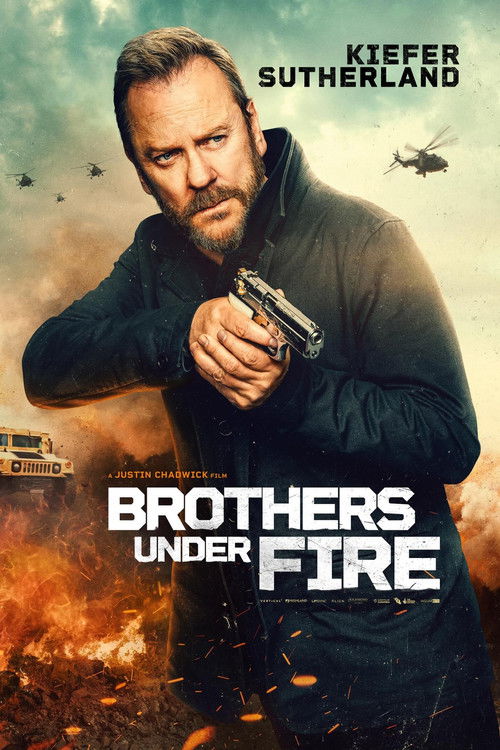
Brothers Under Fire
The cartel immediately escalates to murder and siege with no negotiation phase — violence is both the cartel's and the squad's primary language. The resolution is framed as an 'open warfare' tactical battle. Jordan's decisive asset is military combat expertise, not diplomacy. The story frames the outcome as 'justice' through force, with no reflection on whether violence was the right path.
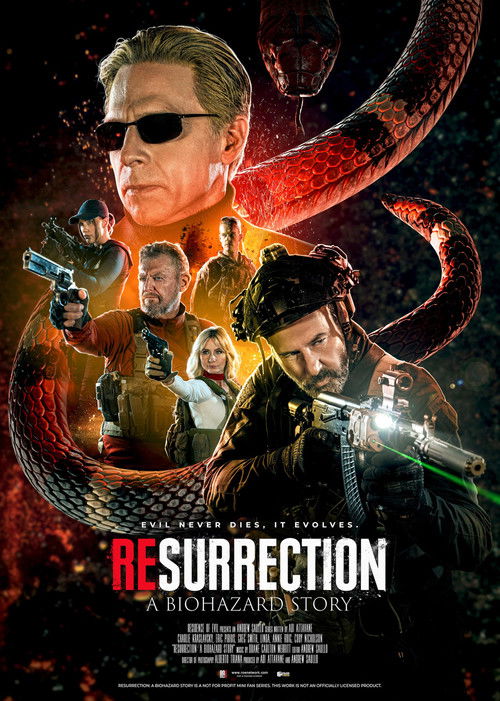
Resurrection: A Biohazard Story
The plot's endpoint is explicitly framed as a physical 'renewed confrontation' with Wesker, with no diplomatic resolution described or implied. The four protagonists are S.T.A.R.S. combat specialists — their defining capability is combat, not negotiation. The word 'forcing' in 'forcing a renewed confrontation' signals no non-violent off-ramp was available. Story does not question whether violence is appropriate.

The Seemingly Perfect Family
The plot resolves exclusively through physical violence. Non-violent alternatives are foreclosed once Daniel murders Chelsea and Blair and chains Lexi in the basement. The climax is a mid-flight struggle over Daniel's firearm that ends with Lexi shooting him. His subsequent arrest follows from that violent act. The story frames the shooting as straightforwardly necessary and victorious, with no interrogation of whether violence was the right approach.
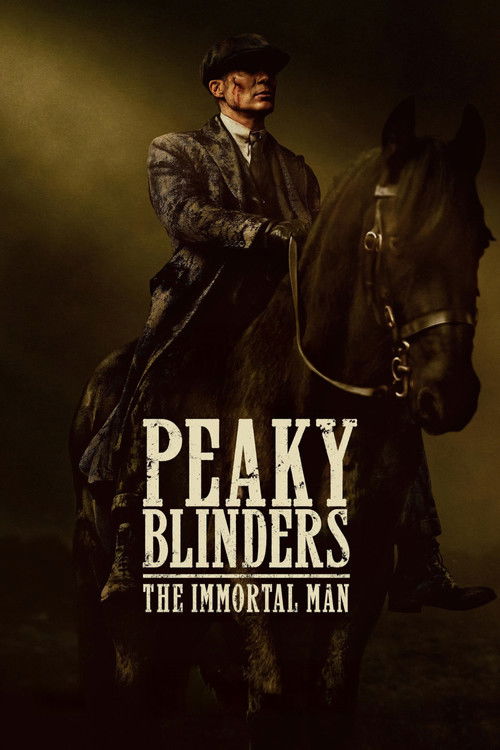
Peaky Blinders: The Immortal Man
Non-violent institutional channels are demonstrably ineffective: Ada, as a Member of Parliament, possesses evidence against Duke and is murdered for it. No diplomatic or legal mechanism is shown addressing the Nazi counterfeiting plot. The resolution is entirely kinetic — a coordinated paramilitary raid on the Liverpool docks, the destruction of the currency cache by force, and Tommy personally killing Beckett. The story does not frame this violence as troubling or in need of justification; Tommy's death in the raid is treated as heroic sacrifice.

Psycho Killer
The entire plot is resolved through Jane shooting the killer through the control room window. No negotiation is ever attempted with the Slasher — Jane's mode throughout is physical pursuit and force. The climax is an explicit violent act; the story presents it as unambiguously heroic and correct. Jane's primary skill set (cop, pursuer, shooter) is the decisive factor at every confrontation, including the motel standoff and the nuclear plant finale.
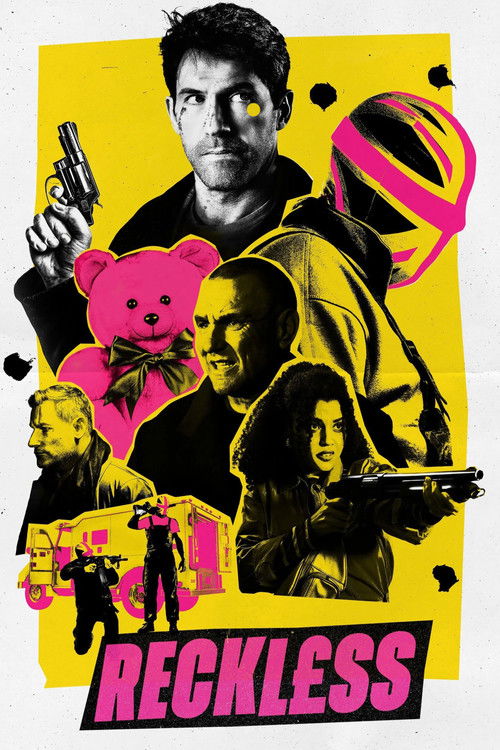
Reckless
Devon resolves every conflict through physical force: no negotiation is attempted with George, Toby, or Trent. His combat skill is the primary problem-solving tool throughout. The climax is a violent carousel confrontation. The story frames this approach as simply effective — Devon's violence never earns moral scrutiny.
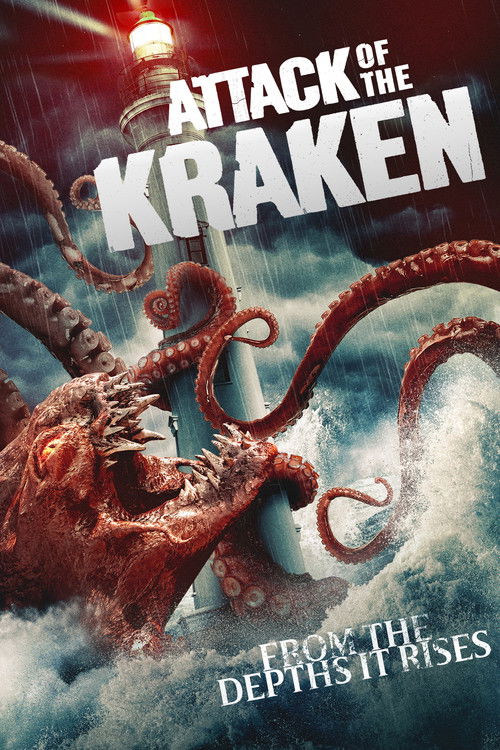
Attack of the Kraken
The plot culminates in a 'final desperate assault on the Kraken' — physical combat is the explicit resolution mechanism. No negotiation or non-violent alternatives are attempted or implied. Victory requires killing or overpowering the creature, and the story frames the assault as the only viable path to survival.
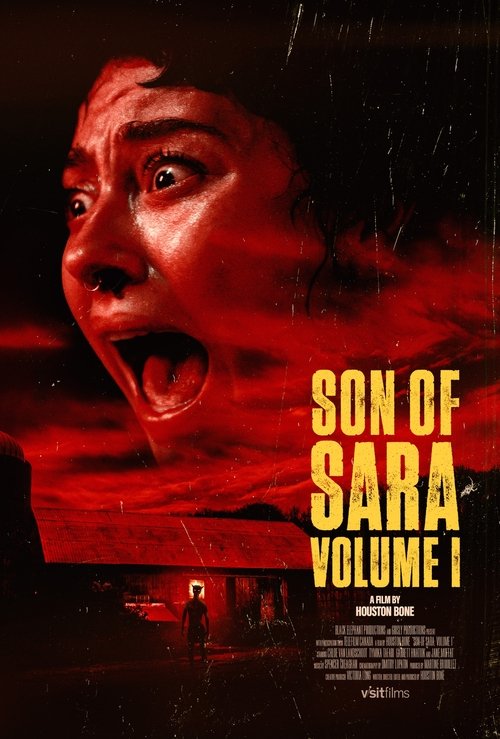
Son of Sara
The central conflict — the cult's determination to control Sara's birth — is resolved through a graphic violent confrontation rather than negotiation or escape. Non-violent options are never realistically available (Sara is trapped on a remote estate by a group with supernatural backing). The climax erupts into lethal force as Sara and Carol fight cult members directly. Two clear signals are present: the climax is explicitly a violent battle, and violence is the operative mechanism of the resolution. The deliberately ambiguous ending (Volume 1) keeps the signal count modest, as the outcome of that violence is not fully shown.
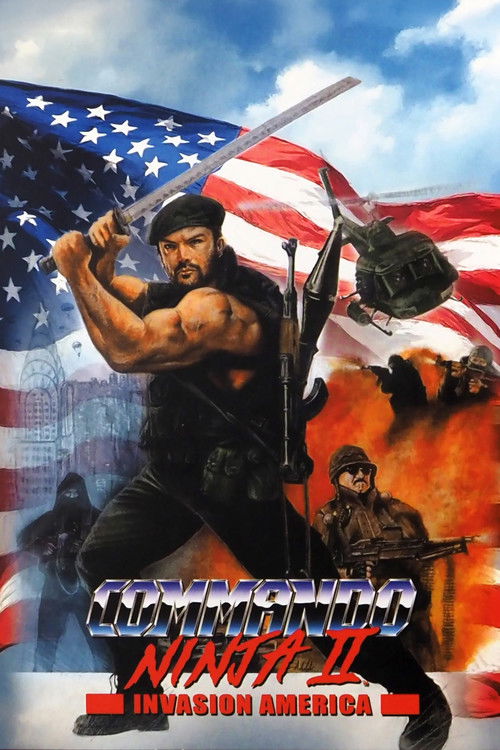
Commando Ninja 2: Invasion America
Hopkins immediately discards conventional government channels as useless — the only viable path is armed combat. The team fights through waves of troops, travels to Vietnam, and kills their way to the source. The climax is a violent confrontation, the heroes' defining skills are combat (Vietnam vet, cybernetic soldier), and the campy parody frame never questions whether violence was appropriate. All five signals present.
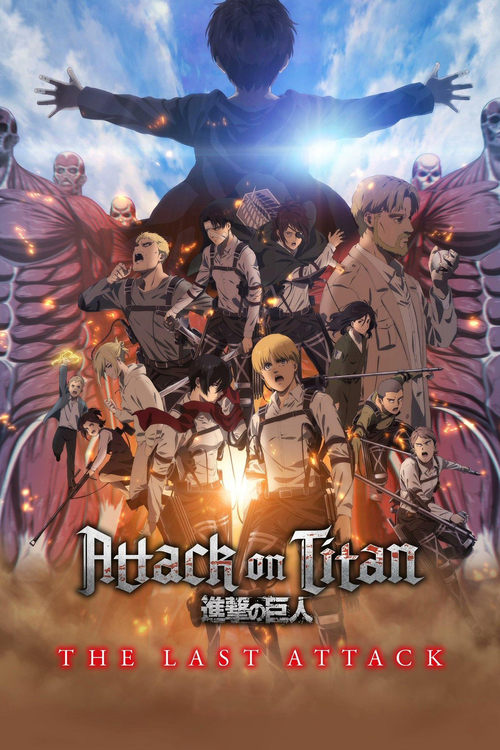
Attack on Titan: THE LAST ATTACK
The Rumbling is not stopped by negotiation or diplomacy — the Paths conversation with Eren does not halt the march of the Wall Titans. The plot is resolved when Mikasa severs Eren's head in direct physical combat. The climax is a battle, the decisive act is lethal force, and victory is achieved by physically defeating the antagonist. The story interrogates this emotionally but does not offer a non-violent alternative that works.

Til Death Do Us Part
The Bride's only path to freedom is lethal combat: she flees (non-violent) but is tracked down, foreclosing any negotiated exit. She then dispatches eight assassins one by one with 'lethal precision,' culminating in a physical one-on-one climax with the Groom. Her entire skill set is combat, victory is achieved by physically overpowering each antagonist, and the ending — dress destroyed, conflict resolved — frames violence as unambiguously successful liberation with no moral questioning.
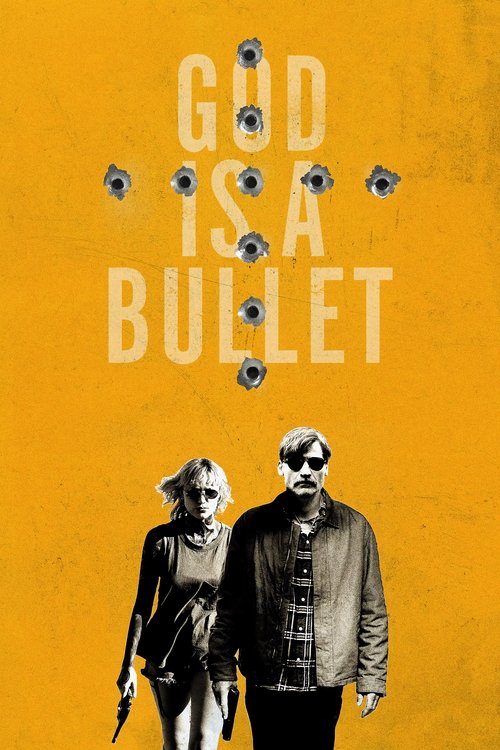
God Is a Bullet
The central conflict (Gabi's abduction) is introduced alongside a non-violent path (official investigation) that fails, prompting Bob to abandon it. Violence becomes the exclusive problem-solving tool: Bob kills cult associates to extract information, the climax is a brutal physical confrontation, Gabi herself must kill an attacker, and Case kills Cyrus. The story presents no moral reckoning over whether violence was appropriate—it is simply what worked.

Blade of the 47 Ronin
The entire conflict with Yurei is resolved through combat: the climax is a direct fight, Onami delivers the killing blow, Luna uses witch magic as a weapon to immobilize the villain. No negotiation is attempted or succeeds; the samurai council is massacred before it can act. Onami's identity as swordswoman is her primary function, and the story presents Yurei's death as unambiguous resolution without moral questioning.

The Fence
The central conflict (stolen motorbike) is pursued through street-level investigation, but this non-violent search does not recover the bike — it escalates into a direct confrontation with the local bullies and kingpin. The confrontation is the mechanism of resolution, the ending is feel-good rather than morally interrogative, and victory is achieved by the crew physically asserting dominance over the antagonists rather than through negotiation or institutional redress.
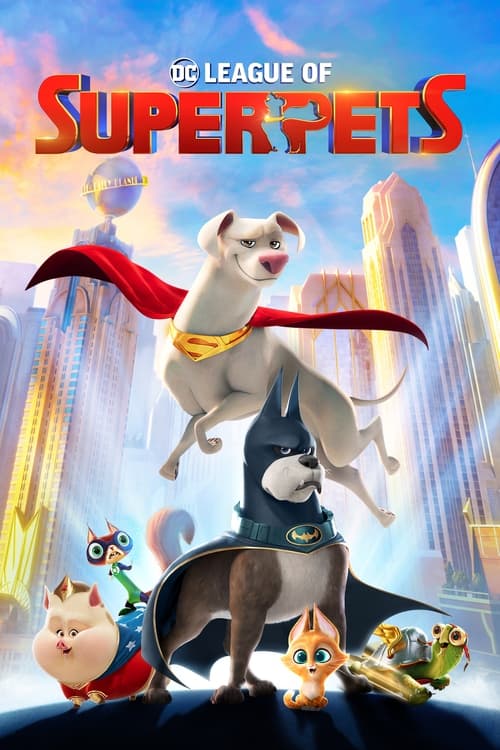
DC League of Super-Pets
The central conflict with Lulu is resolved entirely through physical combat — Krypto's 'Solar Paw Punch' defeats her after she transforms into a kaiju-sized monster. No negotiation or diplomatic approach is attempted against Lulu at any point. The heroes' primary tools throughout are superpowers used in combat (strength, speed, electrokinesis, size-shifting). Victory is achieved by physically overpowering the antagonist, and the story frames this as triumphant without questioning the approach.

Top Gun: Maverick
The central threat (uranium enrichment plant) is resolved entirely through aerial bombardment and dogfighting, not diplomacy or negotiation. The climax is a multi-stage violent sequence: the strike run, the SAM gauntlet, the F-14 escape dogfight, and the final rescue. Maverick's definitive skill set is combat aviation. The story never interrogates whether force was appropriate — military violence is the unquestioned solution from beginning to end.

Gunpowder Milkshake
The entire conflict resolves through lethal force: the bowling-alley exchange turns violent, the diner climax is an armed standoff ending in Sam and the women killing McAlister and his men. Sam's assassin skill is the decisive factor throughout. The story frames the outcome as triumphant without questioning whether violence was appropriate.

Seance
Investigation and séances (supernatural and rational approaches) fail to stop the killers. The plot resolves exclusively through lethal force: Camille stabs Bethany in the neck with a broken light bulb and decapitates Trevor with a falling bookshelf. The climax is a violent confrontation, victory is achieved by physically eliminating the antagonists, and the narrative presents no moral reservation about the killings.

Secret Obsession
Once Jennifer discovers her real husband's body and Ryan pursues her into the forest, there is no negotiation path — resolution comes entirely through lethal force. Jennifer wounds and then fatally shoots Ryan. The climax is a violent confrontation, victory is achieved by physically killing the antagonist, and the story frames the shooting as necessary self-defense with no moral questioning of whether violence was appropriate.
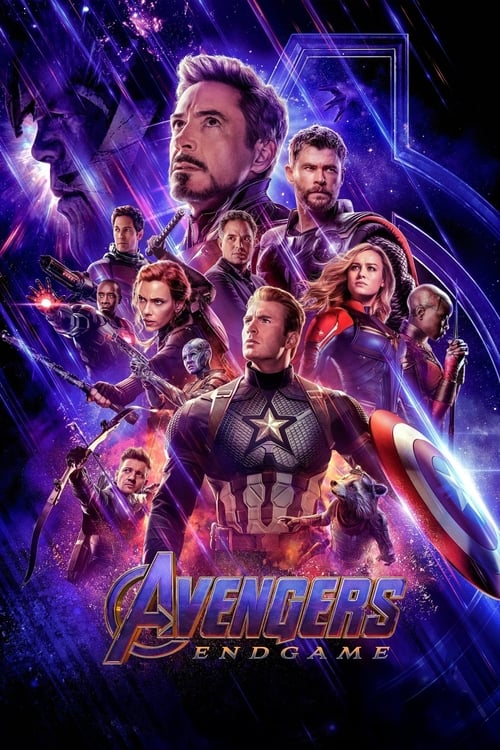
Avengers: Endgame
The climax is an all-out battle; the first peaceful attempt (using the existing Stones to reverse the snap) fails because Thanos destroyed them; there is no negotiation with 2014-Thanos; the heroes' primary problem-solving tool throughout is combat; victory comes when Tony physically wrestles the Stones away and snaps Thanos's entire army into dust; the story frames Tony's death as a sacrifice but does not question whether mass destruction was the right path.

The House with a Clock in Its Walls
All three core conditions are met: there is a clear central threat (the doomsday clock + Selena's ghost), a non-violent approach that fails (Jonathan and Florence searched for the hidden clock for years without success), and a climactic magical battle in the basement that resolves the plot. Signals: the climax is explicitly a 'magical battle' (signal 1); years of fruitless searching precede it as the failed non-violent approach (signal 2); victory is achieved by physically defeating the Izards (signal 4); the story does not pause to question whether fighting was the right choice — the forces of good prevail and the world is saved (signal 5).

Jumanji: Welcome to the Jungle
No negotiation with Van Pelt is attempted; physical confrontation is the only mode of engagement. The climax requires fighting through waves of mercenaries to reach the shrine. The avatars' primary capabilities are combat-oriented (Dr. Bravestone's strength, Ruby Roundhouse's fighting skills), and the narrative frames combat prowess as the decisive resource. The story does not interrogate whether violence was the right approach.
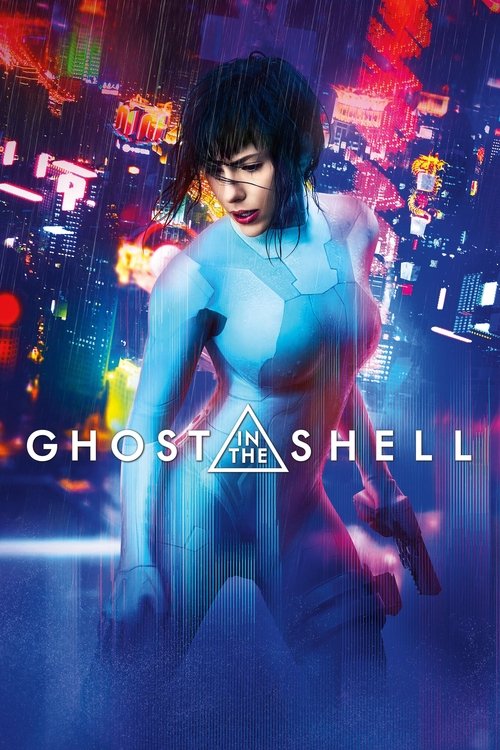
Ghost in the Shell
The central conflicts—stopping Kuze and dismantling Hanka—are both resolved through lethal force. The spider-tank battle is the physical climax; Aramaki personally executes Cutter. Earlier attempts at understanding (Major's conversations with Kuze) do not resolve the plot—the shooting does. The Major's primary narrative function is as a combat operative, and her fighting ability is the decisive factor at every turning point.
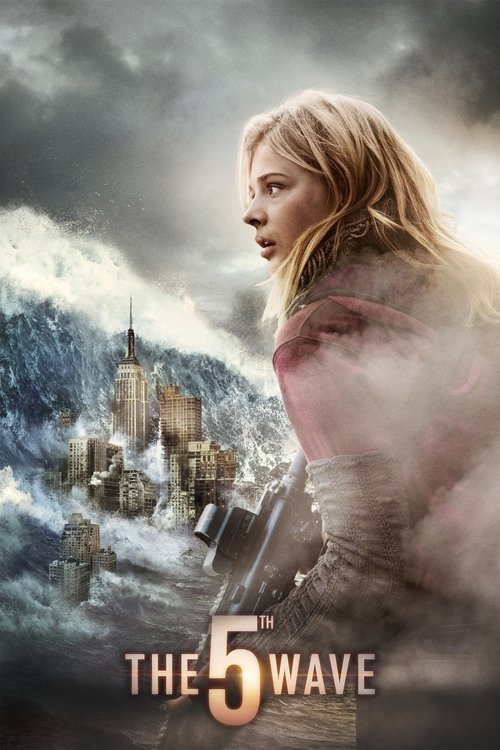
The 5th Wave
No negotiation with the Others is possible or attempted; the conflict is resolved entirely through combat. Evan detonates explosives throughout the base, Cassie kills Sergeant Reznik, and Ben fights his way out with Sam. Violence is the decisive and unquestioned mechanism of resolution.
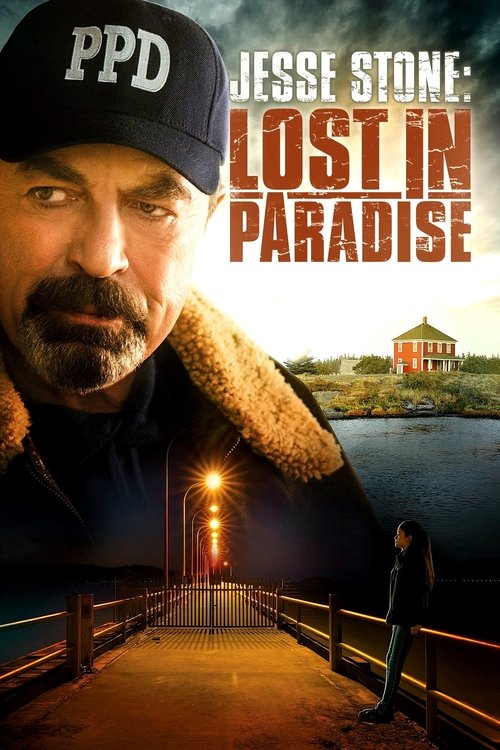
Jesse Stone: Lost in Paradise
The plot resolves through lethal force: Stone fatally shoots Leary at the café after Leary threatens the key witness Amelia Hope, closing the case. The verbal confrontation immediately escalates to gunfire with no negotiated resolution. The film then closes on a note of quiet peace, framing the shooting as the correct and sufficient conclusion rather than questioning it.
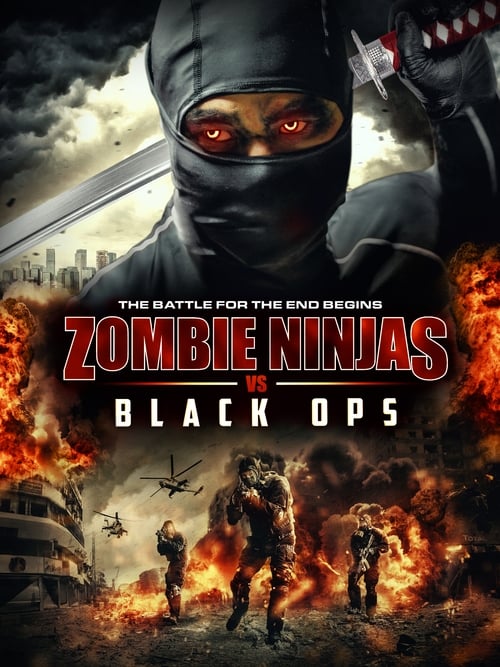
Zombie Ninjas vs Black Ops
The plot resolves through a 'violent showdown inside the high-rise' culminating in Dillon and survivors physically confronting the zombie ninja commander — no negotiation or systemic remedy is available. Dillon's defining credential is combat skill ('former tactical military operative'). The climax is won by defeating the antagonist physically, and the film frames this as the only viable path. No moral questioning of the violence is indicated.
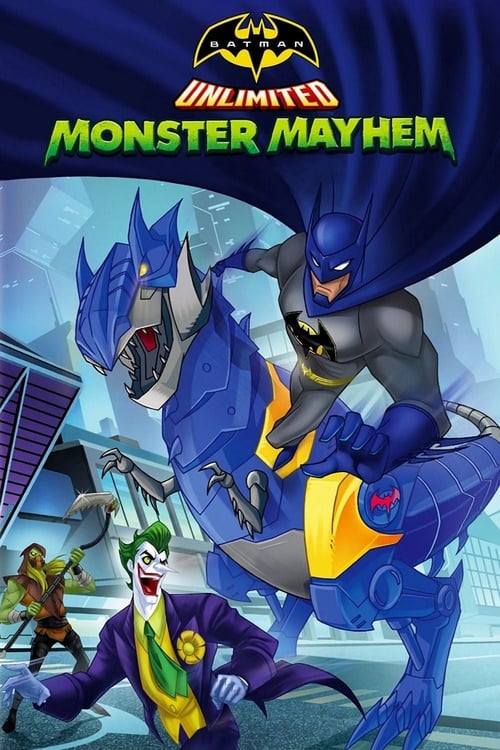
Batman Unlimited: Monster Mayhem
The central conflict — Joker's virus seizing Gotham's technology — is resolved entirely through physical confrontation: Batman battles Joker in cyberspace while Cyborg short-circuits his mechanized suit, sending him into the sea. No negotiation or non-violent resolution is attempted at any point. The climax is explicitly a fight, Batman's decisive action is combat in the virtual world, and the story frames the heroes' victory through force without questioning it.
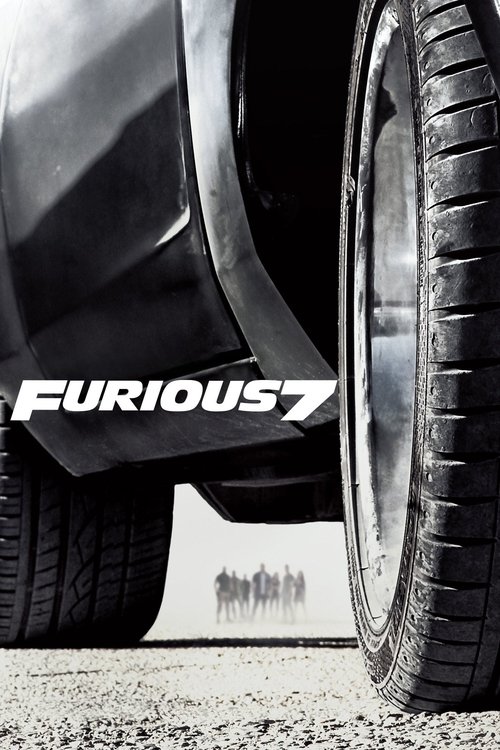
Furious 7
Every major conflict is resolved by physical force. Dom and Deckard's showdown is hand-to-hand combat in a parking garage. Jakande is killed by a grenade launcher round. Dom drives his car into a helicopter as the decisive climactic act. No negotiation or institutional solution is meaningfully attempted. The story frames violence as both heroic and effective without question.
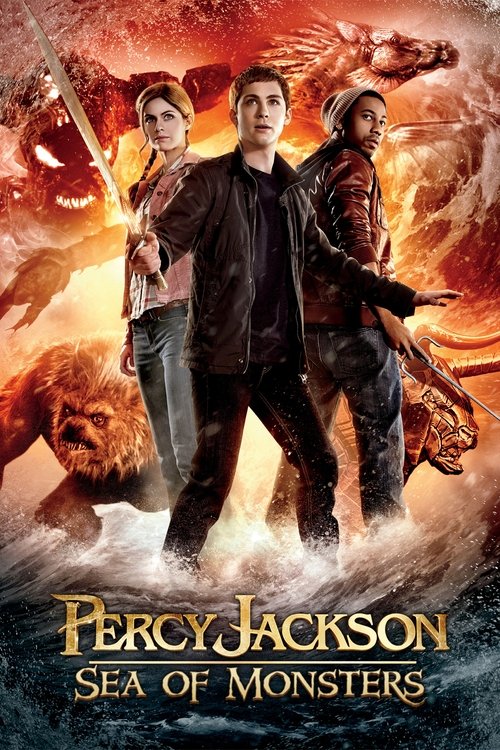
Percy Jackson: Sea of Monsters
Every major conflict is resolved through physical force: Percy and crew fight their way out of Luke's ship, ignite Charybdis's stomach to escape, and battle Polyphemus on his island. No negotiation is attempted with Luke after his plan is revealed; Percy uses the magic box to escape, not to bargain. Combat ability is the group's primary problem-solving tool throughout, and violence is consistently framed as heroic and effective without moral questioning.
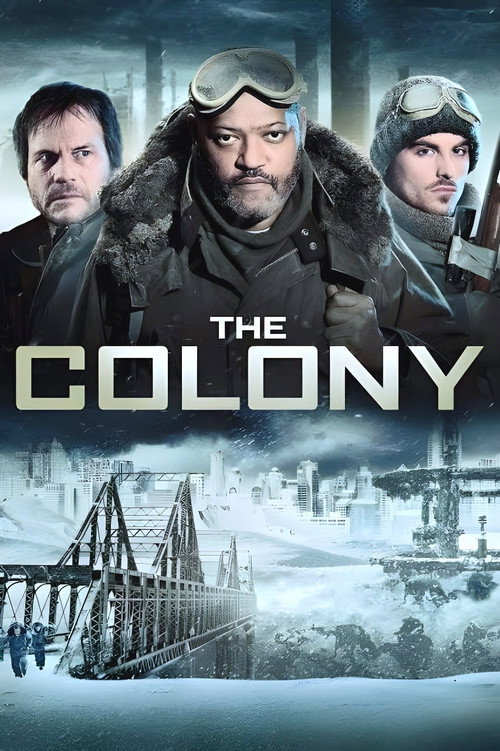
The Colony
No negotiation with the cannibals is attempted or possible. The plot resolves through successive acts of lethal force: Briggs blows the bridge with dynamite (sacrificing himself), Mason detonates a propane tank killing most of the horde, and Sam kills the cannibals' leader. The story treats violence as the only viable answer and does not interrogate that framing.
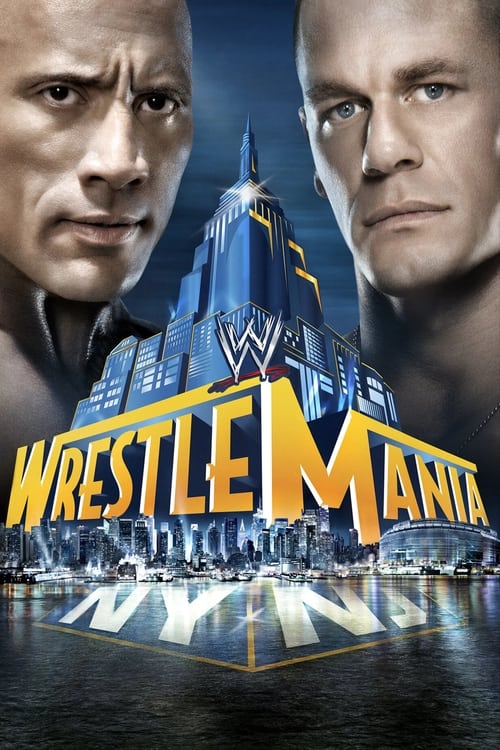
WWE WrestleMania 29
Every conflict on the card is resolved exclusively through physical combat — pinfall, submission, or knockout. No match involves negotiation or diplomacy; the wrestlers' only problem-solving tool is combat ability. All six main-card bouts (Shield vs. Orton/Show/Sheamus, Undertaker vs. Punk, Triple H vs. Lesnar, Cena vs. Rock, etc.) reach their climax via a decisive physical move (Tombstone, Pedigree, Attitude Adjustment). The narrative never interrogates whether violence is the appropriate means — victories are uniformly celebrated.

The Hobbit: An Unexpected Journey
Every major threat in the film is resolved through violence: Gandalf uses sunlight to destroy the trolls, kills the Great Goblin, and the Eagles disperse the warg-riders. The climax is Bilbo and Thorin fighting Azog's orcs directly. Diplomatic alternatives fail (Thranduil refuses aid, Saruman forbids the quest) and the story never questions whether combat was the right approach.
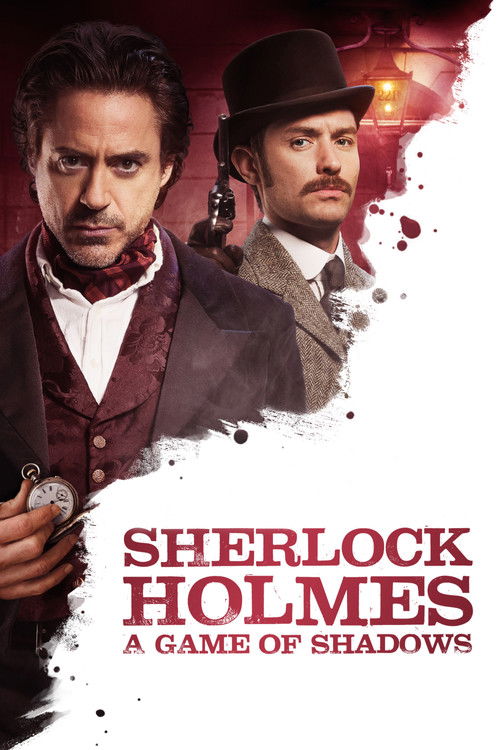
Sherlock Holmes: A Game of Shadows
The climactic confrontation is physical: Holmes drags Moriarty off the Reichenbach Falls balcony rather than resolving their standoff by reason. Watson uses a cannon to destroy Moran's watchtower; Simza intervenes physically to stop René. The face-to-face chess meeting and the peace summit both fail to neutralise the threat — only violence ends it. The story does not question Holmes's fatal choice.
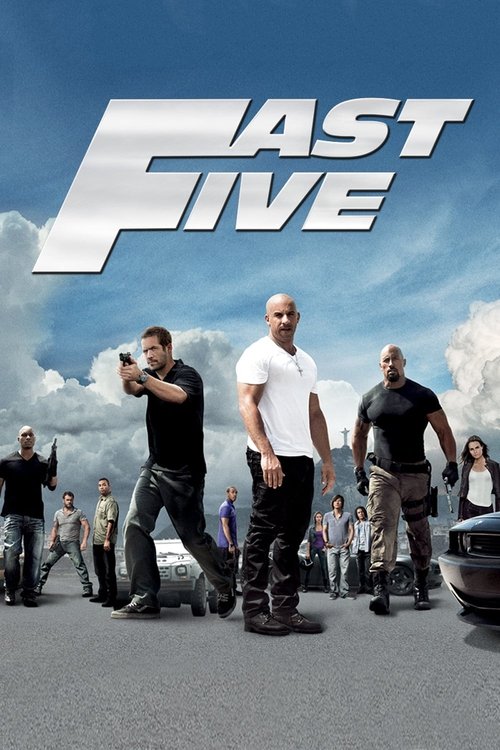
Fast Five
Every resolution beat is physical: the prison-bus ambush frees Dom, a train heist kicks off the conflict, and the climax is an extended car chase through Rio with a multi-ton vault used as a wrecking ball. Hobbs executes the wounded Reyes rather than arresting him. Hiding and running fail early; the crew explicitly chooses an audacious physical strike as the only viable solution. The film celebrates rather than interrogates this escalating violence.

The Last Airbender
No negotiation with the Fire Nation is attempted or shown to be viable. Every major plot resolution — expelling occupiers from the Earth Kingdom village, rescuing Aang from Zhao's prison, defeating the fleet — is achieved through bending combat. The climax is Aang physically destroying an armada. The story does not question whether violence was the right choice.

Lockjaw: Rise of the Kulev Serpent
No negotiation or non-violent recourse is attempted at any point; Alan goes directly from grief to summoning a lethal supernatural creature. The plot's entire engine is physical destruction — the serpent killing the college group sequentially. Nick Kirabo's value is explicitly his combat expertise (Army Special Ops, expert hunter). Resolution is framed as defeating the serpent through force, not dialogue or systemic remedy.
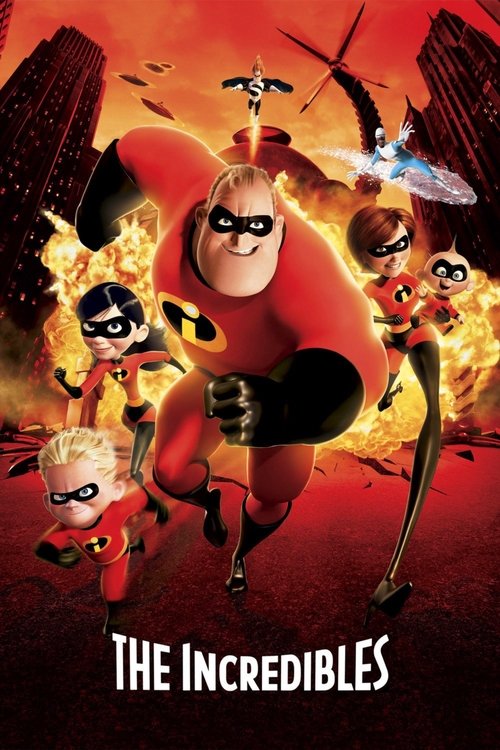
The Incredibles
Every threat—Syndrome's island operations, the Omnidroid's city rampage, Jack-Jack's kidnapping—is resolved through physical combat. The climax is an extended street battle; Bob destroys the robot by ripping out its power core and kills Syndrome by hurling a car into his jet's engine. No negotiation is attempted or succeeds at any point.

Jimmy Neutron: Boy Genius
No diplomatic option is attempted — the children go directly to rescue by force. The climax is a physical assault on the colosseum, freeing parents from mind-control helmets, and Jimmy using the shrink ray to destroy the pursuing warship. The threat is neutralized through physical destruction, and the story does not question this approach.
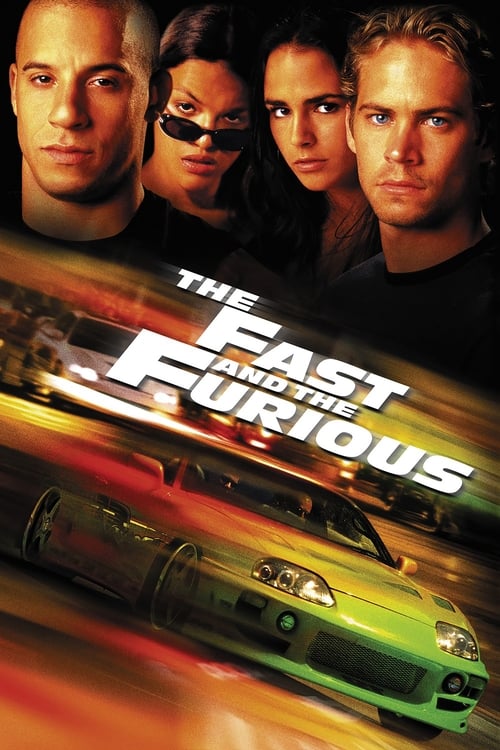
The Fast and the Furious
The undercover investigation and misdirected sting operation both fail to resolve the hijackings. The climax is resolved entirely through violence: Brian shoots Tran, Dom runs Lance off the road, and the final confrontation is a drag race ending in a crash. The story never questions whether the killing and destruction were justified.
Gangland
The central conflicts — gang tyranny and a species-ending virus — are both resolved through physical combat, not negotiation or systemic reform. The three heroes are defined by martial skills (former soldier, two expert martial artists). No diplomatic option is attempted or available. The climax is battling through the Ganglanders to defeat Lucifer. The story treats violence as the self-evident correct solution.

Scary Movie
The central threat (the Ghostface killer) is resolved when Cindy defeats him with Matrix-style martial arts, kicking him out a window. Non-violent survival strategies (running, hiding, fleeing the house) fail repeatedly as the body count rises. The climax is explicitly a physical fight; Cindy's combat moves are the decisive factor; the kill is framed as triumphant parody rather than questioned; and victory is achieved by physically overpowering the antagonist.
Event Horizon
The plot resolves when Miller detonates explosives to destroy the bow section housing the gravity drive. The narration explicitly notes he had 'no other way' to stop the countdown, confirming non-violent alternatives were exhausted. Physical destruction seals the rift and neutralizes the threat. Miller's sacrifice is framed as unambiguously heroic, with no narrative questioning of whether lethal force was the right choice.

Ice Cream Man
The central threat (Gregory's kidnappings and murders) is never resolved by negotiation or institutional intervention. The climax is explicitly violent: Small Paul manipulates Gregory into an industrial mixer where he is dismembered. Earlier non-violent approaches (children reporting to police) fail. Victory is achieved solely by physically destroying the antagonist, and the narrative does not frame this as morally questionable.
Signal One
The drug-syndicate investigation culminates in a graphic violent confrontation aboard a ship in Sydney Harbour — physical force, not negotiation or legal process, resolves the case. The investigative (non-violent) phase fails to produce a clean resolution and gives way to the action climax. Victory is achieved by overpowering the antagonists directly. As a genre action thriller, the film presents no moral interrogation of this approach.
Cliffhanger
Every conflict is resolved through lethal physical force: Gabe kills Kynette in hand-to-hand combat, kills Travers with climbing equipment in an ice cave, and destroys Qualen's helicopter to send him into the abyss. The climax is a direct violent confrontation on a cliff edge. The story frames each kill as earned heroism with no moral ambiguity or questioning of the approach.

The Crush
Nick's non-violent attempts to resolve the threat all fail — he tries distancing himself, pursuing Amy, and directly confronting Adrian — each escalating her retaliation rather than defusing it. The climax is an explicit physical confrontation at the Forrester house where Nick subdues Adrian bodily, which directly triggers her psychiatric commitment. The story frames this physical overpowering as the necessary and sufficient act to end the immediate threat, without questioning whether violence was appropriate.
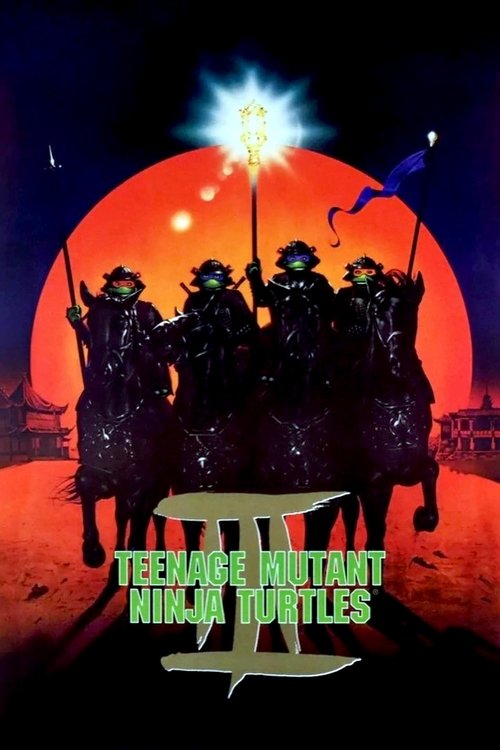
Teenage Mutant Ninja Turtles III
The central conflict (Norinaga's tyranny amplified by Walker's weapons deal) is resolved entirely through physical combat. The Turtles' primary capability is fighting; Leonardo defeats Norinaga in single combat; Walker is killed by catapult. Kenshin's pacifism is framed as a failure that dishonors his family, while the Turtles' martial intervention succeeds. The story never questions whether violence was the right approach.
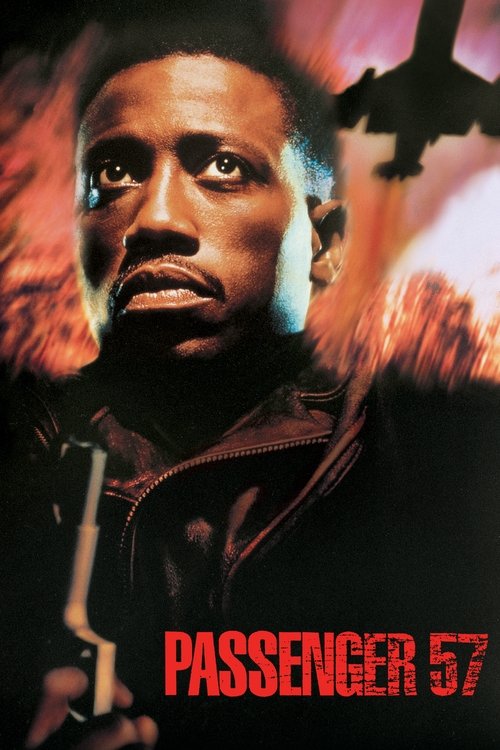
Passenger 57
The central conflict is resolved when Cutter physically kicks Rane through an open aircraft door to his death. Negotiations (Rane's staged hostage release, sheriff dealings) are deceptive diversions that fail. Cutter's primary asset is combat skill (self-defense instructor, hands-on fighter). The villain is killed rather than arrested, and the story does not interrogate whether lethal force was appropriate.
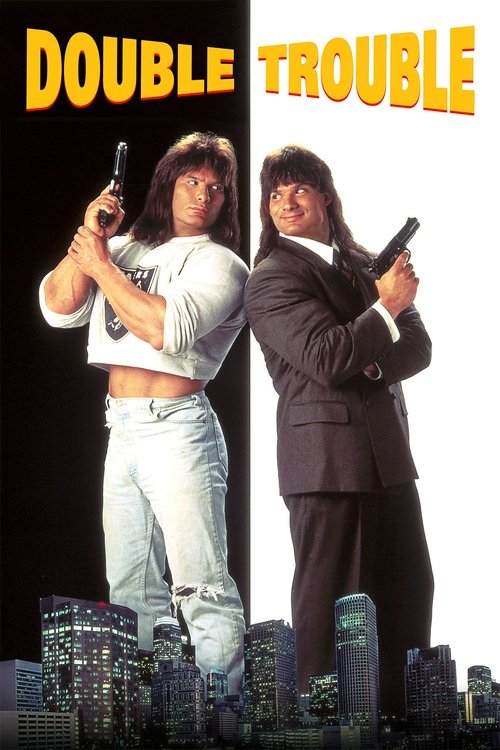
Double Trouble
The central conflict (Chamberlain's syndicate holding the second circuit board and hunting the brothers) is resolved entirely through physical confrontation. The plot never depicts negotiation or systemic recourse; instead, it explicitly credits the brothers' 'shared muscle' as what allows them to dismantle the operation. The climax is a violent takedown of Chamberlain's organization. Peter's street cunning and David's law enforcement skills are both framed as combat/tactical assets, not diplomatic ones. The action-comedy genre framing means violence is never questioned as the appropriate solution.

The Last Boy Scout
The climax is a violent stadium confrontation: Milo is killed by a police helicopter and Marcone is killed when he opens the rigged briefcase. Non-violent paths (gathering evidence, exposing the tape) are rendered impossible once Joe is framed for murder. Joe's primary value to the plot is his combat and field experience. The story closes with reconciliation and partnership — no moral reckoning over the lethal resolution. Signals met: violent climax, prior investigative approach foreclosed by being framed, hero's decisive skill is physical, antagonists defeated lethally, violence not interrogated.
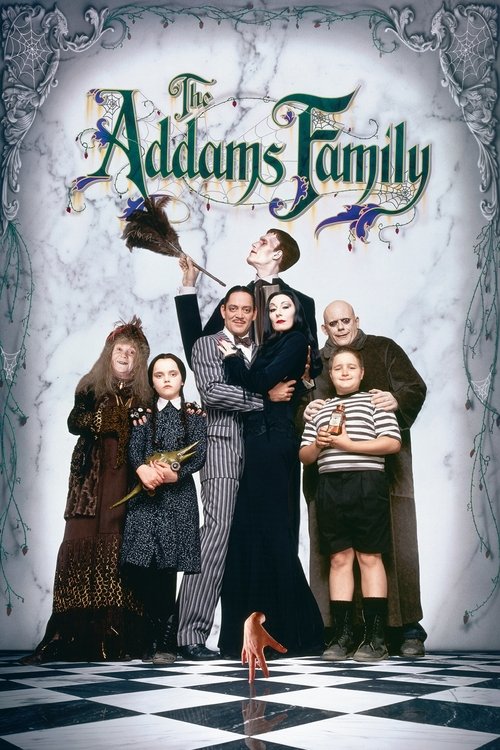
The Addams Family
Non-violent and institutional approaches all fail: the legal system is corrupted against the family, and their attempt to return home results in Morticia's capture. The plot resolves when Gordon channels a mysterious destructive force that physically destroys Abigail and the conspirators. The climax is a violent/supernatural confrontation, victory is achieved by overpowering the antagonists, and the story frames this as satisfying rather than troubling.
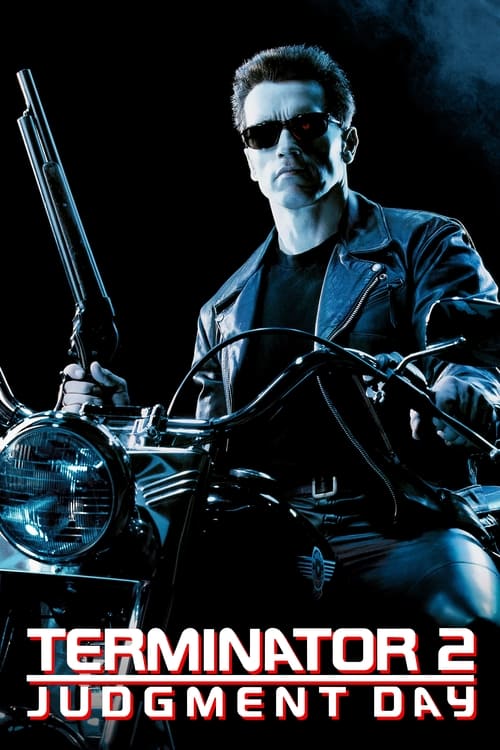
Terminator 2: Judgment Day
The threat (T-1000) is structurally non-negotiable; the climax is a sustained violent confrontation at the steel mill foundry; the T-800's combat capability is the sole mechanism of resolution; victory is achieved by physically destroying the antagonist in molten steel. The narrative frames no alternative path.

The Silence of the Lambs
The central conflict—rescuing Catherine and stopping Buffalo Bill—is resolved when Clarice shoots Gumb in the darkened basement. Non-violent approaches failed: Lecter's 'profile' was deliberately false, and the FBI's investigative effort stalled. The climax is an armed confrontation; victory is achieved by physically killing the antagonist. The film presents the killing as necessary and does not interrogate whether violence was the right choice.
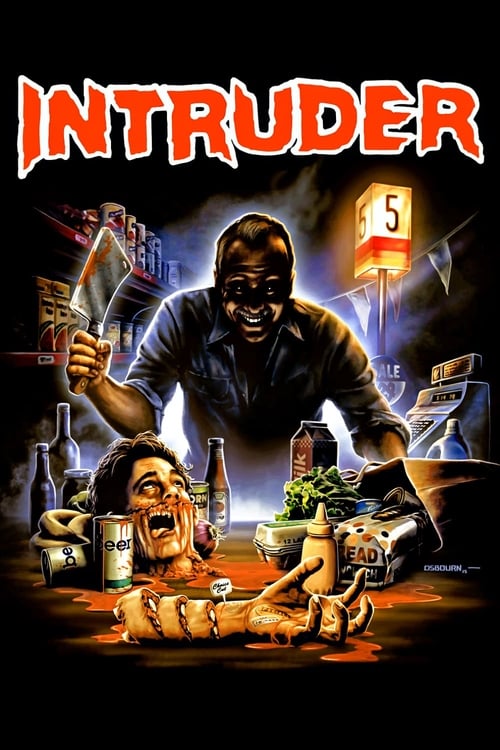
Intruder
Negotiation or escape is impossible against a murderous killer in a locked store; the climax is a direct physical confrontation — Craig wielding a meat cleaver against Bill. Violence is the only operative tool for survival, the story never moralizes about it, and apparent victory over Bill comes through physical overpowering rather than any systemic or diplomatic solution.

I Saw What You Did
The central threat (Adrian hunting Kim) is resolved exclusively through physical violence: the family dog attacks Adrian, knocking him into the flames where he dies. Non-violent approaches all fail — Kim flees but leaves her purse behind, giving Adrian her address; the police are alerted by Stephen but cannot stop Adrian before he reaches the house. The climax is a violent confrontation, the antagonist is killed physically, and the story frames his death as the only escape without questioning whether violence was appropriate.
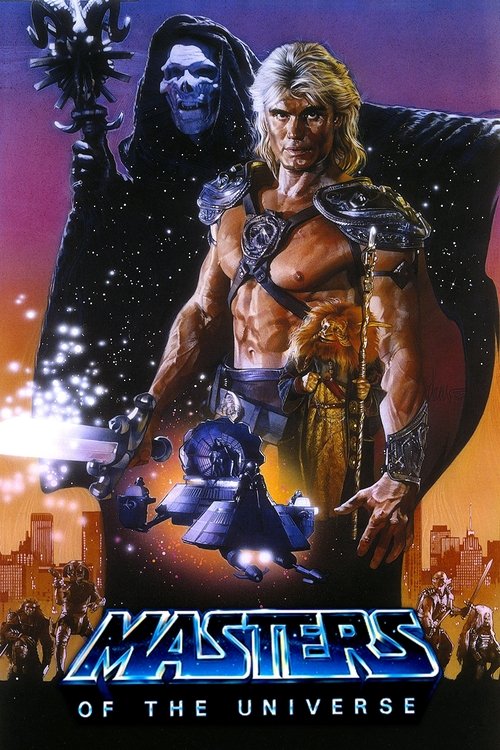
Masters of the Universe
The climax is a direct sword duel; He-Man shatters Skeletor's staff and Skeletor plunges into a pit. No negotiation or diplomatic resolution is attempted at any point — He-Man's combat prowess is his primary problem-solving tool throughout. Skeletor even responds to a mercy offer with a concealed blade, confirming that only force settles the conflict. The story frames this as straightforwardly correct with no moral questioning.
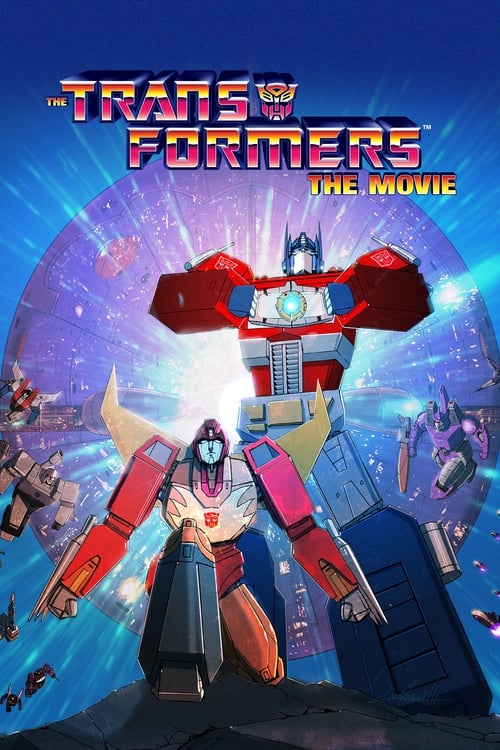
The Transformers: The Movie
Every conflict from the shuttle ambush to the finale is resolved through combat; diplomacy is never attempted against Unicron or the Decepticons; Hot Rod's combat prowess is his defining trait; Galvatron is physically hurled into space and Unicron is destroyed by the Matrix energy wave; the story frames none of this violence as morally complicated.

He-Man and She-Ra: The Secret of the Sword
He-Man and She-Ra's combat abilities are the primary problem-solving tool throughout. No diplomacy with the Horde is attempted; the climax is the physical liberation of Bright Moon. The story never questions whether violence was appropriate. Skeletor and Hordak are both defeated physically by She-Ra.
Supergirl
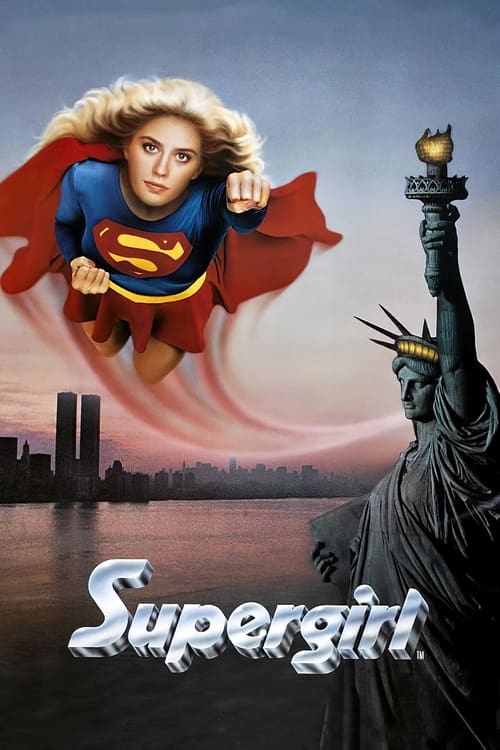
No negotiation with Selena is ever attempted; the climax is an outright superpowered battle in which Supergirl uses a focused whirlwind to physically trap and destroy her. Kara's primary problem-solving tool throughout is her Kryptonian combat ability. Victory is achieved by physically overpowering the antagonist and sealing her away, and the film never raises any question about whether this was the right approach.
Robin and Marian
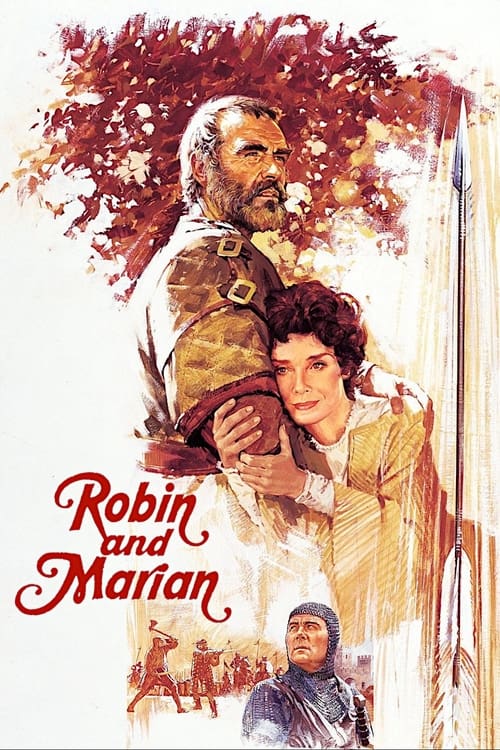
The immediate central conflict—the Sheriff's threat to Marian and the nuns—is resolved entirely through physical force. Robin rescues the nuns by armed intervention; no negotiation is attempted. The plot climax is single combat with the Sheriff, which Robin wins by killing him. Robin's defining capability throughout is his martial skill. The story does not present a non-violent path that fails; combat is simply the operative solution.

Phantom of the Paradise
Winslow's legitimate attempt to reclaim his stolen work is met with violence and imprisonment — diplomacy and legal recourse are not just unavailable but weaponized against him. The climax is entirely violent: Winslow destroys the aging tape, intercepts an assassin, and fatally stabs Swan. Swan's death is the mechanism that breaks the Faustian pact and ends the threat to Phoenix. Three signals confirmed: the legitimate approach failed first, the climax is a violent confrontation, and the antagonist is defeated by being physically killed.
Diamonds Are Forever
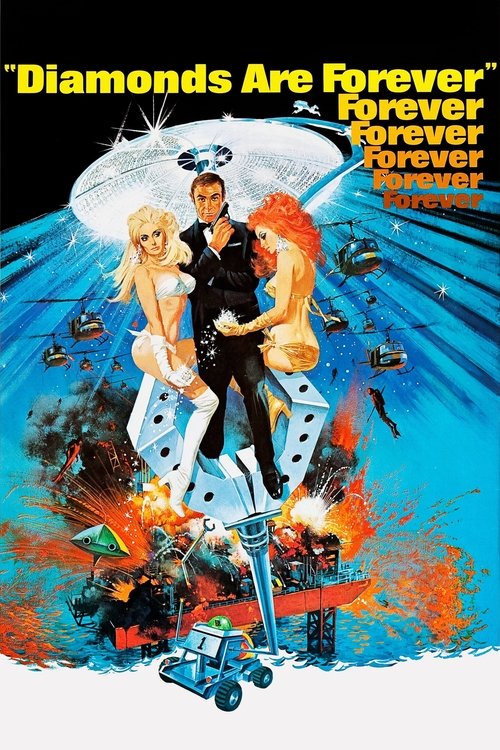
The central threat (nuclear satellite blackmail) is resolved entirely through physical destruction: Bond commandeers a crane to use Blofeld's midget sub as a battering ram to demolish the control room, the CIA launches a helicopter assault, and Wint and Kidd are killed in direct combat. No negotiation with Blofeld is attempted or succeeds. Bond's primary problem-solving tool throughout is combat and physical tradecraft. The story frames the demolition of the rig as unambiguous victory with no moral questioning of the violence.
The Third Man
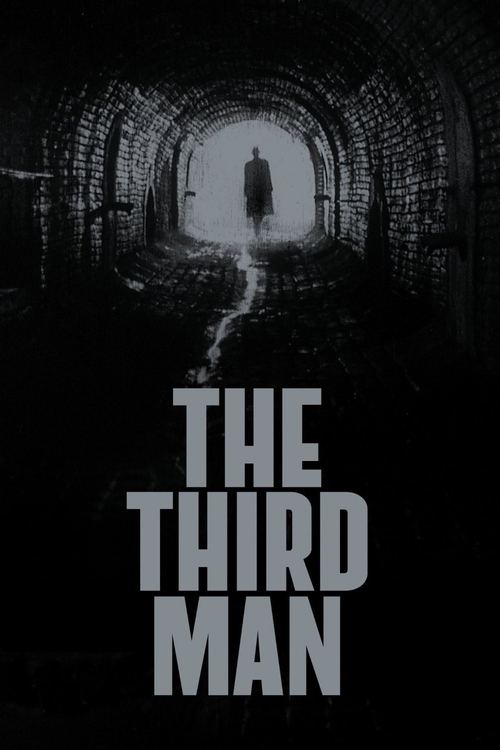
The Ferris wheel meeting ends not in Lime's surrender but in a casual invitation to join the racket. The planned sting collapses when Anna warns Lime. Both non-violent avenues fail. Resolution comes entirely through the sewer chase and Martins shooting Lime dead. Lime's barely perceptible nod frames the killing as necessary and merciful rather than morally contested, and the narrative does not revisit whether lethal force was the right choice.

The Sun Never Sets
The central threat — Zurof's global-domination radio scheme — is resolved entirely through lethal force: John's infiltration sets up a military bombing raid that kills Zurof and destroys his compound. No negotiation or diplomatic avenue is attempted or depicted as viable. The climax is an air assault. The story presents no moral hesitation about the violence used.
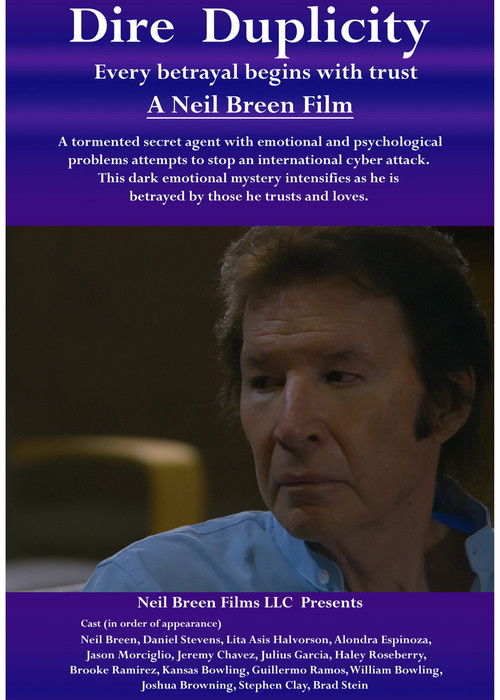
Dire Duplicity
The climax is explicitly a violent aerial combat sequence in an F-14 fighter jet that neutralizes the remaining antagonists and stops the cyber threat. No negotiation, diplomatic, or non-violent resolution is mentioned or attempted. The protagonist is introduced as a hitman — combat is his primary mode of problem-solving throughout — and the story does not interrogate whether violence was the appropriate response. Victory is achieved by physically defeating opponents, not by dismantling or countering the cyber attack through technical means.