Movie
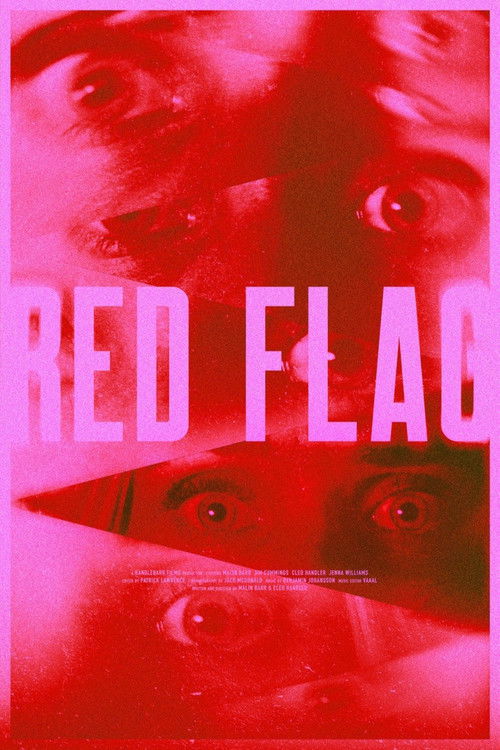
Red Flag
Narrative tropes
Good Intentions, Terrible Results
mediumThe film explicitly operates as a cautionary tale about how well-intentioned self-protection can lead to monstrous transformation. (1) The protagonist's motivations are deeply sympathetic — trauma-informed hypervigilance after escaping a dysfunctional relationship. (2) Her literal interpretation of 'red flags' is internally consistent logic that leads to frightening outcomes (her paranoia transforms her into a frightening version of herself). (3) The film frames certainty of being right as itself dangerous, blurring rational caution with dangerous paranoia — directly matching G1's core warning that 'the scariest antagonists think they're saving the world.' Supporting signals: her goals are understandable/reasonable (signal 1); the friends' opposing 'love vs. fear' debate mirrors the ends-justify-means tension (signal 3); her paranoid logic is internally consistent yet morally/psychologically horrifying (signal 4).
About this trope: A villain — or sometimes a hero — genuinely believes they are doing the right thing, but their well-meaning plan leads to monstrous outcomes. The scariest antagonists think they're saving the world.
Movies that share these tropes
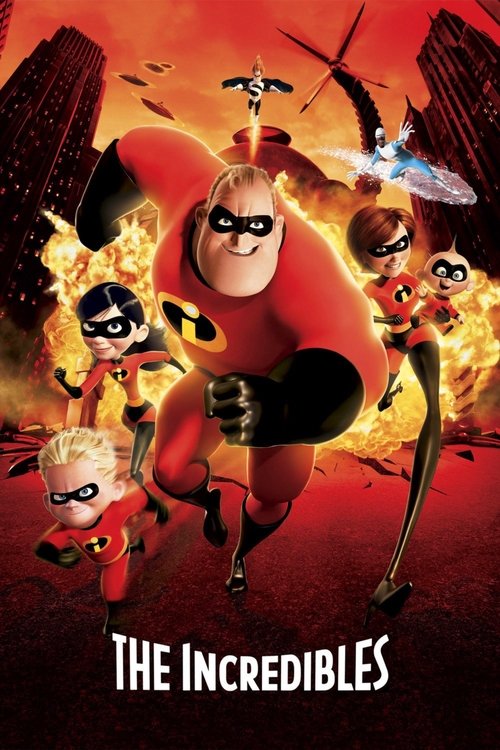

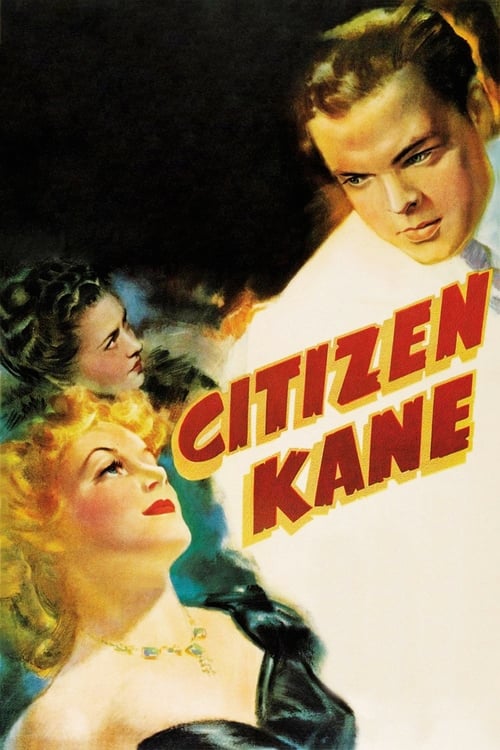
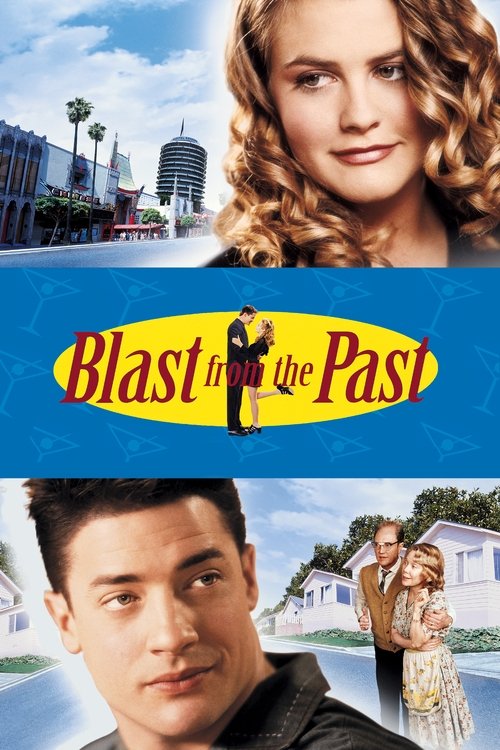
Full plot (spoilers)
Red Flag is a 12-minute romantic horror-comedy short film. A newly-single woman has just escaped a dysfunctional relationship and is gingerly re-entering the dating world. Her friends introduce her to the concept of 'red flags' — warning signs of problematic behavior in potential partners — and gift her a literal red flag as a symbol of that advice. The protagonist, however, interprets the concept far too literally. Despite her friends' contrasting opinions on whether she should dive back into dating (the friends embody opposing perspectives on love and fear), she accepts a first date with a man whose invitation takes her to a remote cabin in the woods. The date quickly shifts from awkward romantic-comedy territory into something darker and more threatening, as genuine survival instincts kick in. The film starts as a grounded, playful feminist commentary on modern dating anxieties and then deliberately subverts audience expectations by escalating into thriller-horror territory, suggesting the protagonist's unresolved trauma and hyper-vigilance may be both warranted and distorting — blurring the line between rational caution and dangerous paranoia. The directors frame the story as a cautionary tale about how fear and pain can obscure judgment and transform people into frightening versions of themselves.
Sources: TMDb, Letterboxd, Blazing Minds (director interview)