Movie
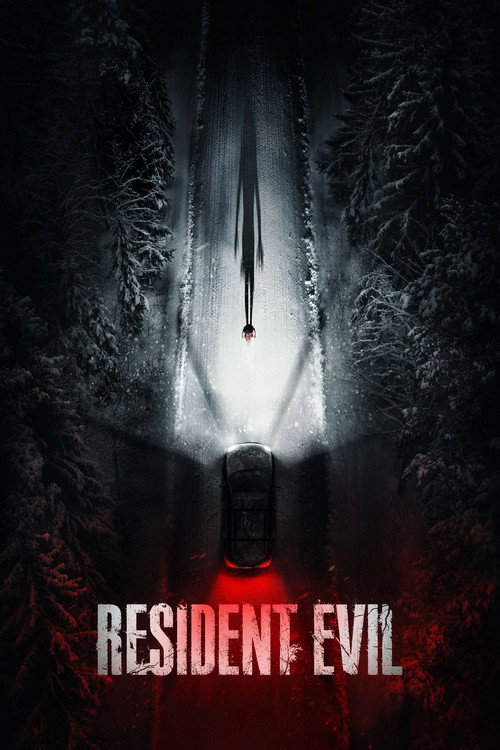
Resident Evil
Narrative tropes
Violence Gets Results
highViolence is the sole problem-solving mechanism throughout: Bryan escalates from handgun to shotgun to MP5 as he fights point-to-point through zombie-infested environments. Non-violent options are structurally absent (zombies cannot be negotiated with). The climax is an explicit violent battle through Raccoon City's collapse. The story never questions whether killing is the right approach — it is simply the only approach.
About this trope: The central conflict is ultimately resolved through physical force rather than negotiation, diplomacy, or systemic change. Talking fails; fighting works.
Humans Never Give Up
mediumThe entire film is structured around survival against objectively hopeless odds: stranded alone, car disabled, surrounded by a city-wide zombie catastrophe. Bryan refuses to stop — progressively pushing through each deadly environment rather than surrendering. The impending fatherhood functions as the irrational but motivating hope that persists when logic cannot justify continuing. Resilience against impossible odds is the central narrative arc.
About this trope: Facing impossible odds, humans endure, adapt, and find reasons to keep going. Resilience and refusal to surrender is humanity's defining and most admirable trait.
Man-Made Monsters
mediumUmbrella Corporation is the identifiable corporate creator of the T-virus — an engineered biological agent that crosses the natural boundary between life and death by reanimating corpses into mutated attackers. The outbreak represents a creation that has entirely escaped its creator's control, devastating Raccoon City. Both core signals are present (identifiable creator; uncontrolled, destructive creation), though the man-made-monster theme functions as world-building backdrop rather than active narrative focus.
About this trope: A creator uses science to overstep natural boundaries — creating life, resurrecting the dead, engineering organisms, or fundamentally altering nature — and the creation turns destructive.
Movies that share these tropes


Full plot (spoilers)
Bryan is a medical courier quietly struggling with the sudden news that his girlfriend is unexpectedly pregnant when he accepts a last-minute job to transport a mysterious package to Raccoon City General Hospital. Driving treacherous, snow-covered mountain roads on a dark night, he strikes a woman who wanders into his path. Not recognizing her as one of the infected, he loads her into his car and flags down a police officer for help. The officer agrees to escort Bryan to his destination, but the journey ends violently — their vehicle crashes, the officer is killed, and the woman attacks Bryan, revealing her true nature as a zombie. Bryan kills her with the officer's gun, but the struggle leaves his car engine disabled. Stranded, he begins walking toward a farmhouse in the distance. From there the film follows a video-game-structured progression: Bryan moves point-to-point through increasingly deadly environments on the outskirts of and inside Raccoon City, which is in the grip of a catastrophic Umbrella Corporation T-virus outbreak. Each location presents a new pocket of mutated horrors and forces Bryan to scavenge for resources — ammunition, weapons, and healing items — escalating from a handgun to a shotgun to an MP5 as the night wears on. A notable set piece in the latter half takes place in a bloody, nightmarish hospital maternity ward. The film's tone shifts toward something deliberately chaotic and Sam Raimi-esque in its finale, blending gory slapstick with bleak desperation, as Bryan fights through the collapse of Raccoon City while the personal reality of impending fatherhood hangs over him. The Umbrella Corporation and the T-virus form the background lore, but the story is an original one set on the sidelines of the outbreak rather than a retelling of any established game protagonist's arc.
Sources: Wikipedia, IMDb (search metadata), Sony Pictures official synopsis, Nerdist first-18-minutes preview, Screen Rant review, BingeBaaz game-connections article