Movie
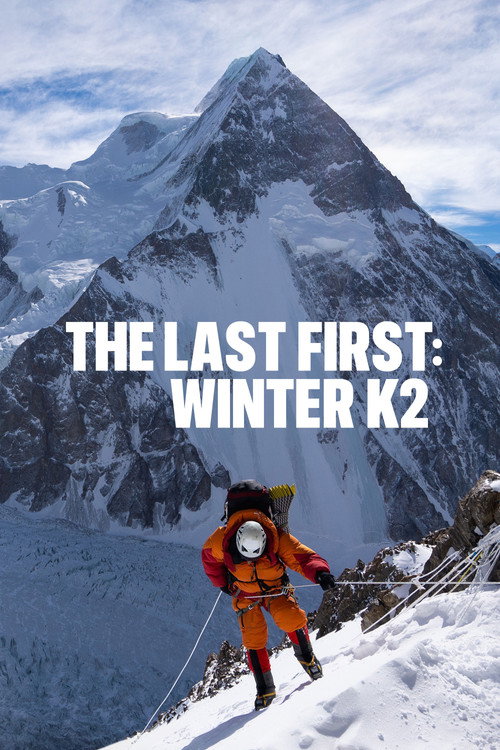
The Last First: Winter K2
Narrative tropes
A Parent's Shadow
mediumSajid Sadpara is introduced and narratively defined as the son of celebrated Pakistani climber Ali Sadpara; they partner together on the expedition. Ali's reputation as a systematic route-preparer shapes the team's role and standing. Sajid is forced to turn back due to equipment failure while his father presses on and vanishes. The film's emotional resolution centres on Sajid searching for his father's body and reckoning publicly with the decisions that kept the team on the mountain past all reasonable safety — a clear arc of grappling with an inherited legacy.
About this trope: A character must grapple with the legacy of their parents or predecessors — living up to high standards, running from expectations, atoning for inherited sins, or forging their own path.
Cultural messages
Screens Are Ruining Us
mediumSocial media is explicitly named as one of the forces creating conditions in which warning signs were ignored. Bystanders jostle each other to film Sergi Mingote's corpse — normal device use depicted as a dehumanizing act. Nims Purja's 'outsized media presence' shapes competitive dynamics on the mountain. The film frames 'the commodifying spectacle of social media' as directly harmful, with the harm arising from ordinary use rather than any malfunction.
About this message: Consumer technology — smartphones, social media, VR, the internet — is portrayed as inherently dehumanizing, addictive, or isolating, even when working as designed. The technology doesn't malfunction; its normal use is the problem.
Movies that share these tropes


Full plot (spoilers)
The Last First: Winter K2 is a 2026 documentary directed by Amir Bar-Lev that chronicles the frenzied 2020–2021 winter season on K2 — the second-highest mountain in the world and, until then, the only peak above 8,000 meters never summited in winter. When Pakistan reopened its borders during the COVID-19 pandemic at the end of 2020, a historic convergence of competing expeditions descended on the mountain, each hoping to claim the sport's last great unclimbed prize.
The film centers on three overlapping expeditions: Icelandic climber John Snorri Sigurjónsson, partnered with celebrated Pakistani climber Ali Sadpara and his son Sajid Sadpara, who have been systematically preparing the route by establishing high-altitude camps; Nepali superstar Nims Purja (Nirmal Purja), who arrives with a large, well-funded sherpa team and an outsized media presence; and a commercial outfit, Seven Summits Treks, that brings a mixed group of clients with varying levels of experience to the mountain. Filmmaker Elia Saikaly is also on the mountain, bankrolled by the Pakistani government to document a planned national triumph.
Tensions erupt quickly. The Nepalese sherpa team bars foreign climbers from joining their summit push, underscoring the deep fault lines around race, commercialism, and who is entitled to mountaineering glory. When Spanish climber Sergi Mingote dies in a fall — captured on camera by a Polish cinematographer — and base camp bystanders jostle each other to film the corpse, an experienced observer on the mountain later reflects that this moment should have prompted every remaining climber to abandon the attempt. It does not.
On January 16, 2021, Purja's ten-person all-Nepali team makes history by reaching the summit, achieving the first-ever winter ascent of K2. But the season does not end there. John Snorri, Ali Sadpara, and Chilean climber Juan Pablo Mohr Prieto make a final summit bid in early February. All three disappear above the 'Bottleneck' couloir and are never found. Sajid Sadpara, who was forced to turn back earlier due to oxygen-regulator failure, survives to search for his father's body and to reckon publicly with the decisions that kept the team on the mountain past all reasonable measure of safety. By the season's end, five climbers are dead.
Bar-Lev constructs the narrative from expedition footage, participant interviews, and social media material, deliberately refusing easy moral verdicts. The film interrogates how ambition, ego, commercial pressures, and the commodifying spectacle of social media created conditions in which obvious warning signs were ignored — and how the sport's entrenched colonialist dynamics shaped which risks were taken, by whom, and for whose glory.
Sources: Wikipedia (stub only — no plot section), Screen Anarchy (Sundance 2026 review), Sundance.org blog post, WebSearch aggregated summaries (Variety, Letterboxd, MIFF, BroadwayWorld, Apple PR)