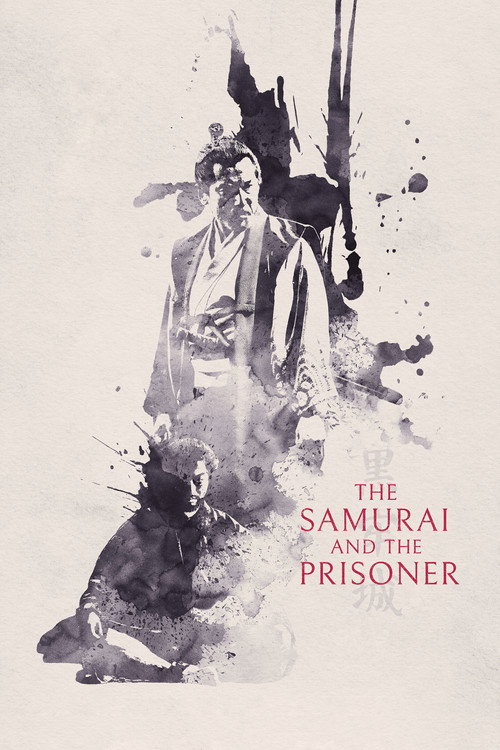
Movie
The Samurai and the Prisoner
Narrative tropes
You Can't Trust Anyone
highA hidden killer operates among Murashige's own soldiers, retainers, and courtiers — trusted insiders. The plot explicitly names 'fear, suspicion, and paranoia' spreading through the garrison as a result. Murashige and Kanbei must investigate the very people Murashige commands, validating paranoia as a rational response. The true enemy is hiding in plain sight among allies, the garrison is secretly compromised from within, and the protagonist is manipulated and threatened by someone he should be able to trust — all five signals present.
About this trope: Trusted allies, institutions, or authority figures are secretly working against the protagonist. Paranoia is justified because betrayal is real and pervasive.
One Hero Changes Everything
highNone of Murashige's men can solve the murders; the garrison as an institution is helpless. Murashige turns 'desperate' to the one exceptional individual available — Kanbei, explicitly described as 'one of the greatest military strategists of the Sengoku period.' Kanbei's removal would mean total failure: no one else possesses his analytical ability. The crisis (murder mystery threatening garrison cohesion) is solvable only through this single brilliant mind's individual skill, while collective action proves entirely ineffective.
About this trope: One exceptional individual matters more than institutions or collective action. Problems affecting millions are solved by a single remarkable person. Everyone else is passive.
Movies that share these tropes






Full plot (spoilers)
Set during Japan's Azuchi era (the Azuchi-Momoyama period of the late 16th century), the film centres on Lord Araki Murashige, a powerful warlord who had served Oda Nobunaga but openly rebels against his tyrannical master. Murashige barricades himself and his court inside Arioka Castle as Oda's army lays siege to the fortress, cutting off all hope of escape. With the military pressure tightening from without, a new threat emerges from within: a series of bafflingly brutal murders begins inside the castle walls, shattering the fragile order of the court and stoking fear, suspicion, and paranoia among soldiers, retainers, and courtiers alike. None of Murashige's men can solve the crimes, and the mounting dread risks collapsing the garrison's cohesion entirely. Desperate, Murashige turns to the one brilliant mind available to him—a man he himself condemned to the castle dungeon: Kuroda Kanbei, regarded as one of the greatest military strategists of the Sengoku period. Murashige and Kanbei enter an uneasy and deeply mistrustful alliance: Kanbei begins furnishing clues and analysis to unravel each crime, while Murashige, aided by his wife Chiyoho and his most loyal generals, investigates the court. As the duo works to expose the killer hiding among the ranks, the siege grows ever more desperate—time is running out before the castle falls and Oda's forces overrun them. The film does not detail the resolution of the mystery or siege in publicly available sources; specifics of the ending are not confirmed in reviewed materials.
Sources: Wikipedia, Web search (IMDb listing text), Screen Rant, Letterboxd