Narrative trope · Power, Politics & Society
One Hero Changes Everything

What it is
One exceptional individual matters more than institutions or collective action. Problems affecting millions are solved by a single remarkable person. Everyone else is passive.
How to spot it
The plot contains ALL of: (1) a crisis that logically requires collective or systemic response, (2) a single protagonist whose personal actions resolve it, (3) the community or society is largely passive or helpless without this individual.
- A lone hero defeats threats that armies or governments cannot
- Institutions are shown as too slow, too corrupt, or too incompetent to act
- The hero's individual virtue or skill is the decisive factor
- Removal of the hero would mean total failure for everyone
- Collective action is absent, ineffective, or only successful because the hero led it
Classic examples
Most solo superhero films (Batman, Superman, Iron Man), James Bond, John Wick, Jack Bauer in 24
Contrast with
Humanity Must Unite (Humanity Must Unite is about collective action saving the day; One Hero Changes Everything is one person saving it)
Movies featuring this trope (62)
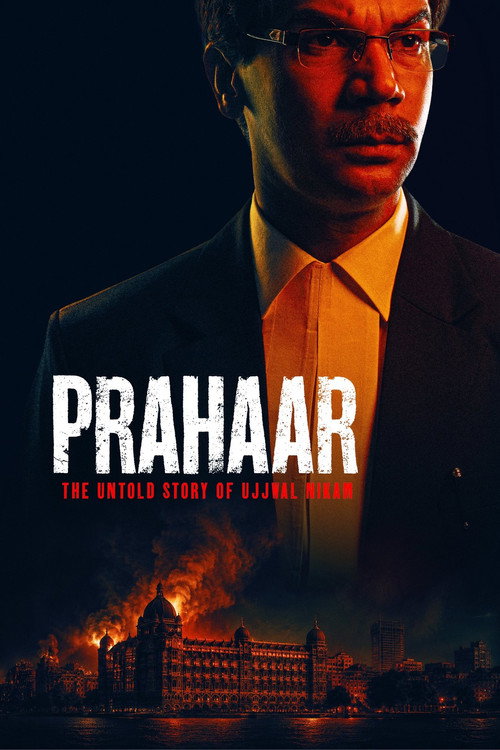
Prahaar: The Untold Story of Ujjwal Nikam
The prosecution of India's most scrutinized terrorism trial is framed as Nikam's personal achievement: the film is titled around him, his 'strong track record' is the decisive factor, and the resolution is his 'legacy as the prosecutor who successfully brought Kasab to justice.' The prosecution succeeds through his individual skill and obsessive effort; the collective legal apparatus is functional only because he leads it.

Treasure Trekkers
Empathra's oppression is a kingdom-scale crisis, yet it is Mip's individual empathic ability that unlocks resistance — the people could not push back before his arrival. His singular virtue (emotional intelligence) is the decisive factor. Collective resistance only follows because Mip inspires and leads it, fitting the pattern of a passive community saved by one exceptional outsider.

The Social Reckoning
The film explicitly frames Haugen's arc in a 'Frank Capra-esque tradition of the righteous individual confronting powerful institutions.' The crisis — algorithmic radicalization at societal scale — logically demands collective regulatory response, yet the decisive act is Haugen alone delivering tens of thousands of documents. Internal teams, regulators, and colleagues all fail to act; her individual courage is the plot's hinge. Her Congressional testimony is the climax, not any systemic reform.
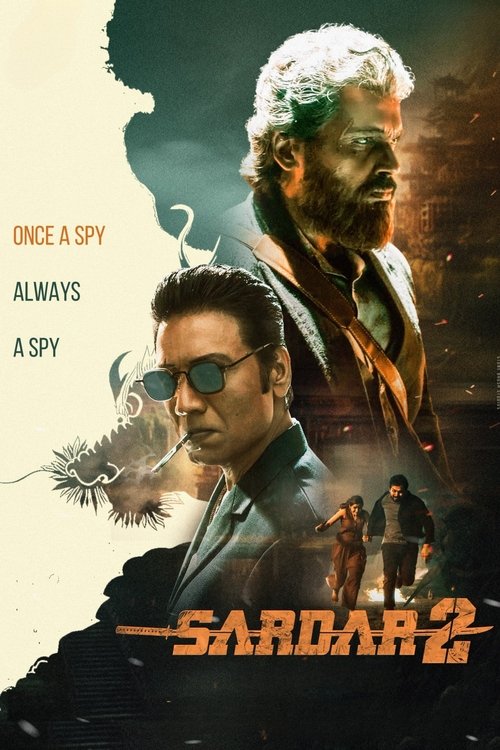
Sardar 2
All Indian intelligence agencies are on high alert yet cannot stop Black Dagger — the task falls to Inspector Vijay Prakash personally. Vijay is individually 'tasked with stopping Black Dagger' ahead of a 'big colossal war,' positioning a single protagonist as the decisive actor against a threat that the entire institutional apparatus cannot handle. Collective action is present but insufficient without the hero.
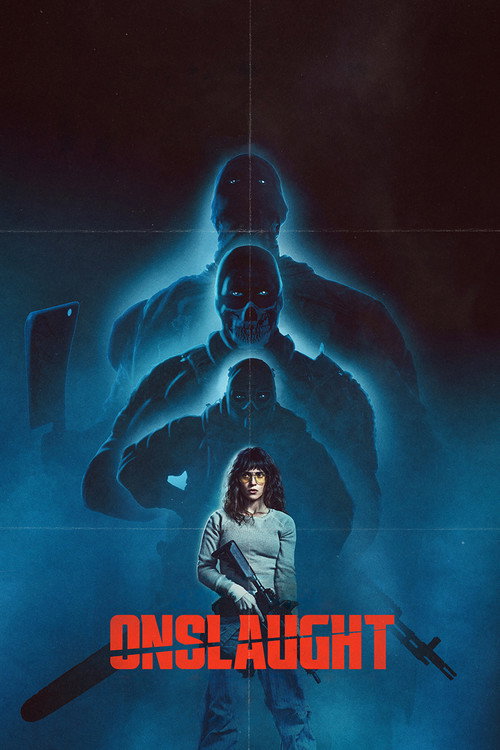
Onslaught
Celeste is the singular decisive actor against a threat that government, military, and law enforcement cannot contain — Cyrus (cleanup agent) and Kovacks (bumbling cop) are both insufficient. Her sniper skills and arsenal are the decisive factor. She rallies neighbors, but collective action only succeeds because she leads it. Without Celeste, the trailer park falls.
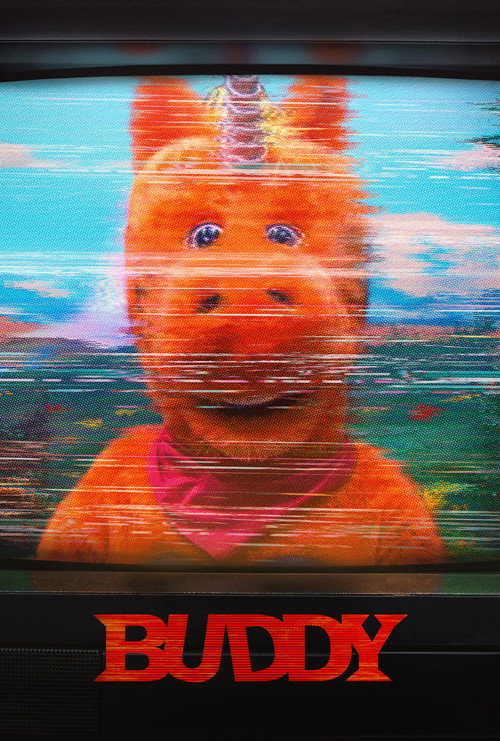
Buddy
An entire cohort of children is trapped and a traumatised adult (Grace) fails to rescue them from outside. Freddy alone possesses the mysterious connection that enables escape and kills Buddy; all other children die in the process, underscoring that only Freddy's individual ability could resolve the crisis. Institutions (the real world, psychological care) are wholly ineffective, and collective action by the children is insufficient without Freddy's singular intervention.

Never Stop Chasing
The film positions Timmer as the singular individual whose unorthodox tactics produce the scientifically groundbreaking breakthrough that the broader meteorological community could not achieve through conventional methods. His improvised rental-car intercept yields 4K drone footage that Dr. Wurman uses to clock 318 mph winds — a result the institutional establishment is compelled to accept. The institutions are shown as dismissive and ineffective while Timmer's individual skill and daring are the decisive factors.
Mutiny
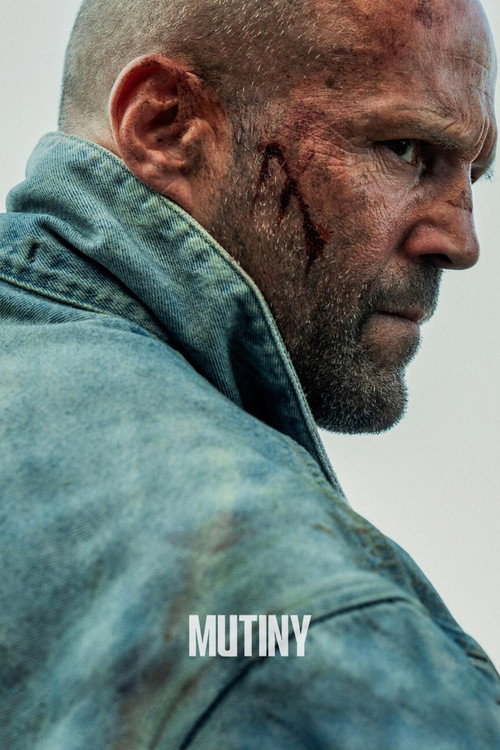
A cargo ship holding dozens of trafficking victims is a crisis that logically calls for a coordinated law-enforcement response, yet it is resolved almost entirely by Cole alone. He can't engage institutions (framed), infiltrates solo, neutralizes the crew, protects the captives, and defeats Madsen. Angie provides one assist (distress signal) but the outcome depends entirely on Cole's individual skill. The Navy vessel arrives late; the decisive factor is one man's combat ability.
The Gentleman Thief
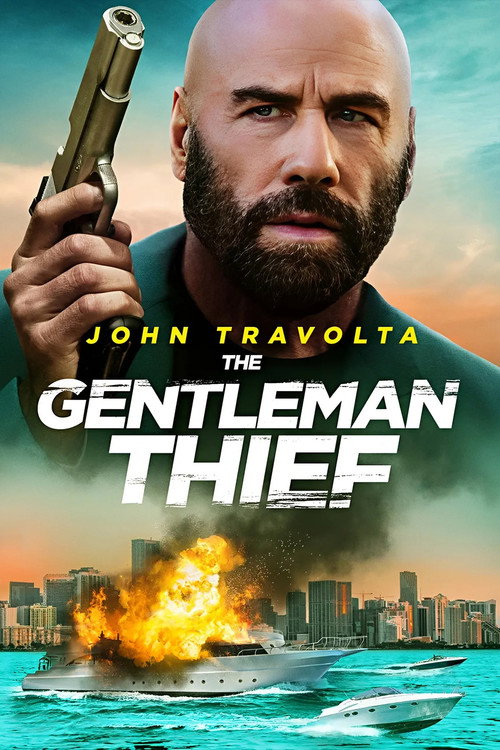
With his crew presumed dead, Mason alone engineers the final operation against Salzar's empire, aided only by Odessa. He is explicitly framed as 'the best thief in the business' whose singular accumulated skill is the decisive factor. Federal authorities are portrayed as a hindrance rather than a solution. No collective response is available — the crew is gone — making Mason's individual cunning the only path to resolution.

Spider-Man: Brand New Day
Jean Grey's city-wide possession of random citizens is a crisis that logically demands institutional or collective response, yet it falls entirely to Peter. He personally dismantles Scorpion, orchestrates Punisher's protection of MJ, and confronts Jean in the climax. The DODC convoy is being attacked while Peter has to intervene, implying institutional incapacity. No other figure can match what Peter does — Hulk is enlisted as a combatant but the decisive confrontations are Peter's alone. Collective action exists only as Peter-directed support.
The Odyssey
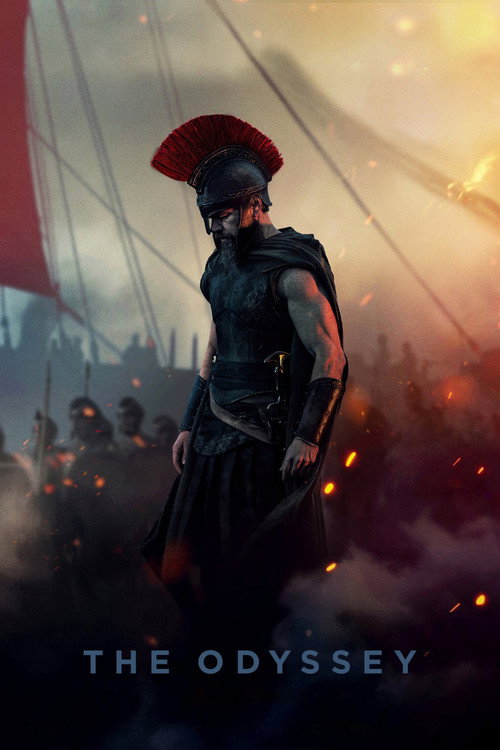
The crisis — 108 suitors occupying the palace — cannot be resolved by Penelope, Telemachus, or any institution. Only Odysseus's return resolves it: he alone can string the decisive bow, his cunning orchestrates the downfall, and his disguise-and-test strategy controls the entire endgame. His absence means certain failure for every member of his household.

Sarpanch
The village community is explicitly described as passive and powerless for over two decades; collective silence is the default until Fateh acts. Fateh is the singular figure who breaks that silence and drives the entire challenge to the establishment — without him the community would remain under corrupt rule. The community's passivity is a structural feature, not incidental: the ruling faction deliberately cultivated it through alcoholism and fear. Fateh's individual decision, virtue, and willingness to absorb retaliation are the decisive factors.

Moana
A world-threatening crisis (darkness spreading across the ocean) is resolved entirely by Moana's solo action at the climax — Maui abandons her, no collective response exists, and the islanders of Motunui are unaware the threat even exists. The ocean designated her specifically; her compassionate insight (recognizing Te Fiti in Te Kā) is the decisive factor no one else possesses or attempts.
The Samurai and the Prisoner
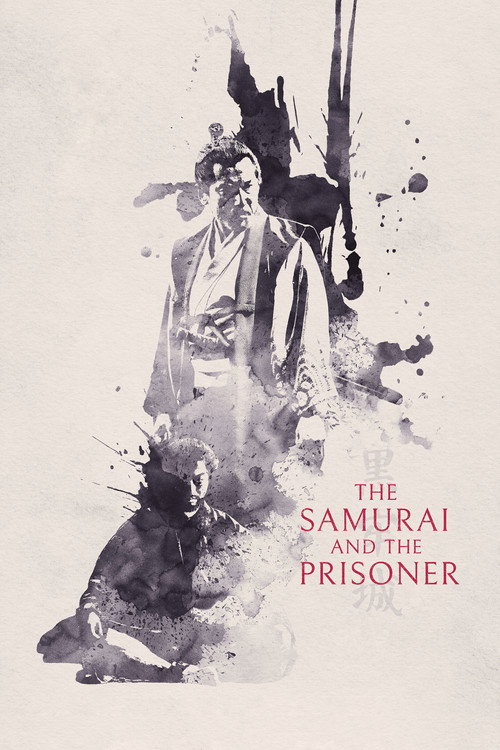
None of Murashige's men can solve the murders; the garrison as an institution is helpless. Murashige turns 'desperate' to the one exceptional individual available — Kanbei, explicitly described as 'one of the greatest military strategists of the Sengoku period.' Kanbei's removal would mean total failure: no one else possesses his analytical ability. The crisis (murder mystery threatening garrison cohesion) is solvable only through this single brilliant mind's individual skill, while collective action proves entirely ineffective.

Citizen Vigilante
A systemic corruption crisis — logically requiring collective or institutional response — is addressed solely by one individual. Institutions are portrayed as too corrupt to act (signal 2). Sanders alone achieves what the justice system cannot, making his individual skill/virtue decisive (signal 3). Citizens collectively do nothing beyond cheering on social media, confirming collective action is absent (signal 5). Interpol's alarm at the precedent Sanders sets further underscores that the story frames one person as doing what no system can.
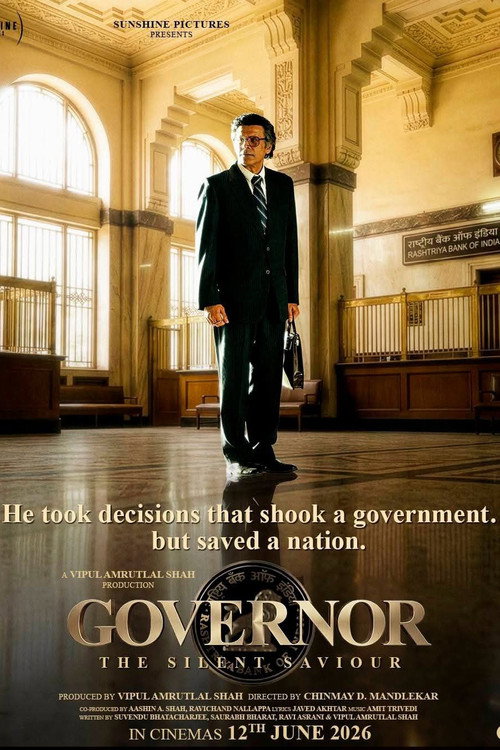
Governor
A national economic catastrophe — logically demanding coordinated government and institutional response — is resolved entirely by Ramanan's singular covert decision. The tagline 'If I fail… India fails' explicitly frames him as the indispensable individual. Fierce opposition from deputy governors and political pressure from above signals institutional paralysis. The secret midnight gold airlift is his alone to orchestrate. Every required signal is present: lone hero overcomes what institutions cannot, institutions are shown as obstructive, hero's individual virtue is the decisive factor, his removal equals national collapse, and collective action is absent except as executed under his singular direction.
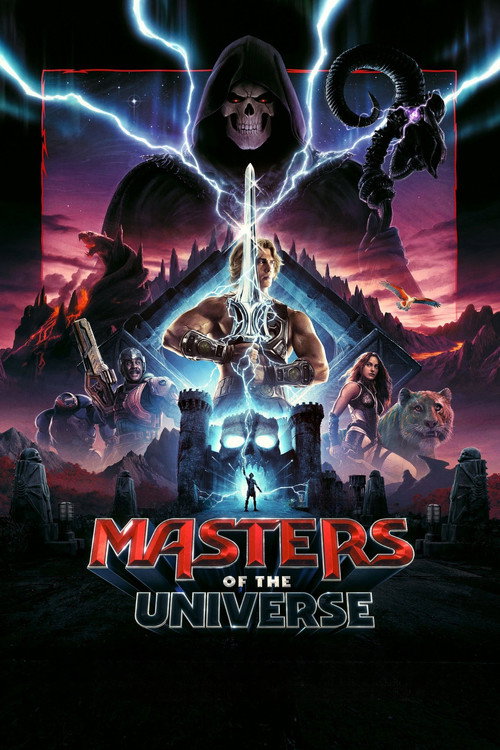
Masters of the Universe
Eternia fell and remains subjugated until Adam returns. No collective resistance could stand against Skeletor—only He-Man, the single individual whose unique power and humanity can turn the tide. The population is passive under occupation; Adam's personal transformation is the decisive factor, and his absence meant total defeat for his world.
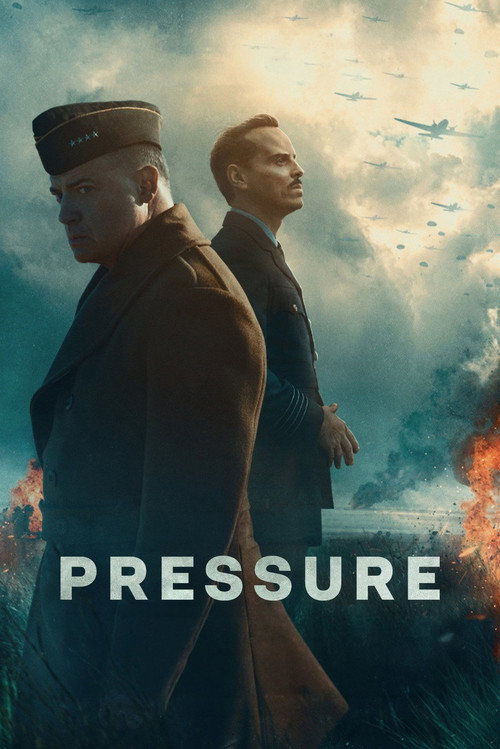
Pressure
The entire D-Day invasion — the largest military operation in history — hinges on a single doubted meteorologist's analysis. Stagg alone identifies the narrow weather window; every rival forecaster (Krick) is wrong. Eisenhower cannot act without Stagg's individual insight, and the film explicitly frames the success of a massive collective enterprise as resting on one man's shoulders. All five signals fire: lone expert succeeds where institutions fail, others are shown incompetent, the hero's personal methodology is the decisive factor, removal equals total failure, and collective action only succeeds because of this individual.

Star Wars: The Mandalorian and Grogu
Djarin personally drives every phase of the operation — tracking Rotta, surviving the arena, raiding the compound, storming the Twins' palace — while the New Republic is entirely absent until Djarin has neutralized the principal threats. Ward accepts Janu but cannot protect Djarin from consequences; the squadron arrives only after Djarin has already resolved the situation through individual action. Without Djarin specifically, the mission fails at every juncture.
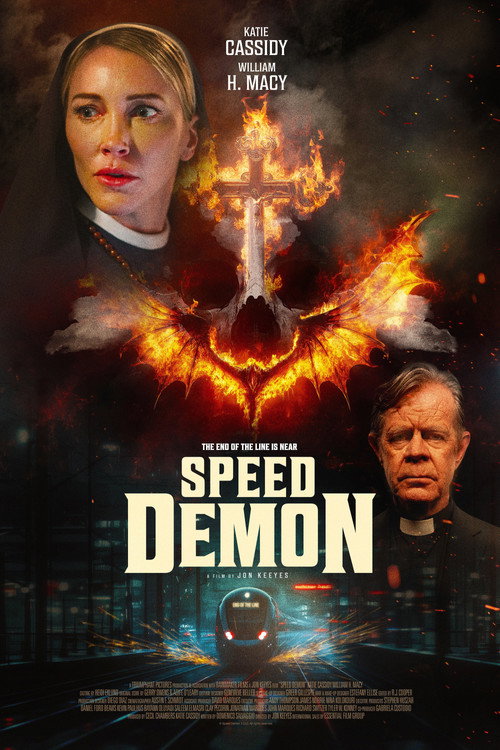
Speed Demon
A demonically possessed trainload of passengers and a runaway locomotive constitute a crisis demanding collective response, yet Lu alone can act — Father Novak is incapacitated and every other passenger is possessed. The film's resolution hinges entirely on her individual faith and exorcism skill; without her the train crashes and everyone dies. Collective action is structurally absent.

Dharpakad
Digital arrest scams represent a systemic, society-wide crisis logically requiring collective or institutional response. Yet Arjun alone sets out to track down the criminal network while the rest of the family is paralyzed by fear and financial desperation. Law enforcement is conspicuously absent as a solution — criminals impersonate it unchallenged — reinforcing that institutions are ineffective. Arjun's individual determination is the sole plot driver; without him, the family (and implicitly other victims) remain trapped. Signals: lone hero vs. criminal network institutions cannot stop; institutions shown ineffective; hero's personal virtue/skill is decisive; collective action entirely absent.
Takeover
Guy alone navigates rival crews, law enforcement, and shadowy organized crime across a single night — a threat load that logically demands collective resources. The framing makes clear only he, with his singular reputation as 'Atlanta's slickest street operator,' can pull this off. Signals: law enforcement is a threat rather than a resource (institutions can't or won't help), his individual reputation and skill are the decisive factor, and removing him would mean certain failure for the children in danger.

The Wolf and the Lamb
A supernatural evil threatens the entire mining settlement, yet collective action never materializes — the community dissolves into hysteria and hostility rather than organized response. Local authority figures oppose Jo rather than help. Jo alone pursues the truth and confronts the threat; her individual maternal determination is the decisive factor. Removing her from the plot would leave the town with no advocate or defender.
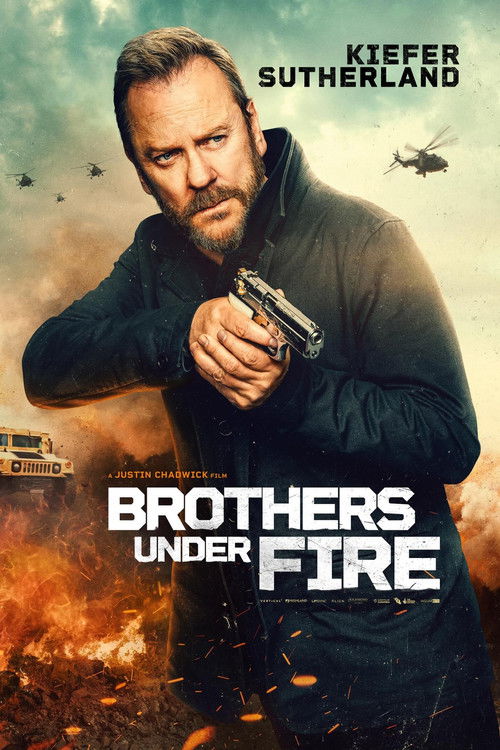
Brothers Under Fire
Jordan 'takes command,' 'marshals' his troops, and 'rallies' the passive townspeople — the entire defensive effort flows from his leadership. Without him the soldiers lack direction and the civilians remain helpless. While the squad participates, collective action succeeds only because Jordan organizes and enables it, and his individual military virtue is the decisive factor.
The Hollywood Rabbi
The documentary is structured entirely around one man's individual impact on Holocaust remembrance and tolerance. Hier's 'extraordinary talent for relationship-building' is explicitly the decisive factor — he personally calls in Frank Sinatra, personally arranges the Schwarzenegger/survivor meeting, personally obtains Wiesenthal's blessing. The 'Forrest Gump-like life' framing positions him at the center of every major moment. The institutions and relationships that drive the story flow from his singular initiative; the film implies none of it exists without him.

SJOR | Rise of the North
The plot explicitly states Sjor is 'the only thing standing between the emperor and the godlike power the artifact represents,' satisfying the core pattern directly. The crisis is existential in scale (an emperor gaining divine power), yet the entire resolution hinges on one individual. Three signals are confirmed: her unique divine connection is the decisive factor, her absence would mean total failure for everyone, and no collective or institutional force is positioned to stop the emperor—only Sjor can.

Project Hail Mary
An extinction-level crisis affecting all of humanity is resolved by one person's individual discoveries and sacrifice. Grace is the sole survivor of the mission, personally discovers the astrophage-eating organism, and sends the critical data back to Earth. Without him, Project Hail Mary fails entirely. Institutional efforts set up the mission but are helpless without his individual actions.

Peaky Blinders: The Immortal Man
A £70M Nazi counterfeiting operation threatening Britain's wartime economy is a crisis that logically demands a governmental response — yet no institution appears to address it. Tommy's return is the singular event that reorganizes the Blinders, undermines Beckett, and makes the Liverpool raid possible. The existing Blinders under Duke were allied with the very threat; without Tommy's intervention the operation would have succeeded. The British government and official channels are entirely absent from the resolution.

That Time I Got Reincarnated as a Slime the Movie: Tears of the Azure Sea
Kaien, an entire undersea kingdom, cannot resolve its twin crises alone and must send a priestess to implore Rimuru's outside intervention — establishing community helplessness without the exceptional individual. Rimuru personally leads the deep-sea investigation, and the stakes (preventing a full-scale inter-realm invasion) are systemic crises that no institution addresses. Rimuru's unique capabilities are the decisive factor; the story frames the resolution as contingent on his involvement.

Psycho Killer
Jane alone tracks the Slasher across multiple states while no other law enforcement appears to be doing so — the killer was presumed dead, so institutions had already written him off. The nuclear plant guards cannot stop the bombing without Jane's warning and her shot through the window. The plot makes clear that without Jane specifically, the catastrophe succeeds. Collective/institutional response is entirely absent during the cross-country pursuit, and only effective at the climax because she personally directs it.

The Last Whale Singer
The Leviathan threatens all marine life but only Vincent can sing the ancient song capable of stopping it; his two companions cannot perform the decisive act; without Vincent specifically, the oceans are lost — making him the single irreplaceable individual whose personal action resolves a species-wide catastrophe that no collective force can address.
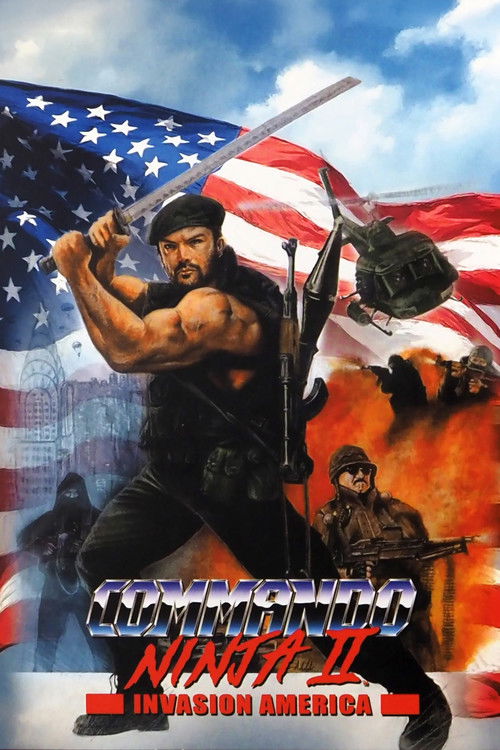
Commando Ninja 2: Invasion America
A full-scale military invasion of the United States — logically requiring a national military response — is resolved by a four-person team led by Hopkins. Government institutions are explicitly useless. No army, no coordinated response; a single protagonist's initiative is the decisive factor. Four signals: lone team defeats what armies cannot, institutions incompetent, hero's skill is decisive, collective action absent.

Weezer's Voyage to the Blue Planet: The Concert Film
A breaking-news broadcast establishes that the Blue Planet is dying and that Weezer alone has been dispatched to save it — the institutional framing cedes all agency to this single entity. The Weezeroids and alien crowds are entirely passive, waiting for Weezer's arrival. The planet's restoration is mechanically tied to Weezer performing the Blue Album in full; no other force contributes. Signals met: (1) Weezer is uniquely capable of what no collective force can accomplish; (2) their musical skill is the literal and exclusive mechanism of salvation; (3) without them the planet cannot be restored; (4) the broader community (Weezeroids, arena crowd) cheers but plays no active role in the rescue.

Roald Dahl's Matilda the Musical
The school-wide abuse logically demands parental, educational-authority, or collective intervention, but no adult acts effectively. Miss Honey's formal petition fails. Matilda alone, via telekinesis, terrifies Trunchbull into permanent flight. Without Matilda no one is freed — not Miss Honey, not the students. Collective action only follows after Matilda's solo act; the students celebrate once the threat is already eliminated.

Blade of the 47 Ronin
The samurai lord council is systematically wiped out, leaving collective defense impossible. Onami (with Luna as support) resolves the crisis that the assembled lords could not. Her individual lineage is the decisive factor — only she can wield the Tengu Sword — and without her the threat succeeds. Collective action is absent by the climax.

Top Gun: Maverick
Maverick alone designs the impossible attack profile, flies it himself to prove feasibility, forces his reinstatement after being removed, shields Rooster at personal cost, and personally rescues Rooster via the stolen F-14. Rear Admiral Cain (institution) deems the mission unworkable without Maverick, confirming his individual indispensability. All five signals fire: lone hero succeeds where brass cannot, institution too risk-averse to act, hero's skill is the decisive variable, his removal threatens total failure, and collective success is only possible because he leads it.

Elon Musk: The Real Life Iron Man
The documentary's entire premise is that one man — Musk — single-handedly disrupted electric vehicles, commercial spaceflight, solar energy, and AI safety, in industries described as 'traditionally resistant to disruption.' Institutions (incumbent auto manufacturers, oil companies, traditional aerospace) are framed as too entrenched to act. The film attributes these industry-scale transformations to Musk's individual vision and willpower, with collective actors (NASA, GM, the energy sector) implicitly cast as passive or obstructive until he forced change.

The Breadwinner
Parvana alone can provide for and save her family while every institution (Taliban courts, prison system) is corrupt and unhelpful, and the rest of the family is physically unable to act under Taliban law. Her individual ingenuity (the disguise), cultivated relationships (Razaq), and personal courage are the sole decisive factors. Without her, the family has no income and no path to retrieving her father.
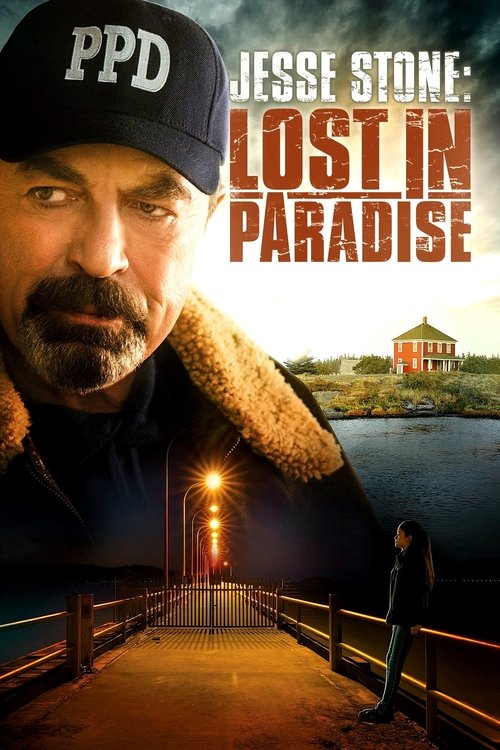
Jesse Stone: Lost in Paradise
The State Police Homicide Unit cannot crack the copycat case and must recruit Stone as an outside consultant. Stone alone notices the inconsistencies (missing tox report), identifies the real killer, confronts him, and fatally resolves the case. In parallel he single-handedly intervenes in Jenny's situation and arranges her placement. Without Stone the wrong man (Steele) bears responsibility for all four murders; no institutional mechanism surfaces the truth. The community and the State Police are entirely passive beneficiaries of his individual effort.
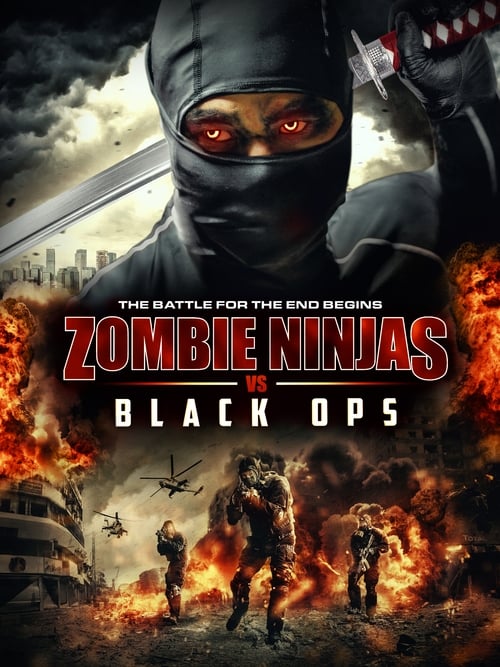
Zombie Ninjas vs Black Ops
A professionally dispatched black ops team 'gravely underestimates' the zombie ninjas and struggles to maintain cohesion, while Dillon — a lone ex-operative who happened to be present — actively uncovers the truth and drives the resolution. His individual tactical skill is the decisive variable where institutional response fails. The narrative centres on Dillon's personal arc rather than collective action, and the team's survival hinges on his leadership.

The Hunger Games
A systemic injustice oppressing all twelve districts is resolved by a single tribute's individual act of defiance. No district organized resistance—it takes Katniss's berry gambit to crack Capitol authority. Her archery skill, moral clarity, and personal relationships with Rue and Peeta are the decisive factors. Snow's alarm is directed entirely at Katniss personally. Collective district action only stirs after she acts, confirming the hero as the essential catalyst.

Sherlock Holmes: A Game of Shadows
Holmes alone unravels Moriarty's world-war conspiracy: he links the murders/bombings/acquisitions no institution detected, secretly swaps the coded diary during his own torture, deduces the summit assassination, and finally sacrifices himself to eliminate Moriarty. Governments and police are entirely reactive — Lestrade only seizes Moriarty's assets because Holmes delivered the evidence. Without Holmes, the war proceeds and Moriarty wins.

The Last Airbender
A century-long global war is resolved only when Aang — and only Aang — enters the Avatar State and summons the ocean to destroy the Fire Nation fleet. Without him, the Northern Water Tribe falls; the Water Tribe military is overwhelmed; no institution or collective can stop Zhao. Aang's singular nature is underscored by the Avatar State, Spirit World access, and the fact that his 100-year absence caused the entire war to go unanswered.
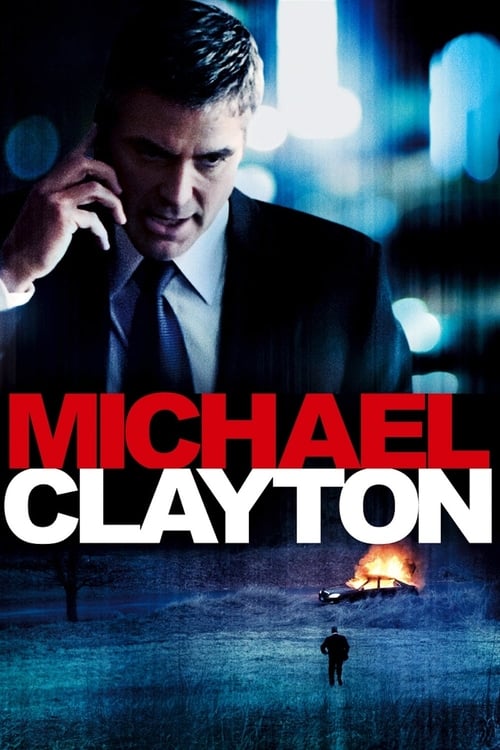
Michael Clayton
Hundreds died from U-North's weed killer and a six-year, $3 billion class action accomplished nothing, as the institutional machinery was being undermined from within. Michael alone — using individual cunning to wire himself and trap Karen — resolves what no collective or institutional effort could. The plaintiffs, other attorneys, and the legal system are entirely passive or complicit; without Michael's individual initiative, the cover-up holds permanently.

Jimmy Neutron: Boy Genius
Jimmy's individual genius is the decisive factor at every turn: he deduces the alien connection, engineers the rocket conversions, remotely contacts Goddard to engineer the prison break, and personally destroys Goobot's warship with the shrink ray. The other children are willing but helpless without his inventions and leadership; removing him means total failure.

Donnie Darko
The world-ending crisis — tangent universe collapse — can only be resolved by Donnie; no institution or collective has any role in the solution. The psychiatrist, school, and community remain entirely passive and oblivious. Donnie's individual sacrifice is the sole decisive act: he drives to the ridge, watches his mother's plane enter the vortex, and lies down to die. Every other character is helpless without this one person completing his specific role, and they remain unaware of how close the world came to ending.
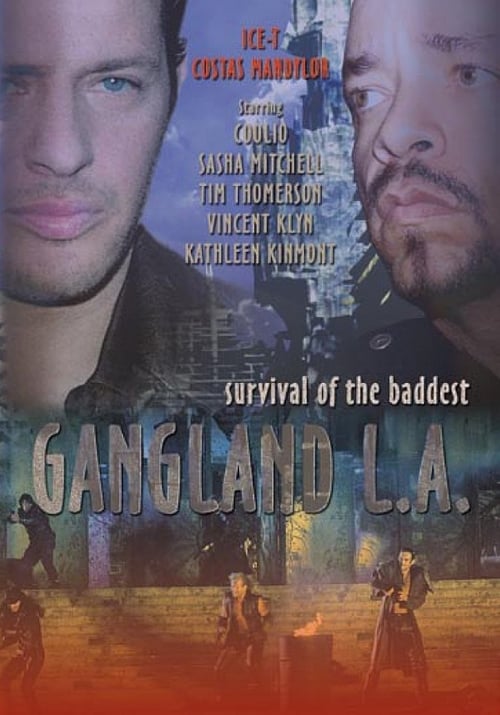
Gangland
A city-wide plague and totalitarian gang occupation — crises logically demanding military or governmental response — are resolved entirely by three individuals, with Jared as the narrative center. Law enforcement is wiped out in a single scene, representing institutional collapse. No collective civic resistance exists; the broader population is passive and enslaved. The heroes' personal combat skills are the sole decisive factor; without them, humanity loses both to the gang and the virus.
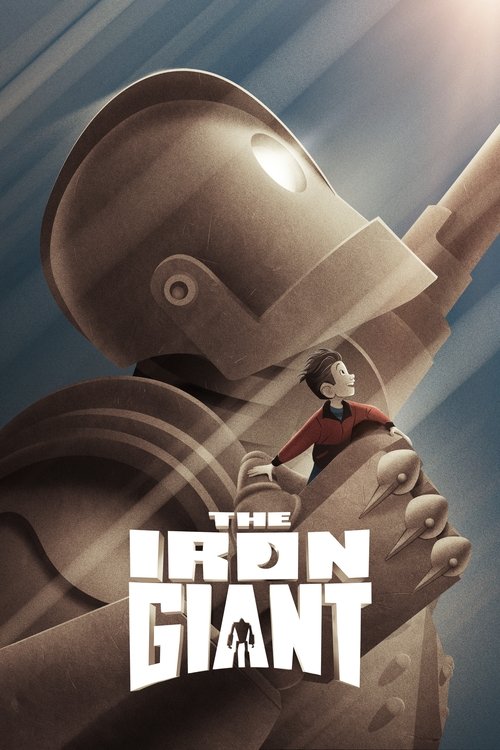
The Iron Giant
A nuclear missile is inbound on Rockwell and General Rogard explicitly cannot abort the launch — the entire US military apparatus is helpless. The Giant alone can intercept it. His individual moral virtue (the choice to be Superman rather than a weapon) is the decisive factor. Without the Giant, the town is annihilated; collective/institutional action not only fails but causes the crisis in the first place (Mansley's order).
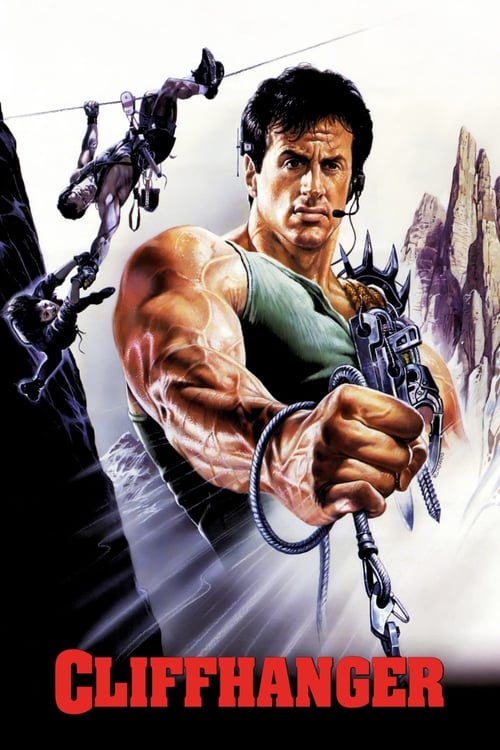
Cliffhanger
Gabe single-handedly eliminates the entire mercenary gang while authorities are absent until the very end. His mountaineering expertise is the decisive factor at every turn; without him Hal dies and the criminals escape with $100M. Jessie assists but Gabe drives every key confrontation and the final kill. Institutions (Treasury, law enforcement) are nowhere during the crisis.
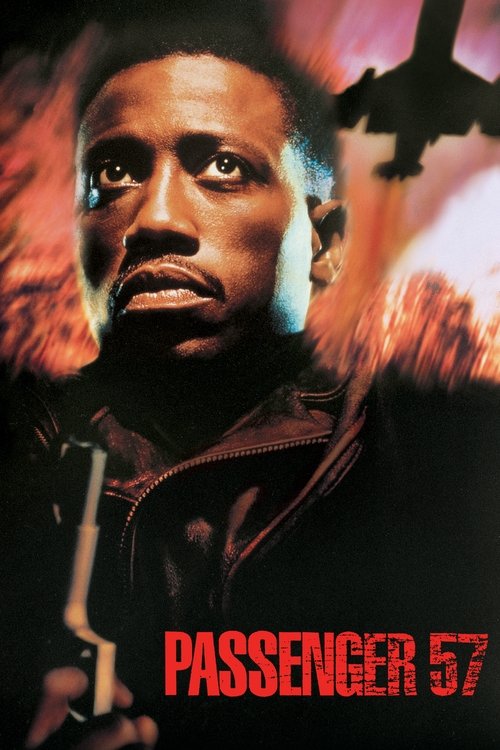
Passenger 57
A single security specialist defeats a terrorist hijacking while the FBI escorts are killed, local police are manipulated, and all other passengers are passive hostages. Cutter's personal expertise and initiative are the sole decisive factor; without him the hijacking succeeds. Institutions are shown as incompetent or easily deceived, and no collective action contributes to the resolution.
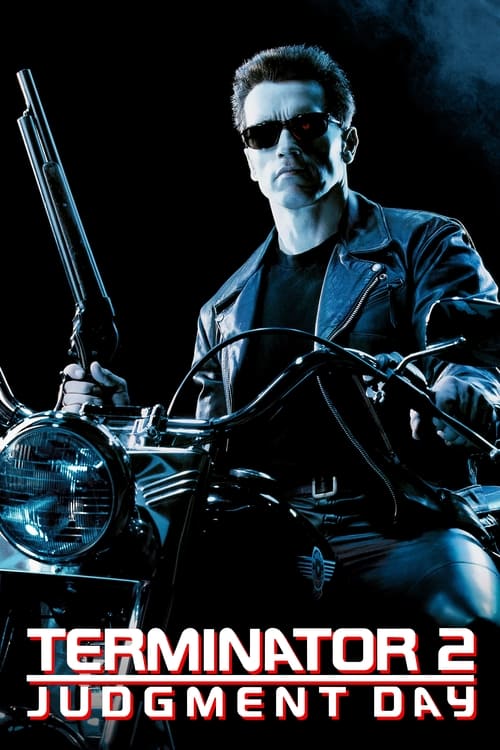
Terminator 2: Judgment Day
John Connor's individual survival is the singular pivot of all human history—machines were sent specifically because no one else can fill his role. The T-800 alone defeats the T-1000 when an entire police response is helpless. Collective institutions are entirely absent as a solution; removal of this one protector means total failure for humanity.

The Silence of the Lambs
The full FBI apparatus—with all its resources—cannot identify Buffalo Bill. Clarice, a lone trainee acting on clues Lecter embedded in case files, independently identifies and locates Jame Gumb. She arrives at his home alone, without backup. Her individual psychological insight and determination are the decisive factors; without her, Catherine Martin dies. Collective institutional action is entirely absent at the climax.
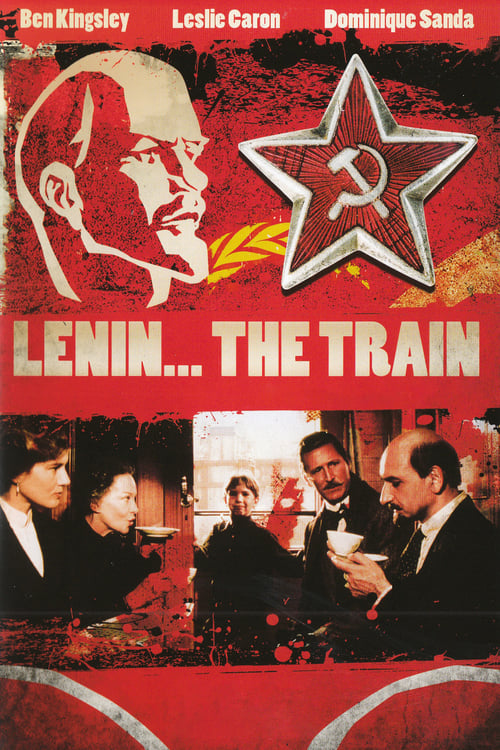
Lenin: The Train
The entire film centers on Lenin's personal journey as the singular catalyst of the Russian Revolution. His arrival in Petrograd is framed as the 'hinge moment between the February Revolution and what will become the Bolshevik October,' with the crowd's response exceeding even the revolutionaries' own expectations. The community awaits and is activated by him specifically; collective action only crystallizes around his presence. His removal would mean no Bolshevik October. The crisis (revolutionary Russia) demands systemic response, but the story resolves it through one man's arrival.
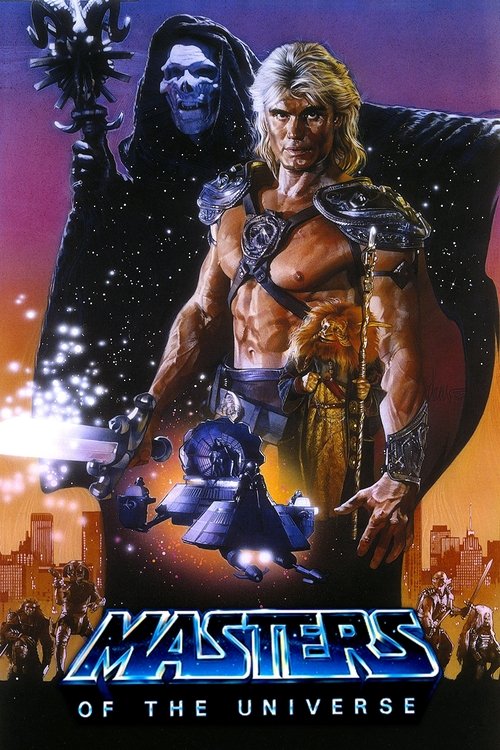
Masters of the Universe
Eternia has no effective institutional defense — the entire crisis depends on He-Man personally. He alone can fight Skeletor at the climax; without him, Skeletor retains cosmic power and wins. Kevin restores the portal but the final resolution is He-Man's solo sword duel. No collective or systemic action defeats the threat — only He-Man's individual combat skill.

Manhunter
The FBI cannot crack the Tooth Fairy case and Crawford personally retrieves Graham from retirement because no one else possesses his psychological profiling ability. Graham's unique empathetic technique—reconstructing the killer's perspective from crime-scene photographs and home movies—is the decisive tool throughout: he identifies the film-lab link, directs the investigative theory, and ultimately kills Dollarhyde himself. Without Graham specifically, the murders would continue unresolved; the institution is helpless without this one individual.

The Transformers: The Movie
Unicron is an existential cosmic threat that the entire Autobot army cannot stop; Ultra Magnus (the institutional leader) attempts to open the Matrix and is blown apart — proving collective leadership insufficient; only Hot Rod possesses the innate connection to activate the Matrix; without him every Autobot effort fails; the climax is resolved entirely by one individual's decisive personal action while others watch.
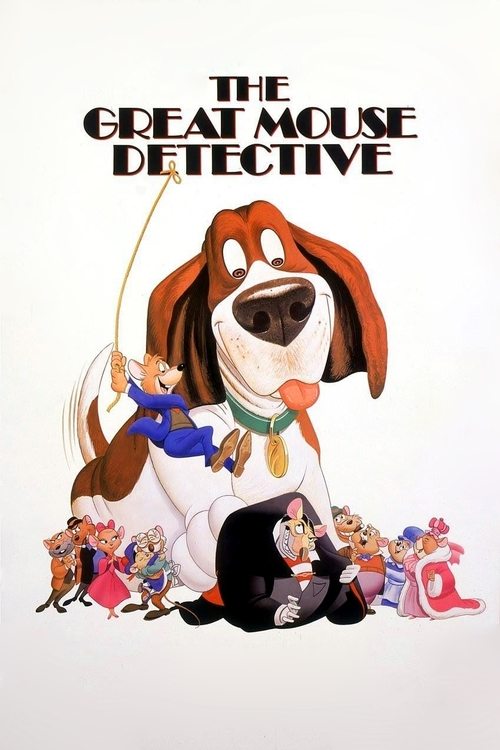
The Great Mouse Detective
Ratigan's coup threatens all of Mousedom — a crisis logically requiring royal guards, official investigators, or collective response — yet it is foiled entirely by Basil (with Dawson as sidekick). No official institution intervenes effectively; the royal guard is actually compromised by Ratigan's disguised henchmen. Basil's individual intellect (reverse-engineering the death trap, exposing the robot queen) is the sole decisive factor. Removing him means the coup succeeds. Collective action is wholly absent.
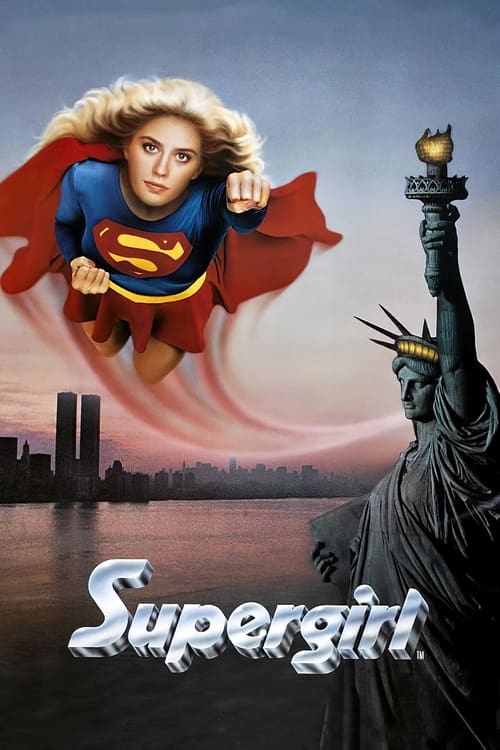
Supergirl
Argo City faces extinction and Earth faces magical conquest — crises demanding collective response — yet no governments, institutions, or Argo City's own people act. Kara alone pursues the Omegahedron, alone survives the Phantom Zone, and alone defeats Selena. Without her, Argo City dies and Earth falls. Collective action is wholly absent; the hero's individual powers and will are the sole decisive factor.

Diamonds Are Forever
A planetary-scale crisis — nuclear blackmail of every major power — is resolved by Bond's individual actions: he alone uncovers the Blofeld/Whyte deception, rescues Whyte, turns Blofeld's own voice-synthesizer against him to locate the base, and personally uses the crane to destroy the control room. The CIA assault stalls until Bond's decisive intervention. Without Bond, Leiter and MI6 had identified no lead; removing him means the satellite auction proceeds unchallenged.

The Shoes of the Fisherman
A nuclear crisis threatening millions is resolved not by governments or collective action but by Pope Kiril's personal secret diplomacy with Kamenev and Peng, followed by his solo coronation gesture (removing the tiara, pledging Church wealth). Institutions are shown as the problem (U.S. trade restrictions, superpower brinkmanship); Kiril's individual moral authority is explicitly the decisive factor. All five signals present: lone hero succeeds where governments cannot; institutions are ineffective; personal virtue is the decisive element; his absence means no resolution; collective action is absent.

Dire Duplicity
An international cyber attack of large-scale consequence — a crisis logically demanding systemic or governmental response — is stopped entirely by one tormented agent acting alone. The agency is explicitly 'not the government' and off-the-books, signaling that official institutions are absent or inadequate. No collective action is described; the agent personally climbs into an F-14 and conducts the aerial combat that neutralizes the remaining antagonists. Every signal applies: lone hero, absent institutions, individual skill as the decisive factor, and no collective alternative.
Azaad Singh
An organized criminal network including a powerful organ trafficker operates unchecked in the region until Azaad personally uncovers and confronts it. His individual virtue and natural gifts are the decisive factor — the criminal enterprise was functioning before he arrived, implying institutional inaction. The story frames his personal intervention as transformative ('from ordinary village boy into unlikely hero'), with no indication of meaningful collective or systemic response independent of him.