Movie
The Wolf and the Lamb
Narrative tropes
One Hero Changes Everything
mediumA supernatural evil threatens the entire mining settlement, yet collective action never materializes — the community dissolves into hysteria and hostility rather than organized response. Local authority figures oppose Jo rather than help. Jo alone pursues the truth and confronts the threat; her individual maternal determination is the decisive factor. Removing her from the plot would leave the town with no advocate or defender.
About this trope: One exceptional individual matters more than institutions or collective action. Problems affecting millions are solved by a single remarkable person. Everyone else is passive.
Humans Never Give Up
mediumJo faces objectively hopeless circumstances: her son is transformed, the community turns against her, and her own grip on reality begins to collapse. Despite rational pressure to give up, she continues her desperate search. Her refusal to quit — persisting through paranoia, isolation, and encroaching madness — is the emotional spine of the film. Hope persists well past the point logic would justify it.
About this trope: Facing impossible odds, humans endure, adapt, and find reasons to keep going. Resilience and refusal to surrender is humanity's defining and most admirable trait.
Cultural messages
Science vs. Faith
highJo is a schoolteacher — a rationalist figure — confronting a real supernatural threat while the community clings to folk belief and religious fervor. The folk horror genre validates mystical explanations over rational ones: the supernatural force is genuinely real, making Jo's empirical worldview insufficient. She must navigate folklore and paranoia to find answers, implicitly vindicating non-rational knowledge. Science and reason are shown as limited tools on the frontier, and the climax requires Jo to act on belief rather than evidence.
About this message: Characters face a choice between rational/scientific thinking and spiritual/intuitive belief. The story typically validates faith or emotion over cold logic — the scientist is wrong, the believer is vindicated.
Movies that share these tropes




Full plot (spoilers)
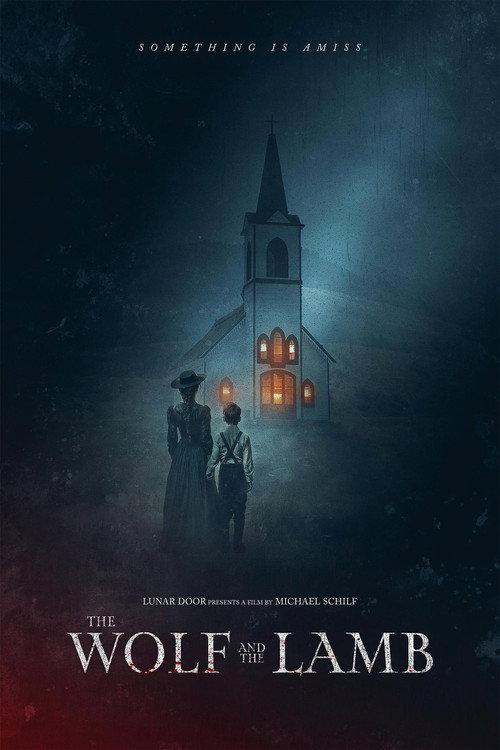
Set in a rough mining settlement in 1870s Montana Territory, the film follows Jo Beckett, a widowed schoolteacher whose young son Henry is among several children who mysteriously vanish from the frontier community. When Henry returns after days missing, he has been profoundly altered — exhibiting strange, predatory behavior that coincides with mutilated livestock, outbreaks of violence, and spreading hysteria throughout the camp. Jo's desperate search for answers leads her through a maze of local folklore, religious fervor, and paranoia. She faces hostility from neighbors and local authority figures as her own grip on reality begins to unravel. Confronting what appears to be a ravenous supernatural force — with vampire overtones loosely inspired by the Aesop fable of the same name — Jo is ultimately forced to choose between protecting her changed son and stopping the evil from consuming the entire town. The film blends folk horror and Western genre elements, exploring themes of loss, paranoia, and faith on the frontier.
Sources: Wikipedia, TMDb, IMDb, Rotten Tomatoes, Bloody Disgusting