Movie
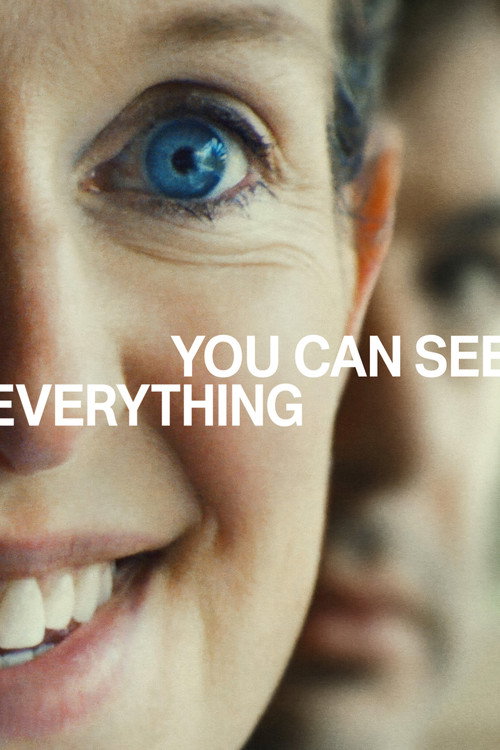
You Can See Everything
Narrative tropes
You Can't Trust Anyone
highThe film is structurally organized around the question of whether Holmes can be trusted. All three detect criteria are met: Theranos was a major betrayal of investors and patients by an ostensibly trustworthy healthcare institution; a deception was hidden within that institution; and Fielder (as de-facto protagonist) must continuously question whether what he observes is real. Signals: (1) Holmes revealed as fraudster—the foundational event; (2) Theranos as compromised institution; (3) Fielder presses Holmes repeatedly on honesty definitions in deadpan interrogation mode; (4) the ambiguous ending ('sincerity deliberately unresolved') validates the paranoia rather than resolving it. The Abbott and Costello sequence is the film's explicit thesis—demonstrating how Holmes's language could deceive different listeners simultaneously—and the filmmakers themselves may have been manipulated (Holmes and Evans invited them in, managed the access, and never saw the final cut).
About this trope: Trusted allies, institutions, or authority figures are secretly working against the protagonist. Paranoia is justified because betrayal is real and pervasive.
Good Intentions, Terrible Results
mediumAll three detect criteria are met: Holmes's motivations (democratizing blood testing, making diagnostics accessible) are genuinely sympathetic; her plan would arguably work in principle if not for the fraudulent implementation that exposed patients to false medical data; and the film shows that her certainty of being right is itself the danger—she retrieves the discredited device from the garage, expresses continued belief, and is still working investors on a successor company, all after a conviction that should have ended the project. Signals: (1) the goal of affordable blood testing is understandable and even reasonable; (2) Fielder's questioning of the 'can' vs. 'is capable of' distinction is precisely an ends/means interrogation; (3) the Abbott and Costello scene—where Holmes has apparent genuine recognition—shows her logic was internally consistent (she believed the technology, so her language was 'truthful' to her), making the moral horror of the outcome more unsettling.
About this trope: A villain — or sometimes a hero — genuinely believes they are doing the right thing, but their well-meaning plan leads to monstrous outcomes. The scariest antagonists think they're saving the world.
Movies that share these tropes




Full plot (spoilers)
Thirty-four days before convicted Theranos founder Elizabeth Holmes is to begin her 11-year federal prison sentence, she and her partner Billy Evans invite directors Nathan Fielder and Lance Oppenheim into their southern California home to document their lives. Fielder moves in with the family, observing Holmes's domestic routines with Evans and their two young children while she and Evans continue working the phones with investors, still trying to launch a Theranos successor company. In a striking scene, they retrieve the original discredited blood-testing device from the garage, with Holmes expressing continuing belief in the technology that sent her to prison. Throughout the first half, Fielder presses Holmes repeatedly in his deadpan style about her definition of honesty and the distinction between what the device 'can' versus 'is capable of' doing. A pivotal sequence uses an Abbott and Costello 'Who's on First?' routine to illustrate how Holmes used language in ways that could communicate entirely different meanings to different listeners; Holmes watches the routine and has an emotional, apparently genuine moment of recognition about words carrying divergent meanings. The film records an orientation phone call in which Holmes learns incarceration protocols, marking the tonal shift into more surreal territory. After Holmes enters prison, access to her ends; the film pivots to Evans, who continues developing a new diagnostics venture and actively manages Holmes's social media presence. The second half grows more experimental and investigative, examining media narratives surrounding Theranos and the limits of what the filmmakers can observe now that Holmes is incarcerated. The film spans three years total. According to early reviews, a significant late development was withheld from pre-release coverage at A24's request. Neither side maintained contact after filming concluded, and Holmes and Evans had not seen the final cut by the time of the film's premiere. The film ends leaving Holmes's sincerity—and the nature of what the audience has witnessed—deliberately unresolved.
Sources: Wikipedia, Fortune, UPI, Variety (via search snippet), Deadline (via search snippet)