Cultural message filter
Movies with the "Be Yourself" message
Every movie in our catalog that pushes the Be Yourself cultural message. A character hides or suppresses their true identity to conform, then finds strength and happiness by embracing who they really are. Authenticity is the real superpower.
66 movies push this message

Barbara Forever
Hammer suppressed her lesbian identity inside a heterosexual marriage before coming out in the early 1970s (signal 1: hides true nature). Her prior conforming life is framed as the period before she truly lived (signal 2: conformity depicted as stifling). Coming out and taking up filmmaking simultaneously function as the transformation moment of self-acceptance (signal 3). Her own voiceover states her life did not begin until she made films and came out, directly linking authenticity to creative power and personal fulfillment (signal 5: strength flows from being authentic). The entire documentary arc — from closeted wife to pioneering queer filmmaker — maps onto the core pattern of suppression → external pressure → embrace of true identity → flourishing.

Crows Are White
Nadeem hides his marriage to Dawn from his devout Muslim parents (suppressed true identity), faces sustained pressure to conform to religious expectations (marry within the faith), explicitly self-identifies as 'a fantastic liar.' Ryushin functions as a mirror who models authentic contradiction. The film's climax is Nadeem revealing his marriage on camera (transformation/reveal scene), and the thesis — contradictions are not failures but expressions of authentic humanity — frames authenticity as the path to wholeness.

Paper Flowers
Two parallel arcs carry this trope: Shalin openly defies his traditional Indian-American family to pursue Peace Corps and his relationship with Fiona, with family conformity pressure depicted as real and stifling; and a secondary character's coming-out subplot, where a hidden identity is suppressed under social/family pressure before quiet resolution. Both arcs end in acceptance following self-assertion, and the family ultimately embraces who Shalin truly is.

On a String
Isabel suppresses her authentic relationship with music—playing for joy—in pursuit of external legitimacy (the Philharmonic chair), driven by absorbed expectations from her ex, family, and the classical world (core requirement 1 & 2). The film traces burnout and anxiety as the cost of that suppression ("conformity is shown as painful or stifling"). Her decision to step back from the Philharmonic audition is the explicit turning point of self-acceptance, resolving the story by prioritizing personal well-being over external achievement (core requirement 3, "transformation marks self-acceptance"). The film frames this as strength rather than failure, and the expectations of others become irrelevant to her resolution ("acceptance from others becomes irrelevant to self-acceptance").

Tony
Tony actively suppresses his true self by fabricating a prestigious writing fellowship and performing a 'writer' identity to impress Nancy. Conformity to that false self generates escalating conflict (lies, manipulation, theft of her photo). Nancy's confrontation is the turning-point reveal that forces honest self-examination. Self-acceptance follows: he stops chasing Nancy's approval and instead embraces his discovered passion for kitchen work. The resolution—dropping Vassar and enrolling at the Culinary Institute of America—flows directly from authenticity, and the film frames this as 'something more durable' than the romantic prize he originally sought.

Wild Inside
Flaco's entire arc is built on suppressed authentic nature: thirteen years of captivity prevented him from expressing his wild instincts (the forced conformity), the escape functions as the transformation/reveal scene, his immediate hunting success proves his identity was always intact, and the film's explicit thesis — 'the wild had never left him' — frames authenticity as the source of his power. New Yorkers' embrace follows naturally from his self-expression. All three core conditions and four signals are satisfied.

One Night Only
Allie is a capable singer whose stage fright has pushed her into recording pharmaceutical infomercial jingles — she suppresses her true artistic identity to survive commercially (signal: hides abilities; signal: conformity is stifling). The night functions as her turning point: she enters explicitly seeking authentic romantic connection over the transactional, commercialized version the mandate has created, and the resolution implies she finds it. Her arc maps to the core pattern of hiding a core self → external pressure to conform → embracing authenticity leading to resolution.

Horsegirls
Margarita suppresses her neurodivergent identity by attempting ordinary adult life (Halloween store job) that 'feels ill-fitting' — conformity is portrayed as painful. Hobbyhorsing is the turning-point self-acceptance moment: an unconventional passion she embraces rather than hides. Community belonging follows self-acceptance, and confidence/autonomy grow directly from authentic pursuit, shaping 'a future that runs on her own terms rather than outside expectations.'

The Floaters
The Floaters are misfits who don't fit anywhere, embodying suppressed authentic selves. Nomi rejects the safe, conformist choice (Fiddler on the Roof) for an original show — the turning point of authentic self-expression. Conformity is shown as stifling (the Floaters have no place in the camp). The resolution affirms that strength and belonging flow from being genuine rather than conforming, with the original performance as the climactic reveal of authentic identity.

Moana
Moana suppresses her deep pull toward the ocean to conform to her father's prohibition on leaving the reef. Conformity is shown as painful and stifling. Sailing beyond the reef is her self-acceptance moment. Her father ultimately endorses her identity as a voyaging chieftess, and her authentic calling as a wayfinder is precisely what makes her capable of restoring Te Fiti.

Carry On Jatta 4
Jass and crew fabricate an elaborate fake 'perfect cultured family' persona to impress a wealthy outsider — directly hiding their true identities under external social pressure. The deception is shown as unsustainable: lie piles upon lie and every salvage attempt deepens the chaos, signaling conformity as painful and untenable. The franchise's signature formula (escalating misunderstandings resolved through revelation) implies a resolution where their authentic selves emerge. Two clear signals confirmed: characters explicitly pretending to be something they are not, and conformity shown as chaotic and stifling rather than rewarding.
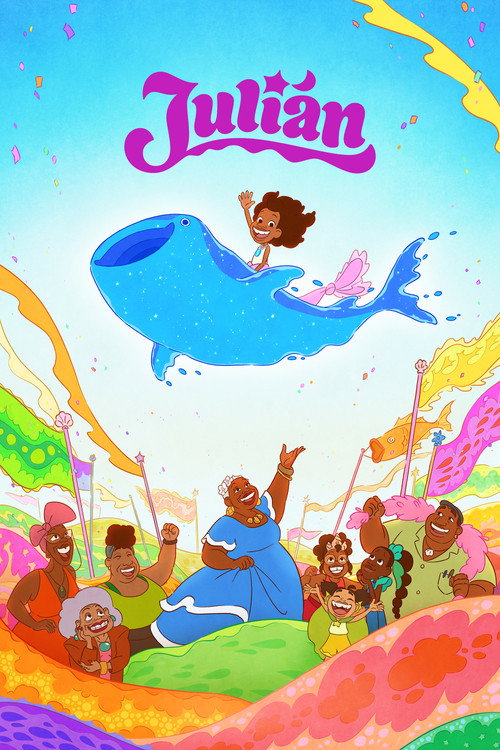
Julián
Julián's mermaid identity is the film's central conceit — he carries it as a true inner self amid Abuela's tradition-bound expectations, which create implicit pressure to conform. The Mermaid Parade is the explicit turning-point reveal where his identity is 'affirmed rather than questioned.' All five signals fire: he hides/explores a suppressed nature; conformity with Abuela's worldview is shown as stifling; the parade functions as the transformation/reveal scene; community acceptance follows self-acceptance; and the narrative frames joy and cultural rootedness as flowing directly from his authentic self-expression.

Bad Counselors
Both protagonists actively hide and suppress their core identities (frat-boy nature, lack of faith, hedonistic habits) to pass as wholesome Christian counselors — signal 1. The entire comedic engine is the painful, escalating clash between who they actually are and who they must pretend to be, with the camp environment, authority figures, and court-order stakes all sustaining external pressure to maintain the false persona — signal 2. The plot explicitly frames their 'true frat-boy nature' as the force pulling against the manufactured identity, and the spiral-out-of-control structure implies the ruse must collapse into an authenticity reckoning, satisfying the core arc even if the resolution is not described.

Virginia Woolf's Night & Day
Katharine outwardly complies with the unwanted engagement while inwardly resisting (suppressed true self); Edwardian convention and her father's pressure make conformity visibly stifling; the film's arc tracks her turning point toward self-authorship; the resolution explicitly places her on 'her own terms rather than those prescribed by tradition,' framing authenticity as the source of fulfillment.

Maddie's Secret
Maddie suppresses her authentic self — a person with bulimia — behind a performed identity (the wholesome, curated food influencer) under intense external pressure to maintain that image. All three core elements are present: (1) she hides a core aspect of herself (the relapse); (2) influencer culture exerts relentless pressure to conform to her brand persona; (3) the film frames recovery as the arc, implying a trajectory toward reclaiming authentic selfhood as resolution. Signals: Maddie explicitly 'pretends to be normal,' hiding her disorder from everyone around her; conformity is shown as directly painful and stifling — the effort to sustain the illusion causes her quiet, private unraveling.
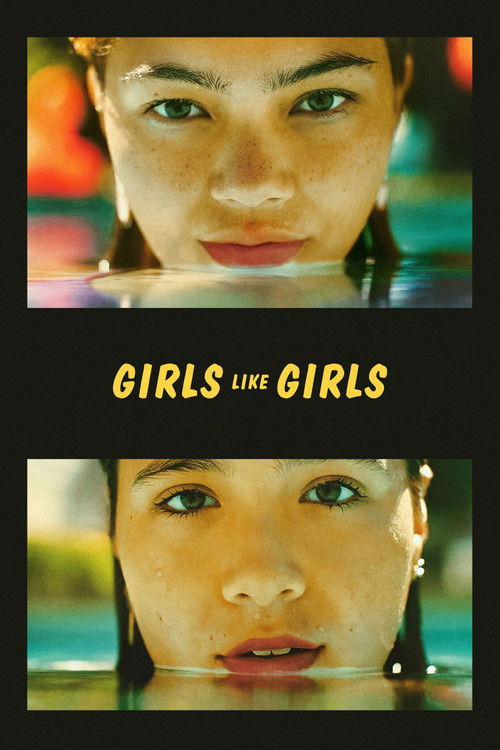
Girls Like Girls
The film's central arc is queer self-acceptance. Sonya suppresses her identity by dismissing their first kiss as 'drunken confusion' and coldly telling Coley their closeness meant nothing (signal 1: denies her nature). The rural social environment and Sonya's friend group enforce conformity at clear emotional cost (signal 2). Coley's kiss with Alex — confirming she feels nothing — and Sonya's final open declaration each mark explicit moments of self-acceptance (signal 3). Kendrick and Blake's visible same-sex relationship provides Coley external affirmation (signal 4). The story closes on happiness and laughter that flows directly from Sonya stepping into authenticity (signal 5).

40 Dates and 40 Nights
Leah's guarded nature and over-engineered dating strategy function as suppression of her authentic self. The aunt's wager creates external pressure that turns her into a systematic dater rather than a genuine connector — a manufactured persona. The photographer models the opposite: unscripted, unhurried authenticity. The film's resolution is Leah's self-discovery that the obstacle to love is her own control mechanisms, and happiness arrives only when she stops performing and lets herself be real. Signals: (1) she denies her authentic romantic nature behind a methodical façade; (2) the methodical approach is explicitly framed as the obstacle, not her circumstances; (3) self-discovery is the direct mechanism of resolution. Criterion 2 (external pressure) is partially met — the wager imposes a structure that keeps her in a performative rather than authentic mode.

Masters of the Universe
Adam suppresses his alien/royal identity and lives anonymously in Oklahoma, baffling coworkers who hear his 'alien heritage' stories. The sword-raising declaration ('I have the power') is the explicit self-acceptance transformation. The film thematically anchors the power of He-Man in Adam's authentic humanity—courage and compassion—not in the sword itself.

Bouchra
Bouchra suppressed her queer identity for nine years after an unresolved coming-out letter; the writer's block on her semi-autobiographical film literalizes the stifling cost of that suppression. The family dinner in Casablanca where she speaks openly about her film is the transformation/reveal scene. Her aunt's warm 'I am with my best family' marks social acceptance following self-acceptance. Crucially, the creative breakthrough flows directly from authenticity — the honest calls with her mother become the raw material for the film, making self-acceptance the literal source of artistic power.

Sugar Beach
Rosalyn suppresses her core emotional reality — grief over her twin brother — by performing as the high-achieving valedictorian while numbing herself with alcohol and escapism, satisfying the 'denies their nature / pretends to be normal' signal. The relationship and substance abuse function as a facade over her unprocessed trauma, mirroring the 'conformity is painful' signal in the gap between her external life and inner collapse. The film's resolution axis — 'forced to confront the unresolved trauma... as the only path toward genuine healing' — directly maps the 'strength flows from being authentic' signal. All three core detect_when criteria are met: suppression of a core aspect (grief as identity), implicit pressure to maintain the privileged-family / valedictorian surface, and a turning point toward confronting rather than fleeing her true self.

Lucid
Mia's core problem is an identity crisis — she cannot figure out who she really is, and the blocks in her mind she did not put there represent a suppressed true self. The creative block and looming expulsion signal the pain of failing to be authentic. The drug throws open a door to her subconscious, forcing confrontation with the monsters and the monstrous mother that embody her suppressed identity. The film's culminating reckoning — excavating and confronting buried trauma — functions as the turning point of self-acceptance; her artistic flourishing begins precisely when she starts this inward journey.

Tuner
Niki's hyperacusis forces him to suppress his core identity as a pianist — he wears ear protection constantly and cannot perform publicly. His authentic self is stifled by the condition and compounded by being coerced into a criminal role (safecracker) that is equally foreign to who he is. The ironic turning point — Uri's air-horn assault rupturing his eardrums and freeing him from hyperacusis — functions as the transformation moment. Reconciliation with Ruthie follows, and the closing image of Niki playing piano publicly for the first time in years is the payoff of reclaiming his authentic identity. Signals: hides/suppresses ability (constant ear protection, abandoned piano career); conformity to condition is shown as painful and stifling; a clear transformation scene (eardrum rupture → freed from hyperacusis); acceptance from others follows self-acceptance (Ruthie reconciliation); happiness/peace flows directly from being authentic (closing piano scene).

Finding Emily
Emily Raine suppresses her true capacity for romantic connection behind an academic identity that defines love as irrational. Her thesis and researcher role create the external framework she conforms to, at the cost of growing ethical distress. The turning point is a public self-exposure on the same podcast where Owen went viral — she confesses the deception (self-revelation), then abandons her academic presentation to act on her feelings (self-acceptance). Owen's acceptance and their kiss confirm that authenticity produces the happiness her rationalist persona withheld. Three signals are clearly present: denial of her romantic nature, a transformation/reveal scene, and acceptance flowing from self-disclosure.

Speed Demon
Lu actively suppresses her religious calling — she took orders reluctantly, drinks heavily, and is in faith crisis. Her self-destructive arc signals the pain of denying her true nature. The climax (performing the first-ever nun exorcism) is a literal transformation scene in which she embraces the warrior-nun identity she had been repressing, and her authentic faith is the direct source of power that defeats Asmodeus.
Takeover
Guy explicitly suppresses his underworld identity by going straight after prison, only to be forced by circumstances to re-embrace 'the version of himself he believed he had left behind.' The film frames this as a reckoning rather than a tragedy: his authentic street-operator self — the skills, the reputation, the network — is precisely what saves his family. Three signals fire: hiding/suppressing his true capabilities, the climactic confrontation with his former self as a turning point, and his street skills (authentic identity) being the decisive source of power.
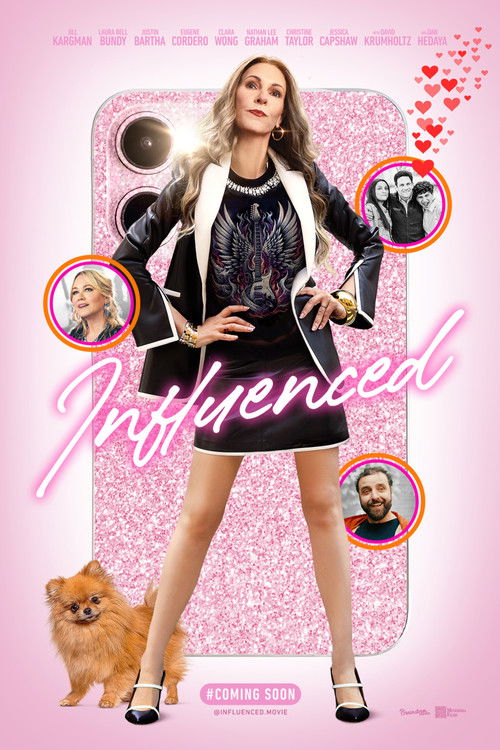
Influenced
Dzanielle's curated online persona explicitly represents a suppressed true self — the gap between 'filtered public self and real identity' is the core conflict (signal 1). Influencer culture exerts relentless conformity pressure (signal 2). An unexpected new friendship forces the reckoning that catalyzes her transformation (signal 3 — turning point). That friendship also provides the acceptance that follows self-acceptance (signal 4). The resolution — trading follower obsession for genuine connection — frames authenticity as the direct source of meaning and happiness (signal 5).

Original Sound
Danny is thrust into Manhattan's music scene through a transactional collaboration that was born from theft and power imbalance — a setting that implicitly pressures him to compromise his creative identity. The phrase 'original sound' signals that diluting his authentic style is the temptation he resists. The 'sting of disappointment and betrayal' in navigating the industry maps to conformity shown as painful (signal 2). The resolution — 'finds validation and resilience by staying grounded in his own creative identity' — is the textbook E1 payoff: strength flows directly from authenticity (signal 5). A third signal is the implicit threat to suppress his identity: the collaboration deal is described as 'transactional' and the industry as 'built on power imbalances,' establishing the external pressure to conform (signal 1 by implication).

Mārama
Mary/Mārama was raised under an English name with her Māori identity suppressed by white guardians—core aspect actively hidden. External pressure to conform is structural (colonial upbringing, 1859 England). The Haka and reclaiming the name Mārama is the explicit transformation/self-acceptance scene. Her Matakite powers fully awaken only as she reclaims her identity, directly tying strength to authenticity.

Erupcja
Bethany suppresses her sapphic identity while in a stable heterosexual relationship with Rob, who is on the verge of proposing. External pressure to conform (the romantic itinerary, the engagement ring, the 'stable' relationship) is shown as unsettling and stifling — she 'pulls away' from Rob's plans. The 'effortless, harmonious energy' with Nel contrasts sharply with her unease with Rob, signaling that her authentic self is being denied. The quiet ending of 'life-changing decisions' represents the turning point of self-acceptance. The recurring volcanic eruption motif — igniting only when Bethany and Nel are together — functions as a symbol of authentic identity breaking through suppression.

Departures
Benji's queer adolescence without role models is explicitly shown to have produced insecurities and negative self-image — a suppressed or underdeveloped authentic identity under social pressure. The film's three-timeframe structure traces a painful arc from that formative suppression, through a series of relationships that reflect poor self-worth, to a final 'almost-happy ending' framed as Benji learning what he deserves — functioning as a bittersweet but legible moment of self-acceptance. Two signals are met: conformity/lack of authentic queer identity is shown as damaging, and the resolution is oriented around reclaiming self-worth rather than romantic fulfilment.

More Beautiful Perversions
Aiko suppresses or is unaware of her queerness at the start; through her encounter with Deedi she discovers 'her own queerness' and a deeper sense of self. Her prior city life is marked by disillusionment (conformity as stifling). The narrative arc culminates in self-acceptance and authentic connection to both identity and environment, framing authenticity as transformative growth.

The Last Whale Singer
Vincent suppresses and denies his singing ability out of grief and self-doubt; the external pressure to fill his father's legendary role functions as a conformity demand (be the Whale Singer, not yourself); the resolution is framed explicitly as finding his own voice from within, with the power to save the ocean flowing directly from this act of self-acceptance.
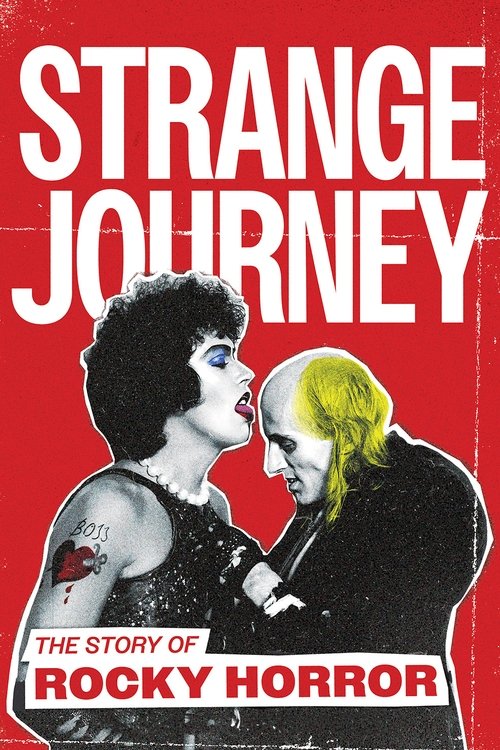
Strange Journey: The Story of Rocky Horror
The documentary's central thesis is that Rocky Horror became a communal safe haven for people who felt different, marginalized, or outside mainstream society — particularly LGBTQ+ communities. The plot describes fans hiding their identities in mainstream society (conformity shown as painful against a backdrop of the AIDS crisis and social inequality), finding a turning point through Rocky Horror's midnight screenings and participatory culture (costumes, shadow casts), and gaining acceptance and self-expression within that community. Three signals are clearly present: people suppressing their true nature in mainstream life, the Rocky Horror experience functioning as a transformation/reveal moment of self-acceptance, and strength and happiness flowing directly from authentic self-expression within the fan community.

I Swear
John suppresses and apologizes for his Tourette's for decades, facing painful pressure to conform (bullying, corporal punishment, expulsion, social isolation). The clear turning point is Dottie explicitly encouraging him to stop apologising for his condition. Post-acceptance, John embraces his identity publicly — hosting awareness workshops, delivering talks, and meeting other Tourette's sufferers — with the MBE recognition as the culmination of strength flowing directly from authenticity rather than concealment.

Poetic License
Liz suppresses her desire for reinvention while conforming to the neglected empty-nester wife role; Dora similarly struggles to assert herself in an unfamiliar community. Both arcs resolve explicitly through self-acceptance rather than romantic or external rescue, and the film frames conformity as the source of Liz's restlessness and inauthenticity as her central wound.

Before We Forget
Matias spends the entire film unable to name or express his feelings for Alexander — a suppressed queer identity that goes undeclared. This suppression is shown as directly painful (depression after Alexander's expulsion). Kathrine's romantic pursuit of Matias adds heteronormative pressure to conform. The adult Matias framing the reunion as finding 'the ending his film has been missing' is a clear metaphor for finally reckoning with his true identity — life imitating art as self-acceptance. Three signals: (1) denying/unable to name his nature, (2) conformity causes depression, (3) the reunion/reckoning is the turning point toward authenticity that closes both the film and his emotional arc.

SIX: The Musical Live!
The queens are initially constrained to identities defined entirely by their relation to Henry — the competition format pressures each to perform her victimhood rather than her full selfhood. Catherine Parr's mid-song pivot is the turning-point of self-acceptance: she refuses the premise and proposes they tell their own stories on their own terms. The closing number imagines alternative fates for each queen, celebrating individual identities beyond their marriages. Strength and resolution flow directly from embracing authentic selfhood rather than competing within Henry's frame.

Magic Hour
Harriet suppresses her filmmaking identity for years and leads a secret double life to avoid judgment — satisfying the hiding/conformity core. All five signals fire: she conceals her film-school enrollment (hiding abilities), her stagnant suburban life is framed as stifling (conformity as painful), Emma's discovery of her secret is the pivotal reveal scene, repair of the mother-daughter relationship follows self-acceptance, and the story closes with Harriet having 'reclaimed a sense of self-worth' through authentic creative pursuit.

Reading Lolita in Tehran
The women publicly comply with mandatory veiling and ideological constraints while secretly sustaining their intellectual lives — hiding core aspects of themselves under extreme external pressure to conform. The clandestine reading group is the turning point of self-acceptance; Azar explicitly refuses the veil and resigns rather than surrender her identity. The discussions are described as the one space where the women 'speak freely, assert their identities, and find solidarity,' with authenticity directly producing strength and happiness. Conformity is shown as pervasive and painful, 'bleeding into every corner of their lives.'

The Easy Kind
EC hides deep vulnerability beneath a deliberately flashy exterior (bold clothes, blonde hair), satisfying the suppressed-true-self signal. Nashville's conventional star-making machinery functions as explicit external conformity pressure. EC's gradual arc toward 'genuine artistic fulfillment on her own terms' is the story's stated resolution — a classic self-acceptance turning point. The film frames self-expression and creative authenticity as hard-won, making authenticity itself the source of strength and resolution. The fourth signal — Clay representing possibilities she resists accepting — mirrors the 'conformity is stifling' pattern: even help and connection are filtered through her need to eventually choose herself.
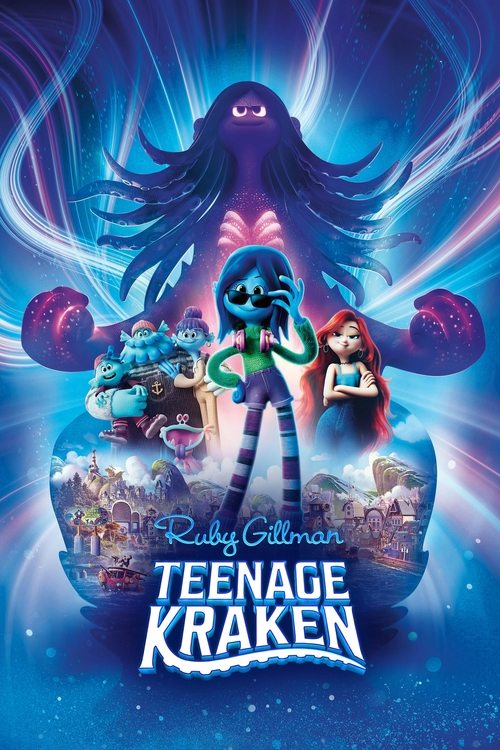
Ruby Gillman, Teenage Kraken
Ruby's family enforces strict concealment of their kraken nature (hiding abilities); Ruby is shy and awkward trying to pass as a normal teen (conformity as painful); her accidental underwater transformation is the reveal/self-acceptance pivot; she is ultimately celebrated as a hero by classmates (acceptance follows); and embracing her kraken powers is the direct source of her strength and victory.
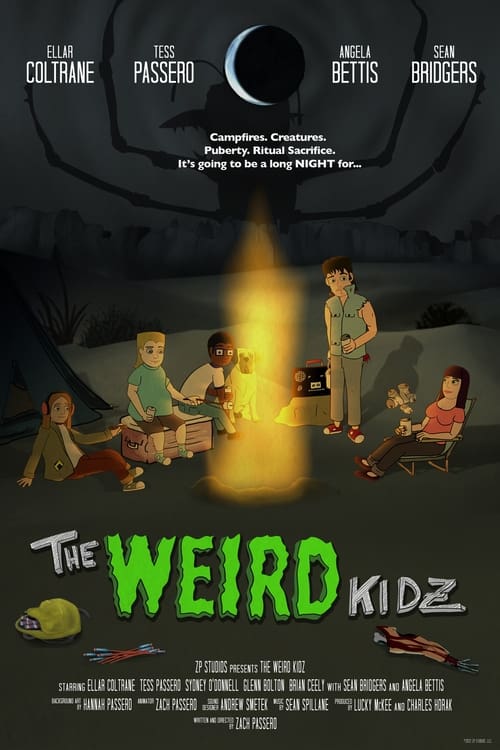
The Weird Kidz
Dug suppresses his inner weirdness and feminine side throughout the story, denied under implicit small-town 1980s conformity pressure. His encounters with the Night Child serve as the transformation moment of self-acceptance. The film frames coming-of-age growth — earned specifically through embracing his authentic self — as the payoff, with strength flowing directly from authenticity rather than conventional adolescent milestones.

I Don't Speak English
Dave spent years deliberately suppressing Spanish and his bicultural identity to conform to a conservative public persona — a clear case of hiding a core aspect of himself under external pressure. The aphasia forces the reckoning: he can no longer maintain the false identity. Through the road trip and immersive experience with Marielena's community, he undergoes a personal transformation that amounts to embracing the suppressed self. Signals: (1) character denies/suppresses core identity for years; (2) a transformation arc marks the journey toward self-acceptance; (3) acceptance from Marielena and her family follows his authentic engagement with their world.

Love Jacked
Maya suppresses her artistic ambitions to meet Ed's expectation that she will run the family store, and fabricates the fake-fiancé ruse to avoid the shame of a broken engagement — both are acts of conforming over authenticity. Malcolm pretends to be an entirely different person throughout. The climactic confrontation — where both the real Mtumbie and Malcolm arrive simultaneously — forces an open, unrehearsed confession of genuine feelings, the classic reveal-and-self-acceptance beat. The optimistic close rewards honesty: the couple is together and a studio is being built for Maya's art, directly flowing from the moment authenticity replaced performance.

Girls Like Magic
Magic suppresses her true romantic/sexual identity by staying with a chauvinist boyfriend; the story explicitly frames its central theme as 'coming to terms with identity and desire outside the binary of gay or straight,' satisfying the hiding-core-self condition. Conformity is painful and stifling — Magic is isolated, adrift, and controlled. External pressure comes from the boyfriend and from binary social expectations around sexuality. The will-they-won't-they arc resolves when both women profess their love, marking the mutual self-acceptance turning point. Happiness and resolution flow directly from this act of authenticity.

Jumanji: Welcome to the Jungle
Each student is locked into a rigid social identity at school (Spencer the insecure nerd, Martha the rule-follower, Bethany the self-absorbed popular girl, Fridge the jock), then forced into avatars that invert or challenge those roles. Through the adventure they discover genuine capabilities they had suppressed. Spencer finds real confidence, Martha finds courage and capability, Bethany finds empathy and selflessness. The game world functions as the transformation/reveal mechanism, and the teens return changed — stronger and more authentically themselves. Strength and connection flow directly from shedding the performed identities.

Ghost in the Shell
The Major is forced to live as 'Mira Killian'—an entirely fabricated identity—suppressing her true self as Motoko Kusanagi. The hallucinations and fragmented memories are the pain of suppressed authenticity. Kuze's revelations trigger her self-investigation. The resolution is explicitly her reclaiming her real name and returning to duty 'on her own terms,' with strength flowing directly from that self-knowledge.

La La Land
Seb's arc is the core pattern: he suppresses his authentic jazz identity by joining a commercial jazz-pop band under financial pressure (conformity shown as a betrayal of his values — Mia explicitly frames it this way). The resolution is him opening Seb's, the traditional jazz club he always dreamed of, where his happiness and fulfillment flow directly from embracing who he really is. Mia's breakthrough audition reinforces the theme: she succeeds precisely when she delivers an emotionally authentic, personal monologue rather than a conventional performance. Signals present: (1) conformity depicted as stifling and a moral wrong, (2) a transformation/self-acceptance moment anchors the five-year epilogue, (3) happiness and success flow directly from authenticity for both protagonists.

Spud 3: Learning to Fly
Spud spends the film navigating conformity pressures — a scholarship contingent on meeting institutional standards, broken social pacts, and confirmation classes imposed without consent — while suppressing his authentic voice. The climactic election speech, explicitly framed as 'honest' about his struggles and values, is the self-acceptance turning point. The plot literally states 'his authenticity wins the day,' the scholarship follows, and Debbie reconciles with him — acceptance flowing directly from self-acceptance. His final conclusion that true freedom comes from genuine human bonds rather than prizes he has chased reinforces authenticity as the story's central moral.
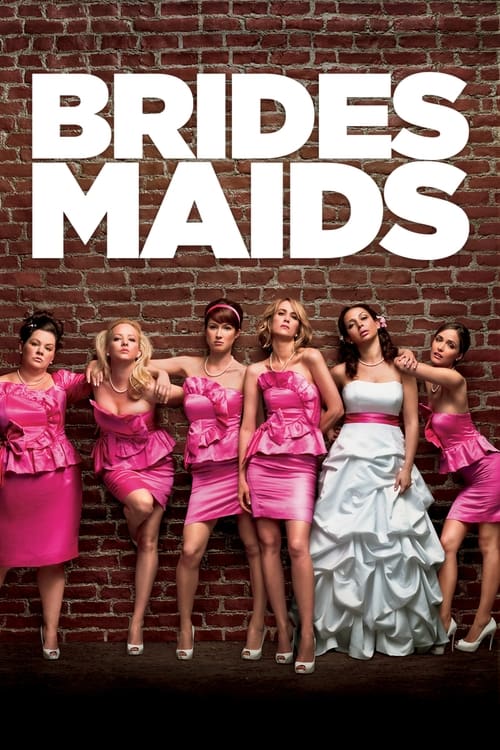
Bridesmaids
Annie is suppressing her core identity as a talented baker—her failed bakery represents her authentic self she refuses to reclaim. When Nathan gifts her baking supplies to encourage a fresh start, she panics and shuts him out, a direct act of self-suppression. Competing with Helen by trying to be something she is not is shown as progressively destructive and stifling. The resolution—Annie accepts herself, reconciles with Nathan, and resumes her rightful role as maid of honor—maps to the self-acceptance payoff. Signals present: denial of her baker identity/nature, conformity with Helen's standards shown as painful and self-defeating, and happiness/restoration flowing from finally embracing who she is.

Ponyo
Ponyo's human-hearted desire is suppressed by Fujimoto, who physically returns her to the sea and insists she remain a fish. The entire arc is her pushing against that forced conformity until she reaches the bubble transformation — a literal self-acceptance scene — where she freely gives up her magical powers to be who she truly is. Four signals fire: conformity is shown as painful and stifling, the transformation scene marks the moment of self-acceptance, acceptance from Fujimoto follows, and Ponyo's joyful human emergence shows strength and happiness flowing directly from authenticity.

Akira's Hip Hop Shop
Both protagonists suppress their authentic romantic connection under pressure from family, friends, and social prejudice rooted in cultural difference — satisfying the external-conformity pressure element. The film's arc of 'navigating cultural expectations and stereotypes as they work toward accepting their connection' maps to the core pattern of suppression → turning point → self-acceptance. Two signals present: conformity/social resistance is shown as the central obstacle (painful/stifling), and the resolution is framed as the characters embracing their genuine bond despite outside judgment. Supernatural or ability-hiding signals are absent; the trope manifests here as relational/cultural identity rather than literal self-concealment, making this a moderate rather than strong match.

The Incredibles
The Superhero Relocation Program forces the entire Parr family to suppress their true identities. Bob's civilian life is depicted as deeply painful and stifling; Dash chafes at hiding his speed; Violet's social anxiety is tied to suppressing her powers. The emotional climax is the family openly suiting up together, with strength and happiness flowing directly from embracing authenticity.

The Banger Sisters
Lavinia has fully suppressed her rock-and-roll identity to become 'Lavinia Kingsley,' a buttoned-up conservative housewife — a character pretending to be normal and denying her true nature. Conformity is framed as stifling: she is 'horrified' by Suzette's intrusion because it threatens her 'carefully constructed new life.' The sunrise billboard scene is the explicit transformation/self-acceptance moment. Afterwards, 'Lavinia's family comes to accept her fuller, more human self,' confirming that acceptance from others follows self-acceptance. The emotional catharsis of the film flows directly from Lavinia reclaiming her authentic identity.

Wet Hot American Summer
Gene's arc is a textbook Be Yourself pattern: he hides unconventional personal fetishes (suppressed true identity), struggles to conceal them under social pressure (conformity shown as stifling), receives a turning-point nudge from a talking can of vegetables urging him to be himself (self-acceptance trigger), then openly shares his quirks (reveal scene) and receives warm applause from campers and staff (acceptance flows from authenticity). All five signals are present: he pretends to be normal, conformity causes ongoing strain, a distinct reveal moment marks self-acceptance, communal acceptance follows, and happiness/relief flows directly from being authentic.

Legally Blonde
Elle faces relentless external pressure to suppress her bubbly, fashion-forward identity and conform to the Harvard Law mold (professors dismiss her, Warner wants a 'serious' partner, classmates mock her pink wardrobe). She briefly internalizes this doubt but never truly abandons herself. The climax literalizes the 'be yourself' arc: her specialized knowledge of hair care — a product of her authentic identity — is the decisive factor that exonerates Brooke. Acceptance from Vivian and Emmett follows her self-acceptance, not the reverse. Strength flows directly from authenticity.

Shrek
Both leads hide their true selves: Fiona conceals her nightly ogress transformation under a princess façade; Shrek masks vulnerability and longing for connection behind deliberate antisocial isolation ('ogres have layers'). Both face external pressure to conform to fairy-tale archetypes (handsome prince/beautiful princess). Fiona's permanent transformation into an ogress at the curse-break is the literal reveal that her 'true form' was always the ogress. Shrek's acceptance of her — and her acceptance of herself — is the emotional resolution, with happiness and belonging flowing directly from authenticity rather than conformity.
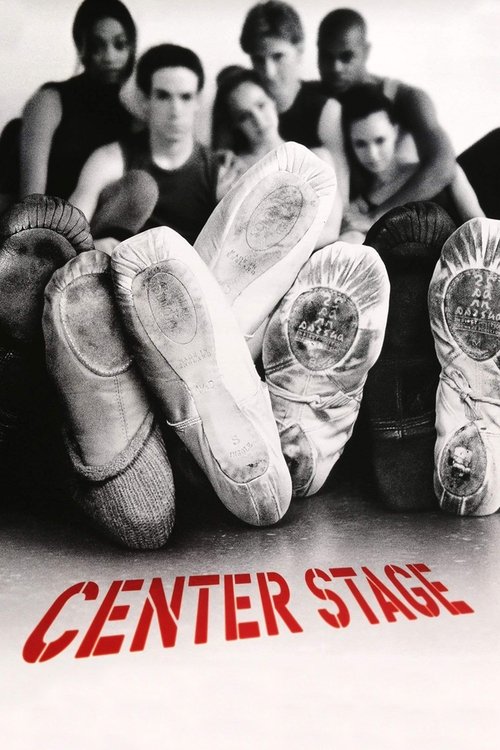
Center Stage
Maureen suppresses her true self throughout — continuing to dance against her will under Nancy's relentless pressure, with bulimia as the visible symptom of that forced conformity. The turning point is her decision to walk away from ballet entirely, returning to Jim and beginning recovery. Eva's arc reinforces the theme: her raw, rebellious talent clashes with faculty demands for conformity, and she ultimately succeeds when her authentic quality is recognized by Juliette. Conformity is shown as actively damaging (Maureen's eating disorder, psychological deterioration), the break from it is staged as liberation, and resolution flows directly from each character settling into an authentic path.

Revolutionary Girl Utena: The Movie
Anthy has been forced into the passive 'Rose Bride' identity — suppressing her full consciousness, agency, and dormant witch powers — under the crushing external pressure of the dueling system that treats her as a prize to be owned. Her conformity is explicitly painful (she was raped and stabbed while remaining suppressed). The surrealist climax is her liberation: Utena metamorphoses, Anthy takes the wheel, and her authentic self drives them to freedom.

The Iron Giant
The Giant physically hides his nature in Dean's junkyard while the military and Mansley pressure him to be what his programming says he is — a weapon. The climactic reveal ('you are what you choose to be') is the moment of self-acceptance, and the Giant's heroic sacrifice flows directly from embracing his chosen identity over his programmed one. The transformation scene (rising to intercept the missile as 'Superman') marks the moment authenticity becomes action.

Club Wild Side
Haley arrives inhibited by small-town conformity (suppressed core identity), experiences external social norms that kept her naive and restrained (pressure to conform), and undergoes an explicitly 'transformative' awakening at Club Wild Side where she sheds those inhibitions and discovers her true desires (turning-point self-acceptance scene). Three signals present: conformity framed as stifling, a marked transformation scene, and authentic self-expression as the source of her newfound vitality.

The Nutty Professor
Sherman suppresses his true self by creating Buddy Love to escape humiliation over his weight and appearance. Conformity to society's body standards is shown as painful and degrading. The Alumni Ball climax is an explicit self-acceptance reveal: Sherman confesses everything publicly, accepts his body and personality, and is rewarded with reinstatement, a $10M donation, and genuine friendship — all flowing directly from authenticity rather than performance.

The Birdcage
Armand and Albert suppress their true identities under social pressure from Val's request and the conservative Keeleys; Albert is explicitly devastated at being sidelined (conformity is painful and stifling); Albert ultimately shows up as himself anyway (in drag); Val's public confession is the turning-point reveal where authenticity replaces the charade; both families accept the truth and the film closes with a joyful wedding — happiness flows directly from being authentic.

The Piano
Ada suppresses her authentic self through elective mutism and a controlled demeanor enforced by Alisdair's arranged marriage and colonial expectations. She initially restricts herself further (playing only black keys as resistance). Her turning point is seeking George out of her own volition — desire becoming agency. Resolution flows directly from embracing her true self: she chooses life over the piano, and in the epilogue she learns to speak and continues music with a prosthetic finger. Signals: conformity is visibly painful; the moment she pursues George marks her transformation; strength and happiness track her authenticity; hiding/suppression (mutism, restricted playing) is the baseline she must escape.

Fried Green Tomatoes
Evelyn has spent years suppressing her true self as a passive, meek housewife under a dismissive husband. Ninny's stories act as the catalyst: Evelyn sheds her conformity, stands up to Ed, and reinvents herself with new purpose and self-worth. Conformity is explicitly shown as stifling, the transformation scene is the emotional climax of the modern storyline, and happiness flows directly from her newly authentic self.

He-Man and She-Ra: The Secret of the Sword
Adora has been living a false identity as a Horde Force Captain, suppressed by Shadow Weaver's brainwashing. Breaking the enchantment leads directly to her transformation into She-Ra — a literal transformation marking self-acceptance. Her powers and role as champion flow entirely from embracing her true identity. The Rebellion accepts her once she accepts herself.