Movie
Agatha’s Almanac: WATCH YOUR CORNER
Cultural messages
Nature Knows Best
highThe film's stated intent is to capture the 'healing power of a connection with nature' as a counterweight to 'an uncertain and constantly changing present' — directly framing nature as spiritually restorative and modern life as depleting. Agatha's farm and seasonal rhythms are visually idealized through 16mm grain. She lives without modern infrastructure, with natural/handmade solutions as the implicit superior alternative. The contrast with modernity is explicit in the director's framing even though modern life never appears on screen.
About this message: The natural world, indigenous peoples, or pre-industrial life is portrayed as inherently wise, pure, morally superior, or spiritually richer than modern civilization. Nature is a source of truth that technology has replaced.
The Old Ways Were Better
highThe film valorizes ancestral, pre-modern rural life across every dimension: heirloom seeds passed through generations, baking and canning without modern infrastructure, makeshift tools, and seasonal rhythms unchanged by progress. The 16mm aesthetic renders this world as warm and tactile versus an implied cold, rapidly changing present. Traditional knowledge (growing, preserving, harvesting) is shown as complete and self-sufficient. The director frames the old ways as a stabilizing counterweight to modernity — change is loss, continuity is virtue.
About this message: Traditional, ancestral, rural, or pre-modern life is portrayed as inherently better than modern alternatives. Progress is corruption, not improvement. The past is idealized as a golden age.
Movies that share these tropes



Full plot (spoilers)
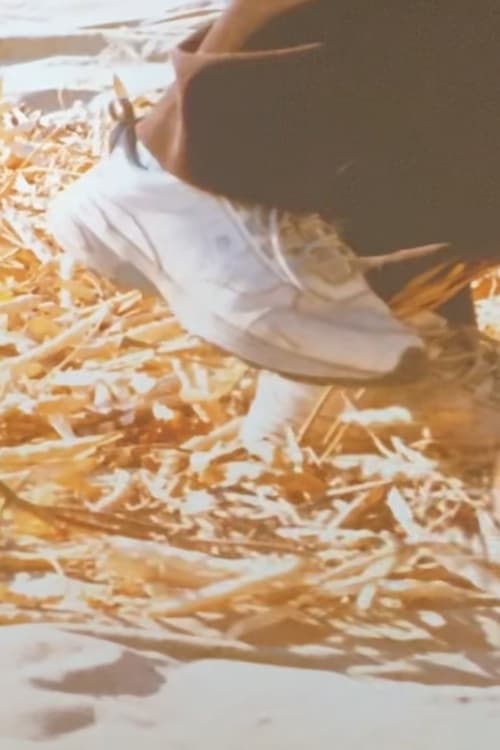
Agatha's Almanac: WATCH YOUR CORNER is a short (approximately 10-minute) observational documentary directed by Canadian visual artist Amalie Atkins, premiering September 1, 2022, at the Anchorage Museum. It is one of the early individual chapters in Atkins' broader multi-part Agatha's Almanac project. The film follows Agatha Bock, Atkins' elderly aunt, as she goes about her daily rituals of growing and harvesting on her ancestral farm in rural Manitoba. The film is structured in four seasonal segments, each capturing how Agatha adapts her activities to shifting weather and the recurring demands of farm life — planting, tending, and harvesting fruits, vegetables, flowers, and herbs grown from heirloom seeds passed down through generations. There is no conventional narrative exposition or interview; the camera simply observes Agatha performing her tasks with quiet self-sufficiency: working the soil with makeshift tools, baking and canning nearly everything she eats, and living without modern infrastructure. The seasonal progression gives the piece an ephemeral, cyclical quality. Atkins' stated intent is to capture the healing power of a connection with nature and the stabilizing quality of repetitive, embodied labor as a counterweight to an uncertain and constantly changing present. The film is shot on 16mm, emphasizing a tactile, grain-rich visual texture that mirrors Agatha's handmade way of life.
Sources: TMDb overview, Letterboxd, lightdox.com, filmforum.org, viff.org