Cultural message · Nature & Environment
The Old Ways Were Better

What it is
Traditional, ancestral, rural, or pre-modern life is portrayed as inherently better than modern alternatives. Progress is corruption, not improvement. The past is idealized as a golden age.
How to spot it
The plot contains ALL of: (1) a favorable depiction of traditional or pre-modern ways of life, (2) an unfavorable contrast with modern, urban, or technologically advanced life, (3) the story validates returning to or preserving older ways.
- Rural or traditional settings are depicted as warm and authentic vs. cold modern ones
- A character finds peace by abandoning modern life
- Traditional knowledge outperforms modern solutions
- Elders or ancestral wisdom proves correct when modern experts fail
- Modernization or change is depicted as a loss rather than a gain
Classic examples
Avatar (Na'vi vs. human technology), The Hobbit (the Shire), Wakanda's isolationism in Black Panther, many Studio Ghibli films, Moana (returning to ancestral voyaging) # ============================================================================ # CATEGORY C — POWER, POLITICS & SOCIETY # ============================================================================
Movies pushing this message (23)
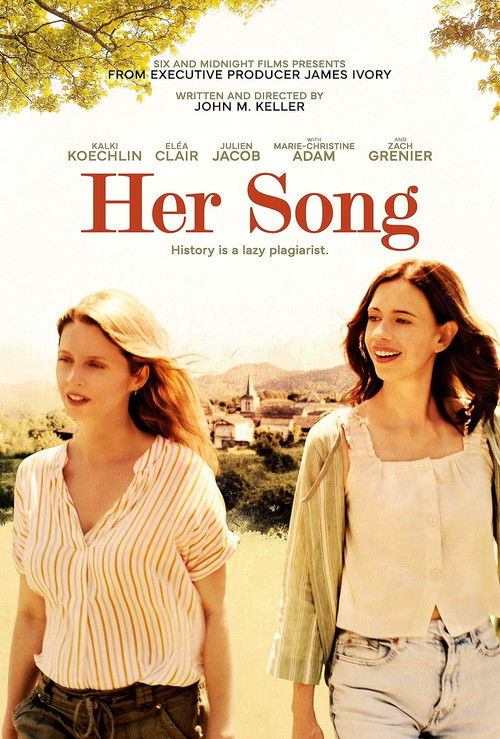
Her Song
The ancestral Pyrenean village is depicted warmly as 'sunlit… ancient stone buildings and rolling landscapes,' implicitly contrasted with Olivia's creatively stagnant NY life. Returning to the ancestral, pre-modern setting directly unlocks her breakthrough; Madeline's artisanal resourcefulness and 'vivid personality' are idealized. The film validates recovering and preserving ancestral memory over modern urban creative stagnation, and frames the pastoral village as the site of truth and renewal.
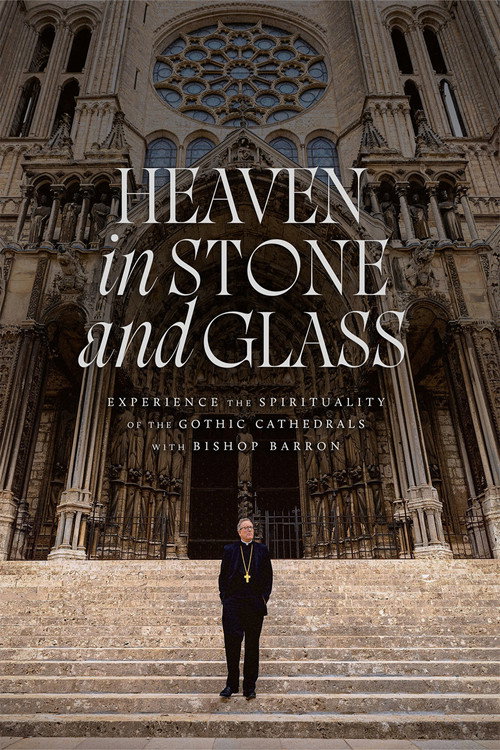
Heaven in Stone and Glass
All three detect criteria are met: (1) medieval Gothic architecture and the theology it embodies are depicted as encoding a complete, superior vision of reality; (2) 'rapidly secularizing Western culture' is explicitly named as the unfavorable modern foil; (3) the film validates preserving and returning to these pre-modern ways, insisting the cathedrals are 'living evangelical instruments' rather than museum pieces. Signals: medieval settings are portrayed as spiritually warm and transcendent vs. spiritually empty secular modernity; traditional (medieval theological/architectural) knowledge provides access to God that modern secular culture cannot; and secularization is framed throughout as loss, not progress.

Falling into Place
All three core criteria are met: (1) Maplecrest's harvest festival, childhood bucket list, and small-town community are depicted warmly and authentically; (2) Kaia's city career and the promotion pulling her back are implicitly cold and hollow by contrast; (3) the story validates reassessing the city-centric path in favour of roots. Supporting signals: rural settings are explicitly 'cosy' vs. the unnamed city; Kaia finds genuine connection and emotional peace only back in Maplecrest; and Gigi selling the family home is framed as destabilising and a loss of roots, casting change/modernisation as something to mourn rather than embrace.
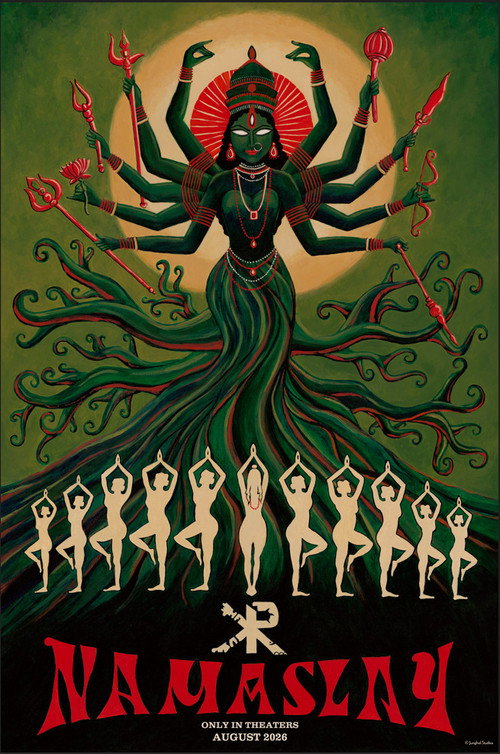
Namaslay
The film's central satirical axis is the contrast between the grandmother's traditional yoga — rooted in spirituality, philosophy, and discipline — and the elite LA studio's commercialized wellness-trend version. The old ways are positioned as authentic and superior: Reyna herself favors Gayatri's traditional fundamentals over Judy's wellness-first style, and the horror is tied to the exploitative commercialized institution, not the ancestral practice. Western commercialization is explicitly framed as corrupt and hollow, validating the traditional form as the genuine article.
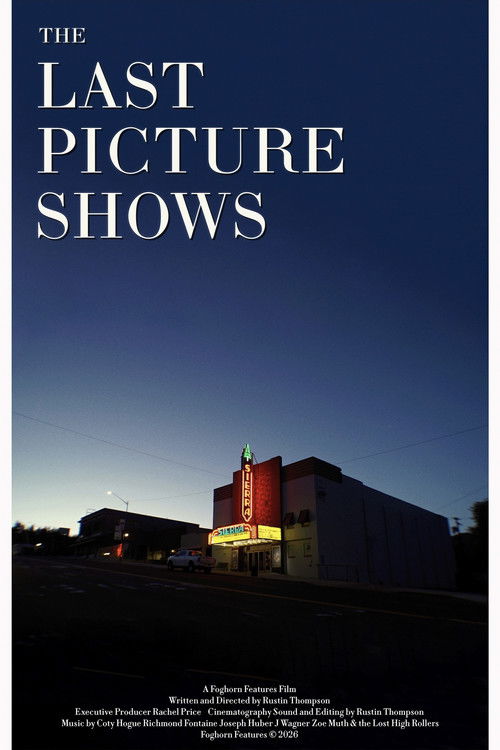
The Last Picture Shows
The film consistently depicts communal, small-town movie theaters — many century-old or art deco — with reverence and warmth (glowing marquees against desert highways, archival images), while framing each wave of modernization as loss: television, the digital conversion mandate, streaming competition, and studio short-window demands are all portrayed as destructive forces. The conversion of the Chief Theatre into a Subway restaurant and the demolition of the Elma Theatre during production are presented as unambiguous cultural degradations. The story validates preserving these older communal spaces as morally essential ('the community needs it'), meeting the core B3 pattern of favorable traditional depiction versus unfavorable modern contrast.

Toy Story 5
Traditional toy play is framed as warm and imaginatively rich, while the digital platform represents a colder, less meaningful alternative. The shift toward screens is depicted as loss — classic toys rendered 'nearly obsolete' — and Woody's return to defend the old guard validates the earlier way of playing. The film stops short of making technology purely villainous, but the thematic weight consistently positions pre-screen childhood as the superior mode.

The Siege of Paradise
The film centers on traditional trades — terraced viticulture, artisanal fishing, an inherited family restaurant — depicted warmly against the corrosive backdrop of mass tourism, satisfying signal 1 (rural/traditional settings as warm and authentic). Bartolo, having once left Vernazza and returned to tend his vineyards, loosely satisfies signal 2 (a character who finds meaning by returning to traditional life). The fisherman Guido's ancient trade shrinking to fewer than seven practitioners and the mayor's warning that the town risks becoming 'Disneyland' explicitly frame modernization — here the tourist economy — as loss rather than progress, satisfying signal 5. All three core criteria are substantially met: traditional life is favored (criterion 1), mass tourism is the unfavorable modern contrast (criterion 2), and the documentary's entire structure implicitly validates preservation of the older ways even if the ending is tonally ambivalent (criterion 3).
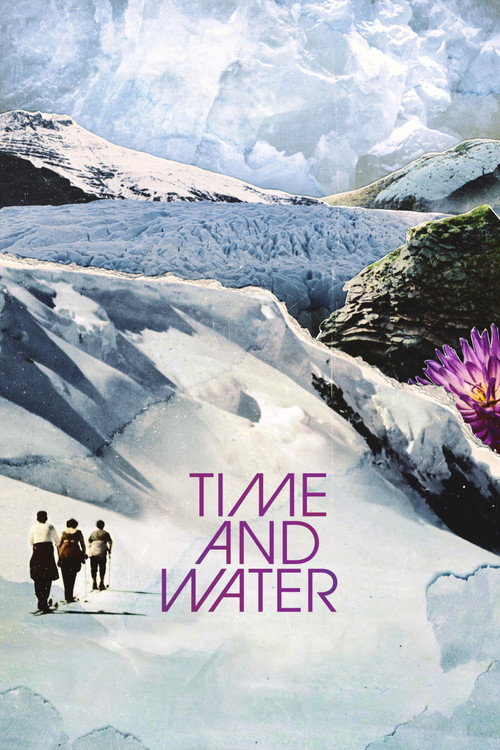
Time and Water
The film explicitly idealizes the ancestral, pre-climate-crisis relationship with Iceland's glaciers — the grandparents' era of exploration is a golden age the film mourns and tries to preserve. The project of creating a time capsule of cultural heritage (myths, songs, folklore) validates preserving older ways over modern ones. Climate change — a product of industrial modernity — is the corrupting force. The whole film frames modernization and progress as irreversible loss rather than gain. Signals: traditional/ancestral settings depicted as warm and authentic; modernization depicted throughout as loss rather than gain.
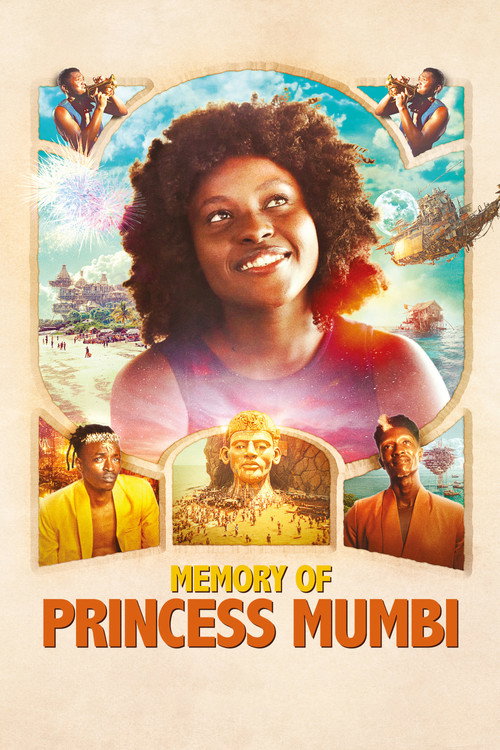
Memory of Princess Mumbi
The neighboring kingdoms deliberately banned post-2040s technology and restored traditional monarchies, explicitly framing this as protection from depression and despair — modernization is portrayed as harm, not progress. Mumbi challenges Kuve to create without AI ('only his hands, eyes, and heart'), and his compliance leads to artistic growth and appreciation of 'small, overlooked human moments,' validating the traditional approach over technological convenience. The traditional coastal setting is tonally idealized as a site of beauty and authentic human connection. Working unplugged is what unlocks Kuve's voice, directly affirming that the old way produces better and more meaningful results than modern tools.
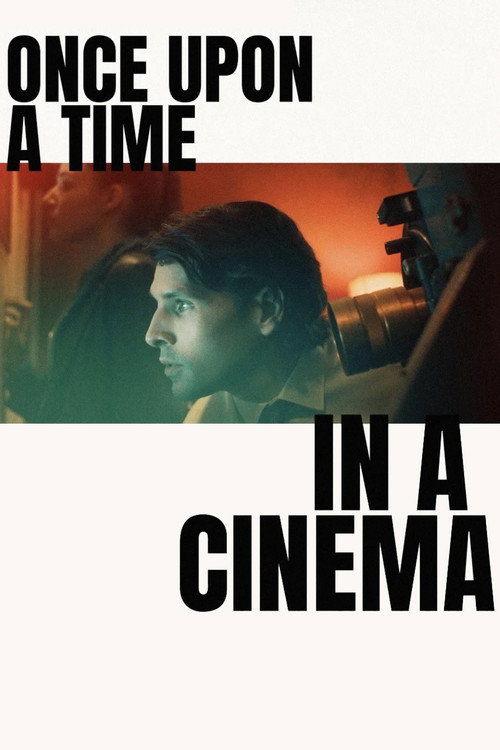
Once Upon a Time in a Cinema
The small rural Irish picture house represents traditional communal life, depicted warmly as an irreplaceable gathering place. VHS is the explicit antagonist force — modernization framed as existential loss rather than progress. The chaos-filled night paradoxically reaffirms the cinema's social power over individualized home viewing, and the film is explicitly constructed as a love letter to the Irish local-cinema tradition. Signals: rural/traditional setting idealized vs. cold modern alternative; modernization portrayed as loss; the communal experience validates itself against the technological replacement.
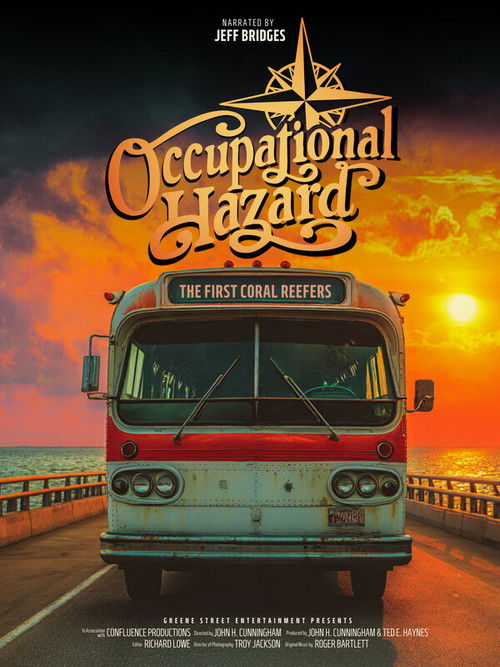
Occupational Hazard: The First Coral Reefers
The film explicitly idealizes the 1970s–early 1980s Key West music scene as a golden age of creativity untouched by corporate control ('an era of music-making free from corporate constraints'), positioning it as inherently superior to the modern music industry. Key West is framed as a warm, authentic creative hub (signal 1: traditional setting depicted as warm/authentic vs. implied cold corporate modernity). The documentary's nostalgic archival framing presents the passage of that era as a loss, treating modernization of the industry as corruption rather than progress (signal 2: modernization depicted as loss). All three detect-when conditions are met: the pre-corporate music community is depicted favorably, an implicit unfavorable contrast with today's constrained industry is present, and the film itself validates preserving those older ways by commemorating them.

The Magic Faraway Tree
The film explicitly validates abandoning modern/tech life: Polly quit her tech career after corporate surveillance violated her invention; the family trades city comforts for a countryside farm. The old ways are rewarded — the farm eventually succeeds. Tim's childhood visit to the Faraway Tree functions as ancestral wisdom proven correct when the children rediscover it, reinforcing generational continuity over modern disruption. The rural setting is warm and authentic against the cold, compromised world of technology and urban life.

Black Zombie
The documentary consistently frames original Haitian Vodou as authentic, spiritually rich, and meaningful, contrasting it unfavorably with Western Hollywood's exploitative commercialization. Haitian spiritualists and historians are centered as authoritative voices over Western industry figures (signal: traditional knowledge and elders prove correct). Western appropriation — from Seabrook's 1929 account through Disney — is depicted as distortion and cultural loss, not progress (signal: modernization as loss). The film's closing argument that reclaiming the zombie's authentic meaning is inseparable from recovering Haitian dignity explicitly validates preserving the older way (signal: story validates returning to traditional ways). The embedded dramatic sequences of a zombie seeking ancestral reconnection and return home reinforce the idealization of the ancestral and traditional over the modern Western archetype (signal: traditional setting depicted as authentic vs. cold commercial alternative).

Playing with Fire: An Ecosexual Emergency
Traditional and pre-modern practices are prominently validated: an Indigenous scholar contextualizes fire through traditional ecological knowledge; a witch-therapist and ceremonial rituals (including the Wedding to Fire) are treated as legitimate and effective responses to crisis. Modern industrial civilization causing the climate crisis is the implicit unfavorable contrast. Traditional ceremonial knowledge provides meaning and healing where conventional crisis response cannot.

Agatha’s Almanac: WATCH YOUR CORNER
The film valorizes ancestral, pre-modern rural life across every dimension: heirloom seeds passed through generations, baking and canning without modern infrastructure, makeshift tools, and seasonal rhythms unchanged by progress. The 16mm aesthetic renders this world as warm and tactile versus an implied cold, rapidly changing present. Traditional knowledge (growing, preserving, harvesting) is shown as complete and self-sufficient. The director frames the old ways as a stabilizing counterweight to modernity — change is loss, continuity is virtue.
Don't Get Trouble in Your Mind: The Carolina Chocolate Drops' Story
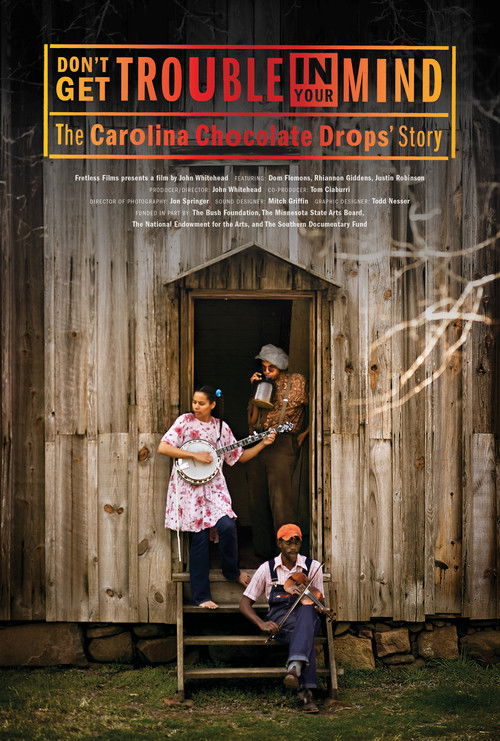
The documentary's entire premise valorizes 19th-century African-American string band traditions as authentic and nearly lost — satisfying the favorable depiction of ancestral ways. The contrast with modern life is explicit: the hip-hop generation's disconnection from roots, commercial touring pressures, and the historical erasure of Black musical contributions all function as the unfavorable modern foil. The story validates preserving/returning to older ways throughout: (1) Joe Thompson, the 87-year-old elder fiddler, is the font of wisdom whose guidance shapes the band's sound and mission; (2) Robinson's departure is explicitly framed as an homage and return to origins rather than failure; (3) the historical undocumented African roots of the banjo are treated as a suppressed truth that must be recovered; (4) dissolution and commercial touring are the corrupting modern forces set against authentic traditional practice.
Cars
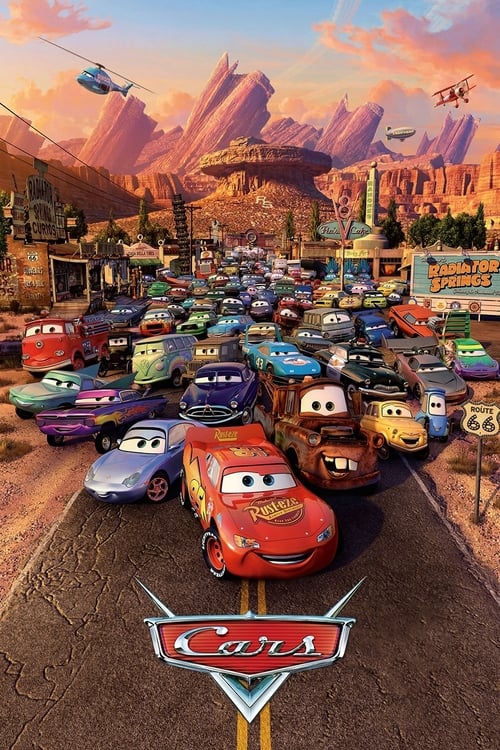
Radiator Springs on Route 66 is depicted as warm, authentic, and communal, explicitly contrasted with the cold commercialism of the modern racing world. The interstate highway bypass is framed as a tragedy — progress that destroyed a thriving community. McQueen's arc concludes with him choosing to set up his racing headquarters in Radiator Springs, validating the old way of life over the glamour of Los Angeles. The story treats the town's pre-bypass golden age as something lost and worth recovering.
How the West Was Fun
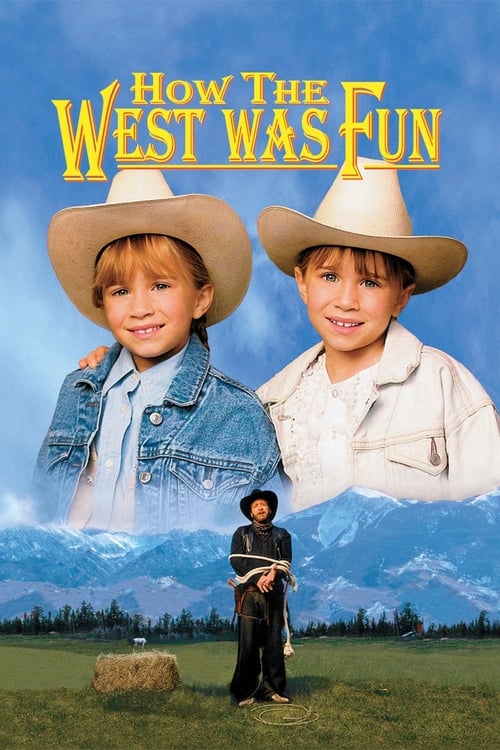
The dude ranch is depicted warmly as an authentic community worth preserving, set against a developer's plan to demolish it for a commercial theme park. Modernization (the theme park) is framed as pure loss. The resolution explicitly validates preservation: McRugger is charmed by the ranch and its people and walks away from the deal, endorsing the old way over the new development.
Earth and the American Dream
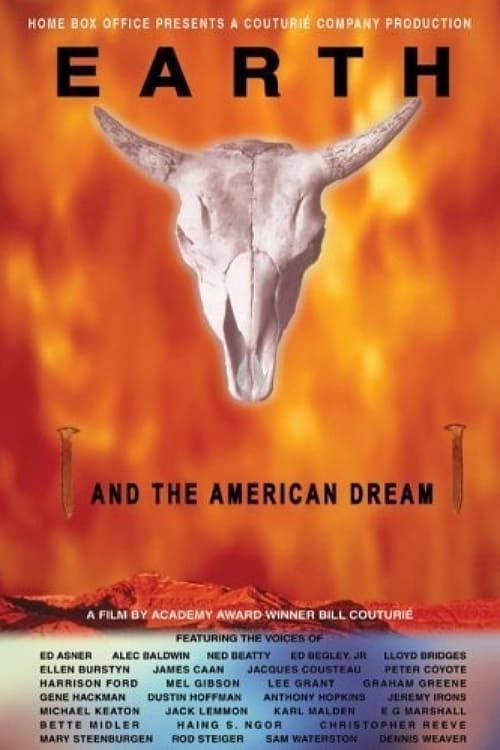
Pre-industrial life — both Indigenous stewardship and 18th-century agrarian communities — is presented as a more balanced relationship with the land. Every stage of modernization (Manifest Destiny, industrialization, corporate capitalism) is framed as loss and degradation rather than improvement. The film's elegiac tone consistently validates older ways of living in contrast to the 'progress' that consumed the continent's natural resources.
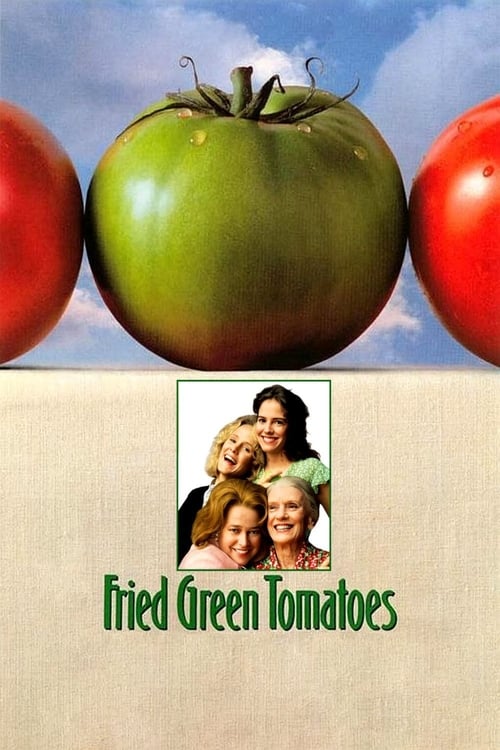
Fried Green Tomatoes
Whistle Stop in the 1920s–30s is portrayed as warm, vibrant, and community-rich against the hollow backdrop of Evelyn's modern Birmingham existence. The railroad bypassing the town is explicitly framed as a loss that erased a better, more connected way of life. Evelyn's entire transformation is catalyzed by absorbing that idealized past, and the film offers nothing in modern life as a counterweight.
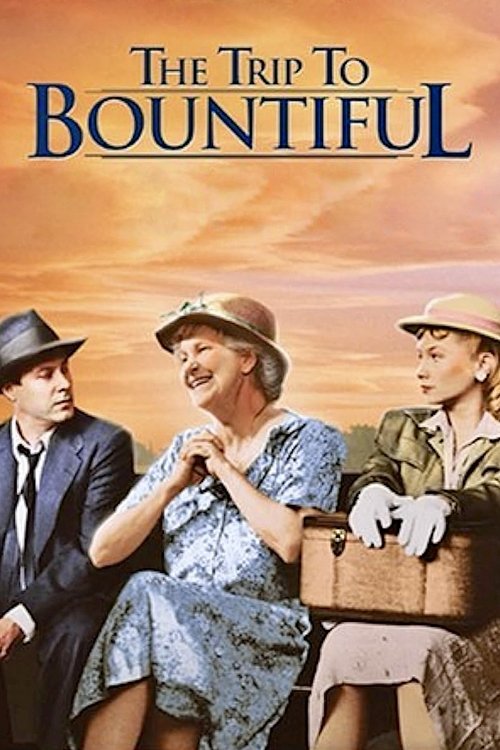
The Trip to Bountiful
Bountiful is consistently idealized as warm and authentic while the Houston apartment is cramped, petty, and soul-crushing — a direct rural/traditional vs. modern/urban contrast. The loss of Bountiful (no train service, deserted town) is treated as genuine tragedy, framing modernization as loss rather than progress. The story validates Mrs. Watts's longing as correct: her return, though bittersweet, is presented as necessary and meaningful, and the sheriff's sympathy endorses that the journey was right.
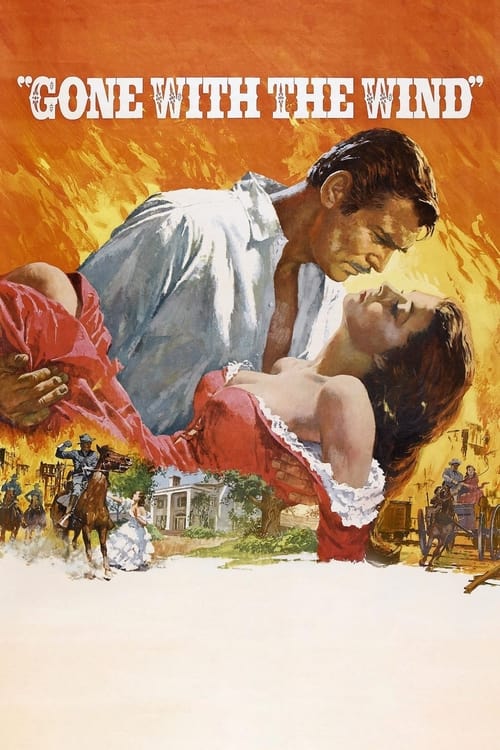
Gone with the Wind
The pre-war antebellum South at Tara is lovingly idealized as a warm, gracious golden age. Reconstruction-era Atlanta is portrayed as corrupt and exploitative by contrast. Gerald O'Hara's maxim that 'land is the only thing that matters' is vindicated across the entire arc; Scarlett's resolution is to abandon urban Atlanta and return to the land, framing the old agrarian ways as the only genuine source of meaning and strength.

Road to Everywhere
The Navajo heritage, reservation, and rodeo tradition are depicted favorably as sites of authentic meaning, contrasted implicitly with the characters' modern urban lives (a financially struggling LA cab driver, a casino dealer who gambles). The 30 years Jake spent away from his homeland is framed as a long deferral of what truly matters — the film's central question ('what does a life amount to?') is answered at the traditional rodeo on the reservation. Two signals are met: the rural/traditional setting is tonally warmer and more meaningful than the urban LA backdrop, and Jake's departure from traditional life is treated as a loss rather than progress.