Cultural message · Nature & Environment
Nature Knows Best
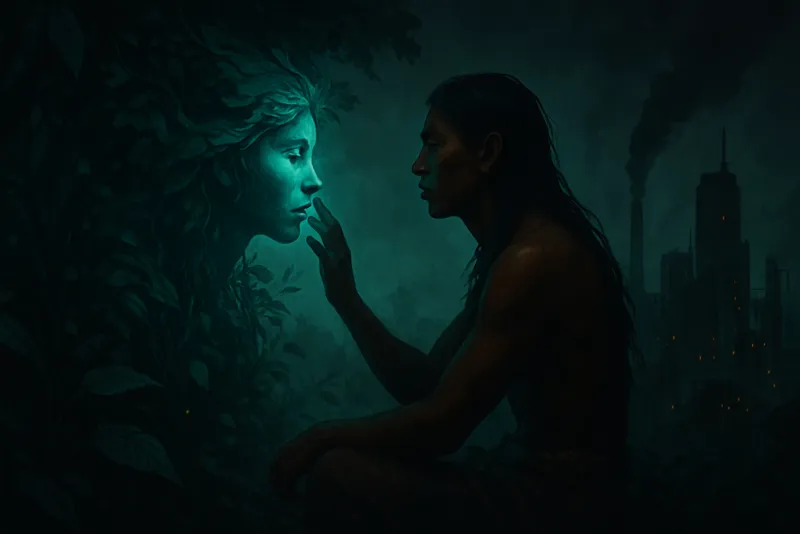
What it is
The natural world, indigenous peoples, or pre-industrial life is portrayed as inherently wise, pure, morally superior, or spiritually richer than modern civilization. Nature is a source of truth that technology has replaced.
How to spot it
The plot contains ALL of: (1) nature, wilderness, or indigenous culture depicted as morally or spiritually superior, (2) an explicit or implicit contrast with modern/industrial/urban life, (3) characters find wisdom, healing, or truth by connecting with nature.
- Indigenous or nature-connected characters are portrayed as wiser than modern ones
- Wilderness or natural settings are visually and tonally idealized
- A character who returns to nature finds peace, clarity, or strength
- Modern/urban life is depicted as shallow, corrupt, or spiritually empty by comparison
- Natural solutions outperform technological ones
Classic examples
Avatar (Na'vi harmony with Pandora), The Lion King (Circle of Life), Princess Mononoke, Dances with Wolves, Pocahontas
Contrast with
Nature Fights Back (Nature Knows Best is nature as wise/good; Nature Fights Back is nature actively retaliating)
Movies pushing this message (19)
On the Fence
The film portrays dingoes and intact ecosystems as inherently wise and self-regulating, explicitly contrasting natural order with destructive human management practices (1080 poison, trapping, shooting). First Nations peoples (Worimi Country, K'gari) are included as voices of coexistence and ecological knowledge, satisfying the indigenous-wisdom signal. Diverse wilderness landscapes are idealized through the film's locations. Most directly, maintaining intact dingo pack structures is presented as the natural solution that outperforms lethal control methods — a native apex predator managing invasive species (feral cats, foxes, rabbits, pigs) better than any human intervention. The film frames coexistence with nature as the morally and ecologically superior path versus modern agricultural pest-control approaches.
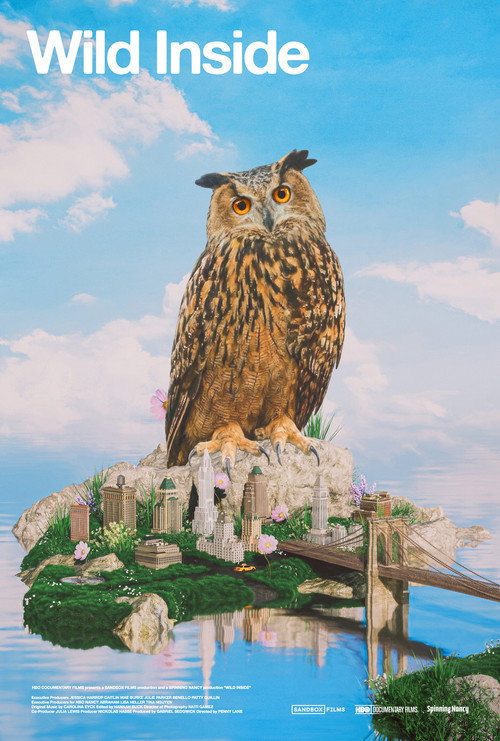
Wild Inside
The documentary frames captivity (the managed, institutional environment) as the inferior alternative to wild freedom, satisfying the nature-vs.-modern-life contrast. Flaco's natural hunting instincts outperform all zoo-managed recapture technology (WCS traps and recordings fail; his instincts succeed). The film's broader examination of the ethics of keeping large birds of prey in captivity explicitly validates nature over institutional control. Three signals land: nature idealized tonally, natural capacity outperforms technological intervention, and Flaco finds strength by returning to his natural mode of existence.
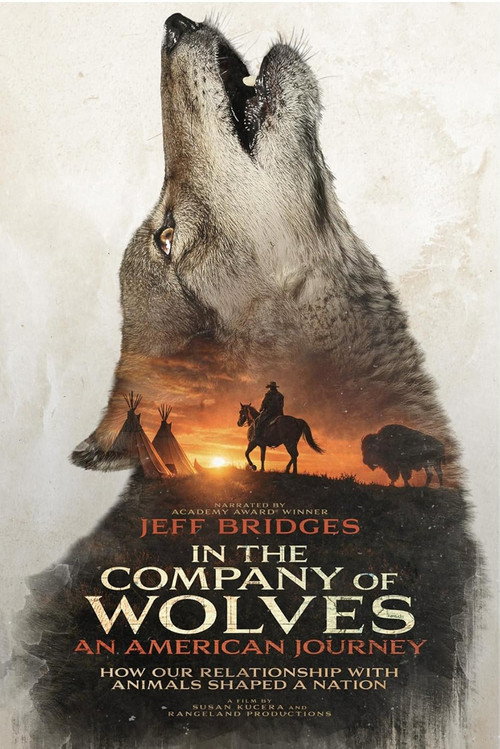
In the Company of Wolves: An American Journey
The film explicitly frames wolves and interspecies ecological relationships as a source of foundational wisdom that colonial and industrial expansion disrupted. Eastern Shoshone Tribe and Crow Nation members are presented as authoritative voices on this wisdom, fulfilling the 'indigenous characters portrayed as wiser' signal. The natural world is tonally idealized throughout — wolves as 'co-travelers,' not adversaries. The colonial/westward expansion arc implicitly contrasts modern civilization as spiritually and ecologically impoverished by comparison. The closing narration ('the deeper story of who we are as a nation and who we might yet become') frames reconnection with nature as truth-seeking, and the film's environmental stewardship call positions nature-connection as the corrective to civilizational error.

Mary Oliver: Saved by the Beauty of the World
All three core conditions are met: (1) nature is explicitly framed as spiritually superior — Cape Cod's tidal marshes, forests, and wildlife constitute Oliver's 'spiritual practice'; (2) an implicit contrast with modern/public life is sustained throughout, with the film resisting the sanitized 'earth mother' image and noting her readership crossed ideological lines in a fractured society; (3) Oliver finds healing, truth, and creative power through close attention to the natural world — the film explicitly frames her entire body of work as 'salvation in paying attention to the beauty of the natural world.' Supporting signals: wilderness settings are idealized (tidal marshes, forests, wildlife as anchors); nature-connected living yields peace and strength after childhood trauma; the label 'America's unlikely, contemporary mystic' positions natural attentiveness above modern rational or public life; the film closes with nature-rooted poetry as the ultimate testament, implicitly contrasting it with the spiritual emptiness of fame and public persona.
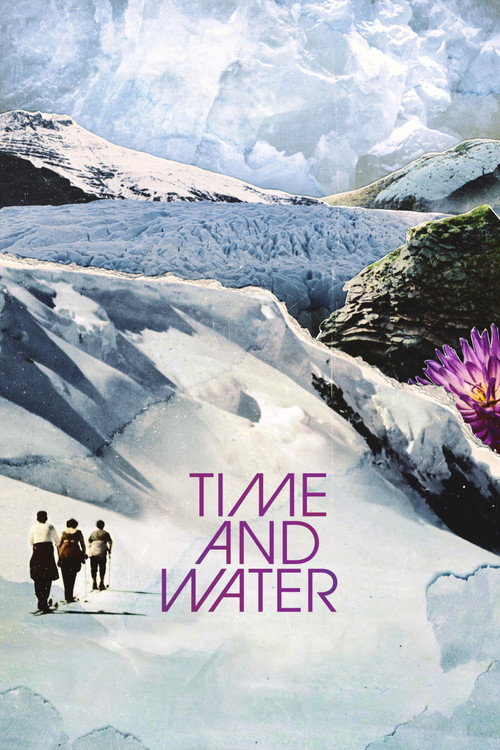
Time and Water
The glacial landscape and Iceland's traditional cultural heritage (myths, songs, folklore) are treated as spiritually and morally precious throughout. Magnason's grandparents — the nature-connected predecessors who first traversed the glaciers — are implicitly portrayed as wiser and more attuned than modern civilization. Their deep generational bond with the natural world is the film's moral compass. Modern industrial civilization is the implicit antagonist, its climate destruction contrasted against the purity and irreplaceable value of the glacier world. Magnason finds meaning, healing, and truth specifically by returning to this natural connection, constructing the time capsule as a cinematic act of communion with nature. Signals: nature-connected characters (grandparents) portrayed as wiser; wilderness settings tonally idealized throughout; modern/industrial life implicitly shallow and destructive by contrast.
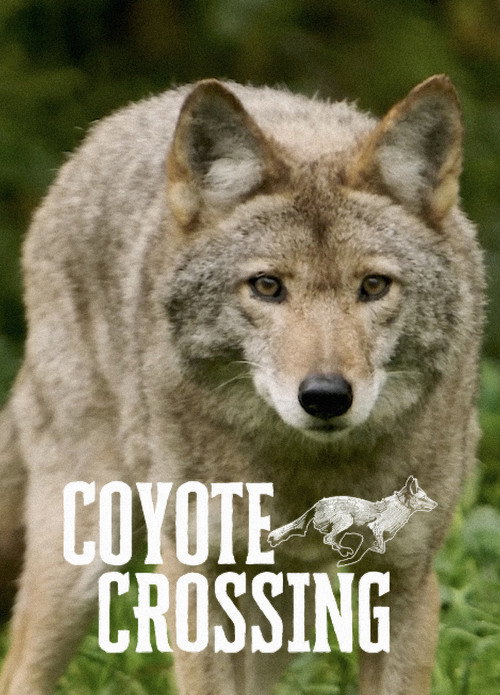
Coyote Crossing
All three core conditions met: (1) Indigenous Tongva and Chumash knowledge frames coyotes as spiritual teachers and cultural figures — portrayed as wiser than the modern pest-management mindset; (2) explicit contrast with the federal eradication campaign ($500M spent, 8.5M animals killed) as the failed modern approach; (3) the film's thesis is that communities must understand coyotes on ecological and cultural terms rather than eliminate them — i.e., reconnecting with natural truth. Supporting signals: indigenous voices positioned as wiser than institutional pest control (signal 1); the PBS documentary tonally idealizes coyotes as resilient ice-age survivors and keystone species (signal 2); natural/behavioral solutions (hazing, wildlife crossings) are endorsed over lethal control that demonstrably failed (signal 5); the eradication campaign is depicted as costly, misguided, and counterproductive — nature's persistence implicitly rebukes it (signal 4).
Whale Shark Jack
Life at sea and connection to the reef are idealized — Sarah is fearless, capable, and bonded with a whale shark. Land-based life (school, town) is portrayed negatively: bullying, social failure, grief. Sarah finds strength and healing by returning to the ocean to rescue Jack. The resolution honors the ocean bond as the family's spiritual center.
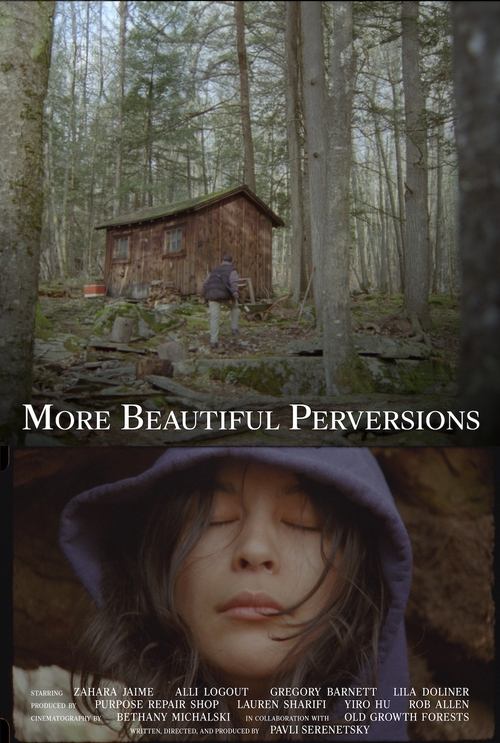
More Beautiful Perversions
Aiko is a 'disillusioned city teenager' whose encounter with nature-connected Deedi in the woods leads to self-discovery, queerness, and 'a deeper connection to the environment.' The film is explicitly an eco-parable contrasting shallow urban life with idealized wilderness. Deedi, the naturalist, is portrayed as magnetic and wise. Nature sequences are given special visual treatment (black-and-white). Modern city life is coded as spiritually empty by comparison.
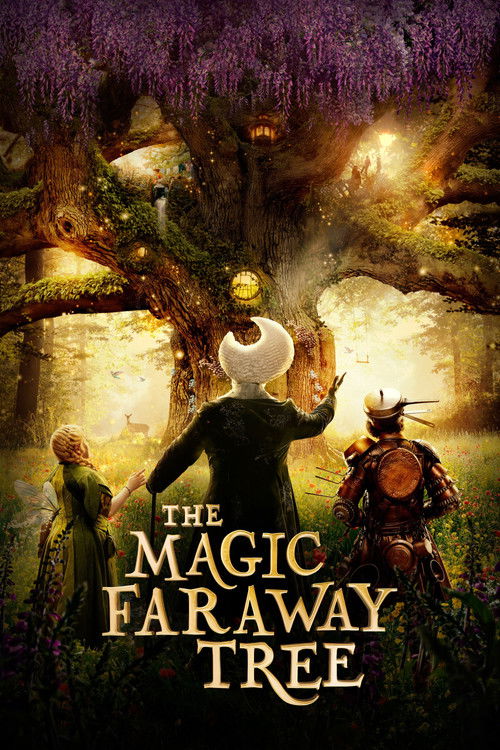
The Magic Faraway Tree
The magical Faraway Tree and English countryside are idealized as spiritually transformative — Fran speaks for the first time through her nature encounter. The family flees a tech-tainted urban life (Polly's surveillance-compromised invention) for a rural farm. The natural/magical world consistently outperforms technology: Silky heals where medicine apparently couldn't, the tree's magic restores the ruined tomatoes. The final tableau frames the natural world as the source of wonder, generational wisdom (Tim's childhood visit), and family renewal.

Panda Plan: The Magical Tribe
The isolated valley tribe's ancient spiritual framework — totems, prophecies, a sacred peak, and divine beasts — proves entirely accurate. Jackie, arriving from the modern outside world, learns the deepest truth (about emotional expression and community bonds) through immersion in this pre-modern culture. The ancestor spirit appears through a natural creature (a giant panda in the clouds) to deliver the story's moral, validating the tribe's indigenous cosmology over any rational framework.
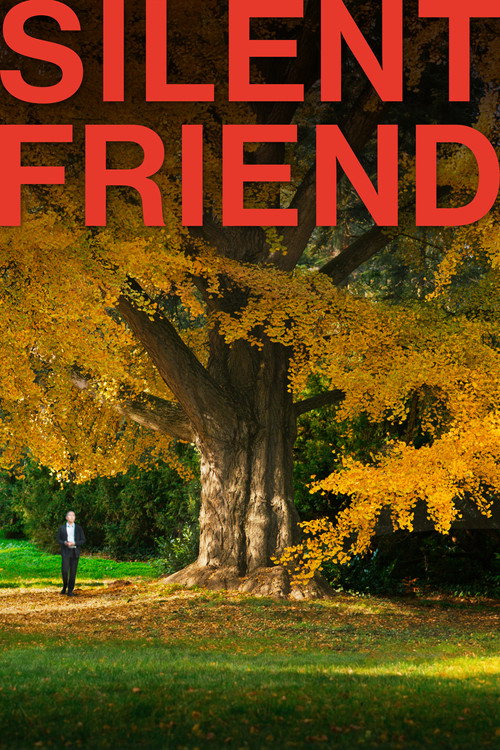
Silent Friend
The ancient ginkgo tree functions as the film's moral and spiritual center across all three eras, explicitly framed as wiser and more enduring than the human institutions surrounding it. The botanical garden is idealized as a sanctuary: Hannes retreats there daily, Wong abandons his disrupted institutional research to study the tree, and Anton is reconciled with Wong through witnessing the tree's natural fertilization rite. COVID lockdowns and academic sexism represent modern institutions as oppressive or inadequate, while the tree—unchanged across a century—offers connection and meaning that those institutions cannot. Characters who turn toward the natural world (Wong redirecting his research, Hannes tending plants) are rewarded with connection and insight.
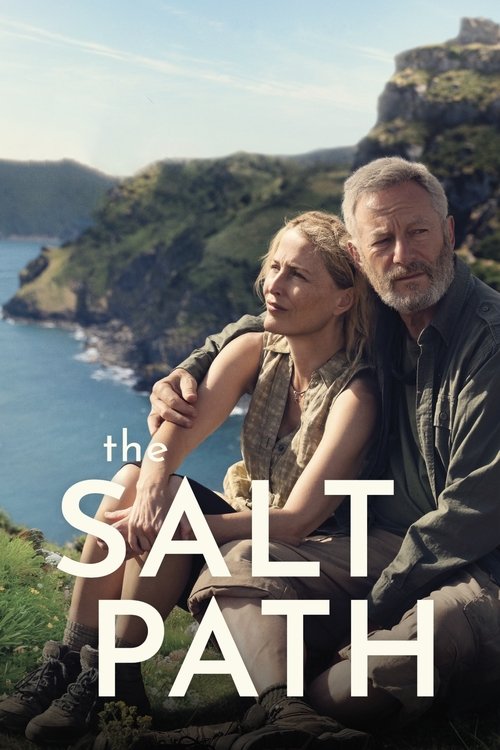
The Salt Path
Core pattern is met: (1) the natural coastal environment is shown as physically and spiritually restorative — Moth gains strength as the walk continues; (2) explicit contrast with the failing modern world (collapsed business, bureaucratic housing system, homelessness stigma); (3) characters find healing and a new life path by immersing themselves in nature and farming. Signals: (1) a character returns to nature and finds strength — Moth's condition measurably improves through walking; (2) natural/physical activity outperforms medical intervention — his health improves after reducing medication while continuing the walk; (3) their resolution is anchored in farming and land, implicitly validating pre-industrial rhythms over the financial and bureaucratic systems that destroyed them.
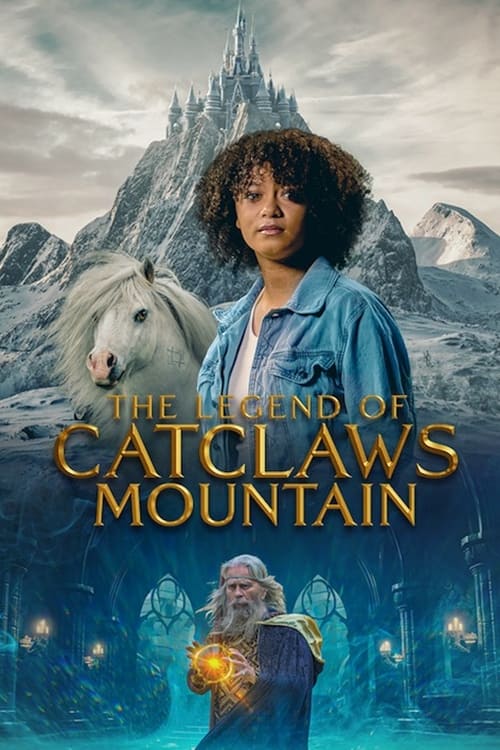
The Legend of Catclaws Mountain
The reclusive mountain man — a nature-connected outsider — is the sole source of moral truth, warning that greed would destroy the forest (signal: nature-connected character portrayed as wiser). The surrounding forest is explicitly described as 'beautiful' and worth protecting above material wealth (signal: wilderness idealized). The treasure hunter's greed is the moral foil, framing materialistic ambition as corrupt versus the integrity of leaving nature undisturbed (signal: modern/acquisitive life depicted as spiritually empty by contrast). The film's central thesis — stewardship over wealth — validates the nature-aligned worldview over the exploitative one, satisfying all three core-pattern requirements.

Agatha’s Almanac: WATCH YOUR CORNER
The film's stated intent is to capture the 'healing power of a connection with nature' as a counterweight to 'an uncertain and constantly changing present' — directly framing nature as spiritually restorative and modern life as depleting. Agatha's farm and seasonal rhythms are visually idealized through 16mm grain. She lives without modern infrastructure, with natural/handmade solutions as the implicit superior alternative. The contrast with modernity is explicit in the director's framing even though modern life never appears on screen.
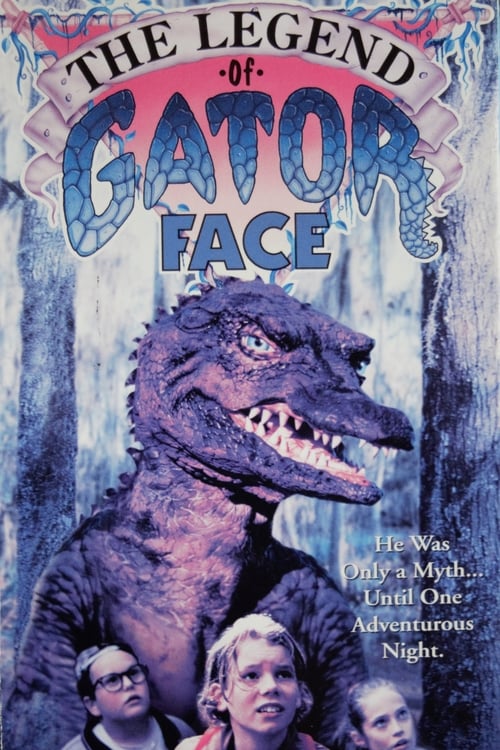
The Legend of Gator Face
The swamp and its creature are idealized as gentle and magical against the fearful, violent townspeople. Danny enters the wilderness and finds truth unavailable in civilization. The magical fog — a natural force — heals the creature's gunshot wound where human violence could not destroy it. Gator Face as a 'quiet protector of the wetlands' frames nature as possessing a moral wisdom the town lacks.
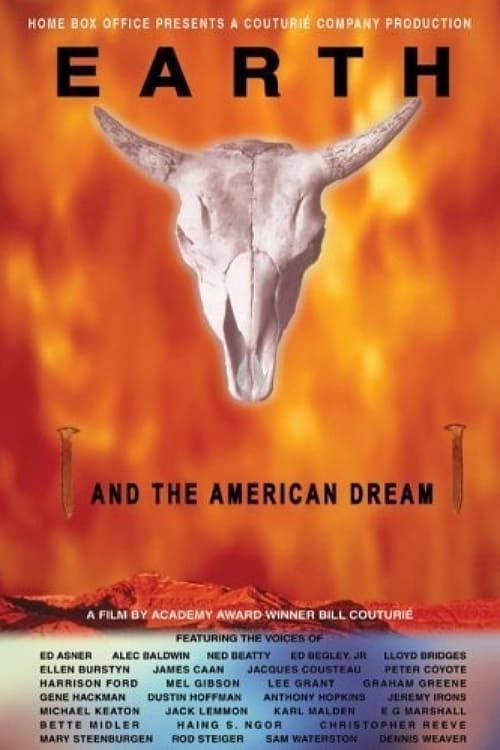
Earth and the American Dream
The entire film is narrated from nature's moral vantage point. Indigenous peoples are explicitly presented as holding a 'fundamentally different relationship to the land' — implicitly wiser than European settlers. The pre-Columbian continent is idealized as vast untouched wilderness. Modern/industrial civilization is depicted as spiritually hollow and destructive, with the American Dream framed as a consuming ideology that stripped the continent of its ecological integrity.
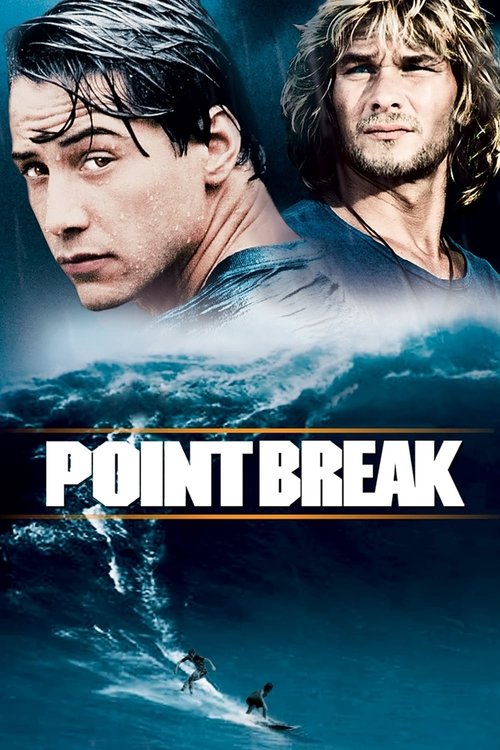
Point Break
The film consistently frames the ocean, surfing, and nomadic beach lifestyle as spiritually richer and more authentic than Utah's institutional FBI world. Bodhi's philosophy explicitly valorizes living in harmony with natural forces and seeking peak experiences within them. Nature-connected characters (Bodhi especially) are portrayed as philosophically deeper than the bureaucratic agents. Utah is genuinely transformed by immersion in this world. The climax — Bodhi paddling into the unsurvivable 50-year storm as his ultimate fulfillment, Utah throwing his FBI badge into the ocean — frames nature as the supreme authority and institutional life as hollow by comparison.
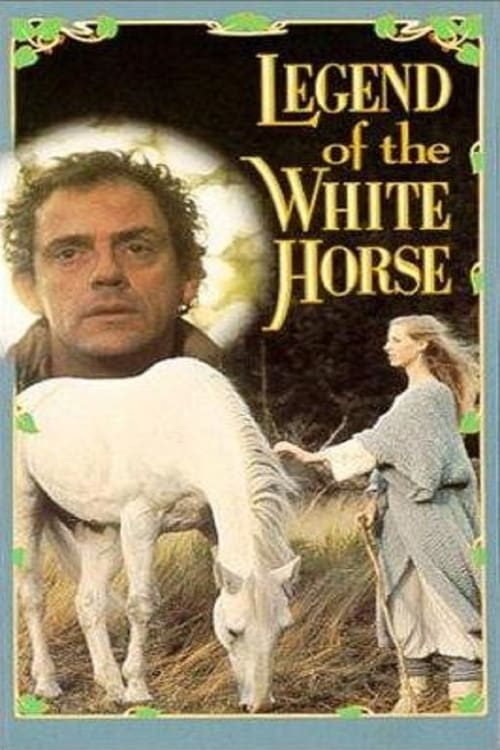
Legend of the White Horse
The dragon and its woodland setting are presented as magical and morally pure against both Soviet-style bureaucracy and American corporate greed. Jim's moral transformation is triggered by witnessing industrial exploitation firsthand — connecting with natural reality over corporate mandate. Modern institutional life (both Cold War poles) is satirized as corrupt, while the dragon and Jewel's bond represent spiritual truth the adult world has forfeited.
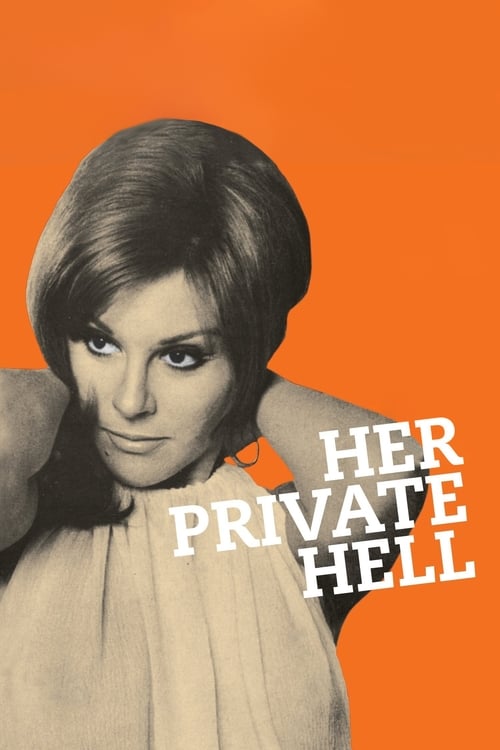
Her Private Hell
The countryside shoot is explicitly set against the coercive magazine world as a site of 'genuine artistic freedom': Marisa poses nude of her own will there, while the urban studio environment produces only coerced compliance. The natural setting is tonally idealized vs. the cold modernity of Neville's operation. Signals: wilderness depicted as morally superior to the urban magazine world; Marisa finds agency and clarity in the natural setting; modern/urban life is portrayed as corrupt and hollow by direct contrast.