Movie
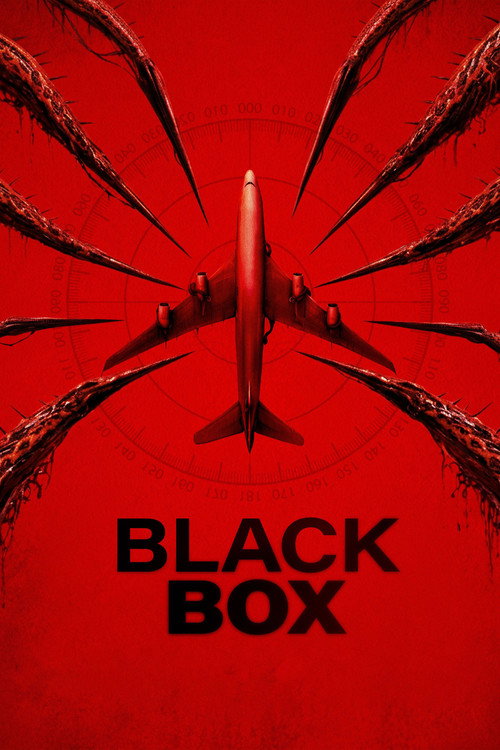
Black Box (Flight 298)
Narrative tropes
Humans Never Give Up
mediumJeremy and the other passengers face objectively hopeless survival conditions — alien creatures, malfunctioning systems, threats defying physical logic — aboard an aircraft with no escape. Jeremy's struggle to 'comprehend and survive the accelerating horror' is the narrative spine. Two signals are clearly present: a character refusing to surrender in circumstances where survival is irrational, and survival against impossible odds as the central dramatic engine. The ambiguous conclusion limits the trope's full expression but does not negate the survival-resilience core.
About this trope: Facing impossible odds, humans endure, adapt, and find reasons to keep going. Resilience and refusal to surrender is humanity's defining and most admirable trait.
Cultural messages
Science vs. Faith
mediumThe plot explicitly stages a rational-to-supernatural pivot: passengers initially adopt a scientific explanation (deadly pathogen) that is progressively dismantled by events. The rational framework is proven wrong, science cannot account for the luminous phenomena and creatures, and Lovecraftian/alien logic supplants medical logic entirely. Three signals fire: the skeptical/rational explanation is disproven by events, supernatural explanations take over the narrative, and science is shown as fundamentally unable to grasp what is occurring. The ambiguous ending somewhat softens the trope, but the film's bulk validates the irrational over the rational.
About this message: Characters face a choice between rational/scientific thinking and spiritual/intuitive belief. The story typically validates faith or emotion over cold logic — the scientist is wrong, the believer is vindicated.
Movies that share these tropes


Full plot (spoilers)
Vero Airlines Flight 298 departs New Orleans bound for Seattle on what begins as a routine domestic trip. Jeremy (Tom Brittney), an unaccompanied passenger traveling alone, emerges as the story's central figure. Shortly into the flight, the aircraft's systems begin suffering inexplicable technological malfunctions, and passengers start experiencing strange physical symptoms. Initially, those aboard speculate that a deadly pathogen is responsible for the spreading panic and illness. The atmosphere grows increasingly claustrophobic as mysterious luminous phenomena — glowing lights drifting in the clouds outside the windows — are spotted. The rational explanation of disease gives way to something far stranger: creatures appear aboard the aircraft, and the events begin to take on a surreal, Lovecraftian quality that blurs the boundary between reality and nightmare. The supernatural escalates rapidly, with alien influences becoming undeniable as passengers are forced to fight for their lives against threats that defy physical logic. Jeremy struggles to comprehend and survive the accelerating horror as the flight spirals further from any grounded explanation. The film builds toward an ambiguous, otherworldly conclusion that leaves unresolved whether the events were genuinely extraterrestrial or psychological in nature, posing the question of what — or who — was truly responsible for the fate of Flight 298. The story is an adaptation of the short film 'The Vessel', directed by Steven Quale (Final Destination 5) and written by Stephen Susco (Texas Chainsaw 3D).
Sources: IMDb, Loud and Clear Reviews, FirstShowing.net, Capstone Pictures official site, TMDb overview