Movie
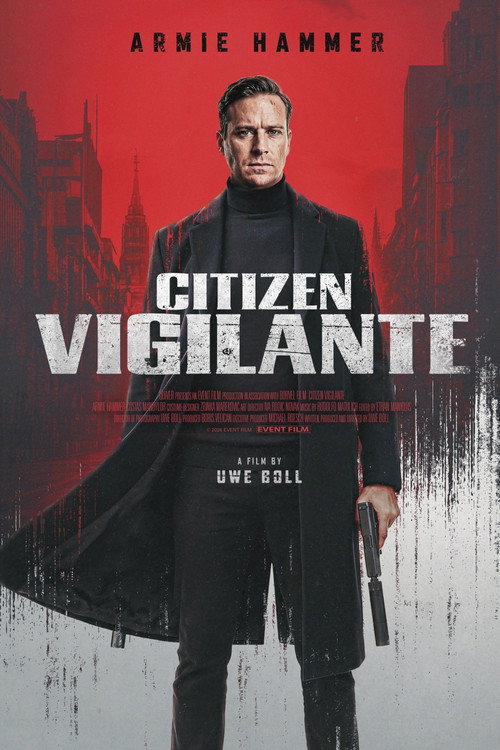
Citizen Vigilante
Narrative tropes
One Hero Changes Everything
highA systemic corruption crisis — logically requiring collective or institutional response — is addressed solely by one individual. Institutions are portrayed as too corrupt to act (signal 2). Sanders alone achieves what the justice system cannot, making his individual skill/virtue decisive (signal 3). Citizens collectively do nothing beyond cheering on social media, confirming collective action is absent (signal 5). Interpol's alarm at the precedent Sanders sets further underscores that the story frames one person as doing what no system can.
About this trope: One exceptional individual matters more than institutions or collective action. Problems affecting millions are solved by a single remarkable person. Everyone else is passive.
Cultural messages
The System Is Rigged
highZagreb's justice system is explicitly depicted as failing: criminals walk free and corrupt officials face no accountability (authority figures negligent). This disillusionment drives Sanders to bypass institutional channels entirely (working within the system fails). His extrajudicial strikes are the only mechanism producing results (true justice outside institutional rules). Corrupt officials in official bodies reinforce the conspiracy-within-authority signal.
About this message: Institutions meant to protect people — governments, corporations, law enforcement, the justice system — are depicted as corrupt, incompetent, or actively harmful. Heroes must work outside official channels.
Movies that share these tropes


Full plot (spoilers)
Sanders, a wealthy American expatriate living in Zagreb, grows increasingly frustrated by a justice system he sees as failing the public — criminals walk free and corrupt officials face no accountability. Consumed by disillusionment, he takes the law into his own hands and begins operating as a vigilante, systematically targeting violent criminals and corrupt local officials. His extrajudicial strikes are methodical and escalate in ambition over time. As word of his actions spreads through social media, Sanders transforms from an anonymous figure into a celebrated folk hero, winning widespread public support from citizens who share his contempt for institutional justice. The attention cuts both ways: Henry, a senior Interpol chief, becomes alarmed at Sanders's rising profile and the precedent his unchecked vigilantism sets. Henry views Sanders not as a hero but as a dangerous threat to social order and the rule of law, and sets out to stop him. The film frames the conflict as a moral tug-of-war between Sanders's populist brand of street justice and Henry's institutional perspective, examining how public disenchantment with corrupt systems can transform an ordinary citizen into a celebrated outlaw. Director Uwe Boll has described the film as 'an exploration of real events influenced by real cases and a commentary on the issues of injustice in society.' The film has not yet been released (release date: June 19, 2026); full third-act and ending details are not yet publicly available.
Sources: Wikipedia, IMDb, flixtrackr.com, artthreat.net, TMDb overview