Movie
Coyote Crossing
Cultural messages
Nature Knows Best
highAll three core conditions met: (1) Indigenous Tongva and Chumash knowledge frames coyotes as spiritual teachers and cultural figures — portrayed as wiser than the modern pest-management mindset; (2) explicit contrast with the federal eradication campaign ($500M spent, 8.5M animals killed) as the failed modern approach; (3) the film's thesis is that communities must understand coyotes on ecological and cultural terms rather than eliminate them — i.e., reconnecting with natural truth. Supporting signals: indigenous voices positioned as wiser than institutional pest control (signal 1); the PBS documentary tonally idealizes coyotes as resilient ice-age survivors and keystone species (signal 2); natural/behavioral solutions (hazing, wildlife crossings) are endorsed over lethal control that demonstrably failed (signal 5); the eradication campaign is depicted as costly, misguided, and counterproductive — nature's persistence implicitly rebukes it (signal 4).
About this message: The natural world, indigenous peoples, or pre-industrial life is portrayed as inherently wise, pure, morally superior, or spiritually richer than modern civilization. Nature is a source of truth that technology has replaced.
Movies that share these tropes


Full plot (spoilers)
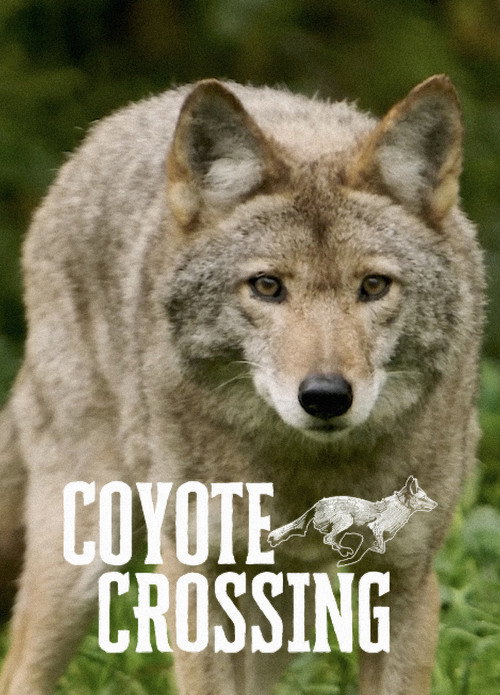
Coyote Crossing is a 58-minute PBS documentary special that traces the million-year survival story of coyotes in Southern California and the contemporary tensions their presence creates. The film opens by establishing coyotes as ice age survivors: while megafauna such as saber-toothed cats and giant ground sloths were wiped out roughly 13,000 years ago, coyotes endured and multiplied. Despite a sustained federal campaign that spent over $500 million attempting eradication and killed an estimated 8.5 million animals, the species only expanded its range, eventually reaching nearly every city in the United States. The documentary weaves three strands of perspective throughout. First, scientific voices explain the coyote's ecological role as a keystone species: by controlling mesocarnivore populations, coyotes indirectly benefit songbird diversity and broader ecosystem health. Second, Tongva and Chumash indigenous knowledge frames the coyote not as a pest but as a teacher and spiritual figure embedded in the cultural life of Southern California for millennia. Third, firsthand community accounts capture how ordinary residents—in urban neighborhoods, suburbs, and rural edges—experience and respond to coyote encounters, ranging from fear and calls for lethal control to pragmatic coexistence. Featured voices include Camilla Fox, founder and executive director of Project Coyote, and author Dan Flores (Coyote America), both of whom argue that the coyote should be understood on its own ecological and cultural terms rather than treated as a problem to be eliminated. Practical segments address hazing techniques, pet safety, and infrastructure solutions such as wildlife crossings designed to reduce conflict. The film closes on an unresolved but forward-looking note: as fear and public policy continue to collide, each community must weigh what level of coexistence with coyotes is achievable—and what trade-offs that coexistence demands.
Sources: PBS (pbs.org show page), PBS SoCal (pbssocal.org episodes page), Project Coyote (projectcoyote.org), IMDb (tt42006690 title page)