Movie
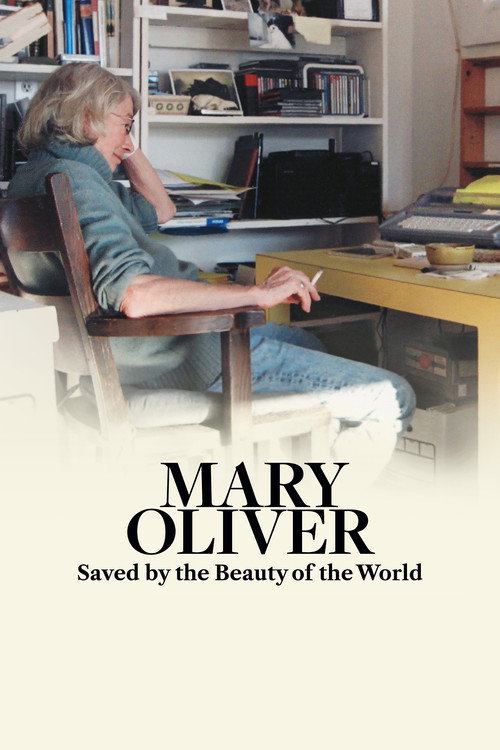
Mary Oliver: Saved by the Beauty of the World
Cultural messages
Nature Knows Best
highAll three core conditions are met: (1) nature is explicitly framed as spiritually superior — Cape Cod's tidal marshes, forests, and wildlife constitute Oliver's 'spiritual practice'; (2) an implicit contrast with modern/public life is sustained throughout, with the film resisting the sanitized 'earth mother' image and noting her readership crossed ideological lines in a fractured society; (3) Oliver finds healing, truth, and creative power through close attention to the natural world — the film explicitly frames her entire body of work as 'salvation in paying attention to the beauty of the natural world.' Supporting signals: wilderness settings are idealized (tidal marshes, forests, wildlife as anchors); nature-connected living yields peace and strength after childhood trauma; the label 'America's unlikely, contemporary mystic' positions natural attentiveness above modern rational or public life; the film closes with nature-rooted poetry as the ultimate testament, implicitly contrasting it with the spiritual emptiness of fame and public persona.
About this message: The natural world, indigenous peoples, or pre-industrial life is portrayed as inherently wise, pure, morally superior, or spiritually richer than modern civilization. Nature is a source of truth that technology has replaced.
Movies that share these tropes

Full plot (spoilers)
Mary Oliver: Saved by the Beauty of the World is a 91-minute documentary portrait of Pulitzer Prize-winning poet Mary Oliver (1935–2019), directed by Sasha Waters for PBS American Masters. The film traces Oliver's life from a deeply lonely and traumatic childhood—marked by sexual abuse and a persistent sense of not belonging—through her decades-long journey toward literary fame and personal wholeness. Rather than following strict chronology, the documentary is organized thematically around Oliver's poems, using them as anchors for the different chapters of her life. The film opens onto the landscapes of Provincetown, Massachusetts, where Oliver lived for nearly fifty years, immersing herself in close observation of Cape Cod's tidal marshes, forests, and wildlife as both spiritual practice and creative fuel. A central narrative thread follows her forty-year romantic partnership with photographer Molly Malone Cook, whom Oliver met at Edna St. Vincent Millay's estate, Steepletop, in New York. Their shared life in Provincetown—Cook managing the practical and professional dimensions of Oliver's world while Oliver wrote—is explored through the poem 'Don't Hesitate,' which anchors the film's section on falling in love and learning to be loved. The film also acknowledges a second significant relationship in Oliver's later life, identified only as Anne, examining how Oliver's emotional development continued to evolve after Cook's death. The documentary draws on never-before-seen archival material from Oliver's estate, including personal photographs, notebooks, and correspondence, to portray the gap between her intensely private self and her status as one of the best-selling poets in American history—a figure described in the film as 'America's unlikely, contemporary mystic' whose readership crossed political and ideological lines. Her struggles with childhood trauma, financial hardship, and alcoholism are treated honestly, and the film explicitly resists sanitizing her biography into the serene 'earth mother' image often projected onto her public persona. Her poetry is recited throughout by a diverse ensemble—Stephen Colbert, Oprah Winfrey, Steve Buscemi, Lucy Dacus, Helena Bonham Carter, and Jesse Welles—with different presentational modes (teleprompter readings, spontaneous recitations, readings directly from her books) reflecting the varied ways her work lives in the world. The poem 'When Death Comes' serves as a recurring thematic touchstone. Filmmaker John Waters appears among the interviewees. The film closes with Oliver's death in 2019, framing her entire body of work—over thirty poetry and essay collections, including a National Book Award and Pulitzer Prize—as the testament of a person who found salvation in paying attention to the beauty of the natural world.
Sources: PBS American Masters, DOC NYC, IFC Center, KBIA / True/False Film Fest interview, Pieshake Pictures official site, The Maneater (True/False review), IMDb