Movie
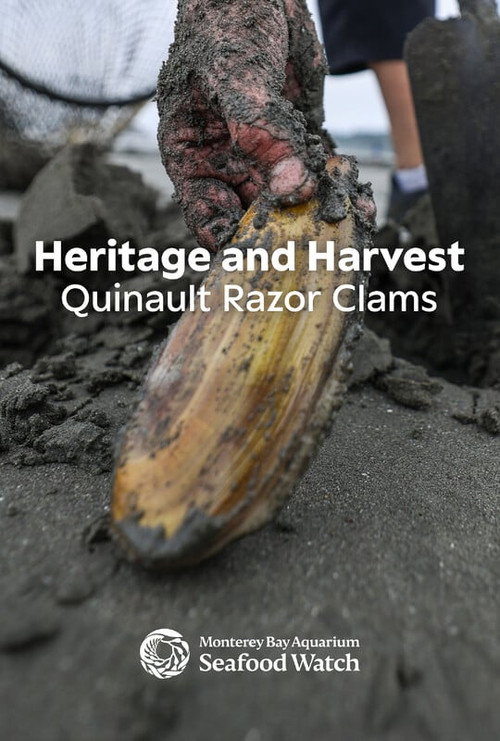
Heritage and Harvest: Quinault Razor Clams
Narrative tropes
Rebels vs. The Empire
mediumThe Quinault Indian Nation (small outmatched group) waged a decades-long advocacy campaign against Washington State's denial of their treaty fishing rights (vast institutional power), and the documentary frames their cause as morally righteous throughout. All three core criteria are met: clear power imbalance (tribal nation vs. state government), sympathetic framing of the resistance, and meaningful victory achieved (exclusive management of reservation beaches plus co-management of the broader 55-mile treaty area). Three signals are clearly present: a small group organizing against overwhelming odds (signal 2), the Nation portrayed as brave and righteous (signal 3), and victory achieved despite the power gap (signal 5). Signal 1 is partially met — state denial of legally recognized treaty rights constitutes institutional oppression, though the film does not characterize the state as cruel or corrupt.
About this trope: A small outmatched group rises up against a massive oppressive regime or institutional power. The rebellion is framed as morally righteous.
Movies that share these tropes






Full plot (spoilers)
Heritage and Harvest: Quinault Razor Clams is a short documentary (approximately 3 minutes, directed by Sonny Depasquale) that chronicles the Quinault Indian Nation's long struggle for recognition of their treaty fishing rights on Washington's Olympic Peninsula and the model fishery management system that has resulted from that fight. The film traces the Nation's decades-long advocacy before arriving at the present arrangement: the Quinault now exclusively manage the northern razor clam harvest on their reservation beaches, including two annual commercial harvests timed to late summer to help families with back-to-school expenses, as well as year-round subsistence digs that sustain community members. Within the broader treaty area—encompassing roughly 55 miles of beach and 2,000 square miles of ocean—they co-manage the harvest with Washington State. The documentary highlights the management philosophy underpinning this success: a deliberate fusion of generations of traditional ecological knowledge with modern population science, including regular clam-bed assessments and strict anti-overharvest policies. This approach has earned the fishery a green 'Best Choice' rating from Monterey Bay Aquarium's Seafood Watch program. The film also touches on ongoing environmental challenges—including hypoxic conditions that depressed clam populations at Point Grenville Beach in the mid-2000s and the long-term threat of ocean acidification—and notes the Quinault's partnership with the Olympic Coast National Marine Sanctuary as a sentinel monitoring site. The documentary presents razor clamming as both a source of tribal livelihood and a living expression of cultural heritage, positioning indigenous stewardship as a replicable model for sustainable coastal fisheries management.
Sources: TMDb overview, Monterey Bay Aquarium stories page, NOAA Office of National Marine Sanctuaries (Earth Is Blue Magazine), Quinault Indian Nation website, Northwest Treaty Tribes, KS Wild / Rogue Riverkeeper Film Festival program