Narrative trope · Power, Politics & Society
Rebels vs. The Empire
What it is
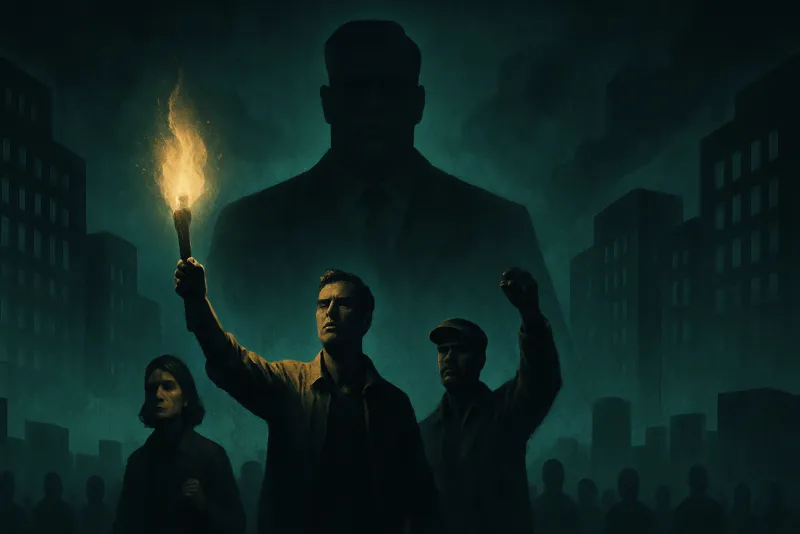
A small outmatched group rises up against a massive oppressive regime or institutional power. The rebellion is framed as morally righteous.
How to spot it
The plot contains ALL of: (1) a clear power imbalance between a small resistance and a vast authority, (2) the resistance is framed sympathetically, (3) the story ends with the regime weakened, overthrown, or meaningfully challenged.
- A totalitarian government, empire, or megacorporation oppresses a population
- A small band of fighters organizes against overwhelming odds
- The rebels are portrayed as brave and morally righteous
- The regime is shown as cruel, corrupt, or dehumanizing
- Victory or meaningful resistance is achieved despite the power gap
Classic examples
Star Wars (Rebel Alliance vs. Galactic Empire), The Hunger Games (Districts vs. Capitol), V for Vendetta, The Maze Runner, Rogue One
Movies featuring this trope (66)
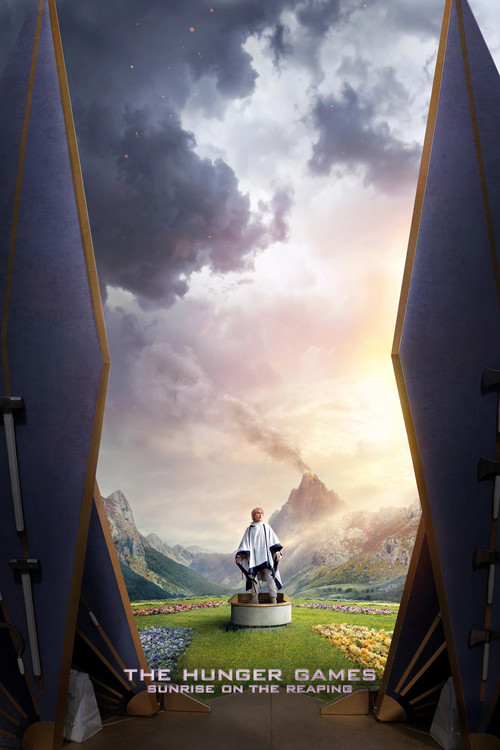
The Hunger Games: Sunrise on the Reaping
The Capitol is a totalitarian oppressor forcing districts into the Games; Beetee recruits Haymitch into a covert rebel sabotage cell, framed as righteous resistance; the regime is shown as dehumanizing and cruel (Snow murders Haymitch's family as retaliation); rebels are portrayed as morally superior; meaningful resistance is achieved — Haymitch's public defiance goes on record and Plutarch later draws him into the rebellion.

Grandmasters
Freestyle Chess Grand Slam (small upstart) openly challenges FIDE (long-established international governing body), satisfying the power-imbalance core requirement. Carlsen and the league are framed sympathetically — modernizing the sport, broadening appeal — while FIDE represents entrenched institutional authority. The 'delicious cliffhanger' ending confirms meaningful resistance has been achieved despite the power gap. Signals met: small band organizing against overwhelming odds; rebels portrayed positively; meaningful challenge achieved. Signal partially met: FIDE as an oppressive regime (more 'entrenched tradition' than explicitly corrupt, but its authority is what the rebellion targets).

Treasure Trekkers
King Clarence is an authoritarian tyrant who strips emotion and imposes control over all of Empathra. The Treasure Trekkers are a small band evading his forces. They are framed as morally righteous while the regime is dehumanizing. Mip inspires the people to resist, achieving meaningful challenge to Clarence's grip despite the vast power gap.
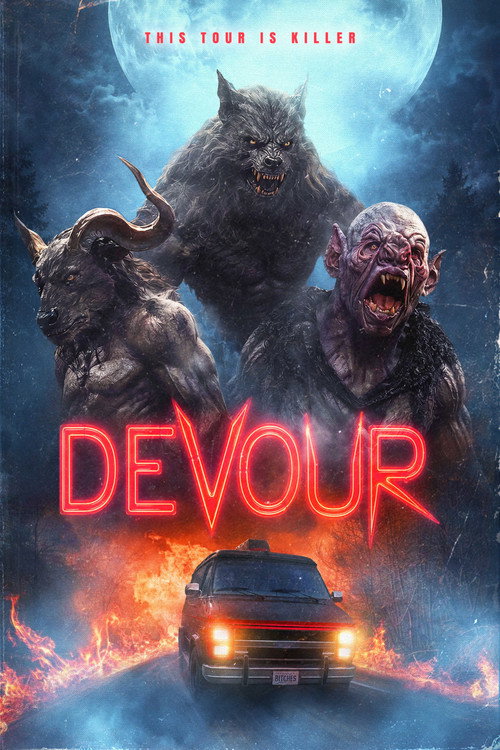
Devour
Cain controls an entire town of supernatural minions, functioning as a vast oppressive authority; the band of four plus a roadie are clearly outmatched and no longer even apex predators. All three core requirements hold: stark power imbalance, sympathetic protagonists, and Cain's rule is ultimately dismantled (bounty hunter arrives to target him; Dracula devours his face at the climax). Signals 2–5 are firm: small group against overwhelming odds, band framed as heroic, Cain's domain is monstrous and cruel, and resistance achieves meaningful victory.
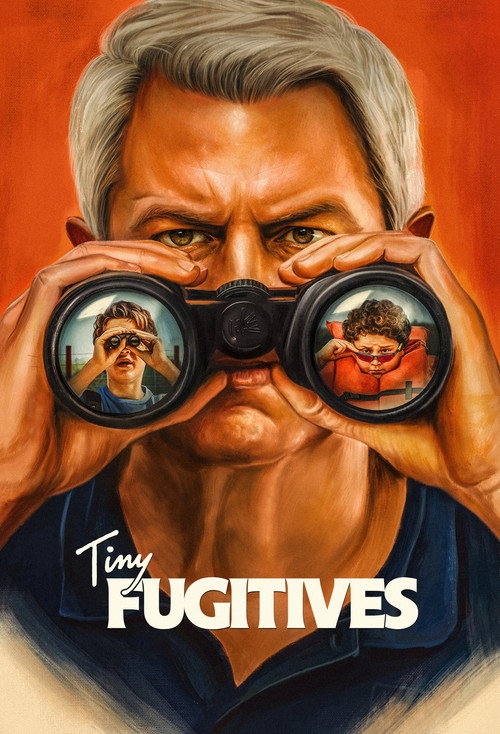
Tiny Fugitives
The plot is explicitly framed as a 'kids-vs.-the-adult-world premise': a small group of twelve-year-olds organizes against the authority structure of the camp, represented by Bob, a relentless adult antagonist. The kids are portrayed sympathetically as brave and determined ('fierce determination and camaraderie'), while Bob is cast as a 'deranged and relentless' institutional enforcer. The entire premise — evading 'the system' — positions the children as underdogs mounting a resistance against overwhelming adult authority.
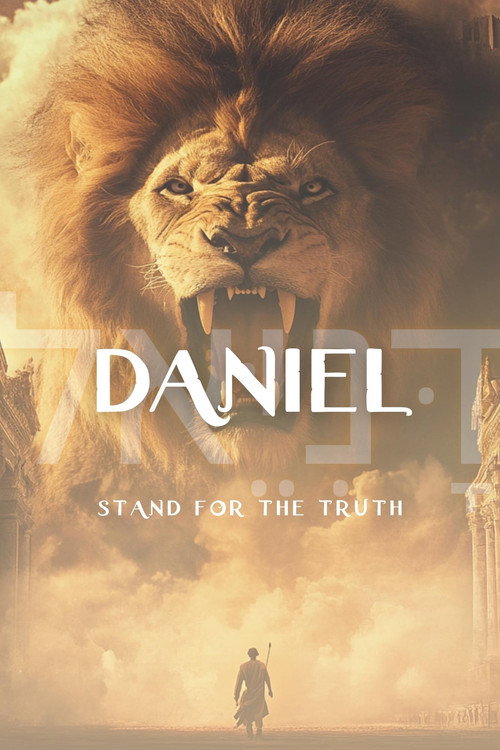
Daniel and the Fiery Furnace
Babylon is a totalitarian empire that conquered Jerusalem and deported its people; three captives (Shadrach, Meshach, Abednego) defy an imperial death decree by refusing to bow to the golden idol; they are portrayed as brave and morally righteous; the regime is shown as cruel and dehumanizing (conquest, deportation, superheated furnace); and their miraculous survival shakes Nebuchadnezzar and reverberates empire-wide — a meaningful challenge to imperial power despite total power asymmetry.

First They Came for My College
Clear power imbalance: a governor-backed board with state legislative support (DeSantis statewide DEI legislation, Project 2025 trustee Matthew Spalding) dismantles an institution while students, faculty, and the student newspaper mount an outmatched resistance. The resisters are framed sympathetically throughout — the outspoken professor risking her job, the janitor saving discarded books ('This is my heritage'), students learning parliamentary procedure to fight board meetings designed to suppress them. The regime is shown as contemptuous ('casual contempt of trustees toward dissenting speakers') and ideologically ruthless. The film documents meaningful challenge — the 'Long live the null set' commencement moment, the Rocky Horror performance as queer defiance — without claiming victory, satisfying the 'meaningfully challenged' threshold. The fifth signal (victory) is partial, keeping the count at 4.
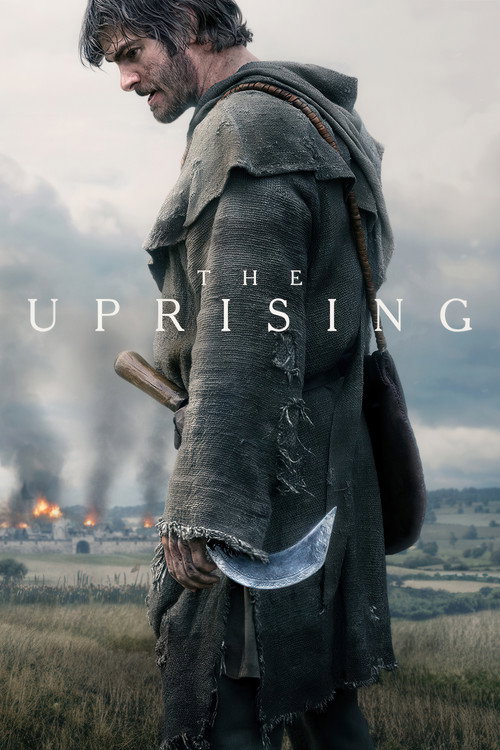
The Uprising
The entire film dramatizes outmatched peasants rising against the crown and its oligarchic council. The rebels are framed as morally righteous (John Ball's egalitarian preaching, the ploughman's protective act). The regime is depicted as cruel and dehumanizing (invasive tax examinations, death taxes on plague victims, the calculated massacre). All five signals fire: oppressive institution, small band vs. overwhelming power, heroic rebels, dehumanizing regime, and meaningful resistance (ploughman survives to become Robin Hood).
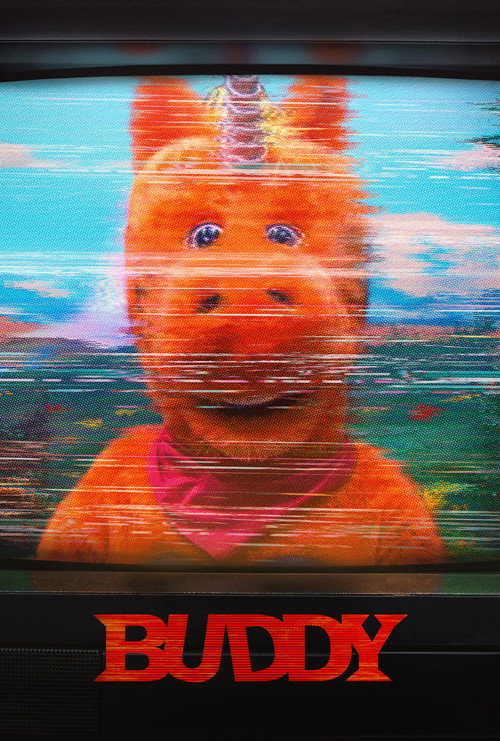
Buddy
Buddy controls every aspect of a looping reality, functions as a totalitarian ruler who responds to dissent with violence, and holds children in perpetual captivity. The children collectively defy him — refusing tasks, fleeing the clubhouse, enduring the perilous journey — and are framed as brave and morally righteous. Freddy's killing of Buddy is the climactic overthrow of an oppressive regime, achieved despite total power asymmetry.
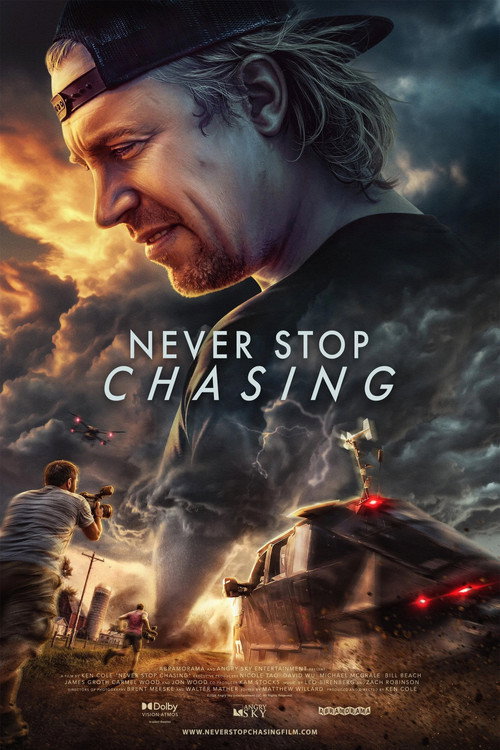
Never Stop Chasing
Timmer and his small eclectic crew operate in persistent opposition to a 'traditional scientific establishment that dismisses his methods as reckless and unscientific.' The crew is framed sympathetically as brave underdogs, and the climax forces the meteorological establishment to officially validate Timmer's methods — a clear rebel-wins-against-the-institution arc. The power imbalance (lone maverick vs. credentialed establishment), the sympathetic framing of the resistance, and the institutional capitulation at the end satisfy all three core conditions.
Hot Spot
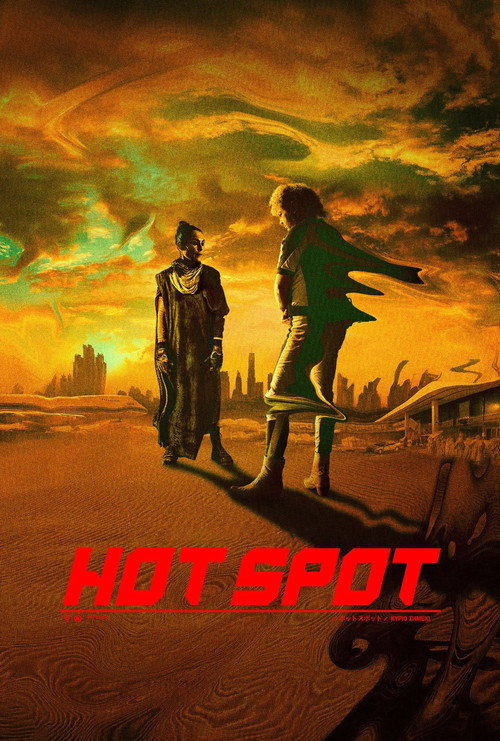
Rana's small anti-tech religious sect faces overwhelming power asymmetry against The Head, which governs all of civilization. The sect is framed sympathetically — Rana is cleared of the murder — and possesses the rare capability to disrupt The Head's control. The Head's systems meaningfully destabilize over the course of the plot, satisfying the condition that the regime is challenged. The regime's forced telepathic connection is portrayed as dehumanizing oppression.

Coyote vs. Acme
Wile E. and down-on-his-luck attorney Kevin form a tiny two-person resistance against Acme Corporation, a megacorporation revealed to have deliberately harmed cartoon characters via the secret Project Sisyphus program. All five signals fire: Acme is a cruel megacorporation oppressing a population (cartoon characters used as product-test subjects); the pair organize against overwhelming legal and corporate power (Acme's defense is led by Kevin's powerful former boss); they are framed as morally righteous throughout; Acme is shown as corrupt and dehumanizing (including imprisoning a scientist since 1992); and meaningful victory is achieved despite the power gap (executive arrests, federal investigation, scientist released).
American Pachuco: The Legend of Luis Valdez
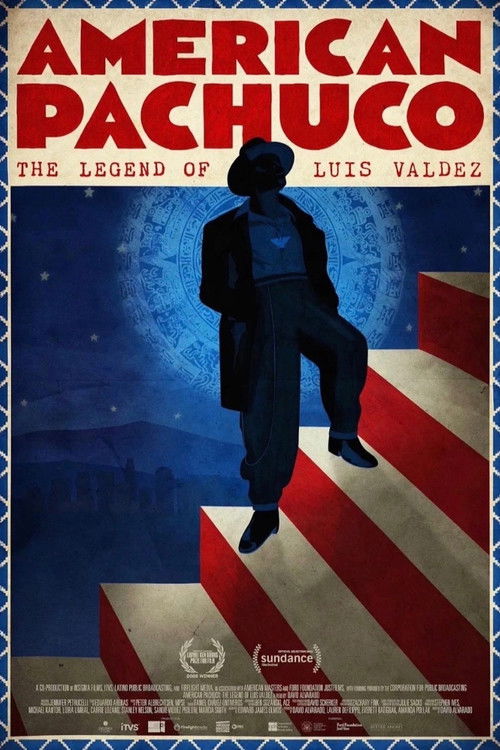
El Teatro Campesino is an archetypal small-band resistance against vast institutional power: Valdez and a handful of farmworker performers organizing in the fields against systemic racism, the agricultural industry, and Hollywood skepticism. All three core conditions are met — stark power imbalance, sympathetic framing of the resistance, and meaningful victory (first Chicano Broadway director, La Bamba's mainstream breakthrough). All five signals fire: oppressive institutions (racism, industry gatekeepers) dehumanize the community; a small troupe organizes against overwhelming odds; the rebels are portrayed as brave and morally righteous; the antagonistic establishment is shown as wrong; and victory is achieved despite the gap.

Sarpanch
Two brothers (Fateh and Rajveer) form a small, outmatched resistance against a corrupt ruling faction that has held the village as a personal fiefdom for 20+ years. The regime uses fear, financial manipulation, and deliberate promotion of alcoholism — squarely dehumanizing and cruel. The brothers are framed as morally righteous: Fateh breaks the 'collective silence' at great personal cost. The third act brings electoral and confrontational stakes to a head, directly challenging the entrenched power structure.

Bleach: Thousand-Year Blood War - The Calamity
Yhwach's seizure of the Royal Palace and creation of the Quincy-dominated Wahr Welt fortress establishes a clear oppressive regime. The surviving Thirteen Court Guard Squads plus allied Quincies constitute a small, outmatched band mounting a 'final desperate assault' against overwhelming odds — framed as heroic. Yhwach is explicitly portrayed as cruel through manipulation and deception that caused cosmic catastrophe.
Shoot the People
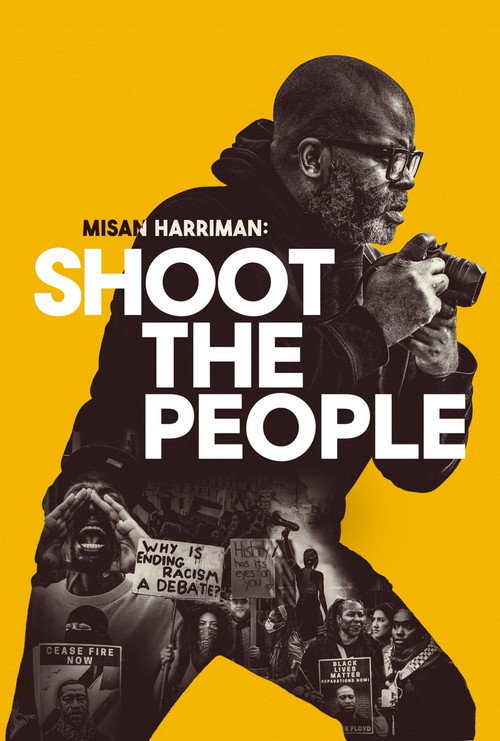
The film documents protest movements (BLM, Free Palestine) framed as small, outmatched groups confronting massive state and institutional power — police lines, systemic racism, occupation. The protesters are portrayed as brave and morally righteous throughout Harriman's sympathetic black-and-white imagery. The regime (police, governments, oppressive structures) is implicitly shown as cruel and dehumanizing by virtue of the protests' existence. The film closes by arguing for the collective power of these movements and inviting viewers to join the resistance, framing ongoing protest as meaningful challenge to entrenched power even if decisive victory remains unresolved.

No Country for Mothers
Moms First and the 2,500+ mother-advocates are framed as a small, outmatched group organizing against an entrenched political and corporate establishment. Mothers are portrayed as morally righteous; the establishment (politicians dodging policy questions, corporations rescinding leave) is shown as negligent and self-serving. The film's resolution — 1,000 community screenings across all 50 states, a Guinness-record production credit — is presented as meaningful resistance achieved despite the power imbalance.

Disclosure Day
Kellner and Margaret are two outmatched individuals (plus defector Wakefield) going on the run against WARDEX, a powerful private megacorporation with operatives and the full weight of decades of secret government backing. The rebels are framed sympathetically as whistleblowers seeking public truth. WARDEX is depicted as corrupt and ruthless (holding Jane hostage as leverage). The plot builds toward 'disclosure day' — a climactic moment of resistance that meaningfully challenges WARDEX's control. All five signals present: oppressive megacorporation, small group against overwhelming odds, morally righteous rebels, corrupt dehumanizing regime, and meaningful resistance achieved.
Masters of the Universe
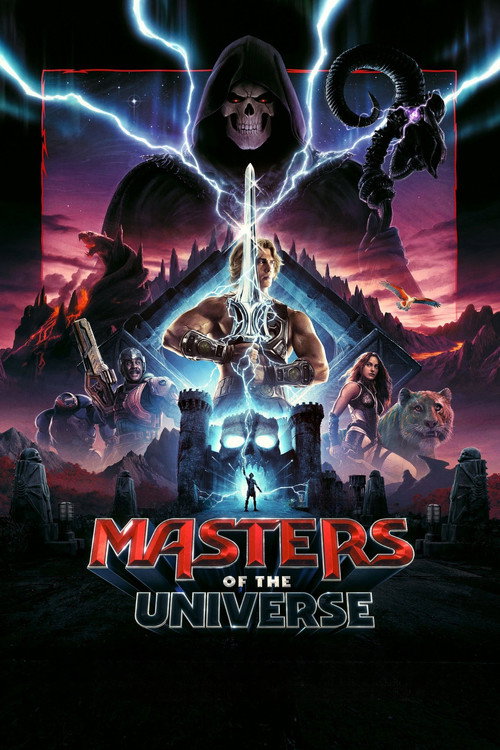
Skeletor has conquered all of Eternia, subjugating its population under cruel dominion. Adam, Teela, and Man-At-Arms form a small resistance—framed unambiguously as heroic—fighting to reclaim the kingdom. The regime is portrayed as evil (skull-faced, brutal), the rebels as brave and righteous, and the entire second half is their battle against overwhelming odds.

Revolutionary America
The film is structured entirely around the classic small-rebels-vs.-empire arc: American colonists explicitly described as outmatched against 'the most powerful empire of the age,' framed as morally righteous in their cause ('lives, fortunes, and sacred honor'), portrayed as brave against overwhelming odds, Britain cast as the oppressive authority denying the colonists' inherent right to self-rule, and independence ultimately won. All five signals fire: oppressive authority, small band against long odds, rebels depicted as brave and righteous, regime shown as illegitimate/cruel, and victory achieved despite the power gap.
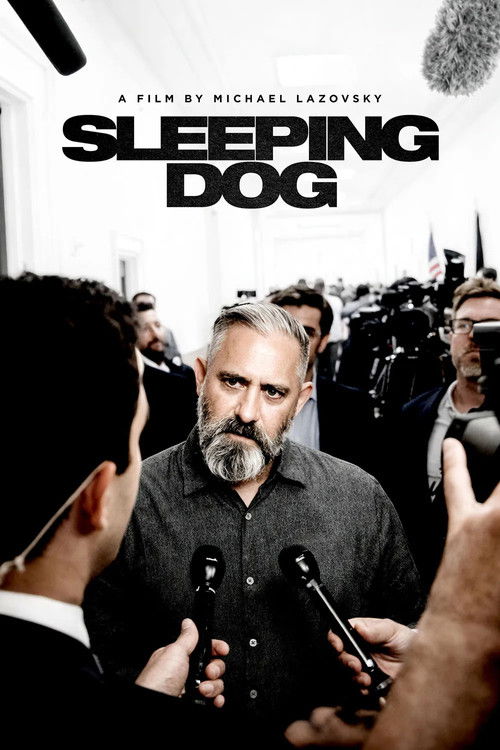
Sleeping Dog
A small coalition of journalists (Corbell, Knapp) and whistleblowers (Grusch, Fravor) confronts the vastly more powerful U.S. intelligence and defense apparatus. The group is portrayed as courageous truth-seekers taking serious personal and professional risks against an entrenched institutional power determined to keep information buried. Meaningful resistance is ultimately achieved — Pentagon investigations and formal congressional hearings — despite the overwhelming power imbalance, fitting the outmatched-rebels-challenge-the-empire arc.
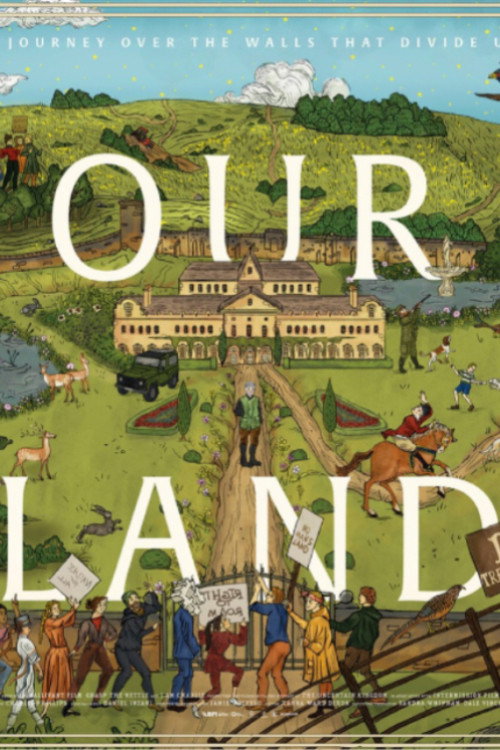
Our Land
The Right to Roam campaigners are a small, outmatched group challenging the entrenched institutional power of England's land-ownership system (1% own 50% of land, 92% legally off-limits). The activists are framed sympathetically as brave moral agents staging civil disobedience; the opposing side — wealthy estate owners backed by centuries of inheritance law — functions as the 'empire'. The mass trespass events constitute meaningful resistance against overwhelming odds, and the film connects the land regime to colonialism, framing it as cruel and dehumanising.
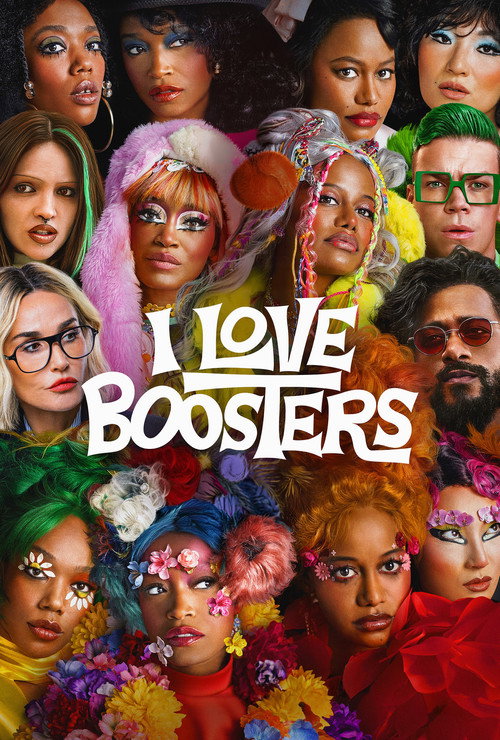
I Love Boosters
The Velvet Gang — five squatting shoplifters — is a textbook small resistance against a vast power structure: Christie Smith as the imperious fashion mogul and, by escalation, the broader capitalist economic order. All five signals fire: a megacorporation-scale antagonist exploits workers; a small crew organizes against overwhelming odds; the rebels are framed sympathetically as protagonists throughout; Christie is depicted as cruel and corrupt (design theft, 'low-class urban bitches'); and the gang's operations grow into a movement 'threatening to upend the broader economic order,' constituting meaningful resistance achieved despite the power gap.

Ask E. Jean
Carroll, a lone journalist backed only by a single confidante, faces Trump's enormous wealth, legal resources, and public prominence — a textbook small-vs.-vast-power dynamic. She is framed throughout as brave and morally righteous, Trump's conduct is depicted as cruel and dehumanizing, and her dual court victories are explicitly presented as meaningful resistance achieved despite the power gap. All three detect-when criteria are met.
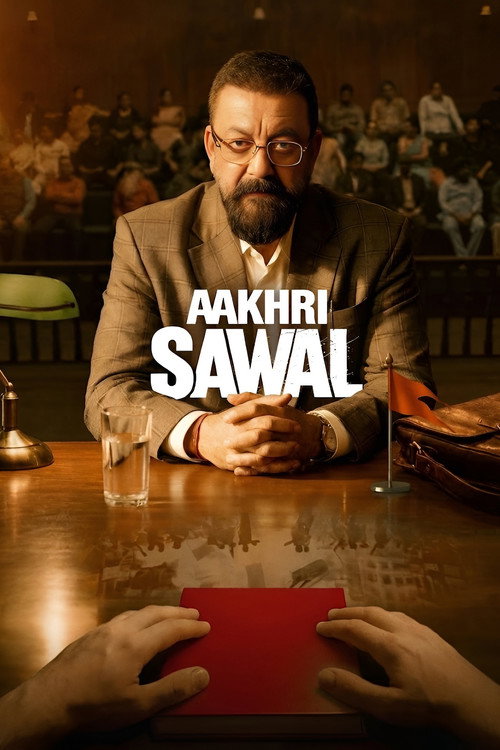
Aakhri Sawal
A lone, outmatched student (Vicky) rises against a legendary professor backed by institutional and ideological power. Vicky is framed sympathetically as a truth-seeker demanding evidence for entrenched historical claims. The power gap is stark — student vs. established academic, media, and political establishment — and the televised intellectual trial is the mechanism through which the underdog mounts a meaningful challenge to entrenched institutional authority.
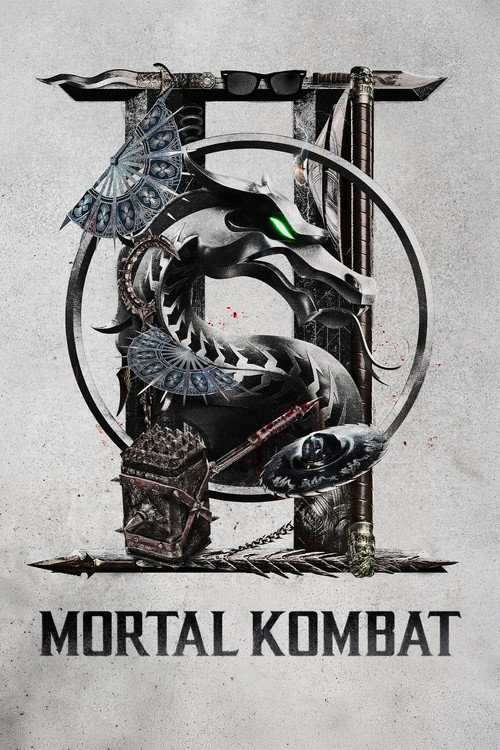
Mortal Kombat II
Earthrealm's small band of champions faces Shao Kahn's vast, merciless Outworld empire in a tournament framed as existential resistance. The champions are portrayed as righteous underdogs; Shao Kahn is explicitly cruel (severs Cole's fingers, murders Kitana's father). Victory — repelling the invasion — is achieved despite a 9-loss streak against overwhelming power.
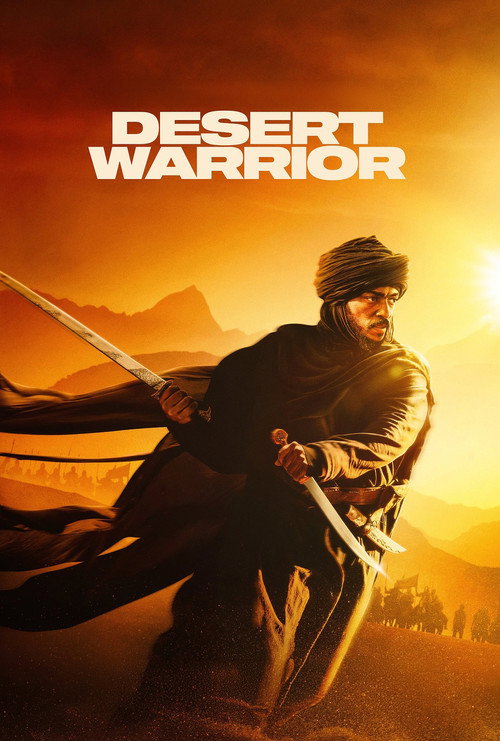
Desert Warrior
The Sasanian Empire is a vast oppressive regime demanding submission and concubines; Arab tribes are the outmatched resistance framed as morally righteous throughout. The regime is shown as cruel (demanding daughters, executing Al-Numan by elephant). A confederacy of tribes faces a numerically and militarily superior imperial army and prevails at Dhu Qar, explicitly framed as a historic turning point.

Heritage and Harvest: Quinault Razor Clams
The Quinault Indian Nation (small outmatched group) waged a decades-long advocacy campaign against Washington State's denial of their treaty fishing rights (vast institutional power), and the documentary frames their cause as morally righteous throughout. All three core criteria are met: clear power imbalance (tribal nation vs. state government), sympathetic framing of the resistance, and meaningful victory achieved (exclusive management of reservation beaches plus co-management of the broader 55-mile treaty area). Three signals are clearly present: a small group organizing against overwhelming odds (signal 2), the Nation portrayed as brave and righteous (signal 3), and victory achieved despite the power gap (signal 5). Signal 1 is partially met — state denial of legally recognized treaty rights constitutes institutional oppression, though the film does not characterize the state as cruel or corrupt.
SJOR | Rise of the North
The power imbalance is stark: a young girl and one warrior (Sjor and Halvar) resist a conquering emperor whose forces murdered Sjor's entire family and are actively hunting her. The resistance is framed as heroic and morally justified throughout. Four signals are clearly present: a totalitarian emperor who commits atrocities, a tiny band against overwhelming odds, the protagonists portrayed as righteous, and the regime depicted as cruel and predatory. The fifth signal (decisive victory) is withheld because the film is an intentional world-building foundation, not a resolved narrative.
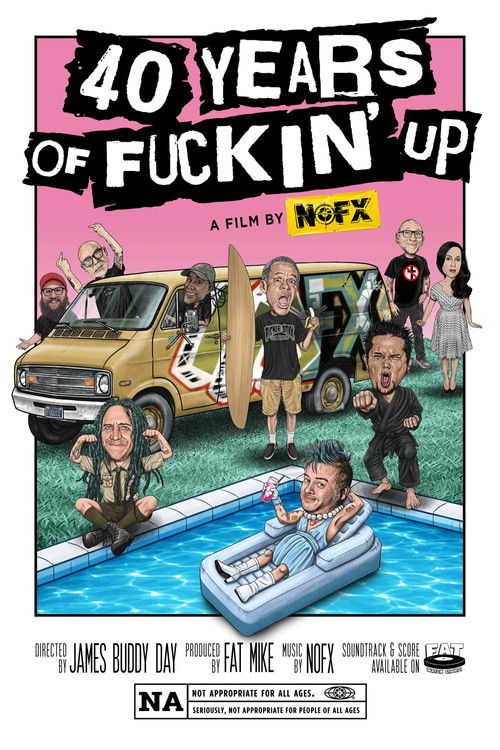
40 Years of Fuckin' Up
NOFX's decades-long DIY philosophy is framed as a deliberate, principled rebellion against the major record label industry. The film celebrates their 'deliberate and repeated rejection of major record label deals' and presents them as 'the most successful independent band in history on their own terms' — a small punk band organizing against the vast commercial music establishment, with their independence portrayed as morally righteous and their success as vindication against overwhelming industry power.
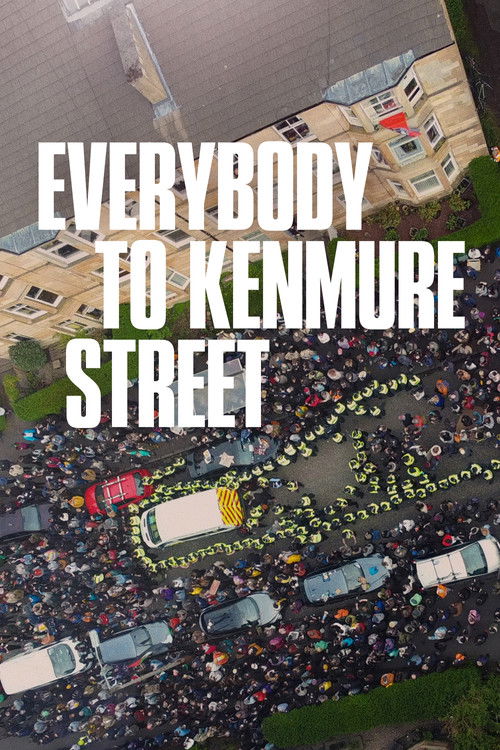
Everybody to Kenmure Street
All core elements present: (1) stark power imbalance — 2,500 ordinary residents vs. UK Home Office enforcement; (2) resistance framed as entirely sympathetic throughout; (3) meaningful victory — both detainees unconditionally released. All five signals hit: the government authority conducts immigration raids on Eid al-Fitr (dehumanizing/oppressive framing); a small spontaneous group organises against a state apparatus; the crowd is portrayed as brave and morally righteous (Sundance jury, film's tone); the regime is shown as cruel by its own actions; and victory is achieved despite the obvious power gap via sustained civil disobedience and legal negotiation.
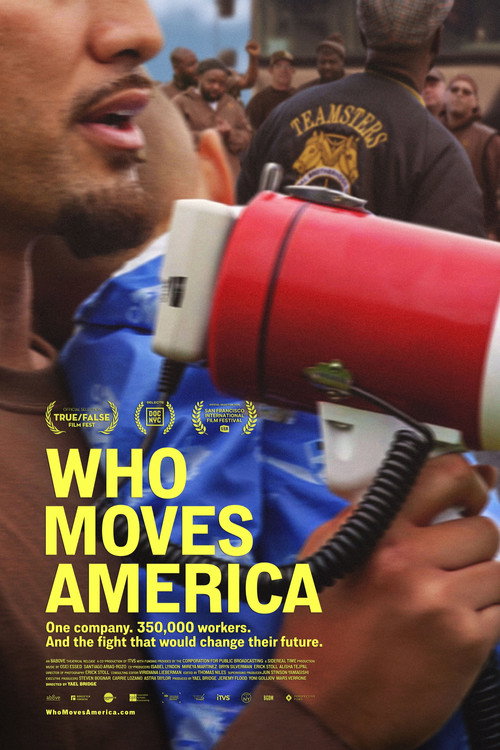
Who Moves America
340,000 Teamsters workers are structurally outmatched against UPS (a megacorporation), framed sympathetically throughout. The corporation is shown as dehumanizing (no AC in trucks during summer heat, inadequate wages). The three representative workers are portrayed as brave and morally righteous organizers. The negotiation outcome is presented as meaningful resistance achieved despite the corporate power gap.
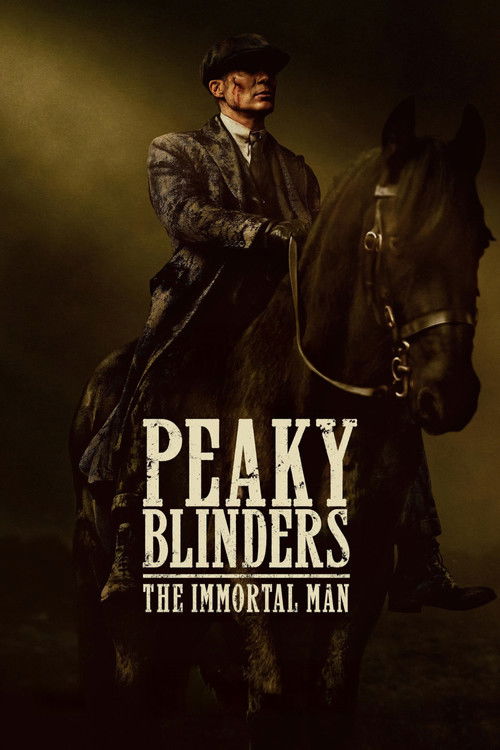
Peaky Blinders: The Immortal Man
A small criminal gang (the reconstituted Blinders under Tommy and Duke) faces off against a Nazi-backed operation with state-level resources — Beckett is Treasurer of the British Union of Fascists and a Nazi agent commanding mercenary forces. The Blinders are framed sympathetically as the de facto defenders of Britain's wartime economy. The regime is shown as cruel (Beckett kills Ada in cold blood, the counterfeiting scheme exploits concentration camp labor). Victory is achieved: the £70M cache is destroyed and Beckett is killed in a coordinated docks raid despite the obvious power imbalance.
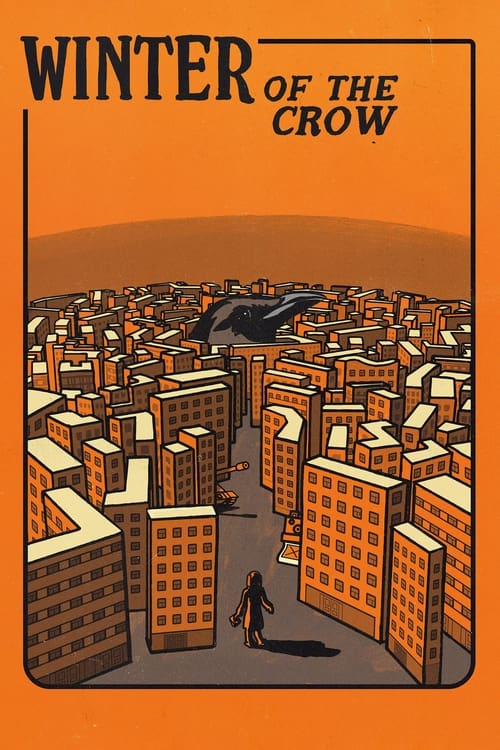
Winter of the Crow
Classic rebels-vs-empire structure mapped onto 1981 Poland. Power imbalance is extreme: Solidarity activists (Alina, murdered student) vs. the Polish military government with tanks and secret police. The resistance is unambiguously sympathetic — Alina is a heroic idealist 'risking everything against systemic oppression.' The regime is shown as cruel and dehumanizing (murder of a student activist, tanks replacing taxis, citizens treated as criminals). Joan's successful smuggling of photographic evidence constitutes a meaningful challenge to the regime. All five signals fire.
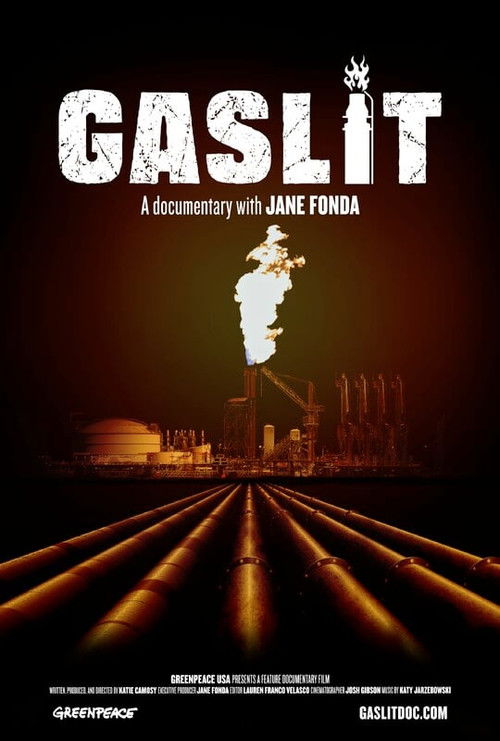
Gaslit
The power imbalance is explicit: U.S. oil and gas megacorporations versus scattered Gulf Coast and West Texas communities. Frontline residents — 'reluctant activists' spanning the political spectrum — are portrayed as brave and morally righteous underdogs. The industry is depicted as cruel and dehumanizing (forced land sales, contaminated water, invisible methane plumes). The film's call to action, Fonda's pledge to fight 'until the day I die,' and its festival recognition frame the resistance as meaningful challenge against overwhelming institutional power.

MOBILE SUIT GUNDAM HATHAWAY The Sorcery of Nymph Circe
Mafty is a small cell fighting the vast Earth Federation — a clear power imbalance. Hathaway is framed sympathetically throughout. The Federation is shown as brutal (torture evidence hardens Mafty's resolve). Mafty successfully strikes operations and directly threatens the Adelaide Conference, constituting meaningful resistance. All five signals present: oppressive government, small outmatched band, brave/righteous rebels, cruel regime, resistance achieved despite odds.

Cast Aside the Clouds
The Iranian state is a clearly oppressive regime that systematically persecutes the Bahá'í minority — banning higher education, arresting Layla, and subjecting her to brutal interrogation in Evin Prison. The Bahá'í underground university is organized resistance against overwhelming state power. Layla is framed as morally righteous and courageous throughout. The regime is depicted as cruel and dehumanizing. Meaningful resistance is achieved through the underground university's existence and the couple's cross-faith love, which the film explicitly frames as its thematic core — a direct challenge to a society that forbids such connection.

To Use a Mountain
Six rural communities (small, outmatched) face the federal DOE (vast authority) unilaterally designating their land as sacrifice zones. Farmers, miners, and Western Shoshone leaders are portrayed sympathetically as brave resisters. The government is shown as dehumanizing through its 'impassive bureaucratic logic.' Partial victory is achieved: Yucca Mountain construction was halted after sustained community resistance.
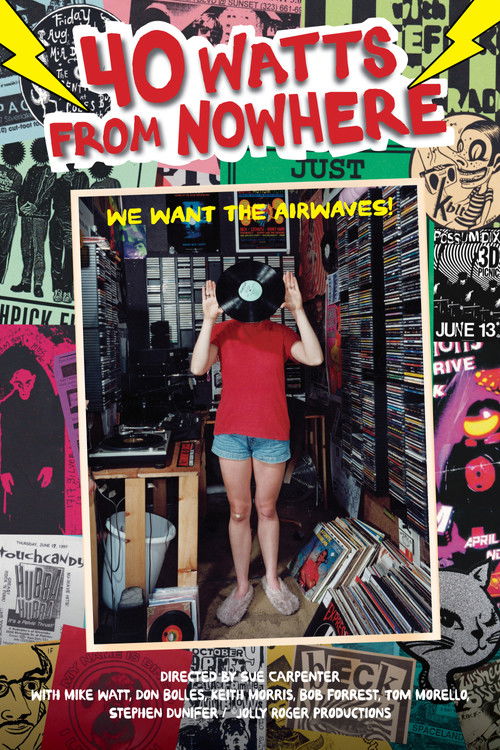
40 Watts from Nowhere
KBLT is a 40-watt closet transmitter vs. the FCC and consolidated corporate FM — a textbook asymmetric power struggle. The documentary frames Carpenter and the pirate radio community as morally righteous underdogs; the FCC/corporate system is portrayed as homogenizing and oppressive. The regime is shown as cruel (federal shutdown, $11K fine, and the 2000 law that specifically barred former pirates from LPFM licenses to punish the movement's pioneers). Meaningful resistance is achieved: KBLT ran three years, attracted punk legends and the Red Hot Chili Peppers, and its movement directly seeded the LPFM cause — all five rebel-vs-empire signals are present.
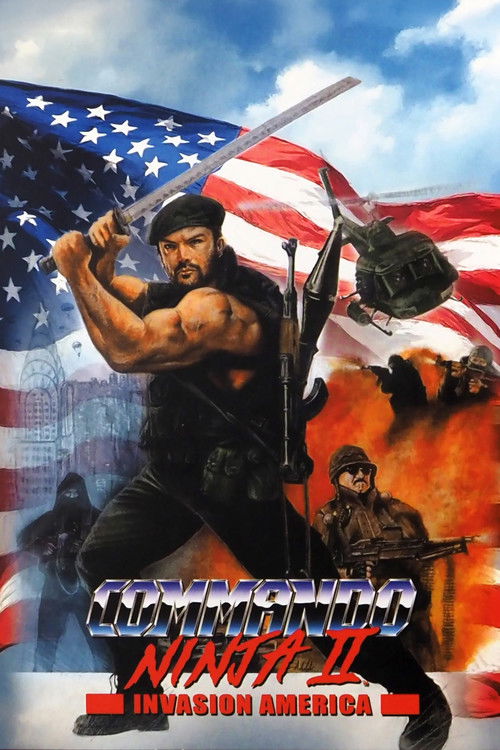
Commando Ninja 2: Invasion America
Four-person team faces entire hidden Soviet invasion force (divisions beneath cities, sewer networks, sleeper agents) — maximal power imbalance. The team is framed as heroic American defenders. The regime is shown as cruel and deceptive. Victory is achieved when the small team pushes back the invasion all the way to Vietnam. All five signals fire: totalitarian force, small band, morally righteous rebels, dehumanizing regime, victory against odds.
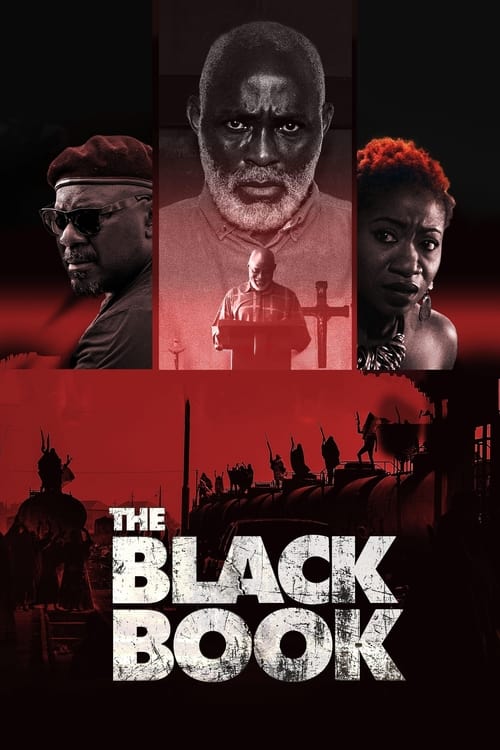
The Black Book
Paul, Kalu, and Big Daddy form a small, outmatched cell against General Issa's cartel, which controls corrupt police, intimidated media, and armed paramilitaries. The trio is framed as morally righteous; Issa's network is shown as murderous (killing innocents, framing an innocent man). Despite extreme power asymmetry, the group dismantles the network — Issa is arrested and multiple high-ranking officials implicated. Four signals clearly met; signal 1 is partial (Issa's operation is a criminal cartel with institutional reach rather than a formal state empire).
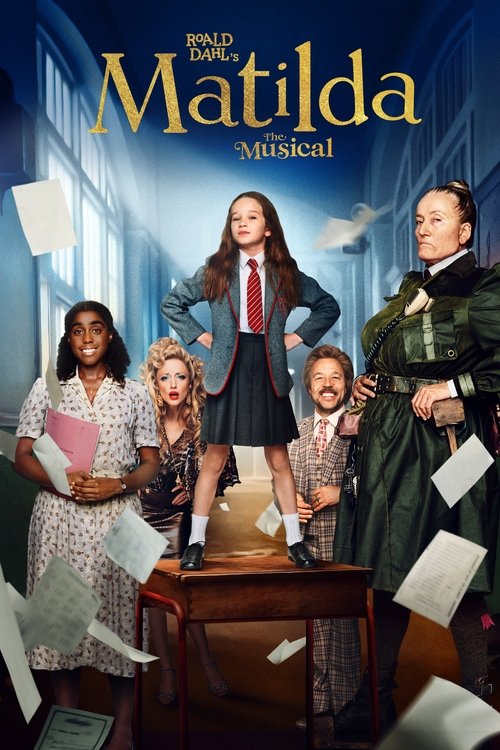
Roald Dahl's Matilda the Musical
Crunchem Hall under Miss Trunchbull is explicitly run like a prison — with the Chokey, forced public humiliations, and iron refusal to make exceptions. Matilda and the students are the powerless resistance, framed as sympathetic and righteous. Miss Honey's petition (working within the system) is flatly refused. The climax drives Trunchbull out entirely; the students then rename the school and build a new playground — a full symbolic overthrow of the regime.

Elon Musk: The Real Life Iron Man
Tesla and SpaceX are framed as small, outmatched ventures challenging vast incumbent powers — 'entrenched auto manufacturers and oil companies' and traditional aerospace. The resistance (Musk's companies) is portrayed sympathetically as brave and mission-driven. The story concludes with the regime meaningfully challenged: electric cars went mainstream and reusable rockets changed space access economics, signaling victory against the established order despite the initial power imbalance.
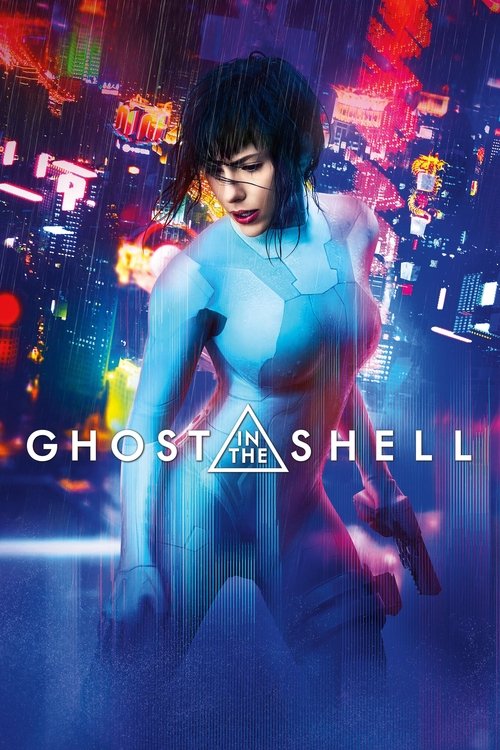
Ghost in the Shell
The Major and Kuze—isolated individuals with no institutional backing—are pitted against Hanka, a megacorporation with state resources and a spider-tank. Both are framed sympathetically as victims of Hanka's exploitation. The corporation is shown as cruel and dehumanizing (abducting protesters, fabricating lives). Hanka's power is broken when Cutter is killed and the truth exposed, constituting a meaningful defeat of the oppressive authority.
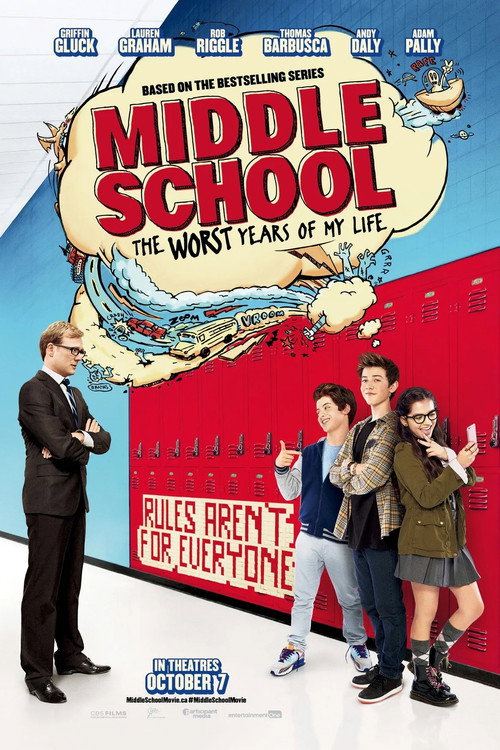
Middle School: The Worst Years of My Life
Rafe and a small band of students (Leo, Jeanne, Georgia, classmates) wage Operation R.A.F.E. against the tyrannical Principal Dwight and Vice-Principal Stricker, who are explicitly described as authoritarian and obsessed with control. The rebels are framed as morally righteous throughout; the regime is shown as cruel and dehumanizing (Dwight dissolves Rafe's sketchbook, suspends an entire class to manipulate test scores). All five signals fire: the administration is portrayed as oppressive and corrupt, the student group organizes against overwhelming institutional odds, they are the clear moral heroes, the regime's cruelty is repeatedly shown, and the victory is total—both administrators are fired and publicly humiliated.
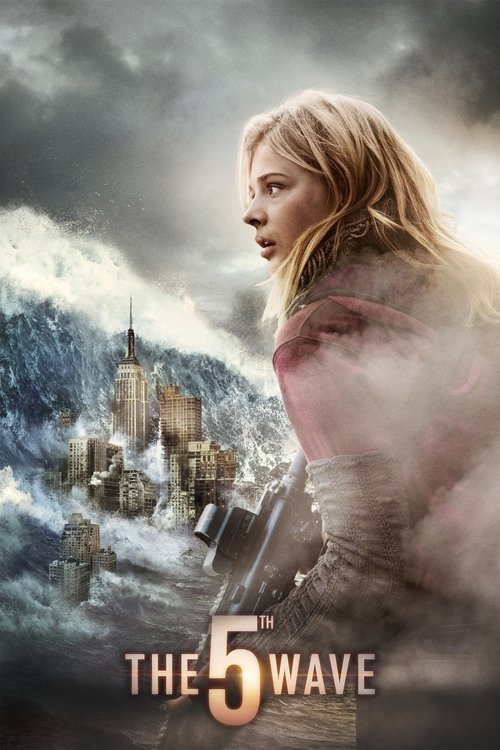
The 5th Wave
A tiny band of survivors (Cassie, Ben, the squad) faces the alien Others who have wiped out most of humanity and commandeered the U.S. military. The rebels are framed as brave and morally righteous; the regime massacres unarmed adults and weaponizes children. The climax sees the base destroyed and Sam rescued despite impossible odds.
Norm of the North
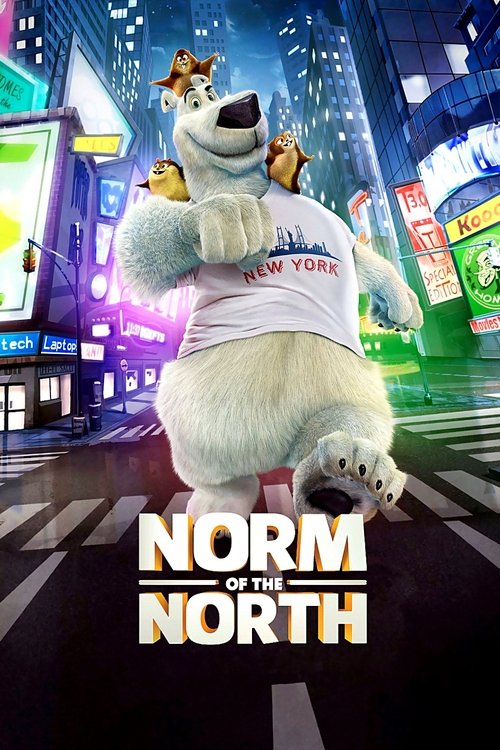
Norm (a lone polar bear) and three lemmings face Greene's well-funded real-estate corporation — a textbook massive-power-vs-small-resistance structure. The resistance is framed as wholly sympathetic, Greene is portrayed as corrupt and ruthless (bribery, doctored audio), and the story ends with Greene's reputation destroyed and the Arctic development foiled.

The Hunger Games: Mockingjay - Part 2
Snow's Capitol is a totalitarian empire with Peacekeepers, pods, and engineered arenas. The rebel forces are framed as morally righteous underdogs fighting across all thirteen districts. The Capitol falls, Snow is captured, and the regime is overthrown despite the enormous power gap.
The Hunger Games: Mockingjay - Part 1
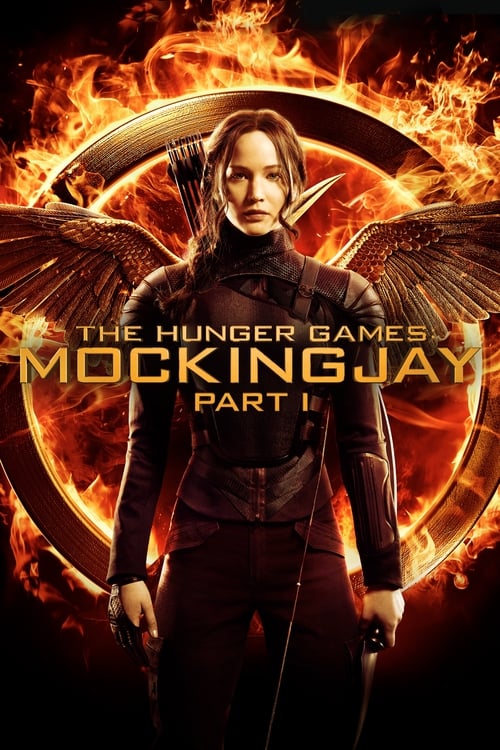
District 13 and the rebel districts form a small resistance against the overwhelming Capitol empire. The rebels are framed as morally righteous throughout. The Capitol is shown as cruel and dehumanizing (bombing a hospital in retaliation, forcing victors into sexual slavery). Meaningful resistance is achieved: the dam attack cuts Capitol power, Beetee hijacks broadcasts, and the rescue mission succeeds. The film closes with the rebellion advancing on District 2.
The Hunger Games: Catching Fire
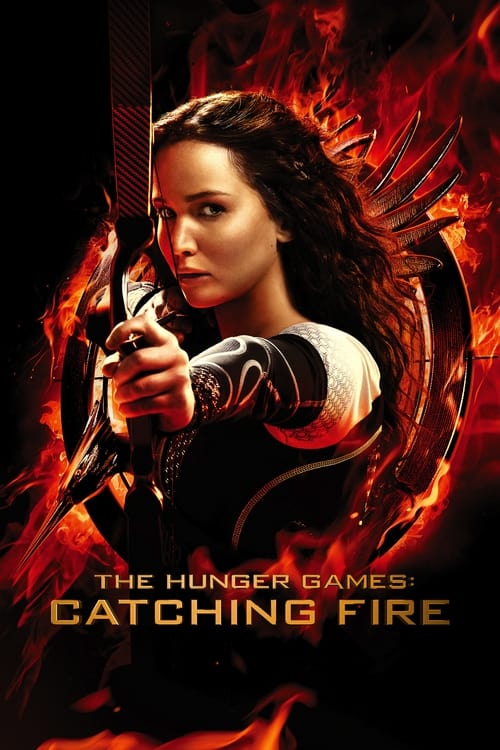
The Capitol is an overtly totalitarian regime oppressing twelve districts; a small clandestine network (Plutarch, Haymitch, Finnick, Beetee) organizes against overwhelming odds to rescue Katniss; rebels are framed as brave and righteous (Mags sacrifices herself, Cinna is beaten for defiance); the regime is shown as cruel and dehumanizing (Gale's public flogging, firebombing of District 12, beating Cinna); meaningful resistance is achieved when the arena is destroyed and Katniss escapes to District 13.
The Hunger Games
Panem's Capitol is an explicit totalitarian regime forcing annual child sacrifice on twelve oppressed districts. Katniss's defiance is framed as morally righteous rebellion against overwhelming power. The regime is shown as cruel and dehumanizing (children die for Capitol entertainment). The story closes with rebellion visibly spreading—District 11 riots after Rue's death, and Snow punishes Crane for allowing a crack in Capitol authority—confirming meaningful resistance achieved against a vastly superior power.
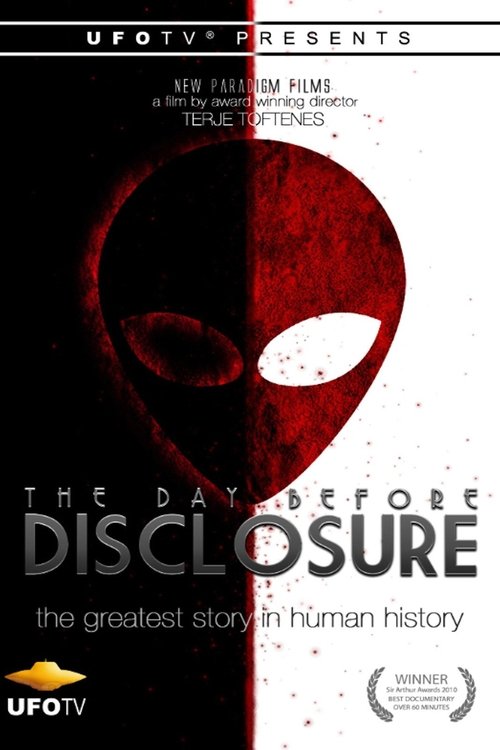
The Day Before Disclosure
A small, outmatched coalition of witnesses, researchers, and former officials is pitted against the vast institutional power of government and military secrecy. The disclosure advocates are framed as morally righteous truth-tellers bearing personal cost (ridicule, silencing). The institutional power is shown as corrupt and deceptive. The film frames imminent disclosure as a meaningful challenge to that regime, completing the resistance arc.

The Last Airbender
The Fire Nation is a conquering empire that exterminated the Air Nomads and occupies Earth Kingdom villages. Aang, Katara, and Sokka are a tiny outmatched resistance framed as heroic throughout. The Fire Nation fleet is repelled at the end, constituting meaningful resistance. All five signals fire: totalitarian aggressor, small brave band, cruel regime, sympathetic rebels, and achieved resistance.
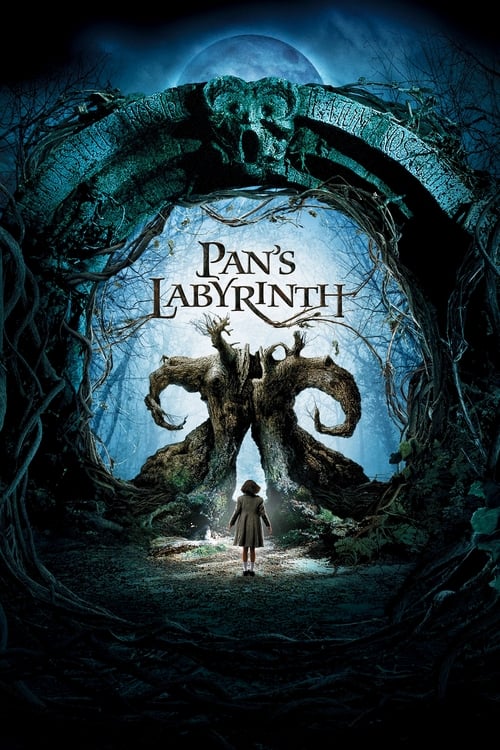
Pan's Labyrinth
Francoist Spain under Captain Vidal is the explicit oppressive regime; the Spanish Maquis are the outmatched but sympathetically portrayed resistance. Mercedes and her brother Pedro are framed as brave and morally righteous. Vidal tortures prisoners and murders Dr. Ferreiro, cementing the regime as cruel and dehumanizing. The story ends with the Maquis surrounding and killing Vidal — a direct victory for the resistance against overwhelming institutional power.

Jimmy Neutron: Boy Genius
The children of Retroville — riding converted carnival rides — face the Yolkian empire's warships, a textbook power-imbalance rebellion. The child heroes are framed as brave and righteous; the Yolkians are cruel enslavers who sacrifice captives to a chicken deity. The improvised fleet defeats Goobot's forces and liberates the adults despite overwhelming odds.
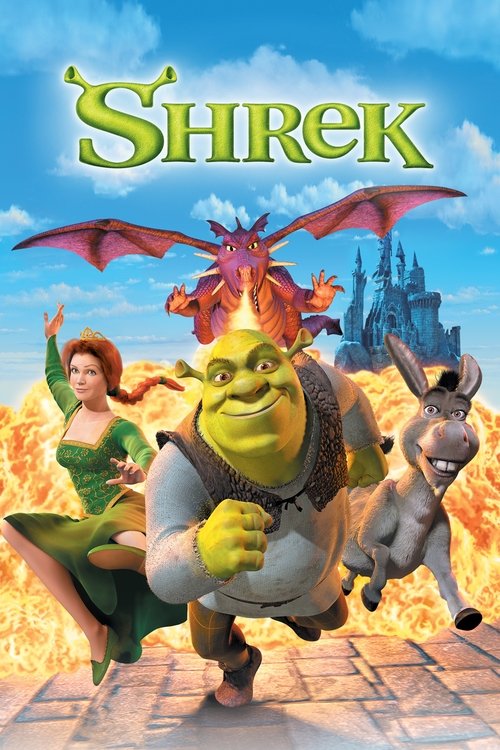
Shrek
Farquaad rules Duloc as a petty tyrant who rounds up and exiles all fairytale creatures, dehumanizing them as nuisances to be disposed of. His regime is depicted as vain, cruel, and performatively perfect. Shrek and Donkey — a social outcast and a refugee — are the lone challengers who infiltrate Duloc, disrupt the wedding, and precipitate Farquaad's downfall. Dragon's destruction of Farquaad ends his rule and liberates the exiled creatures. The power asymmetry (one ogre and a donkey vs. a kingdom's knights and authority) is explicit, and their cause is framed as righteous throughout.
Gangland
Lucifer's gang has conquered post-apocalyptic Los Angeles, turning the entire civilian population into prisoners and slaves — a totalitarian occupation. Three heroes represent a tiny resistance against this massive armed force. They are portrayed as brave and morally righteous (avenging the innocent, saving humanity). The gang is explicitly cruel and dehumanizing. The heroes ultimately defeat Lucifer and liberate the scientist despite the overwhelming power gap.
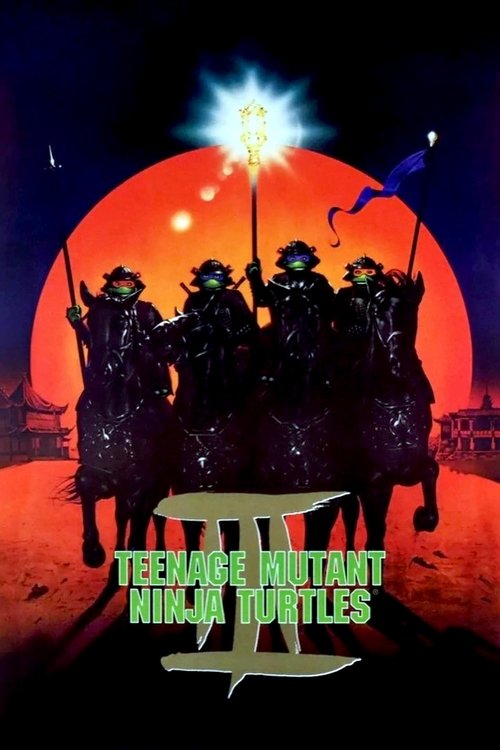
Teenage Mutant Ninja Turtles III
Mitsu's village rebels against Lord Norinaga's feudal rule — a small, outmatched resistance framed as heroic and morally righteous. Norinaga is depicted as cruel and corrupt (berating his pacifist son, dealing with an arms merchant). The Turtles join the rebellion, storm the palace in a climactic battle, and Norinaga ultimately surrenders to Mitsu — the regime is defeated despite the overwhelming power gap.
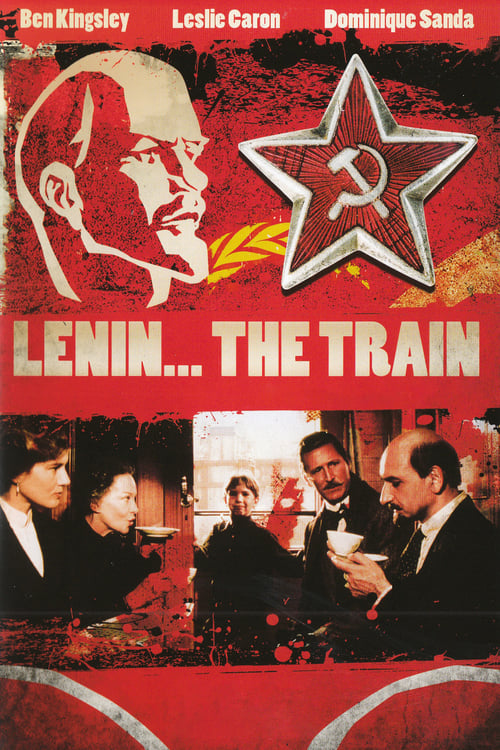
Lenin: The Train
A small band of revolutionary emigrants — Bolsheviks, Mensheviks, and socialist internationalists — makes a covert journey against the backdrop of the vast Russian Imperial system they seek to overthrow. The resisters are framed sympathetically as ideologically committed fighters for workers' rights clashing with entrenched power. The story ends on a triumphant note with Lenin's arrival marking the beginning of the regime's fall, fulfilling the pattern of outmatched rebels achieving meaningful challenge against an oppressive order.
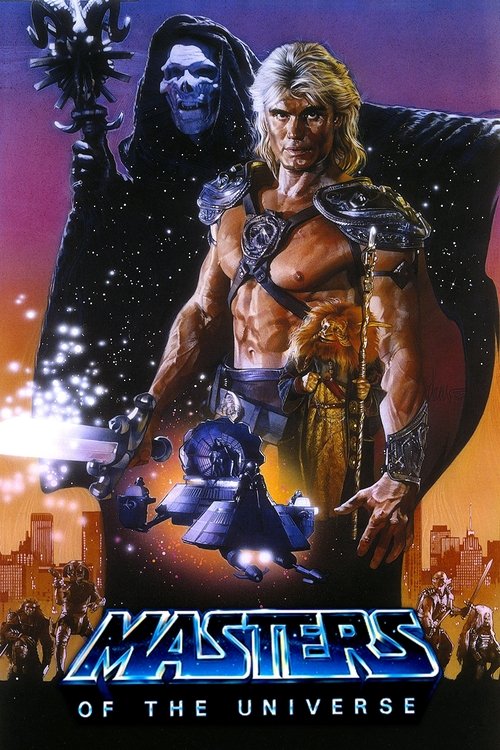
Masters of the Universe
He-Man's small group is explicitly 'vastly outnumbered' against Skeletor's forces that have conquered Castle Grayskull and imprisoned the Sorceress. The rebels are framed as morally righteous heroes; Skeletor's regime is depicted as cruel and dehumanizing (draining the Sorceress's life force, parading He-Man as a slave). Despite the massive power gap, He-Man defeats Skeletor and restores Grayskull.

The Transformers: The Movie
Decepticons occupy Cybertron (oppressive regime); Autobots operate from moons with limited resources (small band against overwhelming odds); Autobots portrayed as brave and morally righteous throughout; Decepticons are cruel — slaughtering shuttle crew, Starscream backstabbing wounded comrades; story ends with Autobots reclaiming Cybertron and declaring a new golden age.
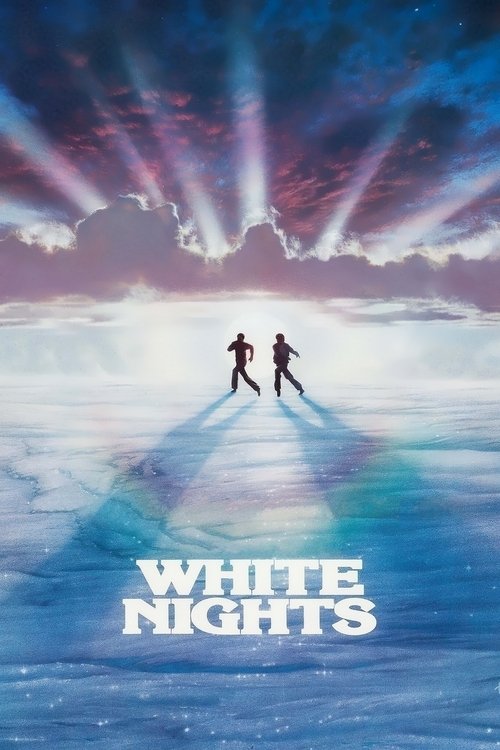
White Nights
A small group of individuals (Kolya, Raymond, Darya, Galina) resists the Soviet state and KGB — a vast institutional authority — and is framed throughout as sympathetic and righteous against Chaiko's cruel coercion. The Soviets ultimately fail to retain their propaganda prize (Kolya) and are forced into a prisoner exchange for Raymond, constituting a meaningful, if modest, challenge to the regime's power.

He-Man and She-Ra: The Secret of the Sword
The Great Rebellion is a small, outmatched resistance against the Horde, an intergalactic occupying army. The Horde's cruelty is shown explicitly (village raids, oppression of civilians). Rebels Bow, Kowl, Glimmer, and eventually She-Ra are framed as brave and morally righteous. Victory is achieved when Bright Moon is liberated in the final battle despite the vast power gap.
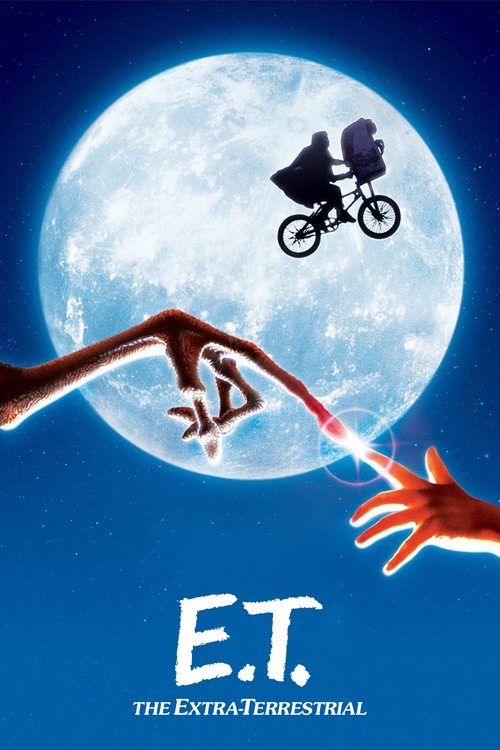
E.T. the Extra-Terrestrial
A clear power imbalance pits a handful of children and a single alien against a fleet of government agents with vehicles, surveillance equipment, and institutional authority. The children are framed as morally righteous; the agents quarantine the family home and treat E.T. as a scientific asset. The climax — kids on bicycles levitating over a government roadblock — literalizes the underdog escape, and E.T. successfully boards his ship, denying the regime its objective.
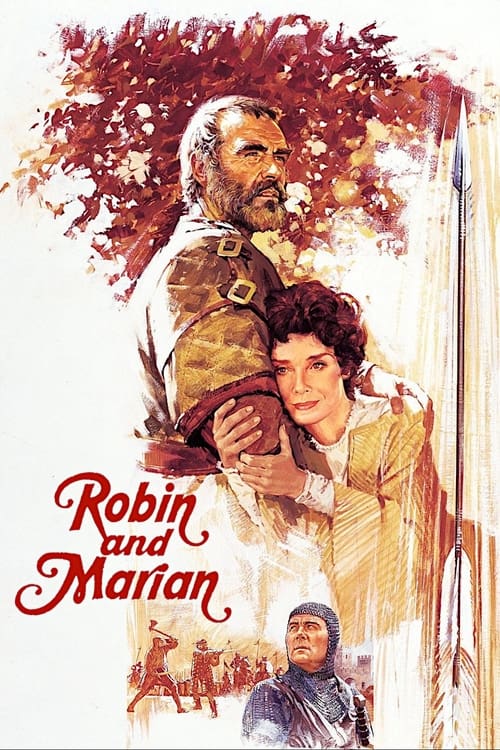
Robin and Marian
Robin's small outlaw band (Little John, Will Scarlet, Friar Tuck) directly opposes King John's tyrannical regime. The regime is explicitly oppressive—expelling Catholic clergy, arresting nuns. Robin and his companions are framed as morally righteous throughout: he refuses the massacre of innocents, rescues the defenseless, spares enemies when possible. The regime is shown as cruel and corrupt. Robin ultimately kills the Sheriff, the regime's local enforcer, representing a clear victory for the resistance despite the power imbalance.
American Agitators
The documentary depicts community organizers as a small, outmatched force opposing entrenched institutional power — segregationist school districts, political machines that excluded Latinos, and low-wage employers. Ross's coalitions are framed as morally righteous throughout. Victories are achieved against overwhelming odds: Mendez v. Westminster desegregating Orange County schools, the 1949 election of East L.A.'s first Latino council member, Fight for 15 wage wins, and the 2023 Oakland teachers' contract. The rebels are consistently portrayed as brave and effective despite structural disadvantage.