Movie
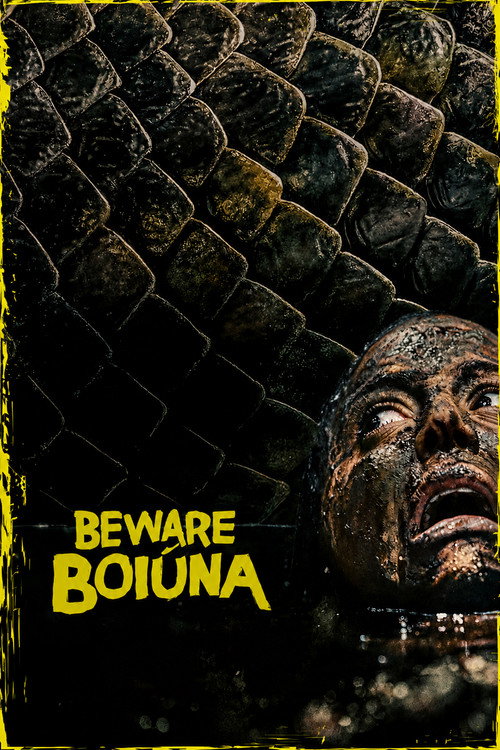
Beware Boiúna
Narrative tropes
Nature Fights Back
mediumLogan Marshall-Green's character represents human exploitation of the jungle — its destruction for profit — which is the inciting context for the team's encroachment. The Boiúna emerges acting on 'territorial imperative, reclaiming its domain,' a nature-as-agent response to human intrusion. The film's closing image — the jungle asserting that 'nature, not human intention, holds absolute authority' — frames the creature's attacks as nature correcting the imbalance caused by human activity.
About this trope: Humanity's exploitation or destruction of the environment triggers catastrophic consequences — nature retaliates through disasters, plagues, animal attacks, or ecological collapse, as if the planet itself is punishing human arrogance.
Cultural messages
Nature Knows Best
highLena's origin-in-the-jungle and her 'connection to the land' are explicitly the group's best survival asset, placing a nature-connected character above the modern outsiders. Logan's exploitative profiteering from the jungle's destruction provides the counterpoint of corrupted modern life. The film closes with the jungle 'reasserting absolute authority,' a direct idealization of the natural world as sovereign. Lena's return to the forest she once left restores her agency and effectiveness — a return-to-nature grants strength.
About this message: The natural world, indigenous peoples, or pre-industrial life is portrayed as inherently wise, pure, morally superior, or spiritually richer than modern civilization. Nature is a source of truth that technology has replaced.
Movies that share these tropes


Full plot (spoilers)
A humanitarian medical team travels deep into the Brazilian Amazon along the Curuçá River, intending to deliver medicine to remote communities. The team includes Dr. Miguel, who leads the mission; Americans Alli and Callum; and Lena (Kiana Madeira), the boat's mechanic, a woman originally from the jungle who left long ago and carries a secret personal agenda — she is searching for her missing brother who disappeared in the Amazon. Also present are brothers Brennan and Shawn, who are pursuing a far less altruistic goal. A sudden violent confrontation — triggered in part by Logan Marshall-Green's character, a man profiting from the jungle's destruction — forces three of the team members to flee into the rainforest on foot. They find themselves hunted by a man bent on revenge for the deaths that resulted from that clash. For nearly the film's first hour, the threat of the Boiúna is felt only in atmosphere and dread. Then the creature itself emerges: a colossal ancient serpent rooted in Amazonian mythology, the Boiúna does not hunt out of malice but out of territorial imperative, reclaiming its domain against the humans who have intruded. The survival story that follows blurs the lines between hunter and prey, hero and villain — Logan Marshall-Green's antagonist accumulates unexpected layers, becoming a figure Lena comes to understand even as he threatens her. A standout set-piece has Lena trapped in a mud pit, forced to hold completely still while the Boiúna circles her. Lena's resourcefulness and connection to the land — her Ripley-like resilience — become the group's best asset. The film ends with the jungle reasserting itself as a space where nature, not human intention, holds absolute authority.
Sources: Wikipedia (premise section), IMDb (search metadata), JoBlo review, NextBestPicture review