Movie
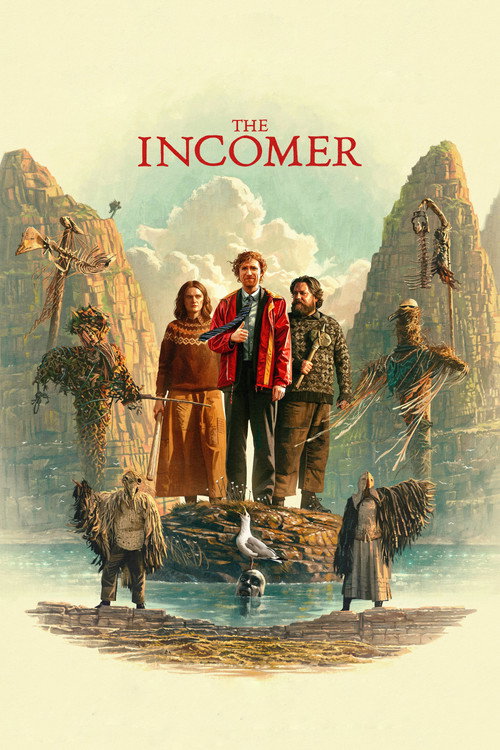
The Incomer
Narrative tropes
A Parent's Shadow
highBoth siblings are explicitly defined by their father's legacy: his warnings about 'incomers' constitute their entire worldview and social behavior. His disappearance (inherited mystery/grief) is the central unresolved tension. The father's warnings shape how the siblings perceive and treat Daniel. The siblings must choose between perpetuating the father's isolationist legacy and forging their own path. The resolution arc is framed precisely as self-definition — 'whether the world outside represents danger or the possibility of freedom.'
About this trope: A character must grapple with the legacy of their parents or predecessors — living up to high standards, running from expectations, atoning for inherited sins, or forging their own path.
Cultural messages
The System Is Rigged
mediumThe government/council is an institution ostensibly acting for the siblings' welfare but whose eviction notice is described as 'genuinely destructive to their way of life,' with the story questioning whether the 'mainland's notion of rescue is any less violent than the incomers they feared' — framing the institution as actively harmful rather than protective. The siblings operate entirely outside institutional rules and must resist the bureaucratic force to preserve their existence (signal: operating outside the system is the only viable path; signal: authority acts with willful negligence toward the human cost of its procedures).
About this message: Institutions meant to protect people — governments, corporations, law enforcement, the justice system — are depicted as corrupt, incompetent, or actively harmful. Heroes must work outside official channels.
Movies that share these tropes




Full plot (spoilers)
Isla and Sandy are adult siblings who have lived alone for roughly thirty years on a remote, otherwise uninhabited Orkney island after their parents disappeared. Raised on their father's warnings about "incomers" from the mainland, the two have built an insular world of their own: they hunt seabirds for food, enact ritual costumes and invented ceremonies, retell the stories of their ancestors, and train to repel any outsider who might threaten them. Isla is additionally tormented by visions of a Finman, a mythical creature from Orcadian folklore that attempts to lure her into the sea, suggesting she may be on the verge of crossing into myth herself. Their self-contained existence is upended when Daniel, a mild-mannered, hapless council worker dispatched by his demanding boss Roz, arrives on the island wearing a red cagoule and clutching bureaucratic paperwork — an eviction notice tasking him with relocating the pair to the mainland under government authority. To Isla and Sandy, Daniel is exactly the dreaded incomer their father warned about, and they treat him as a sinister threat despite his obviously unthreatening demeanor. The film plays this inversion as dark folk comedy: the bureaucratic bogeyman is the least frightening figure imaginable, yet the institutional force he represents is genuinely destructive to the siblings' way of life. As Daniel's presence disrupts their routines and rituals, the story examines what isolation has cost Isla and Sandy — including grief over their vanished parents and a fragile, self-mythologized identity — while also questioning whether the mainland's notion of rescue is any less violent than the incomers they feared. The narrative moves through absurdist and sinister turns as the siblings must reckon with growth, vulnerability, and whether the world outside their island represents danger or the possibility of freedom.
Sources: Wikipedia, nomoreworkhorse.com (film review), martincid.com (film article), Web search snippets (Letterboxd, Screen Scotland, MIFF, Sundance)