Movie
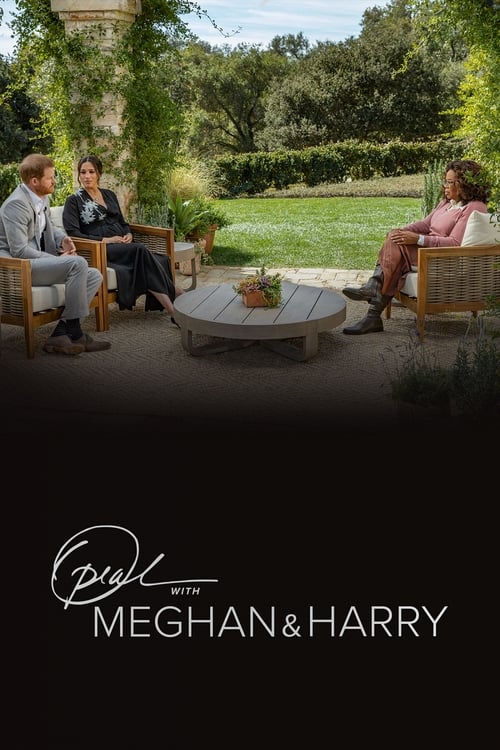
Oprah with Meghan and Harry: A CBS Primetime Special
Narrative tropes
A Parent's Shadow
highHarry is explicitly defined by his royal parentage — son of Charles, heir to a centuries-old institution. Inherited title, financial dependency, and dynastic expectations drive the central conflict. Charles stops returning Harry's calls; the institution cuts them off financially when they step back. Harry's arc is entirely about choosing between the royal legacy and forging an autonomous identity. The resolution — a private life in the US on commercial terms — represents Harry defining himself on his own terms.
About this trope: A character must grapple with the legacy of their parents or predecessors — living up to high standards, running from expectations, atoning for inherited sins, or forging their own path.
You Can't Trust Anyone
highThe royal family and palace — the most intimate trusted circle Harry has ever known — are revealed as complicit or hostile: the institution suppressed Meghan's mental health crisis, orchestrated a cover-up of false tabloid stories, and an unnamed family member raised racist concerns about Archie's skin tone. Charles stopped returning calls; William's relationship is strained. The couple's paranoia that they were unsupported and surveilled is validated by a pattern of institutional betrayal hidden within their own household.
About this trope: Trusted allies, institutions, or authority figures are secretly working against the protagonist. Paranoia is justified because betrayal is real and pervasive.
Cultural messages
The System Is Rigged
highThe royal institution — ostensibly a supportive family structure — is revealed as actively working against Meghan and Harry: palace officials denied psychiatric care citing institutional image, the palace declined to correct false tabloid narratives it knew were false, Archie was denied title and security without explanation. Working within the system explicitly failed (their proposal for a part-time royal role was rejected). True autonomy was achieved only by leaving the institution entirely — bypassing it rather than reforming it.
About this message: Institutions meant to protect people — governments, corporations, law enforcement, the justice system — are depicted as corrupt, incompetent, or actively harmful. Heroes must work outside official channels.
Be Yourself
mediumMeghan describes being silenced, suppressed, and reshaped by palace protocol — unable to express her genuine distress or correct false narratives about herself. Conformity is depicted as painful and ultimately life-threatening (suicidal ideation). The interview itself is the turning-point act of self-disclosure; their departure from royal life and public declaration of their own story is framed as liberation. Strength and peace flow directly from the choice to be authentic rather than institutional.
About this message: A character hides or suppresses their true identity to conform, then finds strength and happiness by embracing who they really are. Authenticity is the real superpower.
Family Is Everything
mediumProtecting their children — Archie's skin-tone concerns, denial of title and security, and the announcement of a second child — drives much of the emotional weight of the interview. Harry explicitly chooses family over royal status and financial security. The resolution is framed around building a safe, peaceful family life in the US, with Harry's choice to sacrifice duty and income positioned as the correct path once family is threatened.
About this message: Family bonds — biological or found — are ultimately what saves the day, provides meaning, and matters most. Characters who stray from family suffer; those who return are rewarded.
Movies that share these tropes




Full plot (spoilers)
"Oprah with Meghan and Harry: A CBS Primetime Special" is an 85-minute televised interview that aired on CBS on March 7, 2021. Oprah Winfrey first speaks one-on-one with Meghan, Duchess of Sussex, before Prince Harry joins them for the final portion. Meghan opens by discussing her transition into royal life, describing feeling unprepared and unsupported by the institution. She reveals that she and Harry had privately exchanged wedding vows three days before their televised ceremony with the Archbishop of Canterbury. Meghan discloses a severe mental health crisis during her time as a working royal, including suicidal thoughts, saying she 'did not want to be alive anymore,' and alleges that senior palace officials denied her request for psychiatric help on the grounds that it would damage the institution's image. She says she felt silenced by palace protocol and that false tabloid narratives about her went uncorrected by the royal household despite it knowing the truth. A central and widely reported revelation concerns race: Meghan and Harry allege that an unidentified member of the royal family raised 'concerns and conversations' during Meghan's pregnancy about how dark their son Archie's skin might be. They also state that Archie was initially denied a princely title and security protection. When Harry joins the interview, he describes his relationship with Prince William as strained but expresses continued affection for him. He says his father, Prince Charles, stopped returning his calls and that the family was effectively 'cut off financially' after stepping back from senior royal duties, forcing them to secure commercial deals with Netflix and Spotify; Tyler Perry provided them housing during the transition. Harry and Meghan both emphasize that they had originally sought a reduced, part-time royal role rather than a full departure, but the institution rejected any such arrangement. The couple announces they are expecting a daughter, later named Lilibet Diana. Throughout the interview both speak about their hopes for a more peaceful and autonomous family life in the United States.
Sources: Wikipedia, Web search (CBS/variety coverage)