Movie
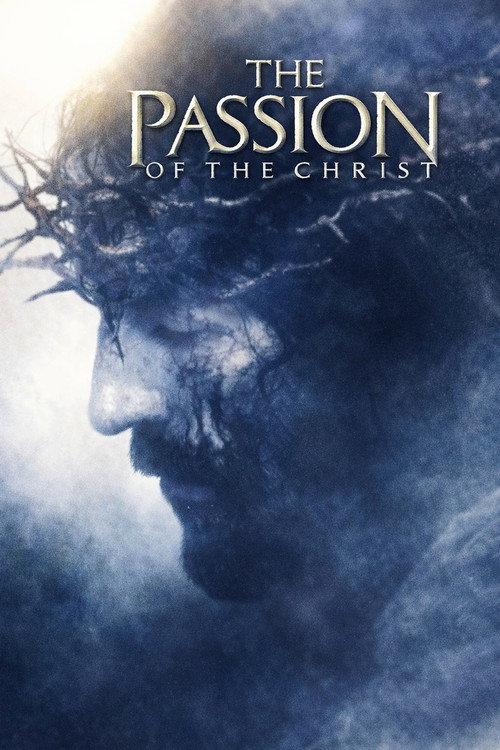
The Passion of the Christ
Narrative tropes
Born Special
highJesus's divine identity — the Son of God — is innate and inherited, not earned. This status is the direct cause of the plot: Caiaphas condemns him precisely for claiming it. The Sanhedrin trial turns entirely on whether his divine identity is real. His resurrection confirms abilities no other character possesses regardless of training or effort. Messianic prophecy frames him as 'the one' chosen by destiny, and his parentage (God the Father) is the explicit source of his power and authority.
About this trope: Certain characters are inherently special by birth, blood, genetics, or prophecy — not through effort or choice. Greatness is innate, not earned.
Cultural messages
Power Means Duty
highJesus's extraordinary divine status creates an explicit moral obligation to sacrifice himself for humanity. The Garden of Gethsemane scene ('let this cup pass from me, yet not my will but Thine') directly dramatizes his struggle before accepting that duty. Personal happiness and survival are explicitly surrendered for the greater good. His entire identity in the film is defined by this duty rather than by power itself, and the resurrection frames acceptance of the obligation as vindicated.
About this message: Those gifted with extraordinary abilities, wealth, or status have a moral obligation to use them for others — and the weight of that duty can be crushing. Privilege creates obligation.
Forgiveness Sets You Free
highForgiveness is a repeated structural element. From the cross, Jesus prays for his executioners ('forgive them, for they know not what they do') — a climactic choice of mercy over punishment by someone who has suffered maximally. The repentant criminal receives forgiveness and the promise of paradise, showing forgiveness producing immediate redemption. Peter's anguished remorse after his three denials is framed sympathetically, implying future restoration. The film consistently presents releasing grievance as the morally superior and spiritually powerful response.
About this message: Forgiving — even the unforgivable — is presented as the path to peace and healing. Holding grudges is self-imprisonment; releasing them is liberation.
Movies that share these tropes





Full plot (spoilers)
The Passion of the Christ depicts the final twelve hours of Jesus of Nazareth's life, beginning on Passover night in the Garden of Gethsemane, where Jesus prays alone while his disciples sleep nearby. Satan appears to him in a vision, attempting to tempt and demoralize him, but Jesus resists. Judas Iscariot betrays him to a contingent of Jewish temple guards for thirty pieces of silver, leading to his arrest. Jesus is brought before the Sanhedrin, where the high priest Caiaphas interrogates him. When Jesus affirms his divine identity, Caiaphas condemns him for blasphemy. During this time, the disciple Peter denies knowing Jesus three times, just as Jesus foretold; Peter later breaks down in anguished remorse. Judas, overcome by guilt, attempts to return the thirty pieces of silver to the temple priests, who refuse to take it back. Tormented by demonic visions and consumed by guilt, Judas hangs himself. Jesus is brought before the Roman governor Pontius Pilate, who finds no basis for a capital charge and attempts to pass responsibility to Herod Antipas. Herod dismisses the matter as a local Jewish dispute, and Jesus is returned to Pilate. Pilate, seeking to placate both the crowd and his own conscience, offers the assembled crowd a choice: free Jesus or free the convicted murderer Barabbas. The crowd, incited by the temple authorities, demands Barabbas be released and Jesus crucified. Pilate orders Jesus to be flogged. Roman soldiers carry out a prolonged, savage scourging, stripping Jesus of flesh with whips embedded with bone and metal. The soldiers mock him further by pressing a crown of thorns onto his head and draping a purple robe over him. Pilate presents the battered Jesus to the crowd, but the mob continues to demand crucifixion. Pilate ritually washes his hands of responsibility and sentences Jesus to death. Jesus is made to carry his heavy wooden cross through the streets of Jerusalem toward Golgotha, the site of execution. He stumbles repeatedly under the weight. Along the route, he encounters his mother Mary, Mary Magdalene, and a woman (identified in Catholic tradition as Veronica) who steps forward to wipe the blood from his face. A bystander, Simon of Cyrene, is conscripted by the soldiers to help carry the cross for part of the journey. At Golgotha, Jesus is nailed to the cross and crucified between two criminals. As he hangs on the cross, he prays for the forgiveness of his executioners. One of the criminals mocks him while the other rebukes his companion and asks Jesus to remember him; Jesus promises that man paradise. After Jesus dies, a violent earthquake strikes, the ground cracks, and the great veil of the Jerusalem temple tears in two. The soldiers pierce Jesus's side with a spear to confirm his death. He is taken down from the cross, and his body is prepared for burial. The film closes with a brief but significant epilogue: on the third day, Jesus rises from the dead, his burial cloths collapsing into the tomb as he walks out, his wounds healed save for the nail holes in his hands.
Sources: Wikipedia