Movie
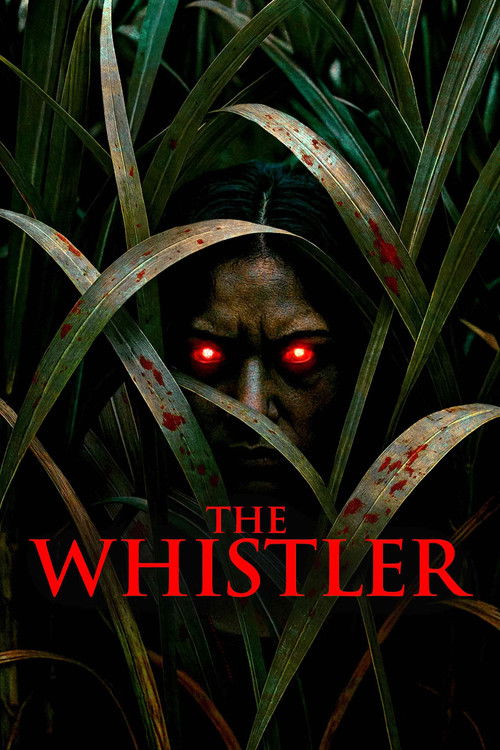
The Whistler
Cultural messages
Science vs. Faith
highSebastian is explicitly pragmatic and wants to sell the property — he represents the rational/skeptical worldview. Nicole is drawn into the María Lionza cult's possession rituals against his wishes — she represents faith and intuition. The supernatural is validated early and repeatedly: a spirit manifests using their dead daughter's voice, and 'the whistler' escalates in power as the rituals deepen. Sebastian's skepticism is overtaken by real supernatural events, spiritual/mystical explanations triumph over his practical framing of the situation, and Nicole's willingness to trust the ritual process over reason is the narrative engine of the film. Four signals met: skepticism proven wrong by events, spiritual explanations triumph, character must abandon reason and trust intuition, and a climactic leap into ritual participation marks the turning point.
About this message: Characters face a choice between rational/scientific thinking and spiritual/intuitive belief. The story typically validates faith or emotion over cold logic — the scientist is wrong, the believer is vindicated.
Movies that share these tropes
Full plot (spoilers)
Nicole and Sebastian, an American couple shattered by the death of their young daughter Dani, travel to Venezuela after inheriting a remote farm from a recently deceased man named Vicente. The film opens with a prologue showing Vicente forcing a frightened woman to participate in a ritual summoning a spirit known as 'the whistler.' When Nicole and Sebastian arrive to settle the estate, they find the farm occupied by squatters who are practitioners of the María Lionza cult, a Venezuelan spiritual belief system centered on possession rituals. Sebastian is pragmatic and wants to sell the property, but Nicole is transfixed when she witnesses a María Lionza ceremony during which a spirit manifests speaking in the voice of their dead daughter Dani. Desperate to reconnect with her child, Nicole begins participating in the cult's rituals against Sebastian's wishes. The spirit they are dealing with—'the whistler,' rooted in the Venezuelan folk legend of El Silbón, a spectral figure whose whistle is said to signal approaching death—represents betrayal and greed, and is said to manifest most powerfully among the impoverished and the desperate. As Nicole deepens her involvement, the rituals intensify and supernatural forces escalate, pulling the couple into a waking nightmare. The film focuses heavily on grief as its central driver, exploring whether Nicole can find acceptance or whether her desperation to reach her daughter will exact a terrible cost. The ending is not described in detail by available sources, though reviews indicate the film maintains a steady, human-focused approach to its supernatural horror premise rather than relying primarily on spectacle.
Sources: Warped Perspective review, IMDb search result, Web search synthesis (horrormovielists.com, heavenofhorror.com, bloody-flicks.co.uk, screendollars.com)