Movie
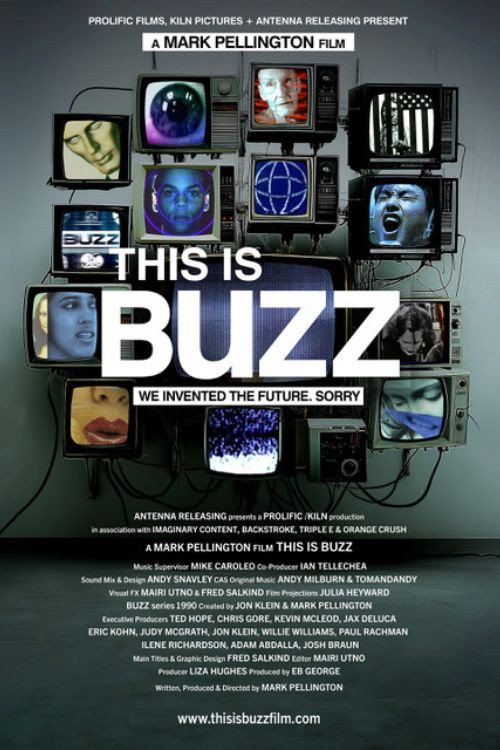
This Is Buzz
Narrative tropes
Rebels vs. The Empire
mediumBUZZ is a small, outmatched experimental show versus the corporate MTV machine. Pellington and the creators are framed as artistically righteous visionaries; MTV's institutional gatekeeping is portrayed as fearful and culturally regressive. The regime is 'meaningfully challenged' through the documentary's argument that history (TikTok/Instagram-era aesthetics) vindicated BUZZ, making the corporate censors wrong. The rebels — including countercultural figures like Burroughs, Leary, and Gibson — are celebrated while the network executives represent suppressive authority.
About this trope: A small outmatched group rises up against a massive oppressive regime or institutional power. The rebellion is framed as morally righteous.
Cultural messages
The System Is Rigged
highMTV is the ostensibly supportive institution that reveals itself as governed by 'corporate fear' and institutional gatekeeping, canceling BUZZ after 13 episodes due to executive tensions. BUZZ's creators worked against institutional resistance; working within the system failed (cancellation, never rerun). The documentary itself is the act of justice achieved outside institutional channels — premiered at Slamdance, independently distributed — framing the corporate machine as having been on the wrong side of history. The film explicitly interrogates 'whether creative experimentation or institutional gatekeeping ultimately shapes culture.'
About this message: Institutions meant to protect people — governments, corporations, law enforcement, the justice system — are depicted as corrupt, incompetent, or actively harmful. Heroes must work outside official channels.
Movies that share these tropes
Full plot (spoilers)
This Is Buzz is a 2026 documentary directed by Mark Pellington about the short-lived experimental MTV series BUZZ, which aired for only 13 episodes in 1990. Co-created by Pellington (a music video director) and Jon Klein (from broadcast news), BUZZ was a current-affairs magazine series that combined avant-garde collage aesthetics—dense editing, visual layering, appropriation of emerging technology, and unconventional source material—to address cultural topics in a way unlike anything else on television at the time. RuPaul served as the visual host in his first recurring television role. The show featured appearances and contributions from countercultural and intellectual figures including William S. Burroughs, Jenny Holzer, Jaron Lanier, William Gibson, Timothy Leary, and Malcolm McLaren, and tackled specific subjects each episode, including an episode centered on racism. The series aired once, was never rerun, and was canceled by MTV after its initial run due to tensions with network executives. The documentary examines BUZZ's brief existence and lasting cultural significance: it argues the show's fast-paced, collaged editorial language—drawing on influences from Dada, Pop Art, and hip-hop sampling—was prophetic, predicting the TikTok/Instagram-era media saturation and the digital world that followed. Pellington presents the film as an immersive experience rather than a conventional talking-heads documentary, embedding the viewer in BUZZ's original aesthetic through archival footage, projected materials, and the show's distinctive sound design. The film also interrogates the tension between artistic innovation and corporate fear, and whether creative experimentation or institutional gatekeeping ultimately shapes culture. One critical reading of the documentary is that it is simultaneously a valuable act of media preservation and an inadvertent document of how BUZZ's radical promises were ultimately contained within the corporate MTV machine. The film premiered at the 2026 Slamdance Film Festival and was acquired by Starboard/Antenna Releasing for North American distribution.
Sources: search results (Broadway World, Geek Vibes Nation, Deadline summary, Film Threat), Geek Vibes Nation review, In Review Online review, Broadway World article