Movie
Time of Death
Cultural messages
The System Is Rigged
mediumThe prison is a justice institution revealed as housing hidden corruption and buried secrets. Warden LaRue actively discourages Frank's investigation, fulfilling the obstructing authority-figure signal. Frank presses forward despite institutional resistance, and the investigation spectacularly fails — his pursuit of truth within and against the compromised system ends in complete psychological collapse rather than justice, satisfying the 'working within the system fails or makes things worse' signal. The Warden's willful negligence and cover-up posture round out the third signal.
About this message: Institutions meant to protect people — governments, corporations, law enforcement, the justice system — are depicted as corrupt, incompetent, or actively harmful. Heroes must work outside official channels.
Movies that share these tropes






Full plot (spoilers)
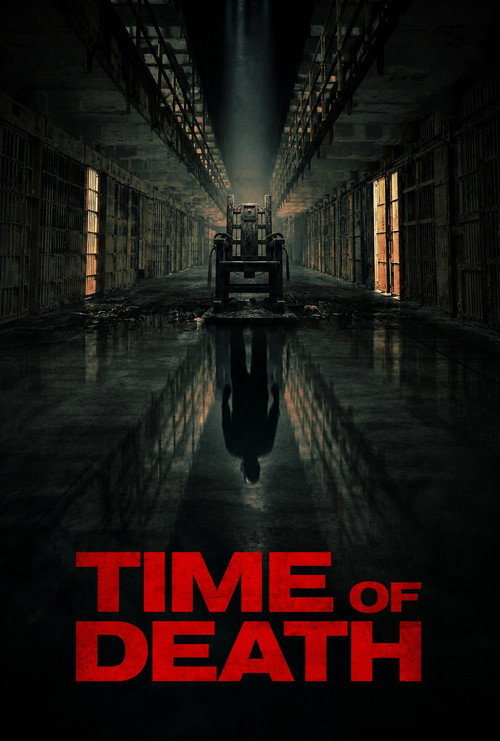
Set in 1987, Detective Frank Morley (Michael Kelly) is dispatched to a decaying, isolated prison on the verge of permanent closure after a prisoner vanishes without explanation. What initially appears to be a routine missing-persons investigation quickly becomes a disorienting descent into the facility's hidden corruption and buried secrets. As Frank moves deeper through the prison's deteriorating corridors, he begins experiencing psychological disturbances — strange visions, contradictory testimonies from staff and inmates, and temporal anomalies that increasingly sever his grip on reality. Warden Beau LaRue repeatedly discourages Frank from pushing the investigation further, while a prison doctor, Dr. Allison Burrell, attempts to help him recognize his own psychological deterioration. Frank is haunted throughout by an unresolved personal loss — the disappearance or death of his family — and this grief increasingly bleeds into his perception of the case. The film's central twist is that the missing prisoner does not truly exist as Frank understood him: the vanished inmate is ultimately revealed to be a symbolic projection of Frank's own buried trauma. The prison itself functions as a psychological construct, its corridors representing layers of denial and each locked cell containing a suppressed memory. Frank is simultaneously investigator, victim, and manifestation of his own grief. The conclusion is deliberately bleak: Frank loses his internal battle against his past and becomes permanently trapped within his psychological nightmare, with no rescue or resolution.
Sources: Web search (firstshowing.net, deadline.com, movieinsider.com), tonboriday.com ending-explained article