Narrative trope · Social Roles & Representation
Kids See the Truth
What it is
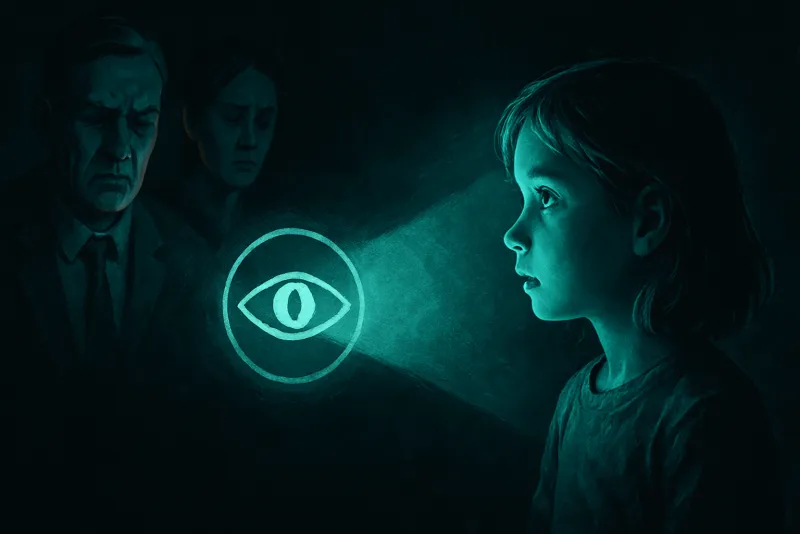
Children possess intuitive wisdom, moral clarity, or a connection to truth that cynical adults have lost. Kids see through lies, sense danger, and understand what really matters.
How to spot it
The plot contains ALL of: (1) a child character whose instincts or perceptions prove correct, (2) adults who are wrong, blind, or compromised by comparison, (3) the child's innocence or clarity functioning as a narrative advantage.
- A child's instincts prove correct when adults' judgment fails
- Children connect with supernatural or alien beings that adults fear
- A child's simple moral clarity resolves a complex adult problem
- Adults are portrayed as too jaded, political, or selfish to see the truth
- Innocence is depicted as a form of wisdom, not naivety
Classic examples
E.T., Stranger Things, The BFG, Pan's Labyrinth, The Sixth Sense, many Spielberg films
Movies featuring this trope (28)
Treasure Trekkers
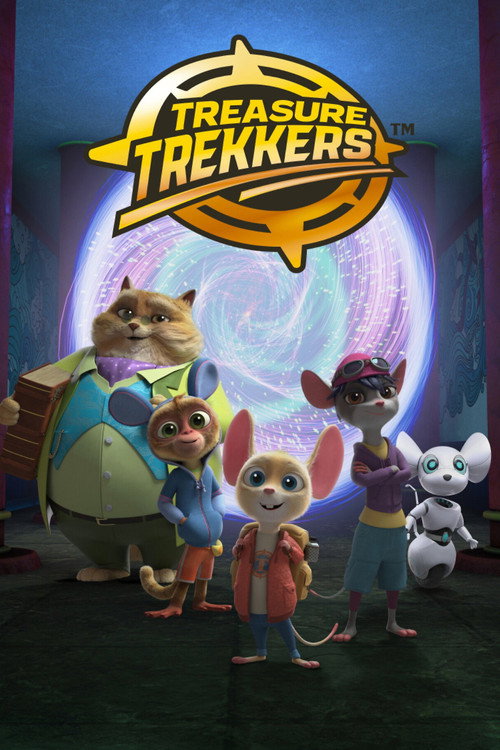
Mip is 12 years old and his instinct — that empathy and de-escalation work — proves correct in a world that dismissed it as weakness. His simple moral clarity (kindness over force) resolves the complex oppression of Clarence's regime. The adults in his home world are too jaded to recognize this truth, and his childlike innocence is framed as a form of genuine wisdom.
Tiny Fugitives
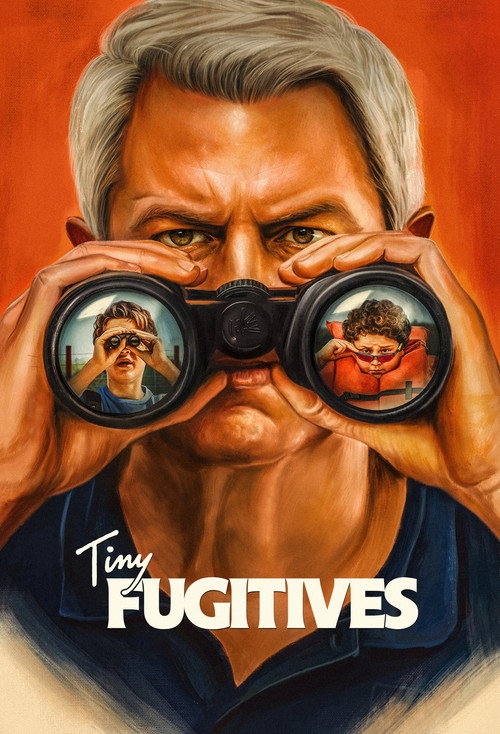
The narrative validates the children's instinct (staying at camp is right for them) while casting the adult authority figure (Bob) as 'deranged' and obstructive. The kids' youthful creativity, camaraderie, and irreverence are their primary tools for outmaneuvering an adult who cannot understand or accept what matters to them. The Moonrise Kingdom comparison reinforces this framing: children's clarity and determination is contrasted with a compromised, rigid adult world.
If I Go Will They Miss Me
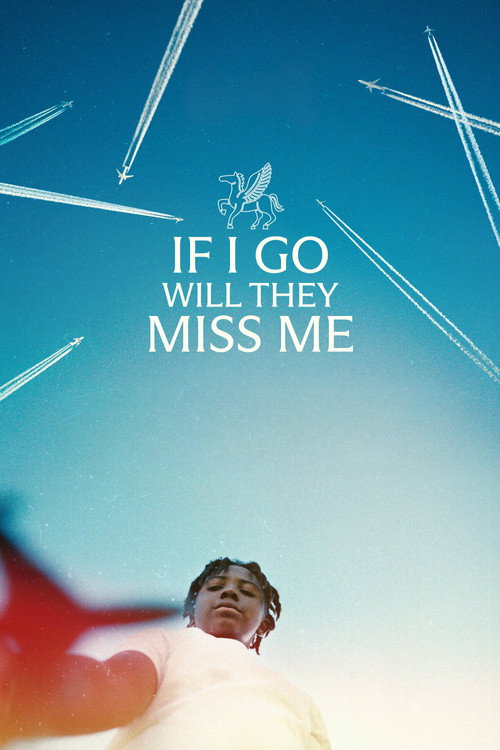
Lil Ant's mythological imagination and surreal visions of other boys function as the film's epistemological lens — his perception is validated by the narrative while Big Ant's pragmatic hardness is shown as wrong and self-defeating. The visions prove accurate by surfacing the hidden generational link adults cannot or will not see. His dreaming, imaginative nature is framed as wisdom rather than naivety, and the film uses his child's-eye view to illuminate truths about Black fatherhood and intergenerational trauma that Big Ant is blind to.
Monster Mia
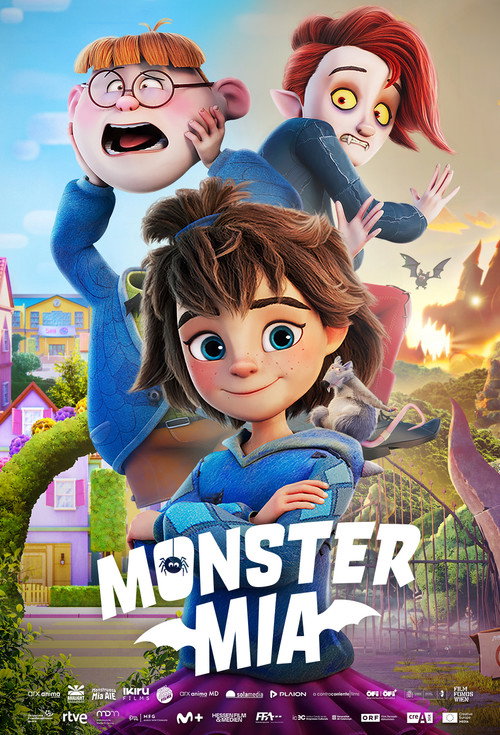
Twelve-year-old Mia is the one who uncovers Van Vlad's plot against the humans of Primrose while the conventional adult townspeople remain completely oblivious. All three core elements are present: her instincts and perceptions prove correct, adults are blind or compromised by comparison, and her child's-eye perspective (love of the macabre, openness to monsters) is a narrative advantage. Signals: Mia's instincts about Van Vlad prove correct when adults fail to see the threat; she connects with the monster beings her conventional adult community would fear; her straightforward moral clarity ('stop Van Vlad, protect Primrose') cuts through the complexity; the adults in Primrose are too entrenched in convention to perceive the danger.
Buddy
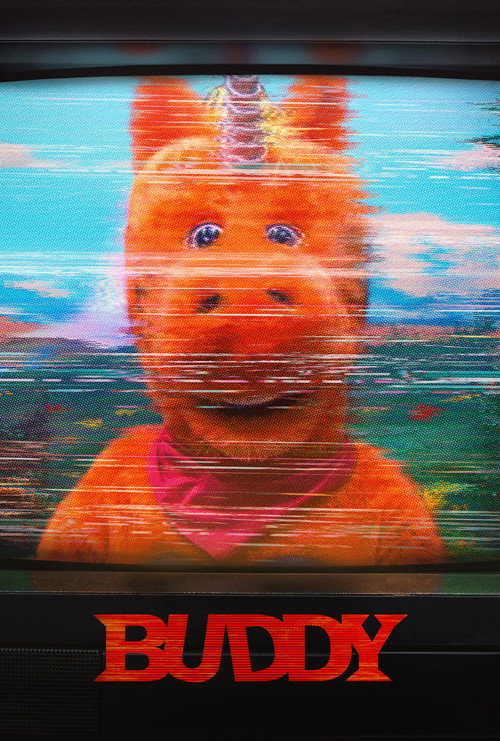
Freddy (a child) possesses a mysterious perceptual connection that allows her alone to break the show's cycle. Grace (an adult) cannot access or navigate Buddy's world effectively and perishes trying. The other children also grasp the truth of their imprisonment before any adult does. A child's clarity — not adult intervention — resolves the supernatural threat, while the adult response (seeking psychological help) proves useless.
Elijah Peel
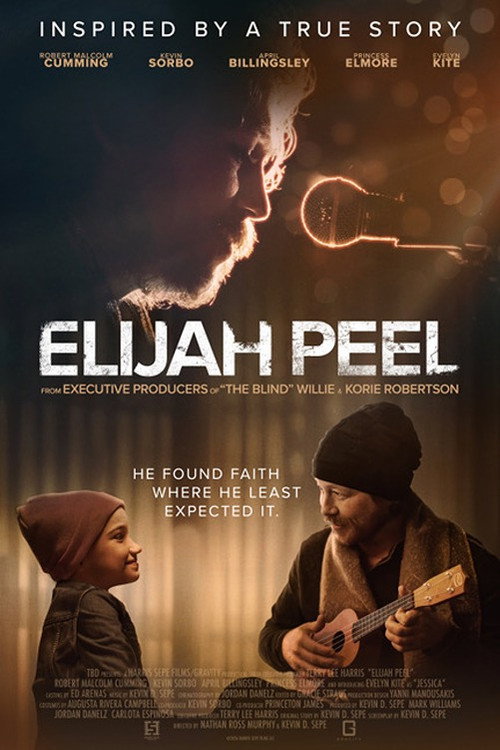
All three detect-when criteria are satisfied: (1) Jessica, a terminally ill nine-year-old, is explicitly described as possessing 'wisdom far beyond her years' and 'unwavering faith' whose instincts/perceptions prove transformatively correct; (2) Elijah is the compromised adult — explicitly characterized as cynical and emotionally isolated — who cannot see what the child sees; (3) Jessica's innocence and clarity function as the narrative mechanism that dismantles Elijah's emotional walls and catalyzes his entire redemption arc. Signals met: 'innocence depicted as wisdom, not naivety' (wisdom far beyond her years); 'adults portrayed as too jaded to see the truth' (Elijah's cynicism contrasted with Jessica's clarity); 'a child's simple moral clarity resolves a complex adult problem' (Jessica's faith and optimism directly inspire Elijah's spiritual journey and reconciliation); 'a child's instincts prove correct when the adult's judgment fails' (Elijah's cynical worldview is the source of his suffering while Jessica's faith is validated by the story's arc).
Ice Cream Man
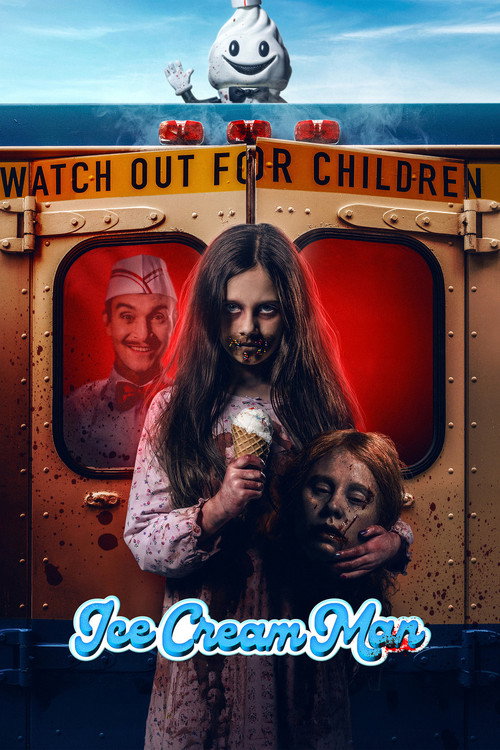
The four uninfected middle schoolers are the only characters capable of investigating the mystery and acting against the threat—adults are systematically slaughtered and rendered powerless. The children piece together the ice cream man's origin (tied to the church) and the cryptic rules needed to kill him, solving what no adult could. Their spared status (including something as incidental as lactose intolerance) functions narratively as a form of innocence that grants them access to truth adults never reach.
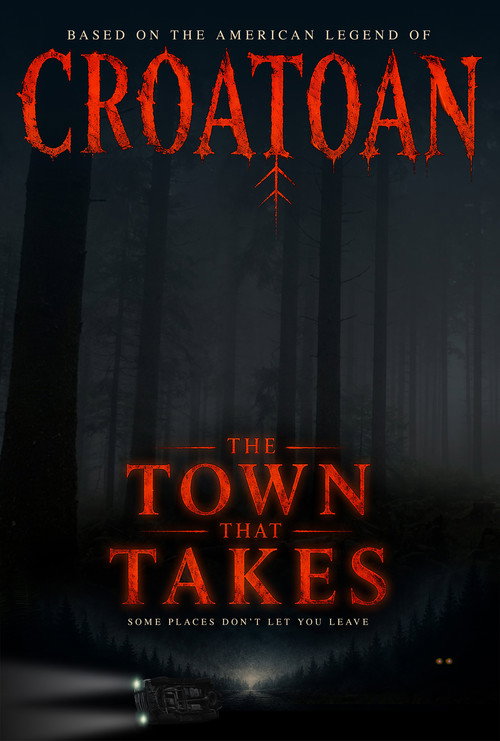
The Town That Takes
Wyatt is specifically characterized as fascinated by conspiracy podcasts, cryptids, and folklore — interests that map directly onto the actual threat (Wendigo mythology, shapeshifters, the Roanoke legend). His intuitions about the supernatural are validated by real events while the adults around him are blind or compromised. The ancient evil specifically preys on children, and the waitress Meg singles Wyatt out with unsettling fixation, suggesting children have a special relationship to the supernatural threat. Dean, the guilt-ridden veteran adult, is the jaded counterpart who cannot initially perceive what is really happening.
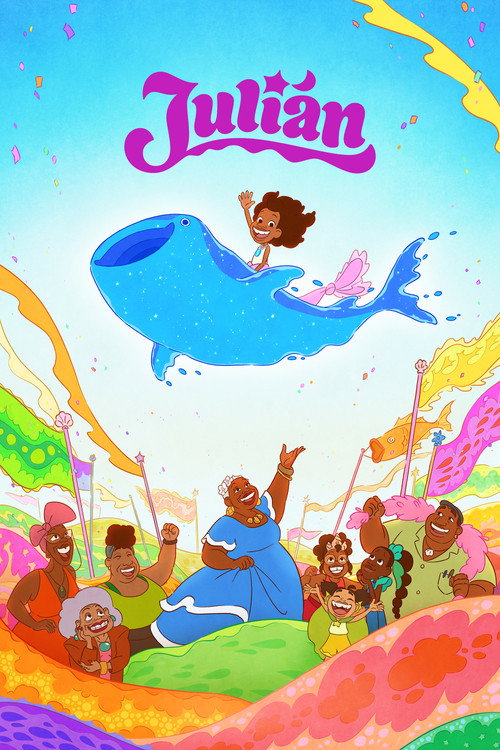
Julián
Julián's childlike imagination and intuitive self-understanding are the moral engine of the film. Luna — a magical companion visible only to him — signals children's access to truths adults cannot perceive. Abuela is explicitly 'bound by tradition and carries a fear of swimming,' framing her as limited where Julián is clear-sighted. His openness unlocks 'a freer, more joyful side of her she had long suppressed,' a child's simple clarity resolving an adult's long-held constraint. Innocence is treated as wisdom, not naivety.
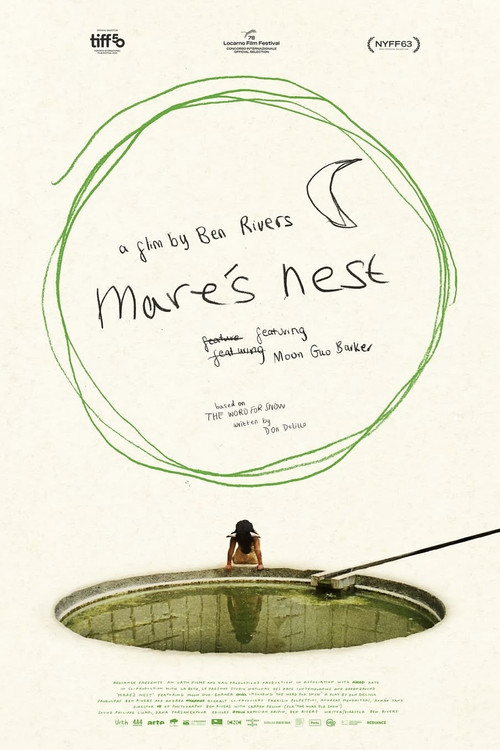
Mare's Nest
The entire film is structured around a child protagonist navigating a world that adults have inexplicably vacated — their absence implying civilizational failure. Moon moves through the desolate world with quiet purpose and philosophical curiosity (dialoguing with a tortoise about evolution), while the adults who remain are retreated, renouncing scholars or fringe figures offering unconventional lessons. The film's most pointed expression of this trope is casting 9-year-old girls in adult intellectual roles for the DeLillo play, where their delivery 'heightens the elegiac and oracular quality' — innocence amplifying wisdom rather than diminishing it. The explicit framing of 'generational anxiety about the world children are inheriting' positions adult-kind as having failed to see or act on truths the child now must inherit and navigate alone.
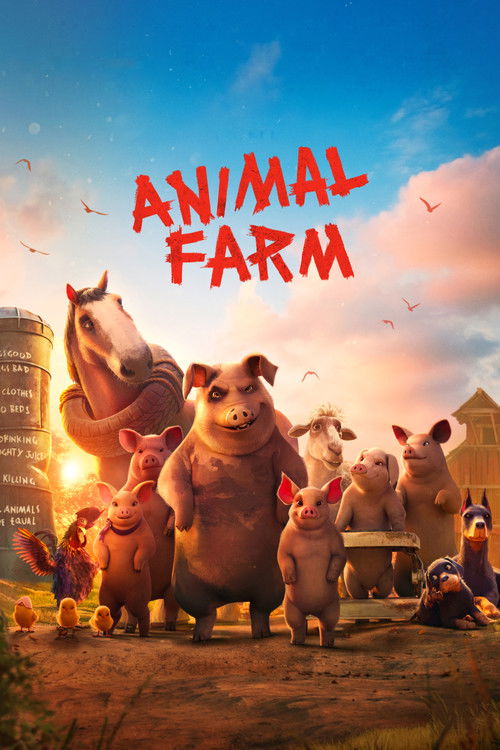
Animal Farm
Lucky is explicitly a young, impressionable piglet who is taught to question authority and becomes the film's 'moral fulcrum.' His youthful clarity allows him to perceive the pigs' corruption while adult animals like Boxer continue in blind, enabling faith. Adults are portrayed as too compromised or conditioned to see the truth. Lucky's innocence is the story's primary vehicle for moral perception — a direct match to 'innocence depicted as a form of wisdom, not naivety.'

Whale Shark Jack
Sarah's instincts about Jack being injured prove correct while her mother Nita dismisses the threat. The child's bond with the whale shark and her reading of the tracking data are validated over the adult's grief-driven denial. Sarah's unfiltered connection to the ocean and its creatures functions as narrative wisdom that the compromised adult lacks.
The Magic Faraway Tree
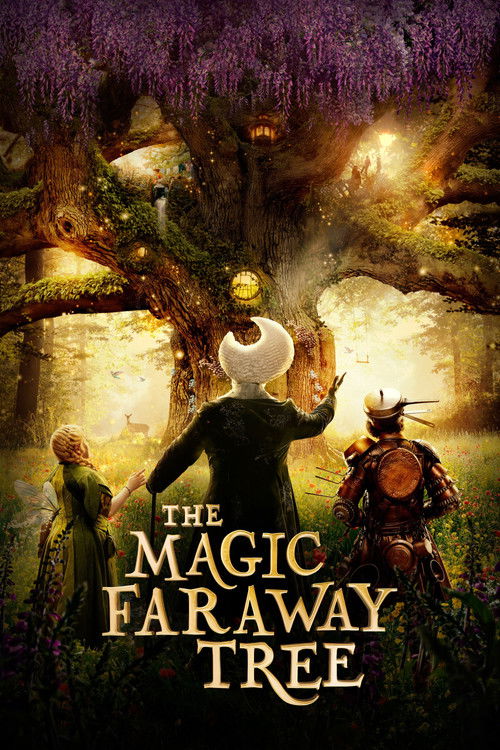
Fran, the youngest child, is first to perceive and connect with Silky when adults are absent and skeptical. Her innocence is the literal key — the fairy encounter breaks her selective mutism. The parents only engage the magical world after Fran demonstrates it. Beth and Joe, children, are the ones who navigate the magical lands and retrieve the reversal spell; the adults could not have done so. Tim's childhood self accessed the same truth decades before his adult self forgot it, confirming that child perception is the privileged mode of contact with the magical world.

Blue Heron
All three core requirements are met: (1) Sasha is a child whose perspective is the narrative's privileged lens on events; (2) the adults around her are demonstrably wrong or compromised — the mother prioritises social embarrassment over genuine help, the father retreats into work, and the child psychologist gives actively bad advice ('assert firmer authority'); (3) the child's unfiltered witnessing functions as the film's source of authentic truth, most concretely in the beach scene where Jeremy shows gentleness toward Sasha that he withholds from adults. Three signals land clearly: adults' judgment fails while the child's perception is validated; adults are too jaded or self-interested to see the truth; and Sasha's innocence is framed as a form of wisdom — it is her childhood point-of-view, not the professional or parental one, that the adult documentary reconstructs as the real record of what happened.
Orion and the Dark
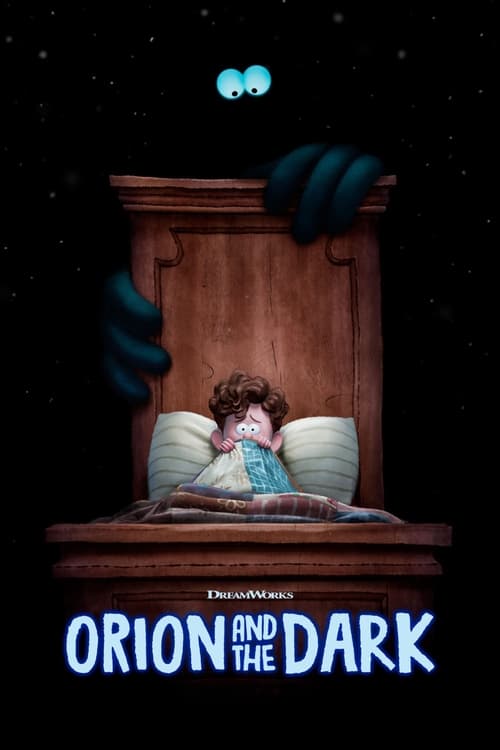
Two child characters drive the story's truth-finding: young Orion (11) opens up to Dark and the night entities where adults would not, and daughter Hypatia interrupts the adult narrator's sad ending to propose a morally superior resolution that actually works. All five signals fire: (1) Hypatia's instinct to change the ending proves correct while the adult's version fails; (2) young Orion connects with supernatural beings (Dark, Sleep, Sweet Dreams) inaccessible to adult perception; (3) Hypatia's simple 'change the ending' intervention resolves the narrative's central collapse; (4) adult Orion's original telling—with Dark permanently destroyed—is overridden by the child's judgment; (5) both children's innocence and imaginative openness are validated as the wiser path, not naivety.
Roald Dahl's Matilda the Musical
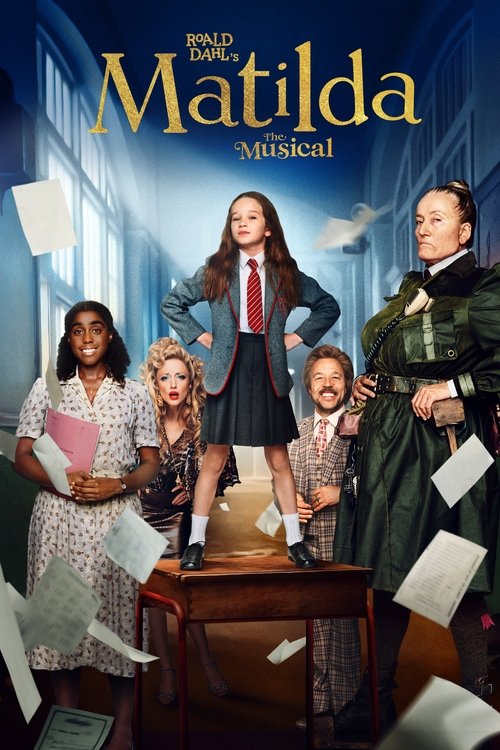
Matilda is a child whose moral clarity and insight function as the story's decisive advantage. She deduces Miss Honey's true history — that Trunchbull is the abusive guardian aunt who stole the estate — through pattern recognition her story-invention provides. Adults around her are either jaded and complicit (parents), negligent (no outside intervention), or powerless (Miss Honey). Matilda's child-level innocence and clarity resolves an entrenched adult injustice that no adult could or would address.
The Weird Kidz
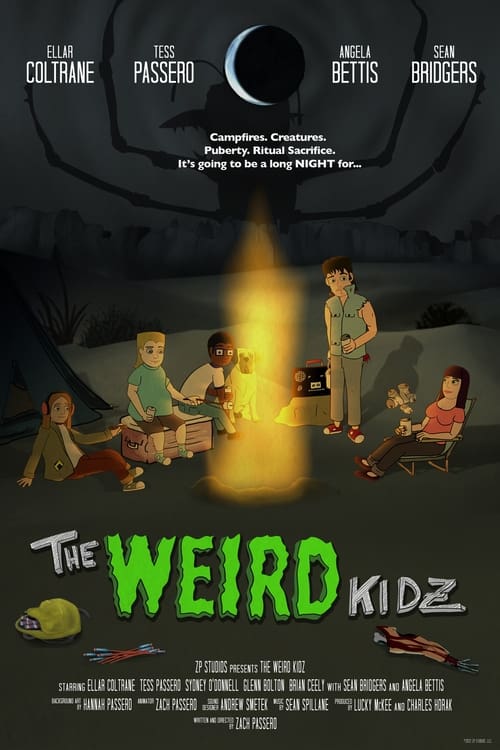
Dug's instinct to approach the Night Child with empathy — perceiving it as a creature tending to its young rather than pure evil — proves narratively correct when adults around him are compromised by alcohol, hallucinogens, or small-town Reaganite paranoia. He connects with the supernatural creature in a way the adults cannot, and his childlike openness (innocence as wisdom) produces the film's empathetic ending. The broader adult world is depicted as either absent, intoxicated, or consumed by irrational hysteria.

Blended
Jim's daughters see clearly that their father loves Lauren and that she is right for their family, and they actively push him toward her — while Jim, the adult, is emotionally blocked and physically pulls back from the kiss. All three core conditions are met: the daughters' instincts and perceptions prove correct; the adult (Jim) is wrong or blind by comparison; and the children's clarity is the direct narrative mechanism that resolves the plot. Signals: (1) children's instincts prove correct when adult judgment fails — daughters recognize Jim's love before he admits it; (2) children's simple moral clarity resolves a complex adult emotional problem — daughters spur Jim to reunite with Lauren at the game; (3) adults are portrayed as too emotionally guarded to see the truth — Jim's hesitation is the final obstacle the children overcome.

Ponyo
Sōsuke is five years old and his uncomplicated, immediate acceptance of Ponyo — a magical sea creature — is the narrative's decisive force. Fujimoto (the adult who should know best) is jaded, misanthropic, and wrong to cage Ponyo. Sōsuke instinctively heals, names, and bonds with a being adults fear or try to control; his single guileless declaration of love before Gran Mamare resolves a cosmic imbalance that no adult could. All five signals present: child's instincts correct where adult judgment fails, child bonds with supernatural being adults cannot, simple moral clarity resolves complex adult problem, adults portrayed as too jaded to see truth, innocence treated as the highest form of wisdom.
Pan's Labyrinth
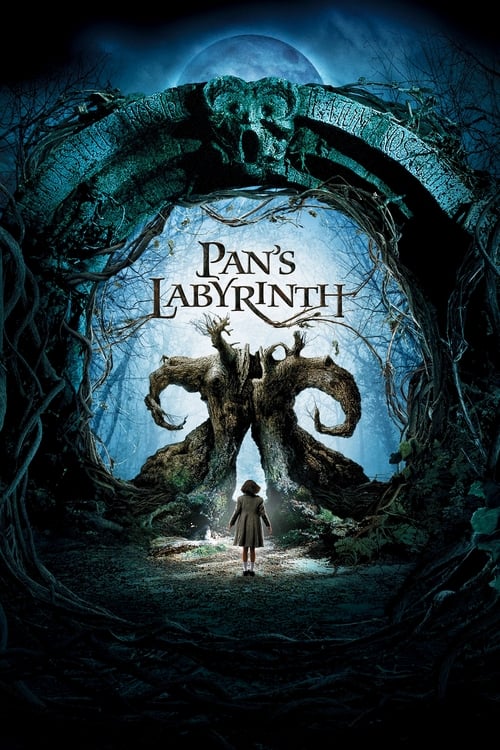
Ofelia's perception of the magical world is dismissed by every adult — Vidal calls her delusional, Carmen destroys the mandrake root. Yet the film validates Ofelia completely: the faun is real, the tasks are real, and the underworld portal opens at the end. Her simple moral clarity — refusing to harm her baby brother — turns out to be the true final test, resolving what no adult understood. Vidal cannot even see the faun standing in front of him.

Jimmy Neutron: Boy Genius
Every adult in Retroville is either abducted or rendered helpless by mind-control; the children are the only ones capable of perceiving the problem and acting. Jimmy's instincts (identifying the alien connection, engineering the rescue) prove correct while the adults are literally compromised. Innocence and resourcefulness — not adult authority — save the day.
The Iron Giant
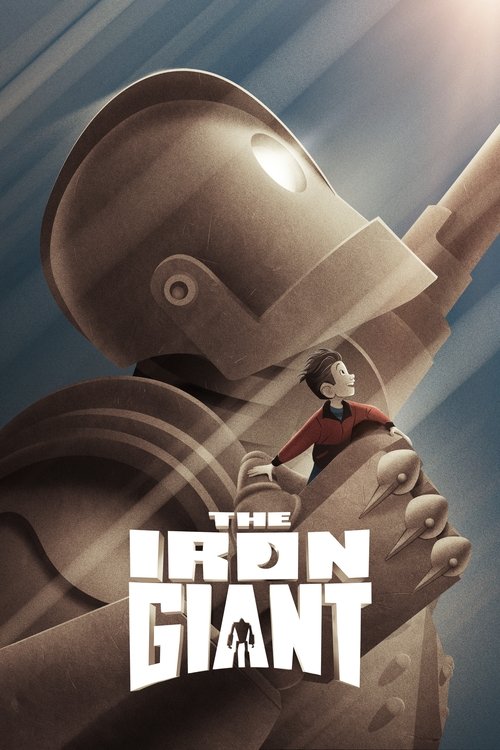
Hogarth immediately perceives the Giant as gentle where every adult sees a threat. He connects with an alien being that Mansley and the military fear. His simple moral clarity — reminding the Giant he can choose who he is — directly halts the Giant's weapons mode and resolves the climax. Adults (Mansley: paranoid and self-serving; the military: locked into Cold War threat logic) are too jaded or political to see the truth. Hogarth's innocence is explicitly the narrative advantage that saves Rockwell.
The Legend of Gator Face
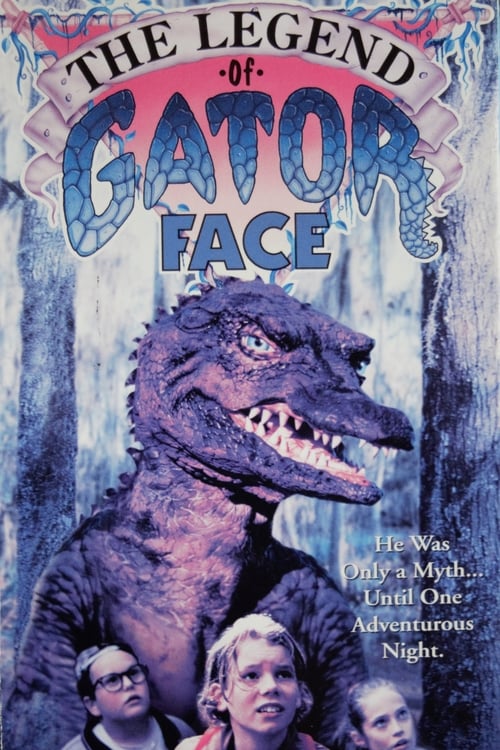
Danny and his teenage friends are the only characters who discover the truth about Gator Face. The entire adult population — town residents and the National Guard — mobilizes to hunt and kill the creature based on fear, while Danny goes into the swamp, befriends it, and organizes its protection. All five signals fire: the kids' instincts prove correct, they connect with a being adults fear, their moral clarity drives the resolution, adults are shown as too panicked to see the truth, and the film explicitly frames children's innocence as a form of wisdom against irrational hysteria.

Ice Cream Man
The neighborhood children correctly identify Gregory as dangerous while adult police dismiss their concerns as unreliable. The children's self-directed investigation succeeds where adult authority fails — they discover the imprisoned boys themselves. A child (Small Paul) ultimately defeats Gregory. The plot treats the children's instincts as trustworthy wisdom, while adults are portrayed as too jaded or indifferent to act on obvious warning signs.
How the West Was Fun
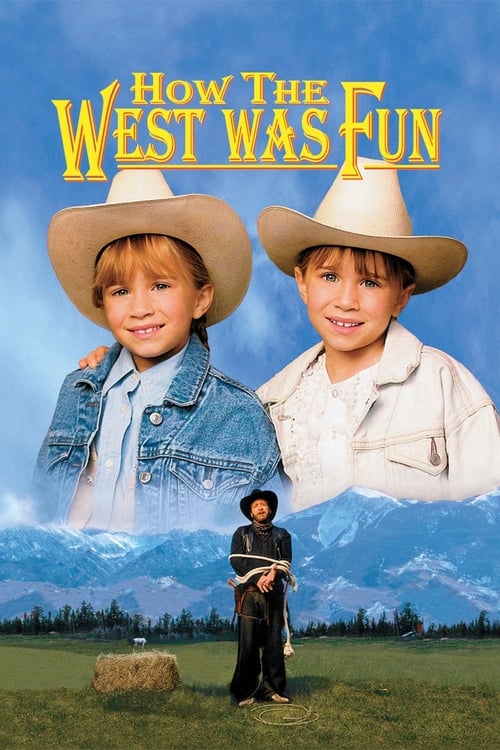
Twin 8-year-olds are the sole agents who discover Bart's sabotage scheme, which adult Natty is completely blind to. Their child charm succeeds where adults fail: they persuade their strict-bossed father to make the trip, then personally win over developer McRugger in ways no adult in the story could. Adults are consistently framed as compromised (father's boss is rigid, Natty is overwhelmed, McRugger is commercially driven), while the girls' innocence functions as their decisive advantage.
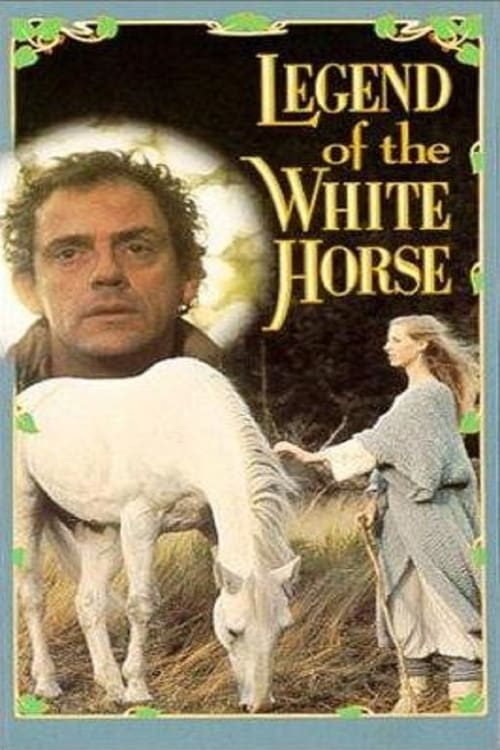
Legend of the White Horse
Blind Jewel forms a genuine protective bond with the magical horse/dragon while every adult around her is compromised — the mining company by greed, Alta by a treasure scheme, Jim by initial corporate compliance. The dragon protects Jewel specifically because of her innocent trust, vindicating her instincts when adult judgment fails. Adults connect with the creature only as something to exploit or destroy; Jewel's innocence reads as wisdom.
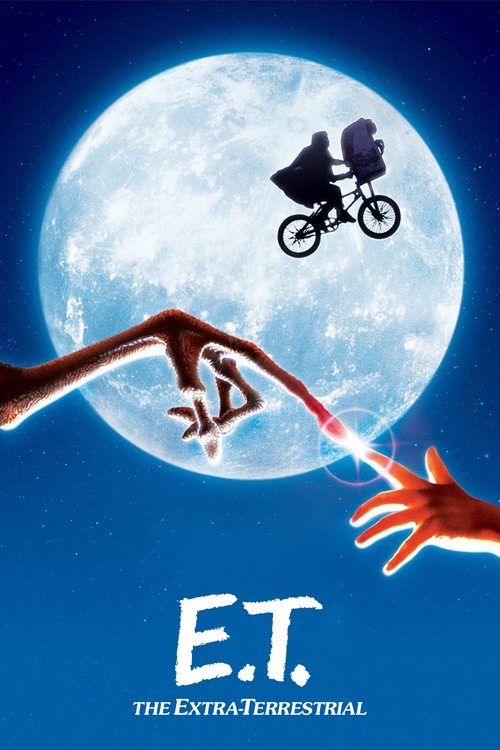
E.T. the Extra-Terrestrial
All three children immediately trust and bond with E.T. while adults either remain oblivious (Mary) or treat him as a specimen (government agents). Elliott's instinct to befriend rather than fear E.T. drives the entire plot and proves correct. The children's simple moral clarity — E.T. is a friend who needs to go home — is what actually succeeds where institutional science fails. Innocence functions as the decisive form of wisdom.
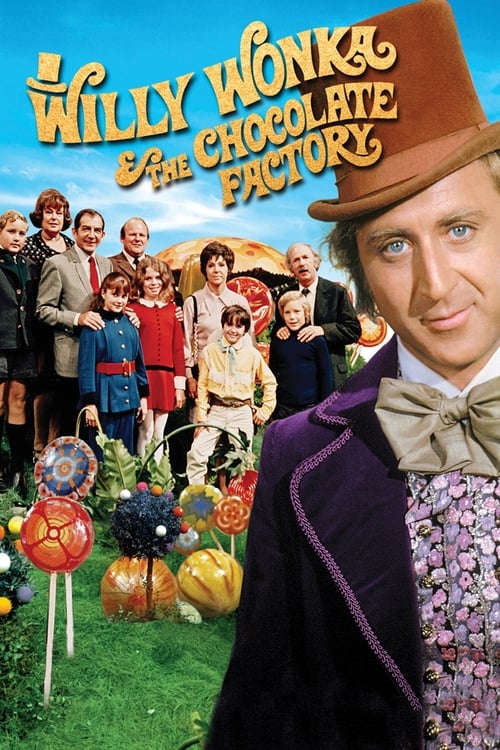
Willy Wonka & the Chocolate Factory
Charlie's childlike moral clarity is his decisive advantage throughout: he alone passes Wonka's hidden loyalty test, while the other children (corrupted by adult-style vices — gluttony, greed, vanity, obsession) fail. Grandpa Joe, the adult companion, reacts with cynical fury and urges revenge when dismissed; Charlie's simple instinct is to return the Gobstopper instead. The Oompa-Loompas' moralizing choruses reinforce that each child's flaw is a failure of adult-coded excess. Innocence functions as a literal superpower: Charlie's lack of corruption is the quality Wonka spent the entire contest searching for.