Movie
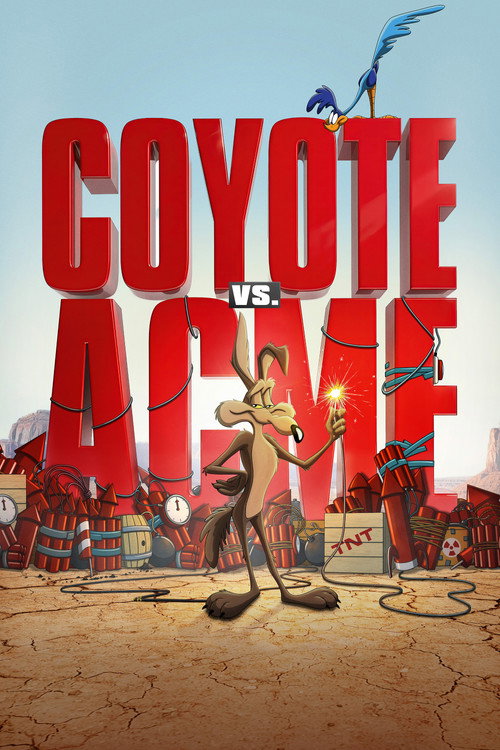
Coyote vs. Acme
Narrative tropes
Rebels vs. The Empire
highWile E. and down-on-his-luck attorney Kevin form a tiny two-person resistance against Acme Corporation, a megacorporation revealed to have deliberately harmed cartoon characters via the secret Project Sisyphus program. All five signals fire: Acme is a cruel megacorporation oppressing a population (cartoon characters used as product-test subjects); the pair organize against overwhelming legal and corporate power (Acme's defense is led by Kevin's powerful former boss); they are framed as morally righteous throughout; Acme is shown as corrupt and dehumanizing (including imprisoning a scientist since 1992); and meaningful victory is achieved despite the power gap (executive arrests, federal investigation, scientist released).
About this trope: A small outmatched group rises up against a massive oppressive regime or institutional power. The rebellion is framed as morally righteous.
Cultural messages
The Rich Are the Problem
highThe entire plot is a class-conflict lawsuit: Kevin is a down-on-his-luck billboard attorney at a small personal injury firm, Wile E. is a cartoon character exploited as an unpaid product tester, and Acme is a powerful corporation with star legal representation. All five signals are present: Kevin's poverty contrasts with Acme's institutional power; Acme executives exploited cartoon characters callously through Project Sisyphus; Wile E. and Kevin are the clear moral heroes; the justice system (judge dismissal) protects the wealthy at the expense of the vulnerable; and the resolution is the exposure and arrest of Acme's leadership.
About this message: Wealthy elites are portrayed as exploitative, callous, or predatory, and extreme inequality is the central injustice driving the story.
The System Is Rigged
highThe judicial system, which should deliver justice, instead protects Acme when the presiding judge dismisses the case. Kevin must abandon official channels entirely—going to the press—to achieve any result. Four signals confirmed: the judge acts as a willfully negligent authority figure; the Project Sisyphus conspiracy is exposed (ultimately before Congress); working within the system fails outright (case dismissed); and true justice only arrives by operating outside institutional rules (press exposure triggering a federal investigation and executive arrests).
About this message: Institutions meant to protect people — governments, corporations, law enforcement, the justice system — are depicted as corrupt, incompetent, or actively harmful. Heroes must work outside official channels.
Movies that share these tropes

Full plot (spoilers)
Set in a world where animated cartoon characters and humans coexist, the film opens in 1992 with an Acme Corporation scientist who leaks a secret message about the company's practices before being imprisoned by Acme security. In the present day, Wile E. Coyote — battered and fed up after a lifetime of catastrophically faulty Acme products failing him in his pursuit of the Road Runner — seeks legal recourse. He partners with Kevin Avery (Will Forte), a down-on-his-luck billboard attorney at a personal injury law firm that specializes in cartoon violence cases. Kevin initially pushes for a quick settlement, but Wile E. insists on taking the case all the way to trial. The pair discover that Acme's legal defense is led by Buddy Crane (John Cena), Kevin's former boss, which intensifies both men's resolve and sparks an unlikely friendship between lawyer and client. During the litigation, a whistleblower comes forward with evidence of 'Project Sisyphus' — a secret Acme program in which the corporation deliberately subjected cartoon characters, including Wile E., to its dangerous and defective products as a form of product testing. When the presiding trial judge dismisses the case, Kevin refuses to let the matter die and exposes the Project Sisyphus conspiracy to the press. The resulting scandal triggers a congressional hearing in Washington, D.C. At the hearing, the Road Runner himself testifies about the harm caused by Acme products and, in doing so, reveals that he and Wile E. share a genuine friendship beneath their endless chase. This revelation moves Wile E. to abandon his long-standing obsession with capturing the Road Runner. The team then executes an elaborate trap that publicly humiliates Acme's leadership. Their victory triggers a federal investigation into Project Sisyphus, leading to arrests of Acme executives and the release of the scientist imprisoned in 1992. The film closes with Wile E. and the Road Runner reuniting and resuming their iconic chase — now reframed as a mutual, willing game rather than predator and prey.
Sources: Wikipedia, Web search (Variety, Letterboxd, SI.com summaries)