Movie
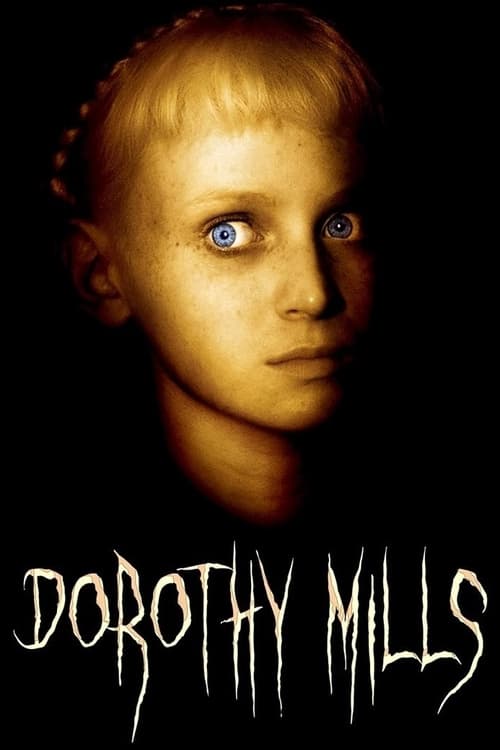
Dorothy Mills
Narrative tropes
You Can't Trust Anyone
highBetrayal is layered and pervasive. Eileen McMahon presents as a professional caretaker but is secretly channeling Dorothy's mediumship to contact her dead daughter. Colin Garrivan is the local authority figure and one of the killers. The entire island community is complicit in a decade-long cover-up. Jane's growing paranoia is fully validated — nearly every person she encounters is hiding something. The true enemies (Colin, the community elders, even Eileen) were hiding in plain sight among ostensibly trustworthy institutions.
About this trope: Trusted allies, institutions, or authority figures are secretly working against the protagonist. Paranoia is justified because betrayal is real and pervasive.
Cultural messages
The System Is Rigged
highThe island's institutions are entirely corrupt: Sheriff Colin Garrivan is one of the original perpetrators of the cover-up murder; Eileen McMahon, ostensibly a neutral caretaker, is secretly exploiting Dorothy for her own ends; the entire community enforces collective silence. Jane is opposed rather than aided by every authority figure. Working through official channels produces no justice — it gets Jane killed. The only reckoning comes through supernatural/extrajudicial means (the spirits manipulating Dorothy to confront Colin). Jane's body is then concealed by the community, completing the institutional failure.
About this message: Institutions meant to protect people — governments, corporations, law enforcement, the justice system — are depicted as corrupt, incompetent, or actively harmful. Heroes must work outside official channels.
Science vs. Faith
highThe film is structurally built around the tension between Jane's clinical framework (MPD diagnosis) and the supernatural alternative (Dorothy as genuine medium). Jane represents scientific rationalism; events systematically erode it — Dorothy's personalities are the real names of real dead locals, she speaks credibly as Jane's dead son David, and she delivers extrajudicial justice to a murderer. Jane's clinical detachment cracks under the weight of things psychiatry cannot explain. The sustained ambiguity of the ending functions as a refusal to fully vindicate science, tilting toward the spiritual interpretation.
About this message: Characters face a choice between rational/scientific thinking and spiritual/intuitive belief. The story typically validates faith or emotion over cold logic — the scientist is wrong, the believer is vindicated.
Movies that share these tropes


Full plot (spoilers)
Jane Morton, a psychiatrist from Dublin still grieving the accidental death of her young son David, is dispatched to a remote, tightly-knit Irish island community to evaluate Dorothy Mills, a teenage girl accused of trying to strangle a baby she was babysitting. Jane barely survives a car accident upon arriving — an incident the hostile villagers seem indifferent to — and finds herself unwelcome, the island closing ranks against her investigation. Dorothy is housed in an institution run by Eileen McMahon, and initially denies any memory of the assault on the infant. As Jane's sessions with Dorothy deepen, she diagnoses her with multiple personality disorder: Dorothy shifts into at least four distinct personas, including the childlike Mimi, a vivacious party girl named Mary, a frightened boy named Kurt who warns of a dominant 'boss' personality called Duncan. Jane investigates and discovers that Mary, Kurt, and Duncan were the names of real local teenagers who died together in a car crash a decade earlier. The community's hostility and secrecy around those deaths deepens Jane's suspicion that something was covered up. Dorothy's sessions become increasingly disturbing when she begins speaking in the voice of David — Jane's own dead son — shaking Jane's clinical detachment. As Jane tries to make sense of whether Dorothy is a deeply traumatised girl with MPD or a genuine medium channelling the dead, further revelations emerge: Eileen McMahon, far from a neutral caretaker, is revealed to be Mary's mother, and has been covertly exploiting Dorothy's apparent mediumship to communicate with her dead daughter. Dorothy's own backstory is exposed when it comes out that her mother, who worked at the local morgue, had forced the young Dorothy to kiss the corpses of the dead teenagers — an act of morbid 'respect' that may have seeded the dissociative personalities within her. The spirits of Duncan, Mary, and Kurt grow more assertive through Dorothy, ultimately manipulating her into visiting the home of Sheriff Colin Garrivan, where Colin takes his own life. The truth behind the teenagers' deaths is then uncovered: Colin and two other villagers had attempted to rape Mary at a party ten years earlier; Duncan and Kurt discovered the assault, intervened, and fled with Mary in Duncan's car, only to be deliberately run off the road and killed by the same men to silence them. The perpetrators — Colin among them — had lived unpunished in the community ever since, protected by collective silence. When Jane attempts to take Dorothy away from the island, the confrontation turns fatal: Jane is accidentally killed, striking her head on a rock. The islanders, determined to preserve their secrets, conceal Jane's body in a lake and agree to tell the outside world she simply left. The film ends with an ambiguous coda in which Jane appears to narrate the events to her husband, leaving open whether this is a posthumous ghostly account or a suggestion that Jane has in some sense found resolution — mirroring the film's sustained ambiguity about whether Dorothy's 'personalities' are psychiatric symptoms or literal spirits of the dead.
Sources: Wikipedia, IMDb (search metadata)