Movie
Due West
Narrative tropes
Humans Never Give Up
mediumThe protagonist faces compounding, objectively dire circumstances — urgent medical crisis, legal barriers, remote location, a broken-down truck, dwindling resources — yet continues forward, accepts help from strangers, and breaks the law rather than abandon her goal. The film frames this persistence as the story's moral and emotional core, explicitly organized around survival, self-reliance, and bodily autonomy. Critics note the resolution involves loss as well as survival, suggesting the emotional weight rests on the decision to keep going rather than on triumphant outcome.
About this trope: Facing impossible odds, humans endure, adapt, and find reasons to keep going. Resilience and refusal to surrender is humanity's defining and most admirable trait.
Cultural messages
The System Is Rigged
mediumThe protagonist's medical need is rendered inaccessible by legal restrictions on reproductive healthcare in Texas — an institution that should protect people is instead actively harmful. She cannot obtain care through lawful channels (working within the system fails), is compelled to break the law to proceed (justice only comes from outside institutional rules), and the film explicitly frames the antagonist force as 'institutional and social oppression' rather than any individual villain. The pastor and sister-in-law function as social enforcement arms of that same system, reinforcing why she must act covertly and illegally.
About this message: Institutions meant to protect people — governments, corporations, law enforcement, the justice system — are depicted as corrupt, incompetent, or actively harmful. Heroes must work outside official channels.
Movies that share these tropes






Full plot (spoilers)
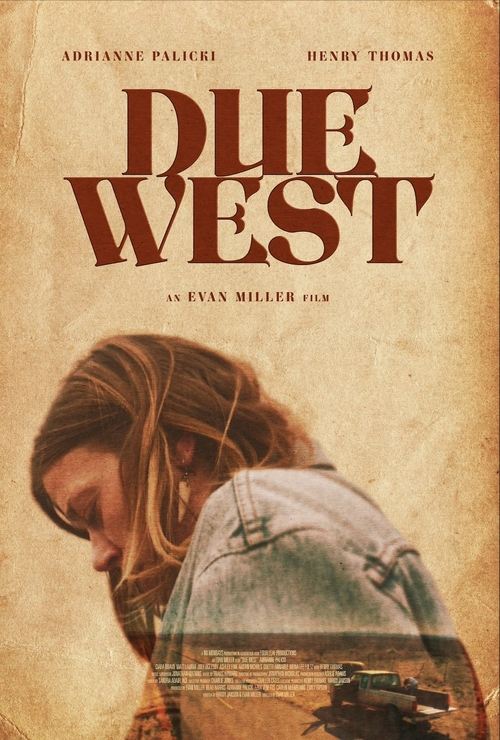
In a small West Texas town, a woman — an aging bartender driving a deteriorating 1993 Ford F-150 — faces an urgent medical crisis stemming from an unintended pregnancy. She needs care that is effectively inaccessible or illegal in her region, so she quietly borrows money from her estranged brother without revealing the true reason. Keeping her situation secret from both her resentful sister-in-law Mindy and the local pastor, Pastor Mike, she sets out alone across the vast West Texas landscape to seek the medical care she needs. When her truck breaks down en route, she is forced to accept help from strangers, including a young hitchhiker from Austin named Ciara. The journey exposes her to both unexpected kindness and risk from the people she encounters. As her options narrow and her resources dwindle, she is compelled to break the law in order to obtain care and continue forward. The film frames the story as a contemporary Western in which the antagonist force is not a gunslinger but institutional and social oppression — specifically the legal restrictions around reproductive healthcare in Texas — leaving the protagonist trapped in a no-win situation she must navigate entirely on her own. The film is described by critics as quietly and nakedly political, subverting Western genre conventions to explore survival, bodily autonomy, and self-reliance under systemic pressure. The specific resolution is not detailed in available sources, though reviewers confirm the film depicts loss as well as survival.
Sources: Wikipedia (Premise section), Austin Chronicle review, Web search aggregates (Movie Insider, AceShowBiz, search snippets), TMDb overview