Movie
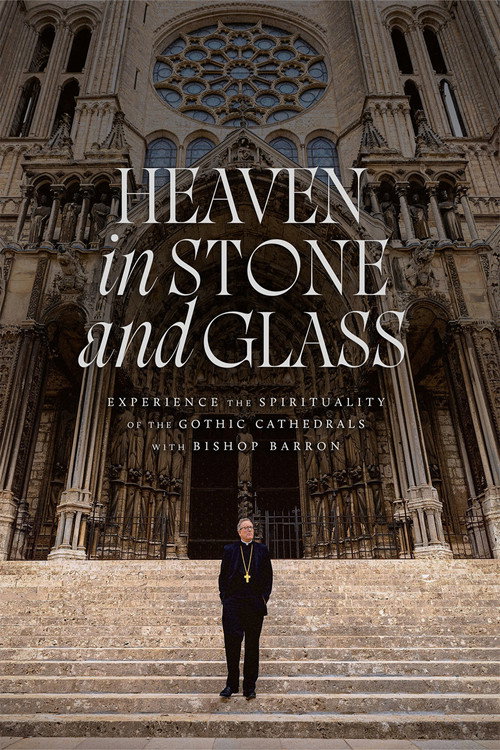
Heaven in Stone and Glass
Cultural messages
The Old Ways Were Better
mediumAll three detect criteria are met: (1) medieval Gothic architecture and the theology it embodies are depicted as encoding a complete, superior vision of reality; (2) 'rapidly secularizing Western culture' is explicitly named as the unfavorable modern foil; (3) the film validates preserving and returning to these pre-modern ways, insisting the cathedrals are 'living evangelical instruments' rather than museum pieces. Signals: medieval settings are portrayed as spiritually warm and transcendent vs. spiritually empty secular modernity; traditional (medieval theological/architectural) knowledge provides access to God that modern secular culture cannot; and secularization is framed throughout as loss, not progress.
About this message: Traditional, ancestral, rural, or pre-modern life is portrayed as inherently better than modern alternatives. Progress is corruption, not improvement. The past is idealized as a golden age.
Movies that share these tropes

Full plot (spoilers)
Heaven in Stone and Glass (2026) is a 90-minute documentary in which Bishop Robert Barron returns to France on what he frames as a cinematic pilgrimage, prompted by the April 15, 2019 fire that severely damaged Notre-Dame Cathedral. The film opens by drawing on the collective shock and grief that swept the world as the cathedral burned, using that emotional event as a launching point to ask why the threatened destruction of a medieval church resonated so deeply even among people with no religious affiliation. Barron argues that the cathedrals encode a complete Christian vision of reality and that human beings respond instinctively to the transcendent beauty embedded in their design.
The documentary then takes viewers through five of France's crown jewels of Gothic architecture in sequence: Saint-Denis (the birthplace of the Gothic style), Notre-Dame de Paris, Chartres, Reims, and Amiens. At each site Barron serves as on-screen guide, walking through the soaring naves, ambulatories, and sculptural programs while explaining how every element — the pointed arches, ribbed vaults, flying buttresses, rose windows, and densely populated portals — was designed with explicit theological intent. Father Grunow, one of several collaborating scholars and clergy who speak in the film, articulates a core thesis: the cathedral is itself a kind of Bible, an artistic representation of Scripture legible even to illiterate medieval congregants.
Barron links specific architectural features to specific doctrines: the play of light through stained glass illustrates the Incarnation and the nature of grace; the vertical thrust of the nave orients the worshipper toward heaven and the beatific vision; the communion of saints is rendered visible in the program of sculpted figures on the west façades; the unity-in-diversity of the structural system reflects the Christian understanding of creation. Architects, historians, and clergy speak plainly about the scriptural sources that shaped their designs, and contemporary visitors describe how each cathedral still moves them spiritually.
The film closes by situating all of this within what Barron characterizes as a rapidly secularizing Western culture, arguing that the cathedrals remain living evangelical instruments — not museum pieces — and that their beauty constitutes a continuing route of access to God for modern audiences. The documentary premiered at the Museum of the Bible in Washington, D.C., before its two-night theatrical release on September 20 and 23, 2026.
Sources: Word on Fire / wordonfire.org, National Catholic Register (ncregister.com), Movieguide (movieguide.org), Fathom Entertainment / fathomentertainment.com, Daily Signal (dailysignal.com)