Movie
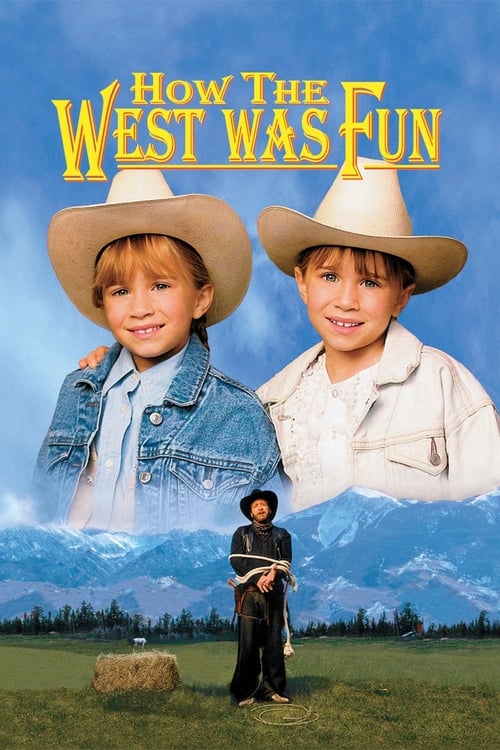
How the West Was Fun
Narrative tropes
Kids See the Truth
highTwin 8-year-olds are the sole agents who discover Bart's sabotage scheme, which adult Natty is completely blind to. Their child charm succeeds where adults fail: they persuade their strict-bossed father to make the trip, then personally win over developer McRugger in ways no adult in the story could. Adults are consistently framed as compromised (father's boss is rigid, Natty is overwhelmed, McRugger is commercially driven), while the girls' innocence functions as their decisive advantage.
About this trope: Children possess intuitive wisdom, moral clarity, or a connection to truth that cynical adults have lost. Kids see through lies, sense danger, and understand what really matters.
Cultural messages
Family Is Everything
highFamily bonds are the engine of every plot beat: the trip is undertaken out of loyalty to the girls' late mother's godmother (found family); the father sacrifices his job to make the journey (family over career); the climactic crisis is the girls' kidnapping (threat to family); and the resolution — rescuing the girls and saving the ranch — is a collective family triumph. Natty functions as surrogate extended family, connecting the twins to their deceased mother.
About this message: Family bonds — biological or found — are ultimately what saves the day, provides meaning, and matters most. Characters who stray from family suffer; those who return are rewarded.
The Old Ways Were Better
mediumThe dude ranch is depicted warmly as an authentic community worth preserving, set against a developer's plan to demolish it for a commercial theme park. Modernization (the theme park) is framed as pure loss. The resolution explicitly validates preservation: McRugger is charmed by the ranch and its people and walks away from the deal, endorsing the old way over the new development.
About this message: Traditional, ancestral, rural, or pre-modern life is portrayed as inherently better than modern alternatives. Progress is corruption, not improvement. The past is idealized as a golden age.
Movies that share these tropes



Full plot (spoilers)
Twin sisters Jessica and Susie Martin, eight-year-old girls living in Philadelphia with their widowed father Stephen, receive a letter from Natty, their late mother Sarah's godmother. Unaware that Sarah has died, Natty is seeking help to keep her struggling dude ranch afloat. The twins persuade their father to make the trip out west, though in the process they inadvertently get him fired by appealing to his strict boss. Upon arriving at the ranch, the girls discover that Natty's lazy, greedy son Bart Gafooley has been scheming to sabotage the property so he can sell it to developer Leo McRugger, who intends to tear the place down and replace it with a theme park. The twins work to expose Bart's plans and encourage Natty to refurbish and revitalize the ranch. They also travel to Denver to bring McRugger out to see the property in person. Along the way they search for rumored hidden treasure, but turn up only fool's gold. Nevertheless, McRugger is charmed by the ranch and its people and backs away from his purchase plans. In a climactic confrontation, Bart kidnaps the girls and sets them adrift on a raft heading toward a dam. They manage to escape; Bart goes over the dam and is seriously injured. With the villain thwarted and the developer won over, the ranch is saved and the community celebrates.
Sources: Wikipedia, IMDb (plot summary page — 403 blocked, data from search snippet), Web search synthesis