Movie
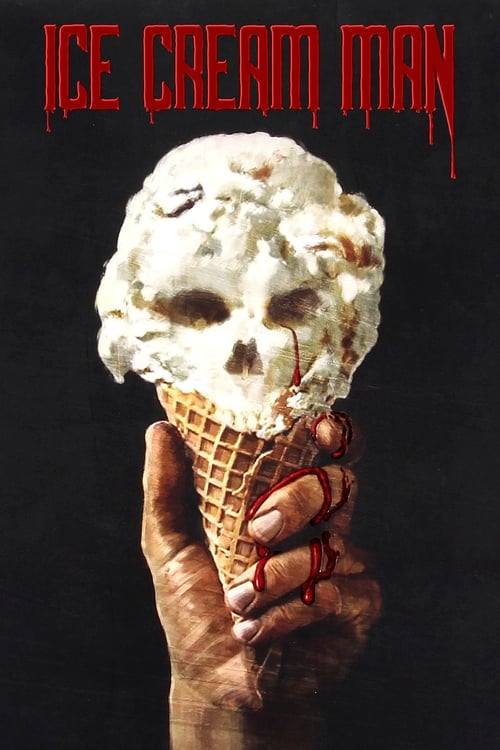
Ice Cream Man
Narrative tropes
Violence Gets Results
highThe central threat (Gregory's kidnappings and murders) is never resolved by negotiation or institutional intervention. The climax is explicitly violent: Small Paul manipulates Gregory into an industrial mixer where he is dismembered. Earlier non-violent approaches (children reporting to police) fail. Victory is achieved solely by physically destroying the antagonist, and the narrative does not frame this as morally questionable.
About this trope: The central conflict is ultimately resolved through physical force rather than negotiation, diplomacy, or systemic change. Talking fails; fighting works.
Kids See the Truth
highThe neighborhood children correctly identify Gregory as dangerous while adult police dismiss their concerns as unreliable. The children's self-directed investigation succeeds where adult authority fails — they discover the imprisoned boys themselves. A child (Small Paul) ultimately defeats Gregory. The plot treats the children's instincts as trustworthy wisdom, while adults are portrayed as too jaded or indifferent to act on obvious warning signs.
About this trope: Children possess intuitive wisdom, moral clarity, or a connection to truth that cynical adults have lost. Kids see through lies, sense danger, and understand what really matters.
Cultural messages
The System Is Rigged
highPolice are the trustworthy institution that fails: they dismiss the children's concerns about Gregory outright, forcing the kids to investigate on their own (bypassing official channels). Detectives later expose the Wishing Well Sanatorium's mistreatment of Gregory (a cover-up within an official body). Working within the system fails entirely — final justice comes from outside it when Small Paul personally lures Gregory into the industrial mixer.
About this message: Institutions meant to protect people — governments, corporations, law enforcement, the justice system — are depicted as corrupt, incompetent, or actively harmful. Heroes must work outside official channels.
Movies that share these tropes





Full plot (spoilers)
In a California suburb, young Gregory Tudor witnesses the murder of the local ice cream man when he is a child. Traumatized by the event, Gregory is institutionalized at the Wishing Well Sanatorium, where he is mistreated during his stay. Years later, Gregory is released and takes over the ice cream business of the man he saw killed, inheriting both the truck and the parlor. He transforms the parlor into a grisly laboratory, secretly producing frozen confections laced with insects and dismembered human body parts. When neighborhood boys Roger and Small Paul go missing, a group of local kids become suspicious of Gregory, though the police dismiss their concerns. The children investigate on their own and eventually discover that Gregory has imprisoned the missing boys in a cage within his parlor. Meanwhile, detectives looking into the Wishing Well Sanatorium begin to uncover the truth about Gregory's past mistreatment there, which eventually leads authorities to take the children's accusations seriously. As the situation escalates, Gregory kills additional victims, including an older brother of one of the neighborhood boys. The climax arrives when Small Paul—one of the imprisoned boys—manipulates Gregory by holding a photograph of the original murdered ice cream man over his face, luring him into the parlor's industrial mixer, where Gregory is dismembered and killed. The surviving children are reunited with their friends and family. However, the ending is darkly ironic: Small Paul is sent to therapy following the ordeal, but the final scene shows him alone, silently churning an ice cream bucket with his face twisted into the same evil leer as Gregory's, implying that his harrowing captivity has corrupted him in the same way Gregory was broken by his own trauma.
Sources: Wikipedia