Movie
Leviticus 24:20
Narrative tropes
Good Intentions, Terrible Results
highThe joint Mexican-American government launches the Leviticus 24:20 Initiative with the genuinely reasonable goal of combating cartel violence and drug trafficking, but the means — deploying autonomous drones that unleash overwhelming (not proportionate) lethal force — produce monstrous collateral harm: children in a classroom are traumatized as blood spatters their windows. The film's explicit thesis is that the program 'erases violence through greater violence,' raising questions about ends-vs-means and the cycle of brutality the program was meant to break. All five signals fire: the government's anti-cartel goal is understandable (1); overwhelming drone force near civilian areas constitutes atrocities justified as necessary (2); the journalist explicitly debates accountability and collateral harm (3); the biblical title subverts proportionality, underscoring that the logic is internally consistent yet morally horrifying (4); Cassandra Noriega as journalist-exposer functions as the 'hero forced to confront someone technically trying to help' (5).
About this trope: A villain — or sometimes a hero — genuinely believes they are doing the right thing, but their well-meaning plan leads to monstrous outcomes. The scariest antagonists think they're saving the world.
Movies that share these tropes






Full plot (spoilers)
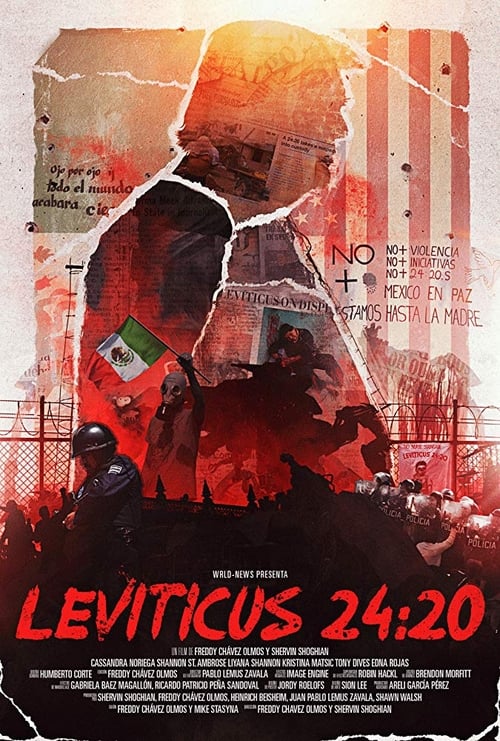
Leviticus 24:20 is a four-minute short film formatted as a faux television newscast set in a dystopian near-future Mexico. News journalist Cassandra Noriega reports on the Leviticus 24:20 Initiative, a covert joint Mexican-American government program that deploys ground-based autonomous drones to combat drug trafficking, organized crime, and border violence. The title references Leviticus 24:20 — the biblical 'eye for an eye' passage — though the film subverts the proportionality of that verse: the drones do not respond in kind but rather unleash overwhelming lethal force against cartel members. A key scene depicted in the newscast footage shows children inside a school classroom recoiling in horror as towering armed drones gun down cartel operatives just outside. Blood spatters across the classroom windows while their teacher, attempting to shield the children from the trauma, leads them in song to drown out the sustained sound of gunfire. The film frames the Initiative as an ethically troubling government policy — erasing violence through greater violence — and through the journalist's report raises questions about collateral harm, political accountability, and the cycle of brutality the program is meant to break. The directors, Freddy Chavez Olmos and Shervin Shoghian, conceived the project as a commentary on Mexico's cartel crisis and envisioned it as a potential feature-length story before releasing it in short form.
Sources: IMDb, Image Engine VFX case study, Film Shortage (web search description)