Movie
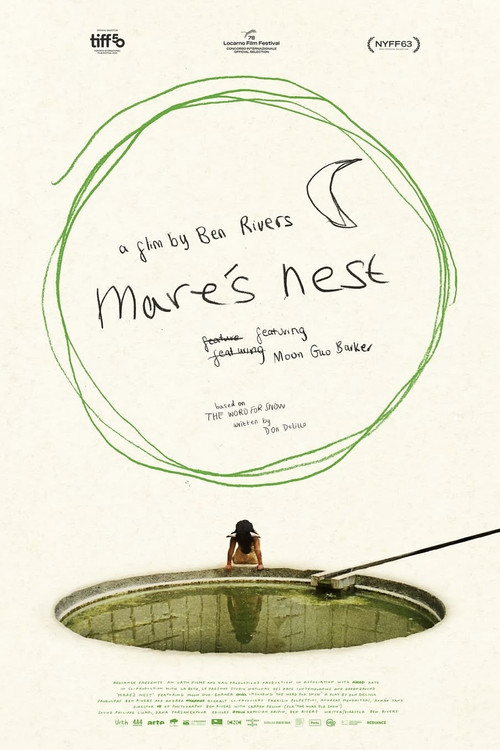
Mare's Nest
Narrative tropes
Kids See the Truth
highThe entire film is structured around a child protagonist navigating a world that adults have inexplicably vacated — their absence implying civilizational failure. Moon moves through the desolate world with quiet purpose and philosophical curiosity (dialoguing with a tortoise about evolution), while the adults who remain are retreated, renouncing scholars or fringe figures offering unconventional lessons. The film's most pointed expression of this trope is casting 9-year-old girls in adult intellectual roles for the DeLillo play, where their delivery 'heightens the elegiac and oracular quality' — innocence amplifying wisdom rather than diminishing it. The explicit framing of 'generational anxiety about the world children are inheriting' positions adult-kind as having failed to see or act on truths the child now must inherit and navigate alone.
About this trope: Children possess intuitive wisdom, moral clarity, or a connection to truth that cynical adults have lost. Kids see through lies, sense danger, and understand what really matters.
Movies that share these tropes


Full plot (spoilers)
Mare's Nest is a near-future fable set in a world inexplicably emptied of adults. The film follows Moon, a young girl who drifts through desolate, sublime landscapes—rusting industrial remnants, deserted roads, and wild terrain—seemingly unmoored but quietly purposeful. Structured in eight chapters, the film blends fiction, documentary, poetic essay, and fable. Moon survives a car crash unscathed and walks along an empty road where she engages a tortoise in a dialogue about evolution, establishing the film's playful, philosophically curious register. She roams through abandoned and strange environments, encountering isolated individuals who demonstrate unconventional ways of living—some perform for her, others show her a film (Rivers' own 2022 short The Minotaur, embedded as a work made by the child characters), and still others offer her gifts or demonstrate different possibilities for existence. The longest and most substantial chapter adapts Don DeLillo's 2007 one-act play The Word for Snow: Moon arrives at a mountain hut where she meets a scholar who has renounced his work and retreated from the world, and an interpreter who mediates between their different languages. Together they engage in a three-way conversation about knowledge, language, and the fate of the physical world. DeLillo's text—which contains a prophecy that the material world will eventually dissolve, leaving only words behind—is delivered intact, but Rivers has cast 9-year-old girls in the roles written for adults, heightening the elegiac and oracular quality of the language. After this encounter Moon moves on, meeting more figures along her open-ended journey before the film closes on her advancing into an unknown future. The film draws thematic energy from a generational anxiety about the world children are inheriting, and carries both unease and wonder throughout.
Sources: Wikipedia, Grasshopper Film, Web search aggregated reviews (EYE on Art, Brattle Film, ICA, Filmmaker Magazine snippet)