Movie
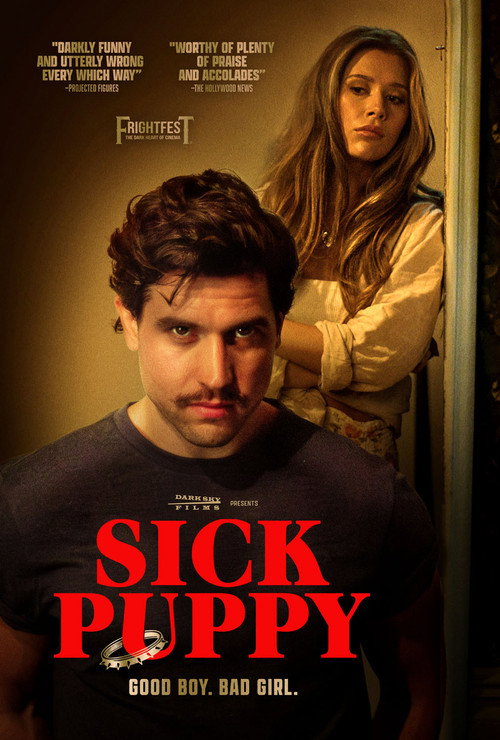
Sick Puppy
Narrative tropes
Good Intentions, Terrible Results
highCharlie's motivations are genuinely sympathetic — love for her husband and a sincere desire to help him reform — yet her protective plan exacts a horrific moral cost: covering serial murder, committing escalating violence, and descending into sadism. The detect_when criteria are all met: (1) Charlie's love-driven motivations are understandable and even initially noble; (2) her plan to shield John from the law, from Mia, and from his own impulses 'works' instrumentally but requires atrocity after atrocity; (3) the film's character-study framing explicitly traces how her certainty that protecting John is right corrupts her entirely. Signals present: her goals are understandable (love, wishing him reformed); the plan demands atrocities framed as protective necessities; her logic is internally consistent but morally horrifying (veterinary calm-before-euthanasia skill repurposed for violence); and the story implicitly stages an ends-justify-the-means reckoning as her 'protective instincts shade into their own form of sadism.'
About this trope: A villain — or sometimes a hero — genuinely believes they are doing the right thing, but their well-meaning plan leads to monstrous outcomes. The scariest antagonists think they're saving the world.
Movies that share these tropes





Full plot (spoilers)
Charlie (Natasha Calis) is a veterinary nurse — skilled at calming animals before euthanasia — and a former cheerleader who is deeply in love with her husband John (Brett Geddes), a serial killer who abducts young teenage girls, whom he 'trains' as 'dogs,' sexually abusing them before eventually discarding their bodies. Charlie has long been aware of John's crimes, covering for him out of love despite harboring jealousy toward his victims. She has spent years urging him to stop. When John finally decides to quit his killing for Charlie's sake — channeling his compulsive instincts into pottery and attempting a quiet suburban life — she is relieved and thrilled. The two reach a domestic compromise: he gives up his murderous compulsions, she gives up cigarettes. Their fragile new normal is quickly threatened when Detective Dale Karloff (Dylan Taylor), a police officer with a personal history connected to Charlie, begins closing in on the missing girls cases. As the investigation tightens around them, Charlie is forced to take increasingly violent action to protect their secret and keep John from unraveling. Their household is further destabilized by the arrival of Mia (Rachel Boyd), a cunning and provocative teenage girl who recognizes John's predatory nature and launches an aggressive campaign of seduction and psychological teasing aimed at him — proving herself to be even more dangerous than he is. The film pivots from its disturbing opening acts of John's crimes into a character study of Charlie as the complicit housewife, tracing her moral descent as she commits acts of violence not only to shield John from the law but also to protect him from his own resurgent impulses and from Mia's manipulations. Themes of abuse, unresolved trauma, and co-dependency run throughout, as Charlie's protective instincts shade increasingly into their own form of sadism.
Sources: Web search snippets (Rotten Tomatoes, FilmHounds, DailyEntertainmentWorld), Kim Newman / johnnyalucard.com FrightFest review, TMDb overview