Movie
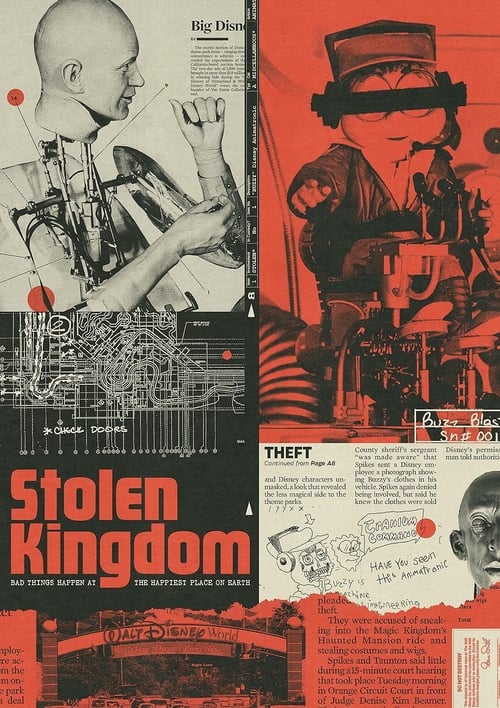
Stolen Kingdom
Narrative tropes
Good Intentions, Terrible Results
mediumThe early urban explorers ('Chief,' 'Hoot') were genuinely motivated by preservation and nostalgia for closing attractions — sympathetic, logical goals. The film explicitly traces how their ethos and playbook were 'adopted and eventually distorted' into a criminal collector subculture, culminating in Spikes' theft of $14,000 in Cranium Command props. Spikes' own logic is internally consistent (a passionate Disney employee acquiring memorabilia he valued) yet leads to serious crime — satisfying the 'villain's logic is internally consistent but morally horrifying' signal. The film also implicitly stages the ends-justify-means debate by examining how preservation ideology was used to rationalize escalating theft. All three core conditions are met: sympathetic original motivations, a preservation 'plan' that worked until it became the justification for theft, and the film's central thesis that the certainty of righteous fandom is itself dangerous.
About this trope: A villain — or sometimes a hero — genuinely believes they are doing the right thing, but their well-meaning plan leads to monstrous outcomes. The scariest antagonists think they're saving the world.
Movies that share these tropes



Full plot (spoilers)
Stolen Kingdom is a 74-minute documentary directed by Joshua Bailey that investigates the underground community of rule-breakers at Walt Disney World in Orlando, Florida, tracing more than 30 years of unauthorized access and escalating theft that culminated in the mysterious disappearance of Buzzy, an Audio-Animatronic from the defunct Epcot attraction Cranium Command. The film opens by profiling early urban explorers — known by handles such as 'Chief' and 'Hoot' — who, beginning in the early 1990s, began secretly documenting the closure and decay of beloved attractions such as Horizons, as well as abandoned Disney properties including Discovery Island and River Country. Their work, initially motivated by preservation and nostalgia, established an ethos and a playbook that would be adopted and eventually distorted by later generations. The documentary charts how these early, relatively harmless pranks and trespasses gradually inspired a more acquisitive and reckless underground community of collectors and thieves. The central criminal case involves Patrick Spikes, a 23-year-old Disney employee who in 2018 broke into the long-closed Cranium Command theater — where Buzzy served as the robotic host of a show simulating life inside a human brain from 1989 until the attraction shuttered in 2007 — and stole costumes and props from the character, with total stolen merchandise estimated at $14,000 in value. Spikes, who is interviewed in the film and confesses to his activities, sold the purloined items online as Disney memorabilia; among the buyers was NBA player Robin Lopez, who purchased some of Buzzy's stolen clothing. The documentary reveals that Buzzy himself — the full animatronic figure, valued at nearly half a million dollars — has never been recovered, and the film investigates two competing theories: that Buzzy was stolen and his whereabouts remain unknown, or that Disney quietly removed the animatronic preemptively to prevent further theft. The film leaves the question unresolved, treating the fate of Buzzy as a true-crime mystery at the intersection of fan obsession, corporate secrecy, and the peculiar subculture that grows around closed or forgotten theme-park attractions. The original score was composed by Brendan Canty, drummer of Fugazi. The film premiered at the Big Sky Documentary Film Festival in February 2025 and received a theatrical roadshow release across 23 North American cities beginning May 21, 2026.
Sources: Wikipedia, IndieWire, Official Stolen Kingdom website (stolenkingdomfilm.com), Laughing Place, Attractions Magazine, Film Threat