
Movie
The Last Dive
Cultural messages
Nature Knows Best
highThe film frames Terry's decades in the Sea of Cortez as a source of deep moral and spiritual transformation unavailable in conventional modern life. All three core conditions are met: (1) ocean wilderness and cross-species connection are depicted as profoundly meaningful and wise; (2) explicit contrast is drawn between Terry's rough earlier existence (Hell's Angels associate, drifter) and the purposeful, transformed life he found on the water; (3) connection with nature — specifically his bond with Willy — is the direct mechanism of his personal redemption and conservation advocacy. Four signals land clearly: Terry becomes a nature-connected figure portrayed as wiser for the experience; San Benedicto and the Sea of Cortez are tonally idealized throughout; his final expedition is explicitly framed as a search for peace and closure through returning to nature; and his pre-ocean life is coded as spiritually empty by contrast. The fifth signal (natural solutions outperforming technological ones) is absent.
About this message: The natural world, indigenous peoples, or pre-industrial life is portrayed as inherently wise, pure, morally superior, or spiritually richer than modern civilization. Nature is a source of truth that technology has replaced.
Movies that share these tropes

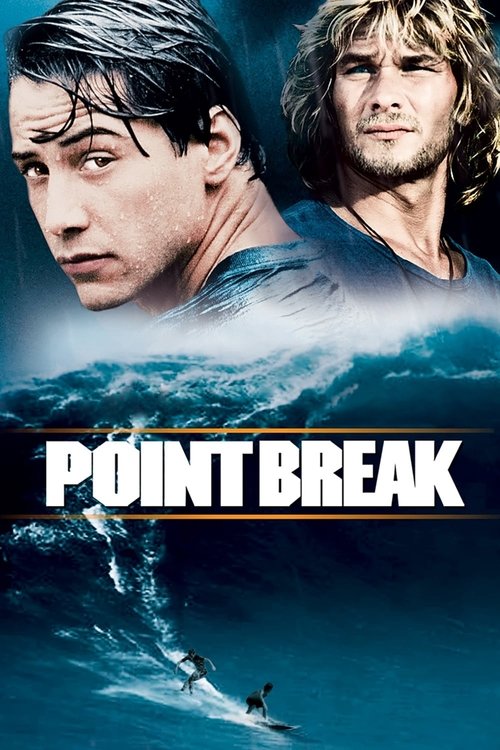
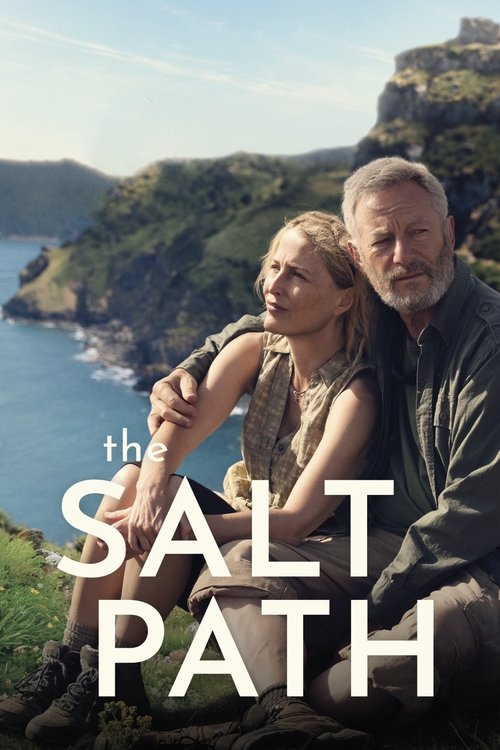



Full plot (spoilers)
The Last Dive is a feature documentary directed by Cody Sheehy that follows Terry Kennedy, a man in his eighties who has led an extraordinary and unconventional life — including a stint as an associate of the Hell's Angels — before sailing into the Sea of Cortez in the 1980s aboard a vessel called the Erotica. Over the following decades, Terry became a legendary figure in Baja Mexico, spending his life on and in the water around the remote volcanic island of San Benedicto. There, over the course of roughly 19 years, Terry formed a deep and scientifically remarkable friendship with a 22-foot oceanic manta ray he named Willy Wow. The two developed a routine: Willy would slap his enormous wings against the hull of Terry's sailboat to signal that he was ready to dive together. Their relationship challenged prevailing assumptions about manta ray intelligence and capacity for cross-species connection. Driven by his bond with Willy, Terry transformed from a rough-edged drifter into an unlikely conservation advocate, ultimately working to secure legal protections for manta rays — including amendments aimed at ending the cruel poaching of the species. Now in his eighties, Terry mounts what he describes as a dying wish: one final expedition back to San Benedicto Island to search for Willy and attempt a reunion with his long-lost friend. The film interweaves archival footage of their earlier dives with the present-day journey, framing Terry's quest as a search not only for Willy but also for personal peace, closure, and a chance to say goodbye — both to the ocean life he built and to the creature that reshaped it.
Sources: Tribeca Film Festival, Rotten Tomatoes, IMDb (search result), military.com (search result)