Movie
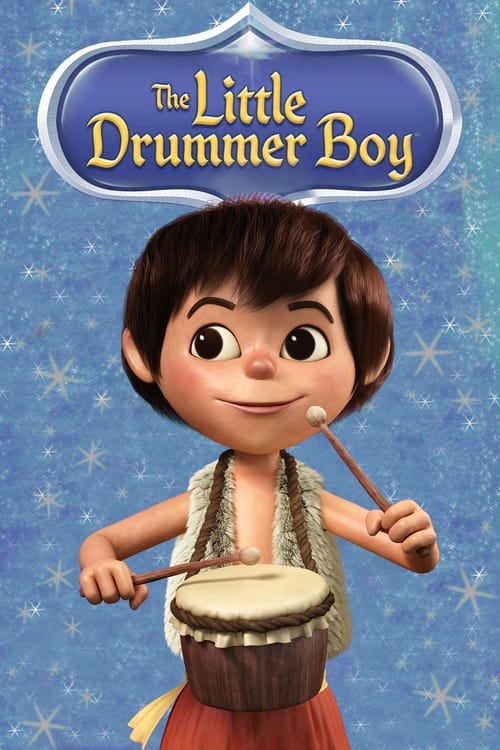
The Little Drummer Boy
Narrative tropes
Love Conquers All
highAaron's love for Baba is the central emotional engine: it drives him to the manger, compels his selfless gift of drumming (the decisive act), and the resulting miracle heals Baba and shatters Aaron's hatred. Love is the literal mechanism of both the physical healing (Baba survives) and the spiritual transformation (Aaron's bitterness broken), satisfying all core-pattern elements and all five signals—love motivates the heroic act, transcends physical law via the miracle, rescues a character from darkness, breaks an entrenched cycle, and is explicitly shown as the story's supreme force.
About this trope: Love — romantic, familial, or platonic — is presented as the ultimate force that overcomes any obstacle including death, physics, evil, or cosmic forces. Love is a literal power.
Cultural messages
Family Is Everything
highAfter losing his biological family, Aaron's three animals are his found family and the entire plot turns on protecting and reuniting with them: he furiously refuses to let Ben Haramed sell Joshua, flees captivity to stay with Samson and Baba, is devastated by Baba's injury, and the emotional climax is Baba miraculously healed and 'rushing back into Aaron's arms.' Family reunion is the payoff, choosing family over captivity drives the mid-story, and found-family bonds function identically to biological ones throughout.
About this message: Family bonds — biological or found — are ultimately what saves the day, provides meaning, and matters most. Characters who stray from family suffer; those who return are rewarded.
Forgiveness Sets You Free
highAaron is deeply wronged (bandits murder his parents), and the resulting bitterness is explicitly shown as self-imprisoning—it isolates him and erupts in hostility at the Jerusalem crowd. The climax at the manger is a choice to give rather than hate: Aaron offers his only gift with love, which breaks his cycle of hatred and fills him with joy. The grudge causing ongoing suffering, the climactic moment of releasing it, and the framing of letting go as liberation all hit E7's core pattern and signals.
About this message: Forgiving — even the unforgivable — is presented as the path to peace and healing. Holding grudges is self-imprisonment; releasing them is liberation.
Movies that share these tropes



Full plot (spoilers)
The Little Drummer Boy is a 1968 Rankin/Bass stop-motion animated holiday special. The story centers on Aaron, a young Jewish boy whose happy farm life is destroyed when bandits raid his home and kill his parents. The trauma leaves Aaron emotionally scarred and deeply embittered toward all of mankind. His only companions are a camel named Joshua, a donkey named Samson, and a lamb called Baba, whom he cherishes deeply. Aaron's exceptional drumming skill draws the attention of Ben Haramed, a conniving showman who forcibly recruits him into a traveling caravan of performers. During a public performance in Jerusalem, Aaron's inner hatred surfaces as he lashes out at the crowd. The troupe later encounters the three Magi following a star toward Bethlehem. Seeing an opportunity for profit, Ben Haramed attempts to sell Joshua the camel to the Magi in exchange for gold. Aaron furiously refuses the transaction and escapes with Samson and Baba. He then joins the Magi on their journey to Bethlehem. Near the manger, Baba is struck and gravely injured by a Roman chariot. The devastated Aaron is told by the Magi that the newborn baby Jesus might be able to heal the lamb. With nothing else to offer, Aaron kneels before the Christ child and plays his drum as a gift. The act of selfless giving transforms Aaron's heart. In response, Baba is miraculously healed and rushes back into Aaron's arms. The miracle breaks Aaron's cycle of hatred and despair, and his heart is finally filled with joy and love.
Sources: Wikipedia