Movie
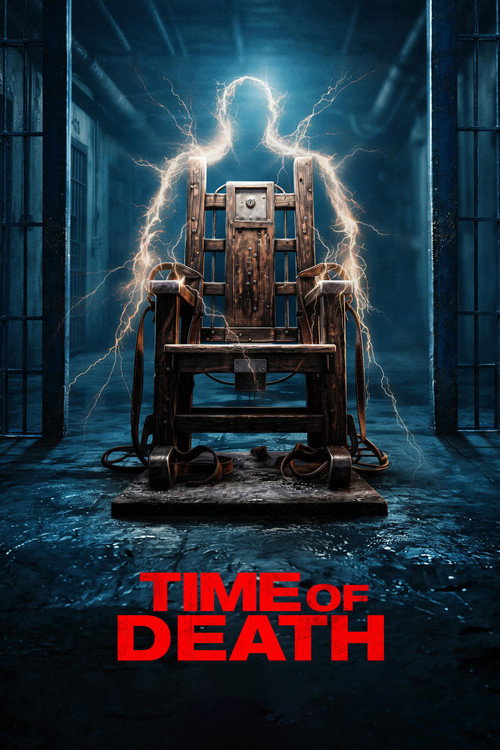
Time of Death
Narrative tropes
You Can't Trust Anyone
mediumThe prison — an ostensibly trustworthy state institution — conceals a conspiracy of buried secrets and corruption. Morley cannot trust his perceptions (substance-and-trauma-induced hallucinations blur reality), cannot trust the institution that dispatched him, and his paranoia is ultimately validated when his investigation uncovers real wrongdoing. Three signals are present: the institution he serves is secretly compromised, the protagonist is forced to question everything around him, and the plot validates his suspicion by confirming genuine corruption rather than dismissing it as delusion.
About this trope: Trusted allies, institutions, or authority figures are secretly working against the protagonist. Paranoia is justified because betrayal is real and pervasive.
Cultural messages
The System Is Rigged
mediumSeneca Ridge Penitentiary and the Bureau of Corrections are official institutions that harbour 'hidden corruption and buried secrets.' A colleague died while probing the same case, signalling institutional complicity or cover-up. Morley must conduct a solo, outsider investigation to expose what the system has concealed — working outside normal channels because operating within them already got someone killed. Three signals fire clearly: cover-up exposed within an official body, systemic failure evidenced by the colleague's death, and justice requiring an end-run around institutional channels.
About this message: Institutions meant to protect people — governments, corporations, law enforcement, the justice system — are depicted as corrupt, incompetent, or actively harmful. Heroes must work outside official channels.
Movies that share these tropes



Full plot (spoilers)
Set in December 1987, Time of Death follows Detective Frank Morley (Michael Kelly) of the Bureau of Corrections, who is dispatched to Seneca Ridge Penitentiary — an isolated, Civil War-era prison on the verge of permanent closure — after a colleague dies while investigating the unexplained disappearance of an inmate. Morley arrives carrying his own heavy burden: the deaths of his wife and child two years earlier have left him reliant on medication and alcohol, and his grip on reality is already fraying before he enters the decaying facility. The prison has a grim institutional history of its own, including a fire in 1974 and a botched execution in 1978. As Morley digs into what initially appears to be a routine missing-person inquiry, he begins experiencing visions of events from the prison's past — it remains deliberately ambiguous whether these are supernatural manifestations or trauma-and-substance-induced hallucinations. His investigation gradually exposes a web of hidden corruption and buried secrets within the facility's walls. The boundary between truth and illusion collapses as Morley's personal trauma intertwines with the prison's disturbing history, turning the case into a dangerous psychological ordeal. The fractured narrative — blending present-day investigation with nightmares, visions, and flashbacks — ultimately coalesces to allow Morley to resolve the central mystery, though the specific nature of that resolution is not detailed in available sources. The film ends with Morley having confronted the dark forces — human or otherwise — lurking within Seneca Ridge. Specific ending details are not yet available in public reviews or plot summaries.
Sources: IMDb (search result metadata), JoBlo review, HorrorBrains, Radiant Films official page, AfterCredits.com