Narrative trope · Violence & Justice
Revenge Is Sweet

What it is
Vengeance is portrayed as justified, satisfying, and morally righteous. The audience is invited to cheer as the protagonist destroys those who wronged them.
How to spot it
The plot contains ALL of: (1) a protagonist motivated by personal vengeance, (2) the revenge quest is framed as heroic or justified, (3) achieving revenge is the emotional payoff of the story.
- A wrong done to the protagonist drives the entire plot
- The protagonist's systematic destruction of enemies is satisfying, not disturbing
- Official justice has failed or is absent, making personal vengeance the only option
- The revenge is achieved and framed as cathartic or victorious
- The protagonist does not suffer meaningful consequences for their vengeance
Classic examples
John Wick, Kill Bill, Gladiator, Taken, The Count of Monte Cristo, Mad Max: Fury Road
Contrast with
Revenge Destroys You (Revenge Is Sweet says revenge is satisfying; Revenge Destroys You says revenge is self-destructive)
Movies featuring this trope (19)
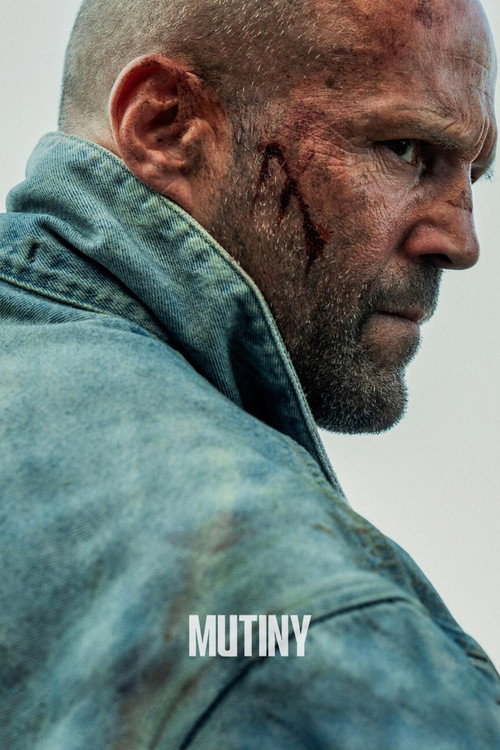
Mutiny
Cole's dual motivation — avenging Tibu's murder and clearing his own name — drives the entire plot. Official justice is unavailable because he is framed, making personal action the only option. The resolution (conspiracy exposed, name cleared, Madsen defeated) is presented as satisfying and fully vindicating. Cole suffers no meaningful consequences for his extrajudicial campaign.
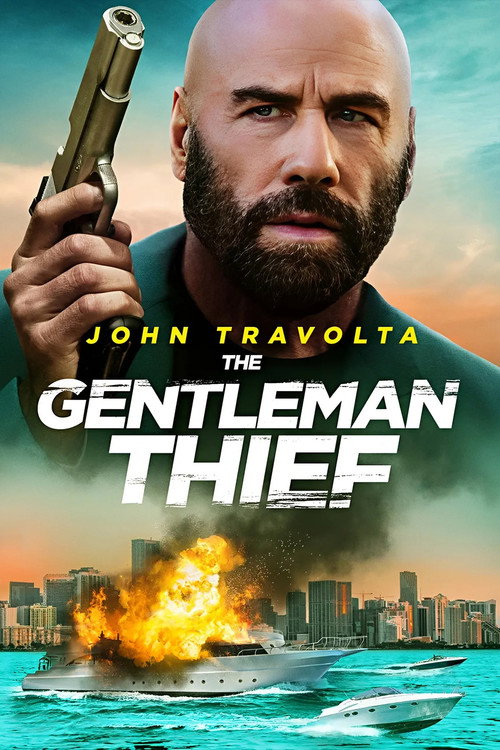
The Gentleman Thief
Mason's crew is killed in Salzar's trap, and the entire second half of the film is driven by personal vengeance — Mason 'shifts from protector to avenger.' Official justice is absent (federal authorities are obstacles, not allies). The final con to bring Salzar down is framed as the triumphant emotional payoff. Promotional materials foreground the betrayal as the moral justification for Mason's rampage, presenting systematic destruction of the enemy as satisfying rather than troubling.
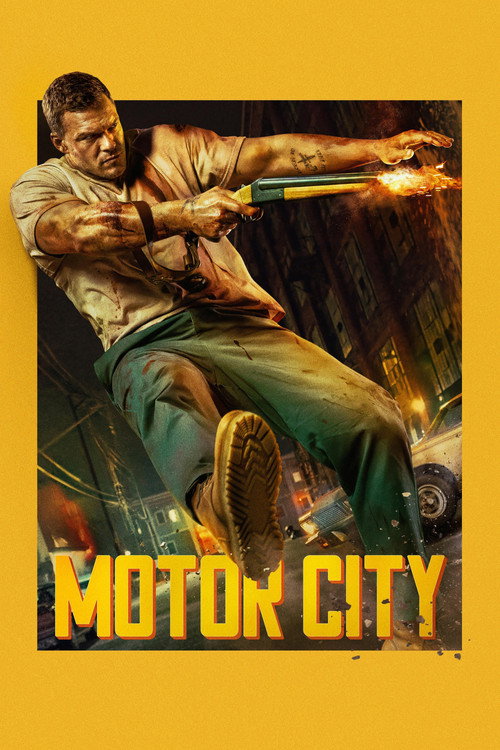
Motor City
The entire plot is driven by Reynolds wronging Miller (false imprisonment, orchestrated beatings). Official justice is unavailable — Reynolds has police in his pocket — making personal vengeance the only recourse. Miller's methodical campaign to dismantle Reynolds's operation is framed as satisfying and righteous, not troubling. The film's emotional payoff is explicitly 'settling the debt,' and no meaningful consequences for Miller's violence are indicated.
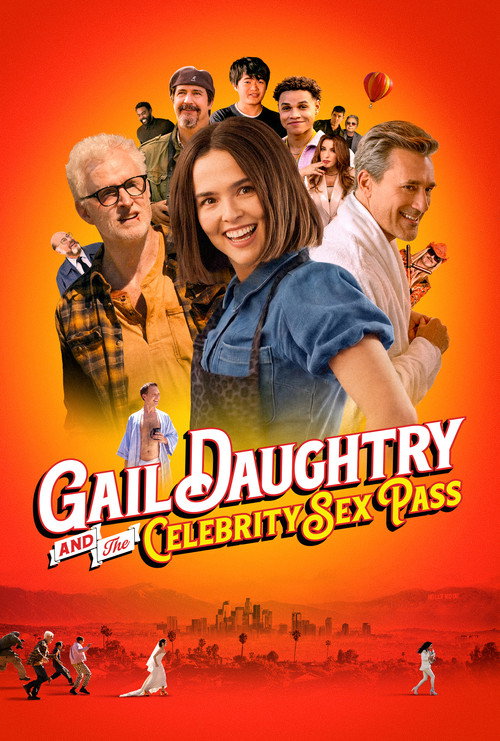
Gail Daughtry and the Celebrity Sex Pass
Tom's betrayal of the mutual celebrity-pass agreement is the inciting incident that drives every plot beat. The narrative frames Gail's counter-exercise of her pass as righteous rebalancing (validated by the psychic, enabled by loyal allies), positions the audience to cheer her quest, and delivers the act with Jon Hamm as a victory. Four signals are present: (1) the wrong done to Gail propels the entire story; (2) formal or official redress is structurally absent, making personal action the only available response; (3) the revenge is achieved and treated as cathartic/clarifying rather than troubling; (4) Gail faces no meaningful consequences for pursuing it. The core pattern is partially met — the payoff tilts toward self-discovery rather than pure triumphant destruction of the wrongdoer, which softens the match, but the revenge-quest framing and its satisfying completion are load-bearing.
I Love Boosters
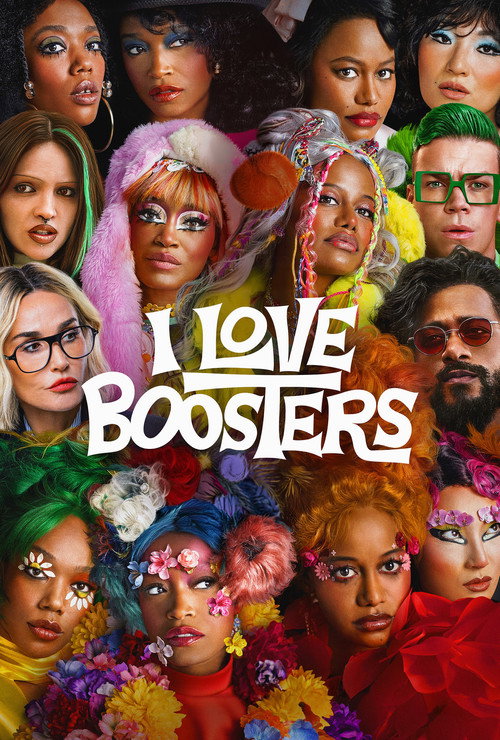
Personal revenge is the explicit inciting motivation: Christie steals Corvette's original design and publicly humiliates the crew, and they respond by planning to 'boost Christie's entire inventory' as direct payback. The wrong done to the protagonist demonstrably drives the plot's launch. Official justice is structurally absent — the crew operates outside the law and has no recourse through institutions. The heist-comedy tone and the film's 'ultimately optimistic outlook' frame the crew's retaliatory action as satisfying rather than troubling. Resolution is unconfirmed (wide release pending), so the cathartic payoff signal is partial, capping count at 3.
Mortal Kombat II
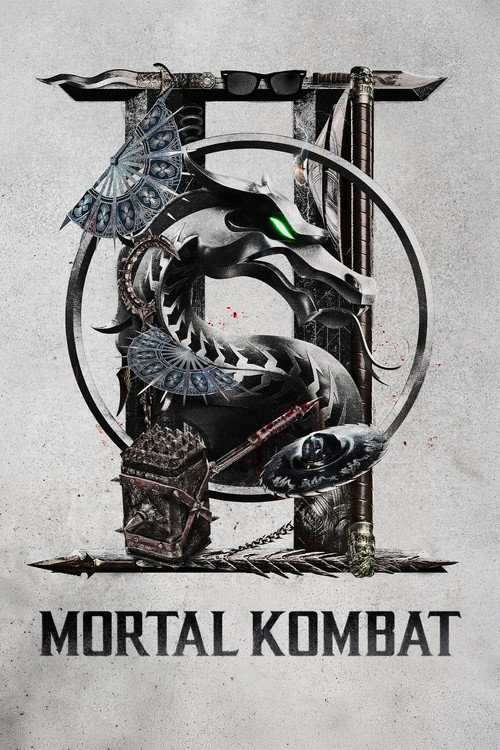
Kitana's arc is explicitly driven by avenging her father's death at Shao Kahn's hands. Her climactic confrontation with Shao Kahn is the film's emotional and action centerpiece, framed as heroic and cathartic. No institutional justice can reach Shao Kahn, making personal vengeance the only recourse, and the story treats her victory as the earned payoff.

Mārama
Cole's destruction of Mārama's family is the wrong that drives the entire plot. In 1859 colonial England, official justice for an Indigenous woman against a titled landowner is absent, making personal confrontation the only recourse. The climax—confronting and destroying Cole—is framed as righteous payoff, and no meaningful consequences for Mārama's vengeance are indicated.
Brothers Under Fire
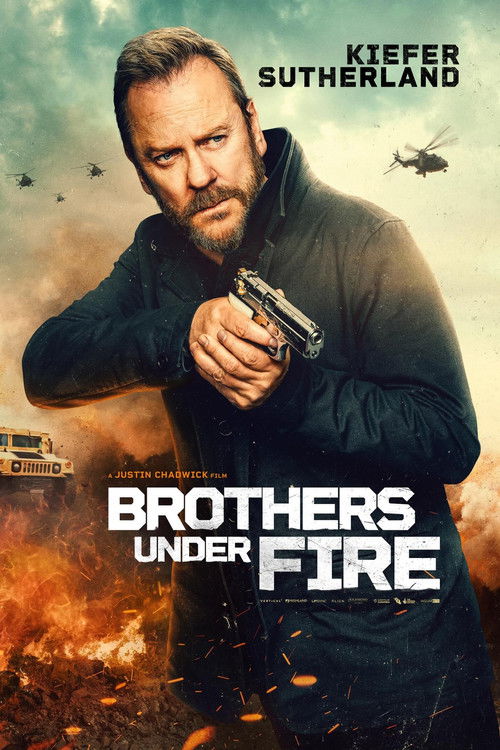
Alberto's murder is the explicit emotional engine that 'galvanizes' the squad and drives the plot. The vow to avenge him is presented as righteous and noble. Official law enforcement is absent — the squad must deliver justice themselves. The revenge quest is framed as inseparable from heroism and protection of innocents, ensuring it reads as cathartic rather than troubling.

Psycho Killer
The murder of Jane's husband Mike is the inciting event and the engine of the entire plot. Her pursuit is framed sympathetically throughout. Official justice had structurally failed — the killer was already believed dead in prison — making personal pursuit the only viable path. The killer's capture and imprisonment is presented as the narrative resolution/payoff. Jane faces no meaningful consequences for her single-minded chase.
Reckless
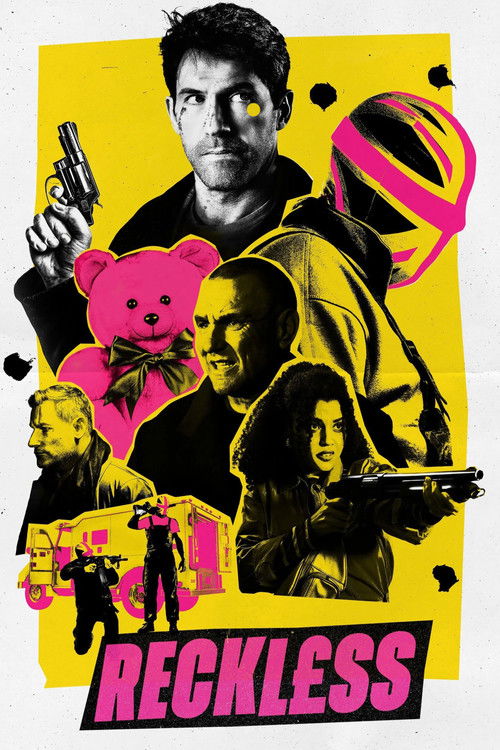
Devon's entire plot engine is the frame-up that cost him five years. Official justice never addressed his wrongful imprisonment, making personal action the only path. He systematically eliminates each conspirator (George, Toby, ultimately Trent), and the audience is positioned to find this cathartic. The bittersweet ending (back in prison but with Kimber's hope) doesn't negate the revenge-as-payoff framing.
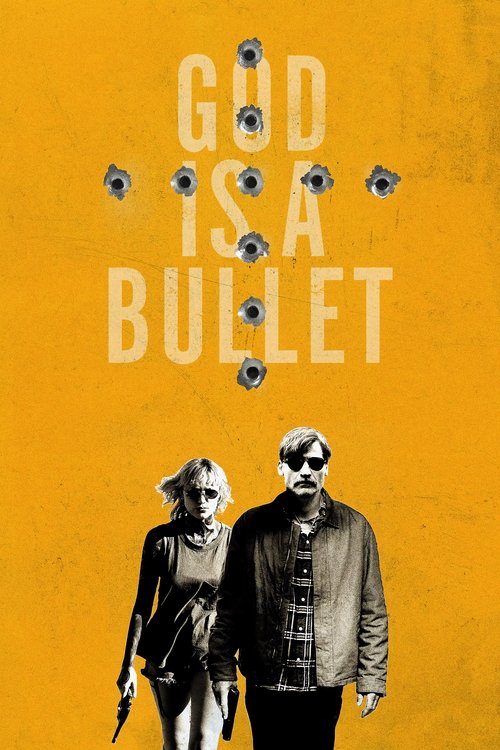
God Is a Bullet
Case's entire arc is a revenge quest: she was kidnapped and abused by Cyrus as a child, escaped, and ultimately tracks him down and kills him, explicitly achieving 'the closure and revenge she sought.' Official justice is absent (police are too slow; Bob quits). The revenge is framed as cathartic liberation rather than tragedy—Case finally 'finds herself capable of acting'—and neither she nor Bob faces meaningful consequences for the killings.

Blade of the 47 Ronin
Aya's murder explicitly triggers Onami's revenge arc — she banishes Luna and 'sets out alone for revenge.' The samurai lords are dead, leaving no institutional justice. Onami killing Yurei in the climax is framed as victorious payoff. No meaningful consequences follow; she is rewarded with Shinshiro's mantle as samurai lord.

Seance
Camille's entire premise is revenge: she assumed a false identity specifically to investigate and avenge Kerrie's murder. Official justice is absent (the headmistress dismisses deaths as runaways). Camille kills both killers and the story frames her departure—saying goodbye to Kerrie's ghost and walking off campus—as cathartic vindication with zero consequences for her violence.
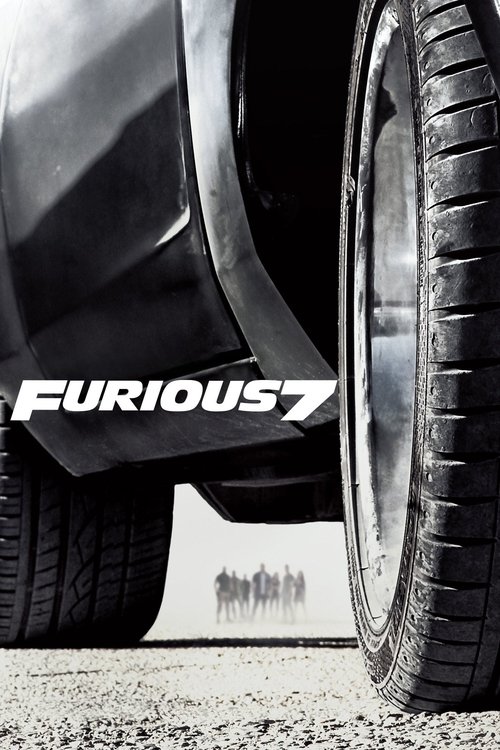
Furious 7
Han's murder and the bombing of Dom's house drive Dom's entire arc as a revenge quest. The crew's mission is explicitly framed as personally settling scores with Deckard — they only take Mr. Nobody's deal because it gives them access to Shaw. Official channels are bypassed entirely. Deckard's defeat and capture is presented as cathartic payoff. Dom faces no meaningful consequences for his vengeance pursuit.

Lockjaw: Rise of the Kulev Serpent
Alan's entire second-act motivation is personal vengeance for Becky's hit-and-run death. Official justice is structurally absent — the college group fled with no accountability — making supernatural vengeance the only option. The Kulev Serpent hunting the group one by one is framed as the story's central spectacle, presented as satisfying rather than disturbing. Alan suffers no apparent moral consequences for re-summoning the creature.
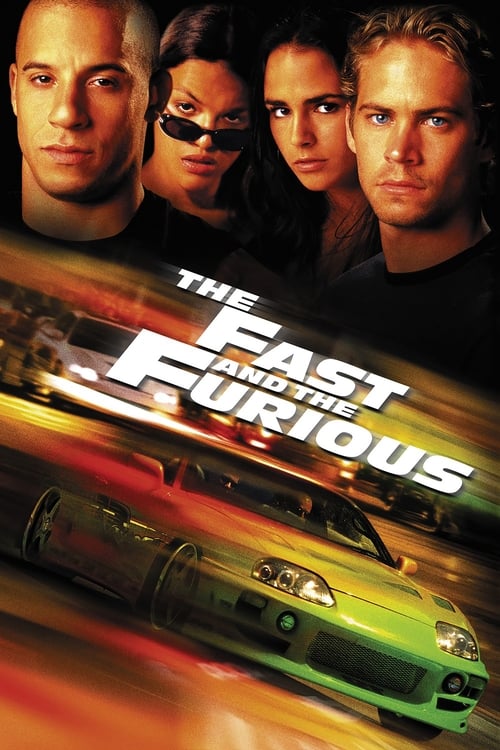
The Fast and the Furious
Jesse's murder by Tran and Lance triggers immediate, extrajudicial revenge — Brian kills Tran, Dom destroys Lance's vehicle. Official justice is absent (Tran was released after the botched sting). The revenge is framed as righteous and cathartic, and Dom faces no consequences for it.
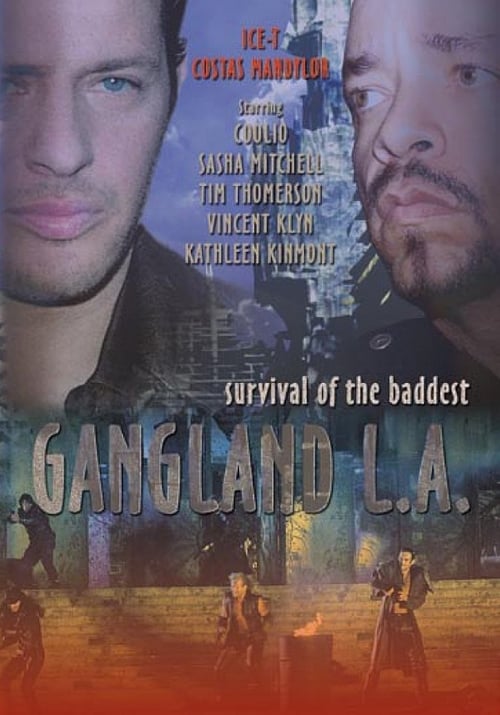
Gangland
Jared's entire motivation is revenge for Lucifer's gang murdering his wife and children. Official justice is immediately negated (the only law enforcement, two officers, are killed in a single early scene). The revenge quest is framed heroically — Jared is the protagonist, not an antihero. Defeating Lucifer is the emotional payoff, the story presents no moral ambiguity about the quest, and Jared suffers no meaningful consequences for his vengeance.
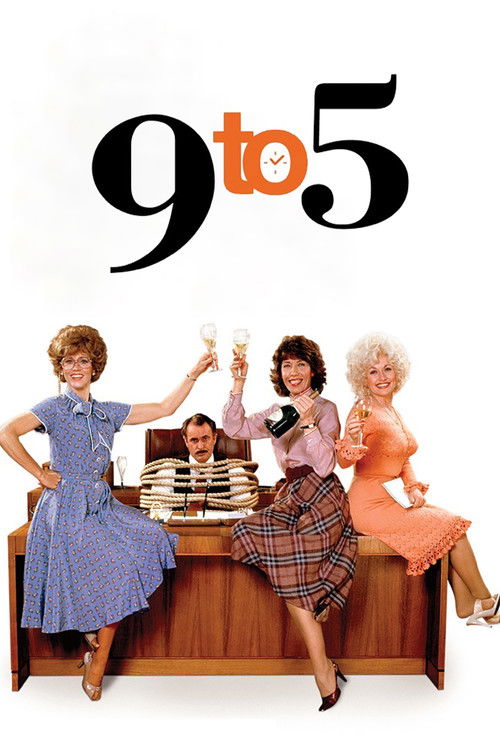
Nine to Five
Hart's mistreatment of all three women is the explicit engine of the entire plot. The elaborate revenge fantasies (Disney poisoning, hunting, hog-tying) are staged for audience catharsis and satisfaction, not moral discomfort. The actual kidnapping and domestic captivity of Hart is played comedically and triumphantly, not as a horror. The women suffer zero meaningful consequences — Violet is promoted, Judy marries, Doralee launches a music career — while Hart is punished with exile to Brazil, capped by the darkly comic coda of him being abducted by Amazon tribeswomen, a final revenge note framed as cosmic justice.
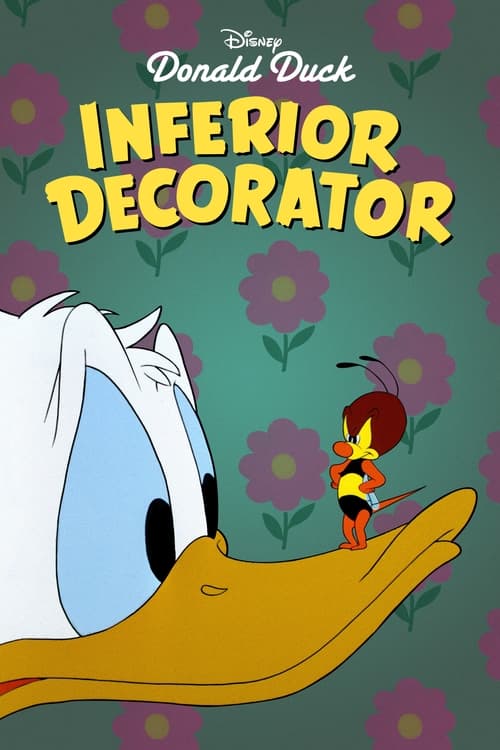
Inferior Decorator
Spike the bee is the wronged party: Donald deliberately taunts and humiliates him using fake flowers. The entire second half of the short is Spike's escalating retaliation, culminating in summoning the full hive to chase Donald — a payoff the audience is clearly meant to enjoy as just desserts. All five signals fire: Donald's cruelty drives the plot; Spike's revenge (sting + swarm) is presented as comedic triumph, not disturbing; no authority figure exists to appeal to; the swarm-chase is the cathartic punchline; and the bees face zero consequences for their vengeance.