Movie
Cast Aside the Clouds
Narrative tropes
Rebels vs. The Empire
highThe Iranian state is a clearly oppressive regime that systematically persecutes the Bahá'í minority — banning higher education, arresting Layla, and subjecting her to brutal interrogation in Evin Prison. The Bahá'í underground university is organized resistance against overwhelming state power. Layla is framed as morally righteous and courageous throughout. The regime is depicted as cruel and dehumanizing. Meaningful resistance is achieved through the underground university's existence and the couple's cross-faith love, which the film explicitly frames as its thematic core — a direct challenge to a society that forbids such connection.
About this trope: A small outmatched group rises up against a massive oppressive regime or institutional power. The rebellion is framed as morally righteous.
Humans Never Give Up
highLayla's enrollment in an underground university — knowing higher education is legally forbidden to Bahá'ís and that she risks arrest — is an act of refusal to surrender in a situation where capitulation would be rational. She then endures Evin Prison and brutal interrogation without breaking. The plot's emotional arc centers on the decision to keep going ('defining personal truth') rather than on any clear victory. The film's thematic core of 'moral courage' and 'hope' against a society 'determined to forbid their love' directly frames resilience as the story's defining human quality.
About this trope: Facing impossible odds, humans endure, adapt, and find reasons to keep going. Resilience and refusal to surrender is humanity's defining and most admirable trait.
Cultural messages
Forgiveness Sets You Free
mediumForgiveness is explicitly named as one of three central virtues the characters 'struggle to define' — alongside courage and commitment — indicating it functions as a narrative theme rather than mere background. Layla is deeply wronged by imprisonment and brutal interrogation, and the mention of betrayal introduces wrongs requiring forgiveness. The plot frames 'personal truth' through letting go rather than retaliation, and the thematic emphasis on 'hope' and 'cross-faith human connection' aligns with forgiveness-as-liberation.
About this message: Forgiving — even the unforgivable — is presented as the path to peace and healing. Holding grudges is self-imprisonment; releasing them is liberation.
Movies that share these tropes






Full plot (spoilers)
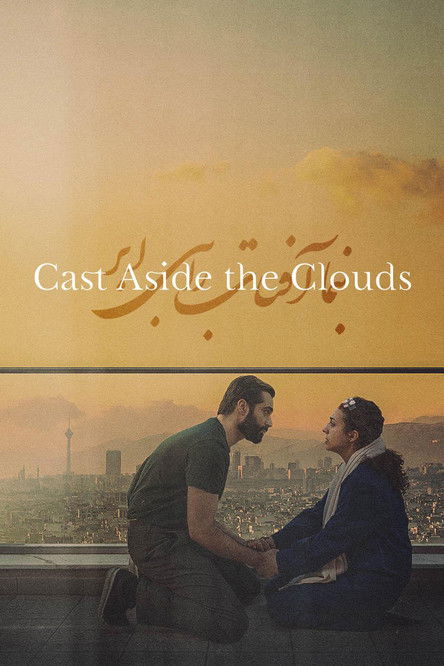
Set in contemporary Tehran, the film centers on Layla Khosravi, a young Bahá'í woman whose father runs a bookstore, and Dr. Sasan Naderi, a secular Muslim neurologist. When Layla is injured in an attack on the bookstore, she is hospitalized and Sasan becomes her doctor, sparking an unexpected romantic connection. As their bond deepens, both face mounting pressures: Sasan receives a lucrative offer to practice medicine in Germany, while Layla secretly enrolls in an underground university run by Iran's Bahá'í community — higher education being effectively forbidden to Bahá'ís under Iranian law. The relationship is complicated by opposition from both families and by the vast social and religious gulf between a persecuted religious minority and a Muslim from a conservative background. Layla is eventually arrested and imprisoned in Tehran's Evin Prison for her faith and her pursuit of education, where she endures brutal interrogation. The narrative follows the two as they grapple with imprisonment, betrayal, and the possibility of permanent separation while each struggles to define personal truth — courage, forgiveness, and commitment — against a society determined to forbid their love. The film is framed as the first feature to depict a Bahá'í falling in love with a Muslim from a conservative background, and its thematic core is moral courage and the hope of cross-faith human connection.
Sources: Hollywood Reporter, castasidetheclouds.com (official site), IMDb (search result snippet)