Movie
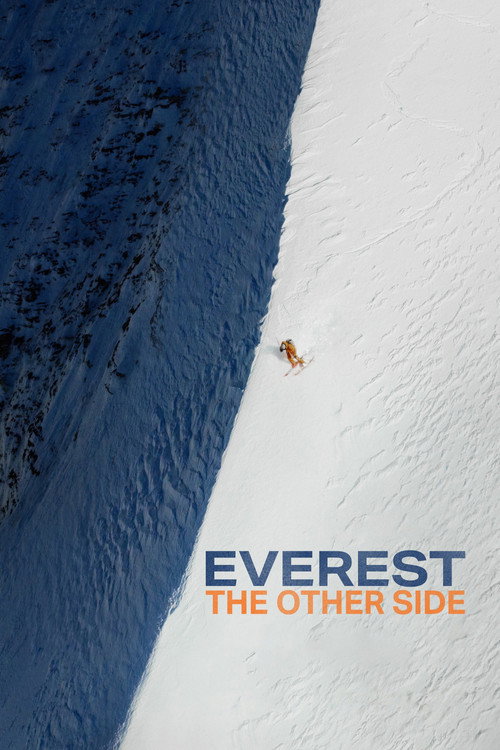
Everest: The Other Side
Narrative tropes
Love Conquers All
highMorrison and Nelson's romantic partnership is the film's central story element. After Nelson's death, Morrison's love for her is the explicit mechanism driving the resolution — he returns to Everest and completes the descent as an act of mourning and memorial. Love transcends her death (continuing to motivate action beyond the grave), saves Morrison from depression, motivates the decisive heroic act, and the film frames the summit as an expression of love rather than athletic ambition.
About this trope: Love — romantic, familial, or platonic — is presented as the ultimate force that overcomes any obstacle including death, physics, evil, or cosmic forces. Love is a literal power.
Humans Never Give Up
mediumMorrison faces objectively devastating circumstances — witnessing his partner's fatal fall — and sinks into grief and depression, a situation where abandoning the shared dream would be rational and expected. His decision to return to Everest and complete the descent is the emotional arc's climax. Hope and purpose persist despite irreversible loss; the film frames his resilience and refusal to surrender as the defining heroic quality, not the technical achievement of the ski descent itself.
About this trope: Facing impossible odds, humans endure, adapt, and find reasons to keep going. Resilience and refusal to surrender is humanity's defining and most admirable trait.
Movies that share these tropes




Full plot (spoilers)
Everest: The Other Side is a documentary following elite ski mountaineers Jim Morrison and Hilaree Nelson, who fell in love while competing at the top of their sport. Together they fixed on a single shared ambition: to climb and ski the direct North Face of Mount Everest, the most technically demanding route on the mountain and a line no one had ever successfully descended on skis. The film traces their relationship, their training, and the preparation for the attempt. On September 26, 2022, during a ski descent in Nepal, Nelson was caught in a small avalanche and fell approximately 6,000 feet, dying in the accident. Morrison, who witnessed the tragedy, was plunged into profound grief. After a period of depression, he resolved to complete the climb and ski descent they had planned together, partly as an act of mourning and memorial. Supported by his community of fellow climbers and the filmmaking team of directors Elizabeth Chai Vasarhelyi and Jimmy Chin, Morrison ultimately returned to Everest and completed a historic ski descent of the North Face—a first. The documentary interweaves the couple's love story, the extreme-sports context of their ambitions, and Morrison's psychological journey through loss, presenting the summit and descent as both athletic achievement and an act of grief.
Sources: Wikipedia (minimal narrative), Search result summaries (multiple), Letterboxd synopsis, Unofficial Networks