Movie
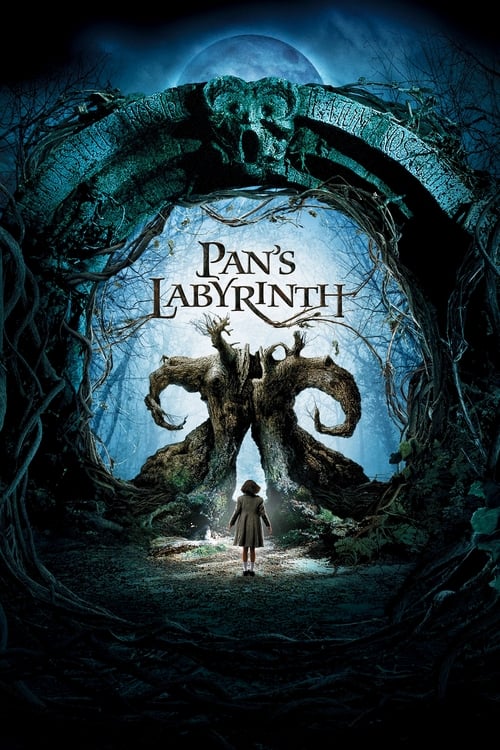
Pan's Labyrinth
Narrative tropes
Rebels vs. The Empire
highFrancoist Spain under Captain Vidal is the explicit oppressive regime; the Spanish Maquis are the outmatched but sympathetically portrayed resistance. Mercedes and her brother Pedro are framed as brave and morally righteous. Vidal tortures prisoners and murders Dr. Ferreiro, cementing the regime as cruel and dehumanizing. The story ends with the Maquis surrounding and killing Vidal — a direct victory for the resistance against overwhelming institutional power.
About this trope: A small outmatched group rises up against a massive oppressive regime or institutional power. The rebellion is framed as morally righteous.
Born Special
highOfelia is told by the faun she is the reincarnation of Princess Moanna, daughter of the underworld King and Queen — her specialness stems entirely from birth and lineage, not effort. The three tasks are tests to confirm her innate identity, not training exercises. The finale validates this: the underworld King reveals she is his daughter and restores her to her throne. No other character could fulfill this role regardless of will or training.
About this trope: Certain characters are inherently special by birth, blood, genetics, or prophecy — not through effort or choice. Greatness is innate, not earned.
Kids See the Truth
highOfelia's perception of the magical world is dismissed by every adult — Vidal calls her delusional, Carmen destroys the mandrake root. Yet the film validates Ofelia completely: the faun is real, the tasks are real, and the underworld portal opens at the end. Her simple moral clarity — refusing to harm her baby brother — turns out to be the true final test, resolving what no adult understood. Vidal cannot even see the faun standing in front of him.
About this trope: Children possess intuitive wisdom, moral clarity, or a connection to truth that cynical adults have lost. Kids see through lies, sense danger, and understand what really matters.
Cultural messages
Science vs. Faith
highThe film sets up a direct tension between the cold, rational Francoist world (Vidal, Carmen, who dismiss Ofelia's visions as delusion) and Ofelia's spiritual/intuitive belief in the magical realm. The ending fully validates Ofelia's faith: the underworld is real, her parentage is real, and her act of trusting the faun's tasks — a leap of faith — is rewarded. Adults who applied rationalist skepticism were wrong; the child who leapt of faith was right.
About this message: Characters face a choice between rational/scientific thinking and spiritual/intuitive belief. The story typically validates faith or emotion over cold logic — the scientist is wrong, the believer is vindicated.
Family Is Everything
highOfelia's entire quest is framed as returning to her true family — the underworld King built labyrinths across the world hoping her spirit would return. She sacrifices herself rather than shed her baby brother's innocent blood, choosing family protection over self-preservation. The emotional climax is an explicit family reunion in a golden throne room with her true parents. The epilogue underscores she ruled with kindness for centuries, having finally come home.
About this message: Family bonds — biological or found — are ultimately what saves the day, provides meaning, and matters most. Characters who stray from family suffer; those who return are rewarded.
Movies that share these tropes




Full plot (spoilers)
Set in post-Civil War Francoist Spain in 1944, Pan's Labyrinth follows ten-year-old Ofelia, who travels with her pregnant mother Carmen to live with Captain Vidal, a cruel and fanatical Civil Guard officer assigned to eradicate the Spanish Maquis resistance. The film opens with a fairy tale prologue: Princess Moanna of the underworld once wandered into the human world, lost her memory, and died mortal — but her father the underworld king built labyrinths as portals, believing her spirit would one day return.
Shortly after arriving, Ofelia is led by a stick insect (which she believes to be a fairy) into an ancient stone labyrinth, where she meets a faun who tells her she is the reincarnation of Princess Moanna. He gives her a magical book and sets her three tasks to complete before the full moon, which will grant her immortality and reunite her with her true family in the underworld.
The first task has Ofelia retrieving a key from inside a giant toad. The second requires her to use the key to steal a dagger from the lair of the Pale Man — a eyeless, child-devouring monster with eyes in his palms — while heeding a strict warning not to eat anything there. Despite the warning, she eats two grapes, waking the Pale Man, who kills two fairies before she escapes. The furious faun abandons her.
Meanwhile, Vidal's housekeeper Mercedes is secretly aiding the Maquis, including her brother Pedro. She passes a key to the rebels who raid the granary. Vidal interrogates a captured stuttering rebel and tortures him; Dr. Ferreiro euthanizes the man to end his suffering and is killed by Vidal for it. Discovering Ofelia nurturing a faun-given mandrake root under Carmen's bed, Vidal deems her delusional; Carmen destroys the root and immediately goes into fatal labor, dying in childbirth. Vidal then connects Mercedes to the raid and moves to arrest her. She escapes, slashing his face, and rejoins the rebels.
The faun returns and offers Ofelia a final chance: bring her newborn brother into the labyrinth, where a small drop of innocent blood will open the portal to the underworld. Ofelia takes the baby and flees, with Vidal in pursuit. At the labyrinth's center, the faun urges her to prick the baby. Ofelia refuses to harm her brother. Vidal catches up, cannot see the faun, and shoots Ofelia. He carries the baby out, only to be surrounded and killed by the Maquis. Mercedes cradles the dying Ofelia inside the labyrinth.
Ofelia's blood falls onto an altar and opens the portal. In a golden throne room, the underworld King reveals that by spilling her own blood rather than an innocent's, Ofelia passed the true final test. She is reunited with her parents — the King and Queen of the underworld — and takes her place as princess. The epilogue states she ruled the underworld with kindness for many centuries, leaving only faint traces in the human world visible to those who know where to look.
Sources: Wikipedia