Movie
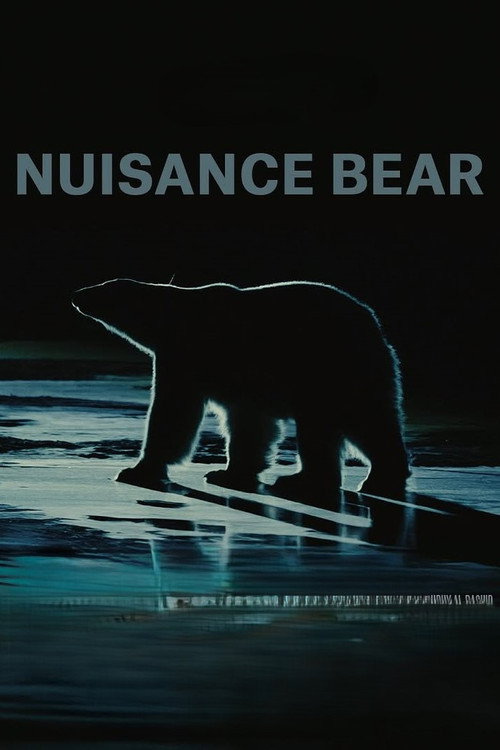
Nuisance Bear
Cultural messages
The Old Ways Were Better
mediumThe Inuit concept avinnaarjuk — bears and humans as equals — is explicitly framed as a wiser, morally superior framework than Churchill's tourist-and-tranquilize apparatus. Elder Mike Tunalaaq Gibbons' narration presents colonialism and imposed sedentary life as having eroded a better pre-modern relationship, making modernization a clear loss. Traditional knowledge (the reciprocal Inuit-bear relationship) is implicitly positioned as outperforming modern management solutions (Bear Jail, relocation). Signals met: elders' ancestral wisdom presented as correct, modernization depicted as loss, traditional knowledge as superior framework.
About this message: Traditional, ancestral, rural, or pre-modern life is portrayed as inherently better than modern alternatives. Progress is corruption, not improvement. The past is idealized as a golden age.
Nature Knows Best
mediumIndigenous culture (avinnaarjuk worldview, Inuit relationship with bears) is depicted as morally and spiritually superior to Churchill's commercialized bear management. The film contrasts the Inuit's reciprocal ethic with Churchill's simultaneous profit-from-and-control-of bears, framing the latter as spiritually hollow. The elder's narration functions as the documentary's moral compass, drawing wisdom from the Indigenous human-nature connection. Signals met: Indigenous characters portrayed as wiser than modern ones, modern/urban institutional approach depicted as spiritually empty by comparison.
About this message: The natural world, indigenous peoples, or pre-industrial life is portrayed as inherently wise, pure, morally superior, or spiritually richer than modern civilization. Nature is a source of truth that technology has replaced.
Movies that share these tropes
Full plot (spoilers)
Nuisance Bear is a feature documentary (approximately 90 minutes) that expands on the directors' 2021 award-winning short film of the same name. It follows a single polar bear whose ancient migration route across Hudson Bay in northern Canada has been disrupted by climate change: delayed ice formation forces bears to remain on land far longer than before, pushing them into sustained contact with human settlements. The film is structured around that bear's journey through two distinct human communities, observed largely from the bear's point of view. First, the bear enters Churchill, Manitoba — billed as the 'Polar Bear Capital of the World' — where it forages near the town, triggers the local bear-management system, and is eventually tranquilized and relocated. Churchill's apparatus for handling bears includes tourist bear-viewing expeditions, traps, and a holding facility locals call the 'Bear Jail,' exposing how the town simultaneously profits from polar bear tourism and treats the same animals as hazards to be controlled. After relocation, the bear travels north to the Inuit settlement of Arviat, Nunavut, where it encounters an entirely different set of human stakes. Threaded throughout is narration from the late Inuit elder Mike Tunalaaq Gibbons, who articulates a worldview — captured in the Inuit concept avinnaarjuk — in which bears and humans are equals, and traces how colonialism, the imposition of sedentary life on Indigenous communities, and accelerating climate change have eroded that ancient reciprocal relationship. Traditional Inuit hunting of polar bears is depicted alongside the bear's growing vulnerability. Rather than a conventional conservation arc, the film builds toward a bleak conclusion: the bear has no refuge. Churchill brings tranquilizers, tourists, and displacement; the northern Indigenous lands bring hunting. The documentary frames the question of who is truly the 'nuisance' as genuinely open — the bear following instincts older than any human settlement, or the humans whose infrastructure now occupies every waypoint of its migration corridor.
Sources: Wikipedia, Loud and Clear Reviews, FirstShowing.net