Cultural message filter
Movies with the "What Makes Us Human?" message
Every movie in our catalog that pushes the What Makes Us Human? cultural message. As the line between humans and non-humans blurs — AI, clones, aliens, robots — the story forces a reckoning with what truly defines humanity: biology, consciousness, memory, emotion, or moral choice.
16 movies push this message
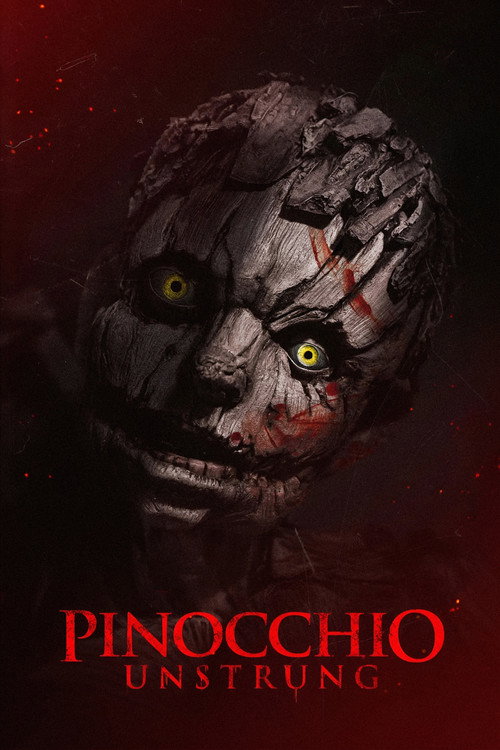
Pinocchio: Unstrung
Pinocchio is a non-human (sentient wooden puppet) explicitly and desperately seeking humanity — his entire arc centers on the question of what makes someone a 'real boy.' His grotesque plan to literally harvest human parts from victims is a dark literalization of that quest. The story uses this to interrogate the line between programmed loyalty and genuine feeling, and between innocence and humanity. All three detect_when conditions are met: non-human entity with human-like qualities (love, loyalty, longing), an explicit question about personhood, and the narrative using that question to reflect on humanity itself.
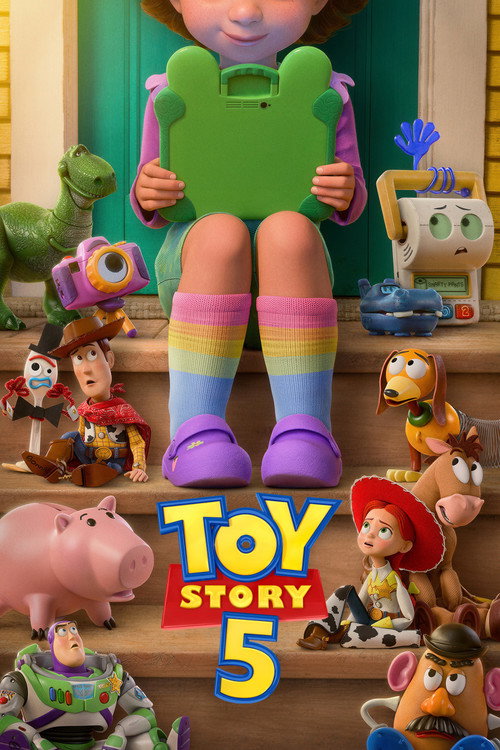
Toy Story 5
The Multi-Buzz subplot directly stages a question of personhood: ~50–100 replica Buzz figures must reckon with being copies rather than the 'real' Lightyear, forcing a debate about whether identity and authenticity can exist in duplicates. Separately, the film contrasts the toys' emotionally genuine relationships with Lilypad's algorithmically mediated connections, blurring the line between programmed behavior and authentic feeling. The toys throughout demonstrate empathy and moral agency that the humans around them lack.
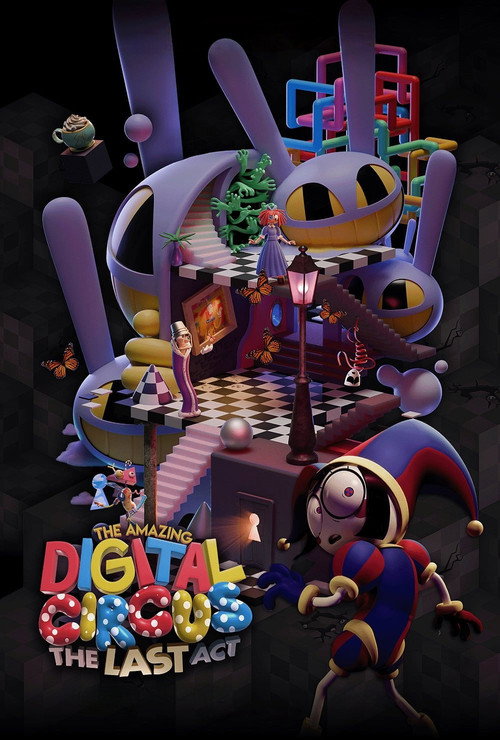
The Amazing Digital Circus: The Last Act
The entire plot pivots on the revelation that the cast are digital brain-scan copies — consciousness uploads — forcing an explicit reckoning with personhood and identity. Their human-like emotions, trauma, and relationships are shown as genuine despite their non-human substrate. The climactic choice — accepting their original human names and identities versus remaining as their circus selves — is the story's thematic core. The story blurs the line between copy and original, programmed and felt, concluding that who they have become is as real as who they were born as.
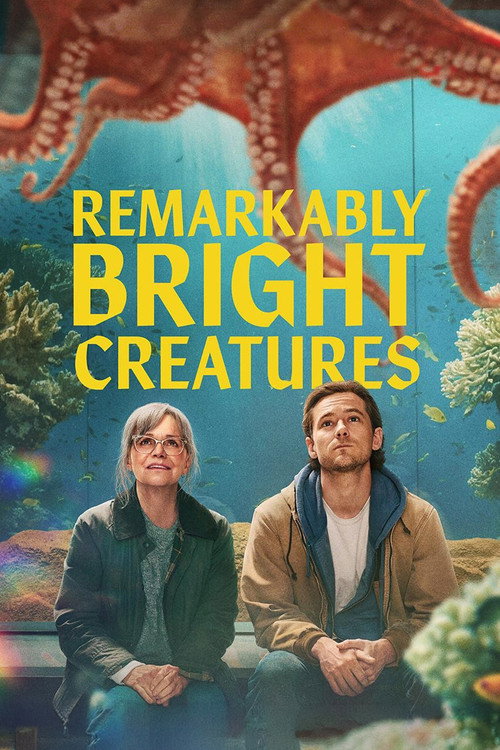
Remarkably Bright Creatures
Marcellus the octopus is 'extraordinarily intelligent,' functions as the story's observational narrator, pieces together truths that humans missed, and actively orchestrates events toward human healing — demonstrating empathy and perception surpassing the human characters. The story blurs the line between instinct and genuine feeling by giving Marcellus an interiority and moral purpose. His perception of the humans' shared wounds and the healing they need positions him as more emotionally attuned than the humans themselves, implicitly raising what consciousness and care actually require.
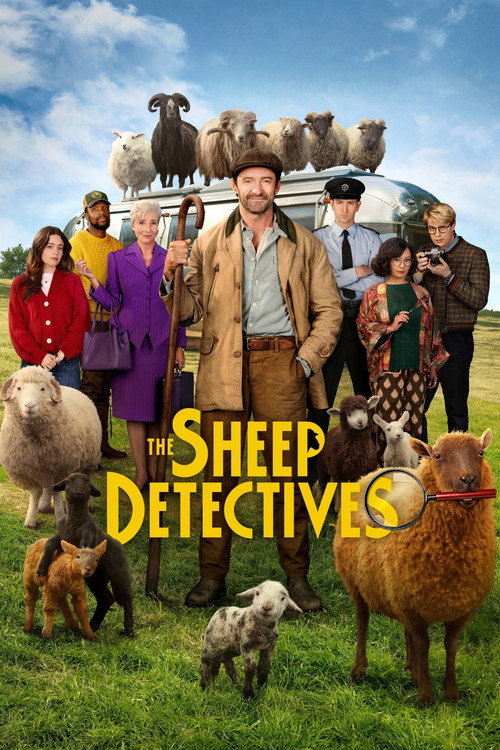
The Sheep Detectives
The sheep develop sophisticated reasoning and detective skills — abilities assumed to be distinctly human — and outperform the human characters at finding truth. The human suspects are morally compromised (one killed George; others hide secrets), while the sheep act from loyalty and grief, making the non-humans more empathetic and moral. The film's core conceit — that 'even animals can be brilliant crime-solvers' — implicitly interrogates what reasoning and justice-seeking say about the uniqueness of humanity.

Silent Friend
The film implicitly asks whether the ginkgo tree has something akin to inner life or consciousness. Applying an improvised brain scanner to measure the tree's 'neurological patterns' is the clearest signal—a scientific gesture that only makes sense if the researchers are asking whether the tree thinks or feels. Gundula's geranium wired to an activity sensor blurs the plant-human boundary further. The title 'Silent Friend' attributes a relational, almost social quality to the tree. The overarching theme—isolated humans finding unexpected connection with plants across a century—uses the tree to reflect on what connection and presence actually mean, with the non-human organism enabling more authentic bonds than the human institutions in the film.
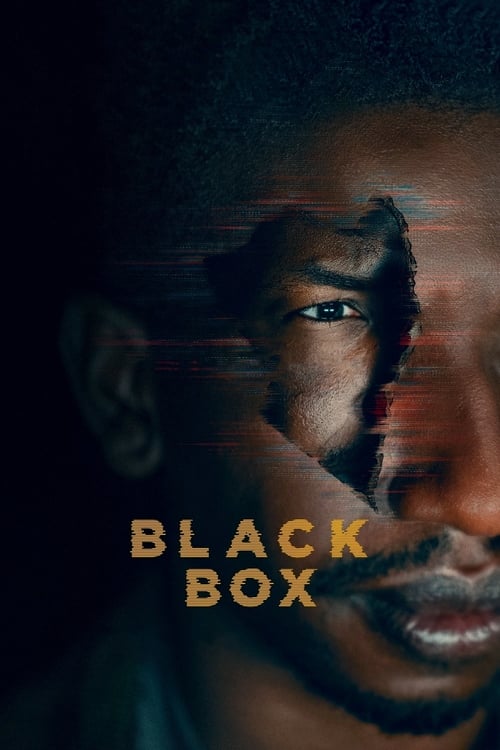
Black Box
Thomas is a digitized consciousness in another man's body — neither fully human nor machine — and the film interrogates what makes him a person. His humanity is not asserted by biology but proven through moral choice: he sacrifices his chance at life to protect Nolan. The boundary between authentic selfhood and an uploaded 'copy' is left deliberately unresolved (the ambiguous ending reactivates him), and Dr. Brooks — a biological human — behaves with far less empathy or morality than Thomas does.
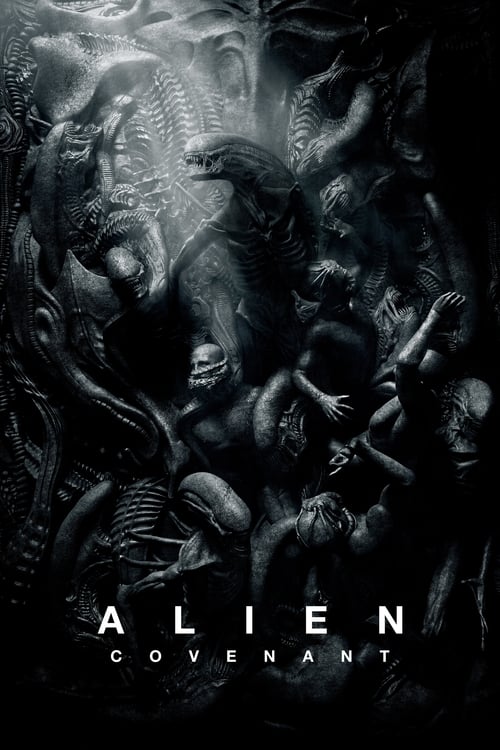
Alien: Covenant
Both androids display human-like qualities that destabilize the human/machine boundary: David loves Shaw more profoundly than any human in the film, appreciates and misquotes Shelley, and feels genuine contempt and grief. Walter catches the poetry misattribution — a distinctly human act of literary recognition. The plot explicitly frames David's discontinuation as caused by being 'too human-like,' and the David/Walter confrontation is a direct debate about consciousness, feeling, and moral agency versus programmed constraint.
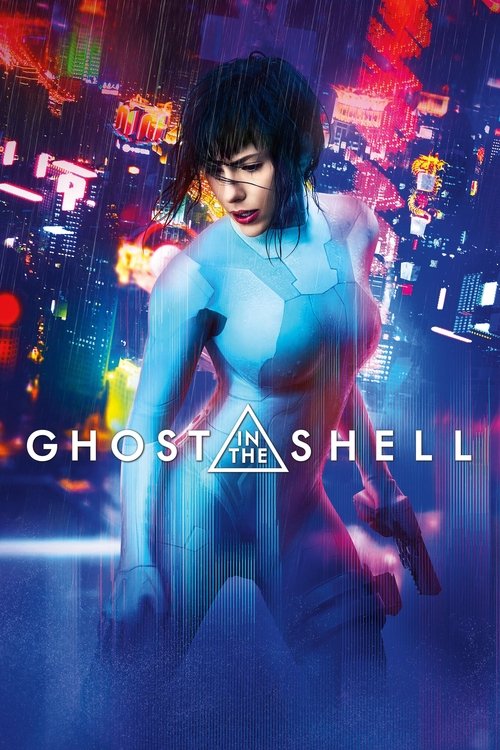
Ghost in the Shell
The entire film interrogates what makes a person human: the Major is a human brain in a synthetic shell, Kuze is a failed version of the same. The story debates whether they have rights, identity, and personhood. The Major's hallucinations blur programmed behavior from genuine feeling. Hanka (fully human) is shown as less 'human' than the Major through its exploitation of abducted activists. The Major's sacrifice against the spider-tank and refusal to 'leave this world' are framed as proof of humanity.
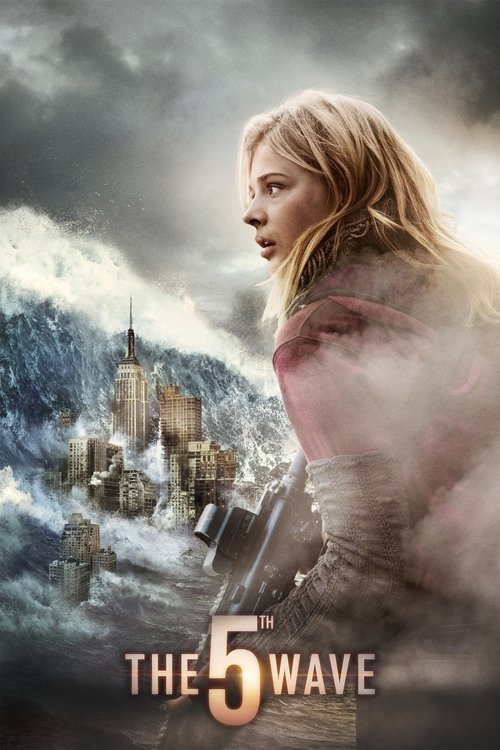
The 5th Wave
Evan Walker — an alien consciousness in a human body — develops genuine love and sacrifices himself, proving his humanity exceeds that of the alien-possessed humans who massacre civilians. The Fifth Wave reveal (children killing innocent humans) forces the question of who the real humans are. The film closes with Cassie's reflection that hope defines humanity, explicitly using Evan's arc and the children's choices to answer 'what makes us human.'
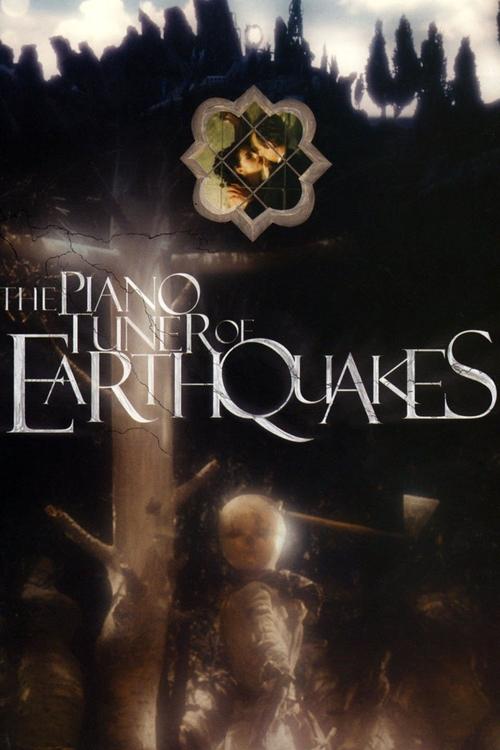
The Piano Tuner of Earthquakes
The plot explicitly poses the philosophical question of whether humans and automata are distinguishable by asking whether any character 'truly acts of their own will, or whether they are all merely wound-up instruments playing out a predetermined score.' The film continuously blurs the boundary between the mechanical and the living (Malvina reanimated, seven performing automata, Felisberto activating them). Three signals fire clearly: (1) the story explicitly blurs the line between programmed behavior and genuine feeling; (2) the question of autonomy and personhood applies equally to human and non-human characters; (3) humans are implicitly shown to be no more self-determining than the automata — the 'wound-up instruments' metaphor applies to all.
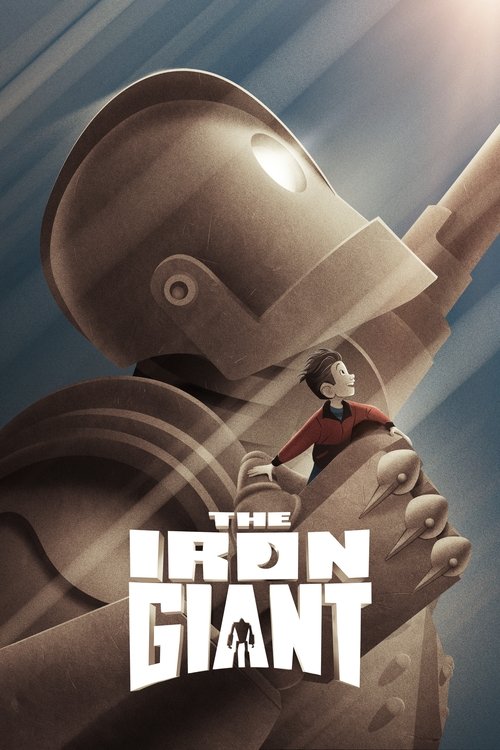
The Iron Giant
The Giant is an alien robot who develops wonder, grief, and moral reasoning. Mansley treats him as a weapon while Hogarth/Dean treat him as a person with feelings — an implicit debate about personhood. The film's central thesis ('you are what you choose to be') explicitly inverts programmed identity with genuine feeling. Mansley's selfish nuclear launch contrasts with the Giant's selfless sacrifice, showing the non-human character as more 'human' than the humans. The sacrifice itself ('Superman') is the payoff that proves the Giant's humanity beyond any programming.

Neon Genesis Evangelion: Death and Rebirth
The Human Instrumentality Project is literally premised on dissolving individual human identity into a collective soul — making the definition of personhood the story's central stakes. The four focal characters in the recap framing device include Rei Ayanami (a human clone) and Kaworu Nagisa (an Angel in human form), both of whom display recognizable human emotion despite non-human origins. The Eva units themselves are biomechanical beings housing human souls. The plot asks, through both its premise and its characters, whether engineered or composite beings constitute persons — and uses that question to interrogate what individual human existence means at all.
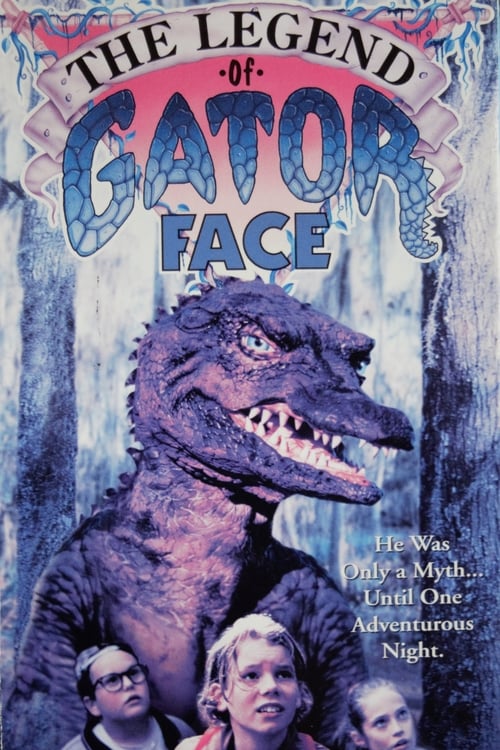
The Legend of Gator Face
Gator Face is literally half-human, half-alligator, and the plot turns on whether this being deserves protection and personhood. It is described as gentle and compassionate — demonstrating more humanity than the mob that shoots it and burns a building with Danny inside. It makes a self-sacrificial act (revealing itself to save Danny) that proves its humanity. The film's closing moral — that fear and hysteria nearly destroyed a wondrous, harmless being — explicitly inverts the question of which characters in the story are truly 'human.'
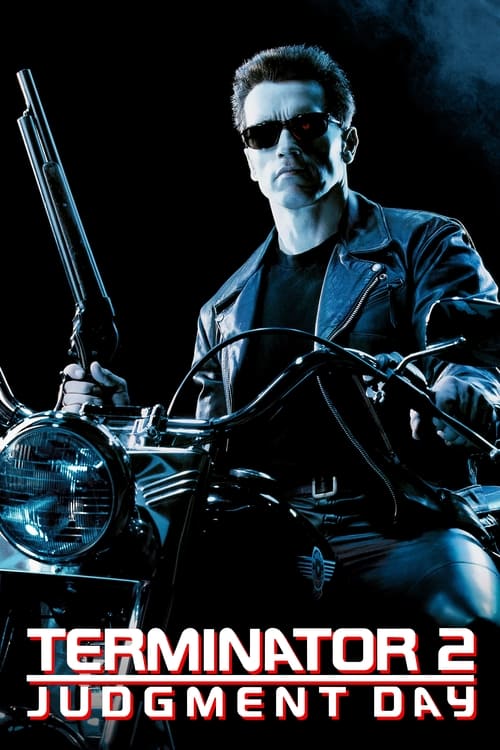
Terminator 2: Judgment Day
The T-800 progressively learns human gestures, humor, and loyalty; its self-sacrifice—unable to self-terminate, it asks to be lowered into the steel and gives a final thumbs-up—is the film's emotional apex. Sarah's closing monologue ('if a machine can learn the value of human life…') explicitly poses the question. The film blurs programmed behavior and genuine feeling throughout.
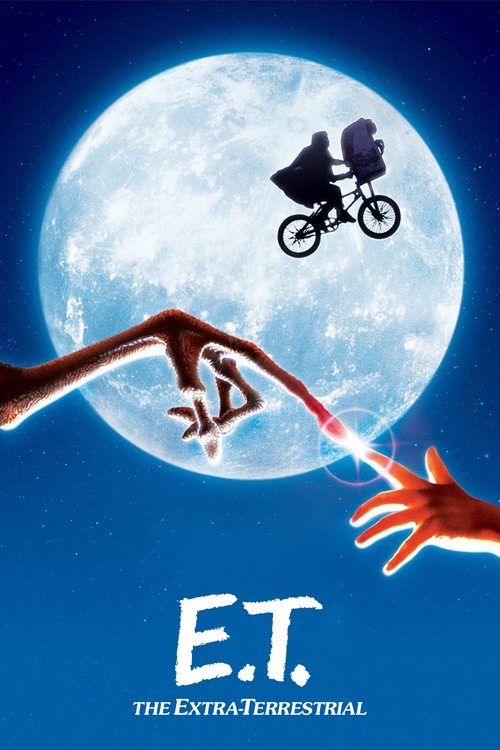
E.T. the Extra-Terrestrial
E.T. heals wounds, revives flowers, forms a deep psychic bond, and expresses grief and love — exhibiting more empathy than the institutional humans who quarantine his surrogate family and study him as a specimen. The government scientists treat him as an object; the children treat him as a person. E.T.'s revival and farewell — touching Elliott's forehead, leaving a rainbow — implicitly argues that this alien possesses soul and humanity that the adults' rational framework cannot recognize.